The Childhood TV Shows That Came From Japan
From Speed Racer and Star Blazers to Voltron and Ultraman, revisit Japanese cartoons and live-action shows…
 By Kevin Tanza8 min read
A familiar English title could hide a Japanese production, a rewritten story or a much older series returning in reruns. Local schedules differed, so these cartoons and live-action shows were never one nationwide childhood lineup.
1. Speed Racer and the Mach 5
Tatsunoko created Mach GoGoGo in 1967, and the series became Speed Racer for international audiences. The white race car, distinctive helmet and family characters made the program easy to recognize.
American children in later years could encounter the show through reruns. Remembering it in the 70s does not mean it was first made then.
Its brisk English dialogue and elaborate racing situations gave the series a different feel from an ordinary sports broadcast.
2. Astro Boy in black and white
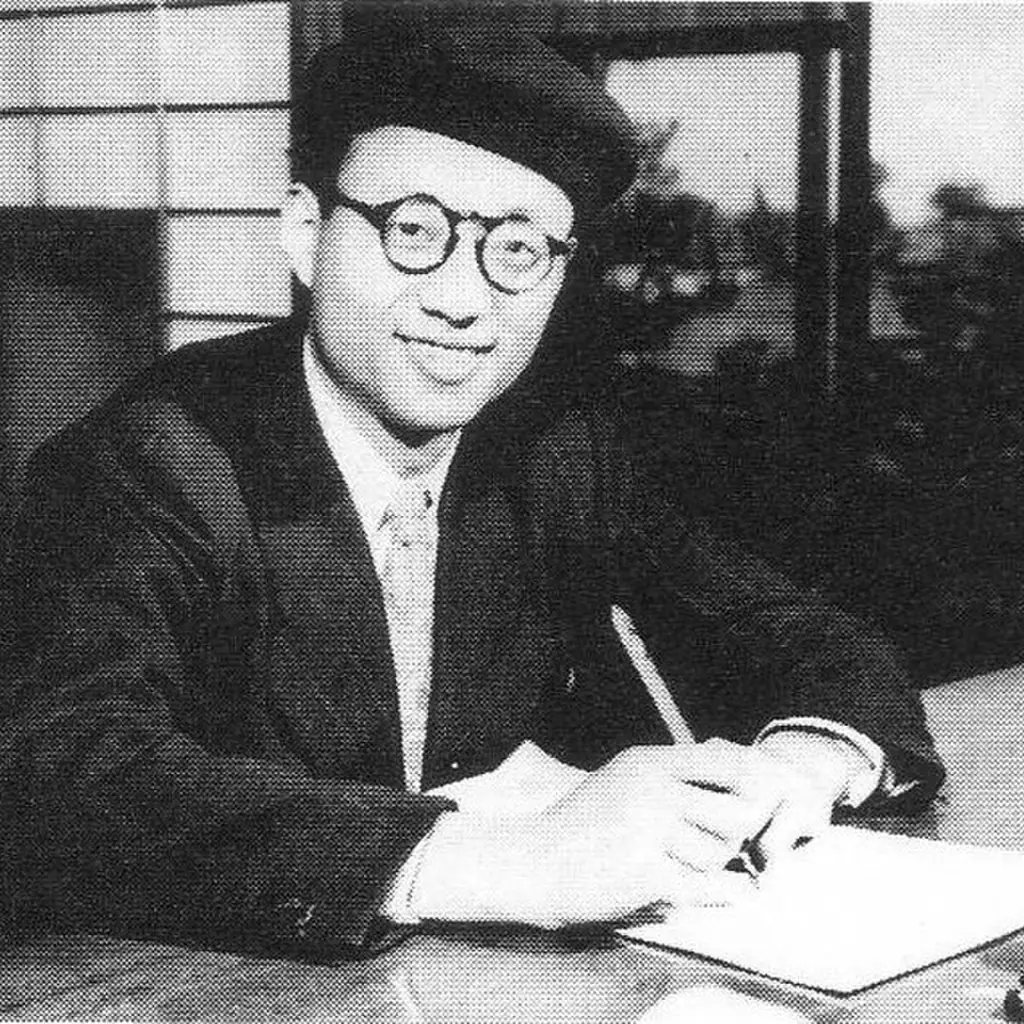
The original Astro Boy television series dates to 1963. A small robot with a child’s appearance placed questions about responsibility and belonging inside an adventure format.
Its black-and-white images could appear beside later color programs in a child’s memory. Tezuka’s studio also lists a separate 1980 version.
Those versions should not be mixed together. The particular opening sequence, drawing style and station schedule can help identify which Astro Boy a viewer remembers.
3. Kimba the White Lion
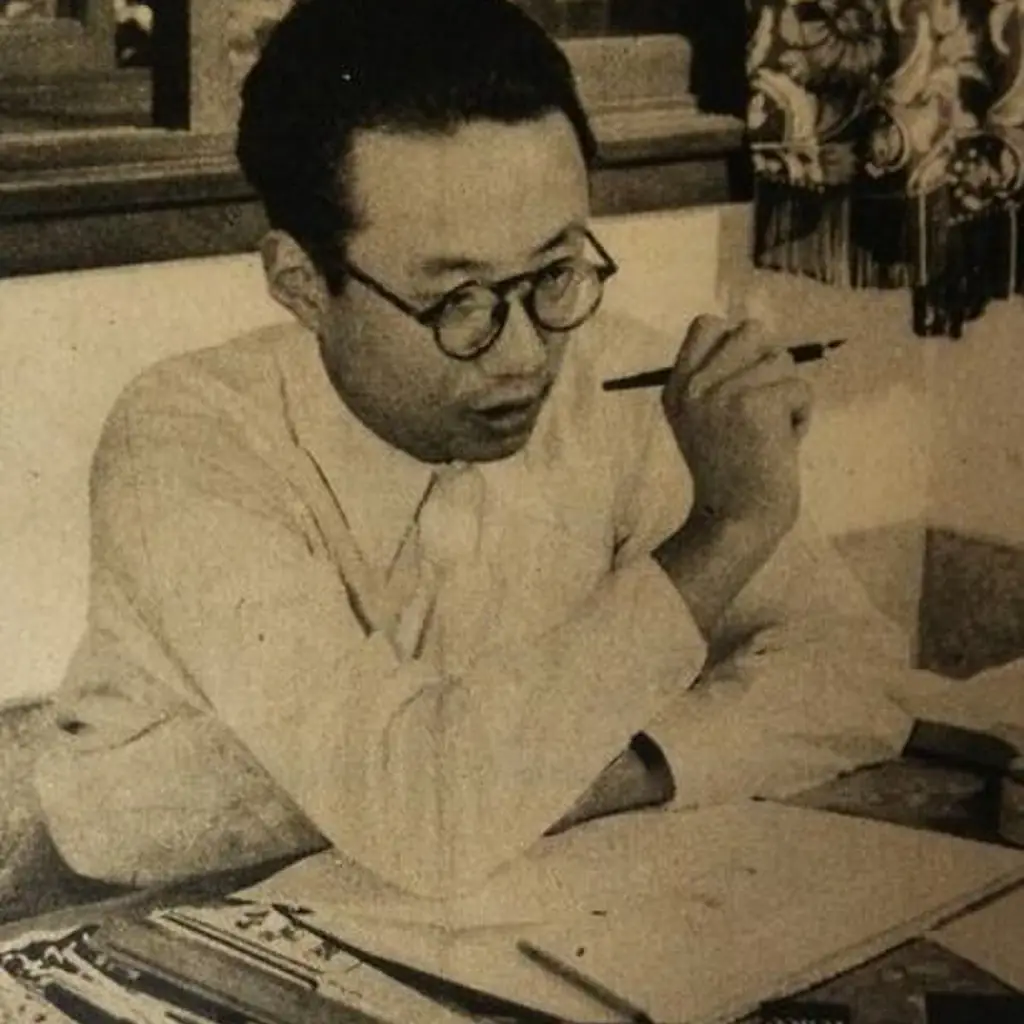
Tezuka’s Jungle Emperor became familiar to English-speaking viewers as Kimba the White Lion. The white cub’s appearance made the central character immediately recognizable.
The stories gave animals personalities and placed the cub among larger questions about leadership and coexistence. They were not simply a string of disconnected animal jokes.
The original production belongs to the 1960s, but later viewing could place it firmly inside a 70s childhood. Production date and the date someone watched are different facts.
4. Gigantor and the remote-controlled giant
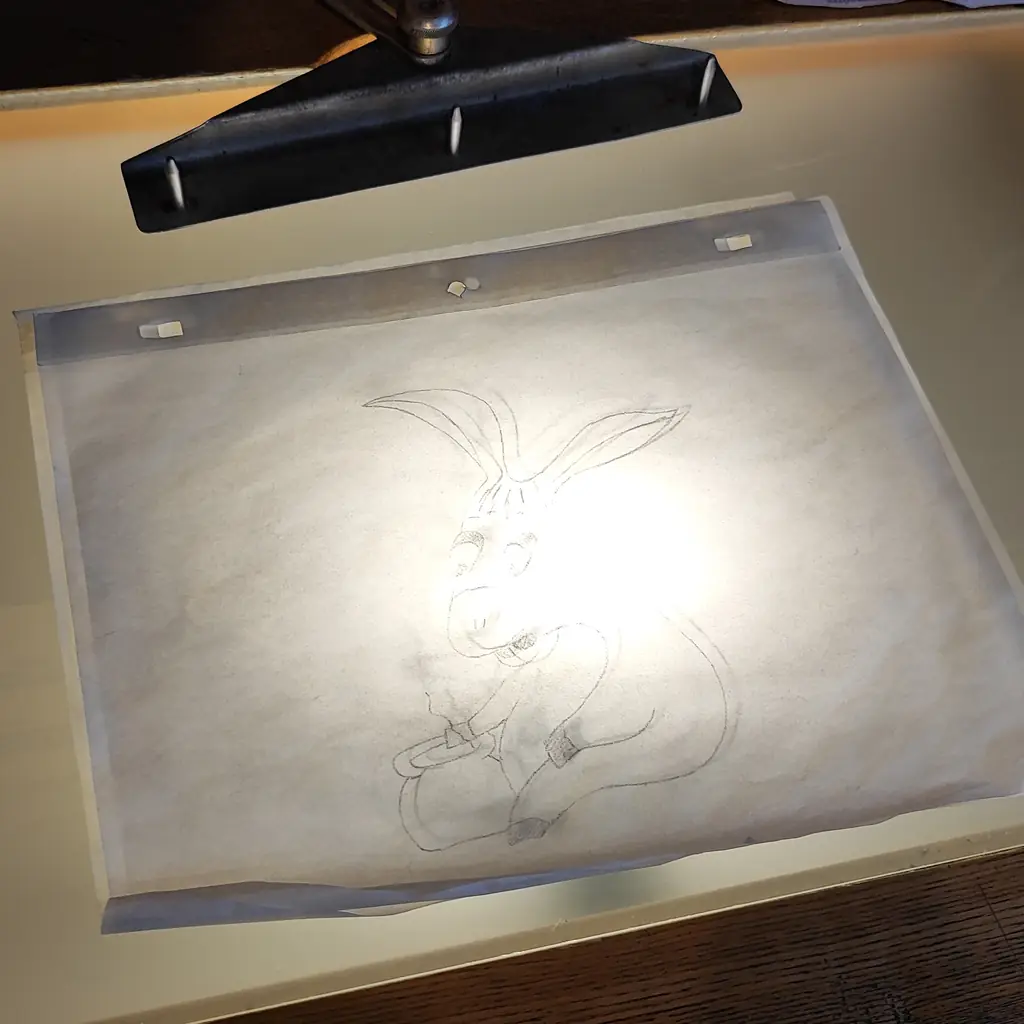
Gigantor presented a small boy with control of a towering robot. The size difference between the human characters and the machine supplied much of the program’s visual appeal.
The English title and character names differed from the Japanese original, Tetsujin 28-go. The adaptation was part of the earlier wave of Japanese television imports.
A rerun could make an older black-and-white series feel current to a new child. It was not created alongside the later color robot shows.
5. Marine Boy beneath the water
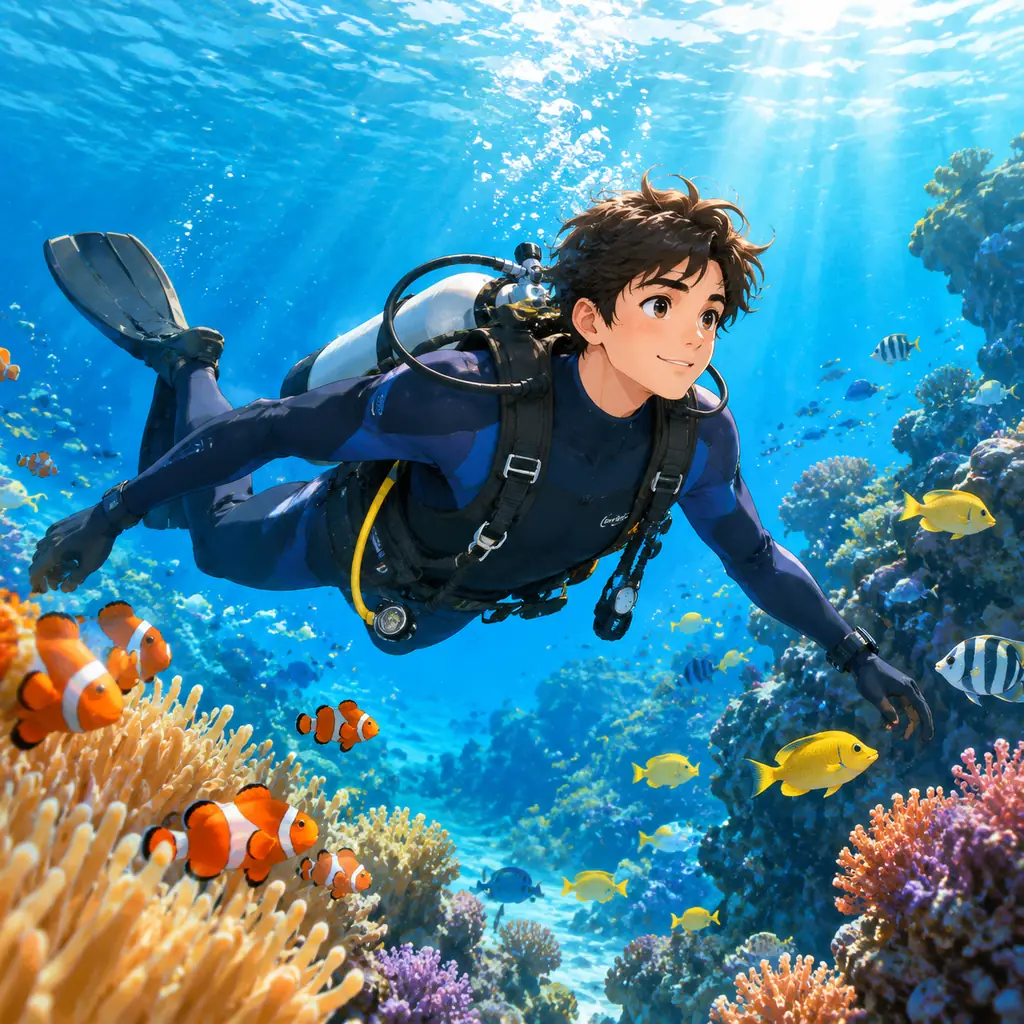
Marine Boy moved its adventures underwater. A young hero, a dolphin companion and a distinctive diving outfit offered recognizable images without a robot or racing car.
The show reached American viewers under an English title during the early import era. Its bright setting could stand apart from the black-and-white imports shown nearby.
The underwater breathing device belonged to the fiction. A retrospective can describe the imaginative premise without treating a cartoon gadget as a real product.
6. Battle of the Planets and G-Force
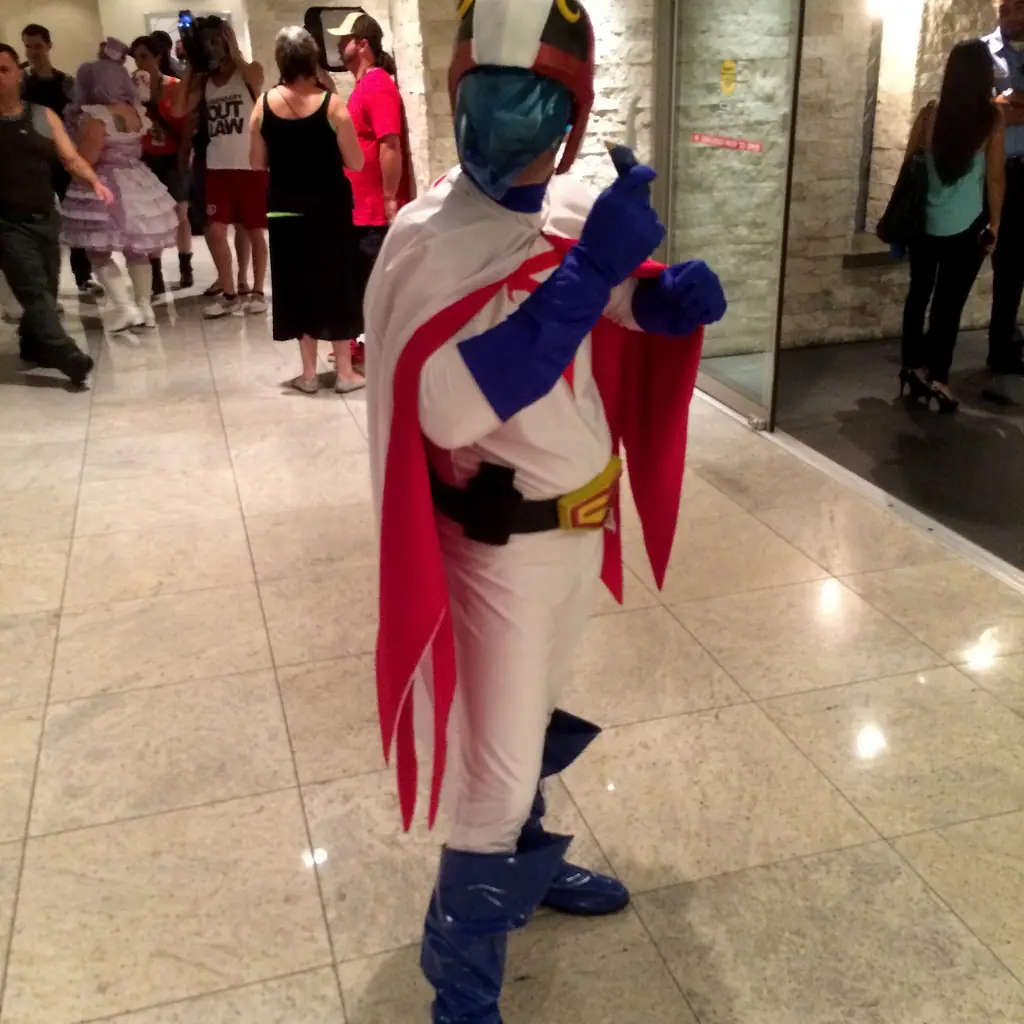
Tatsunoko’s 1972 Gatchaman became Battle of the Planets in 1978. American viewers met a team of young heroes with bird-shaped helmets and a striking shared vehicle.
The adaptation changed the presentation rather than simply translating every line. A familiar English program was not an unchanged copy of the Japanese series.
Its teamwork and transformation sequences connected easily with the mechanical appeal of the robots that followed. The two names describe related versions, not interchangeable titles in every context.
7. Star Blazers and a continuing mission
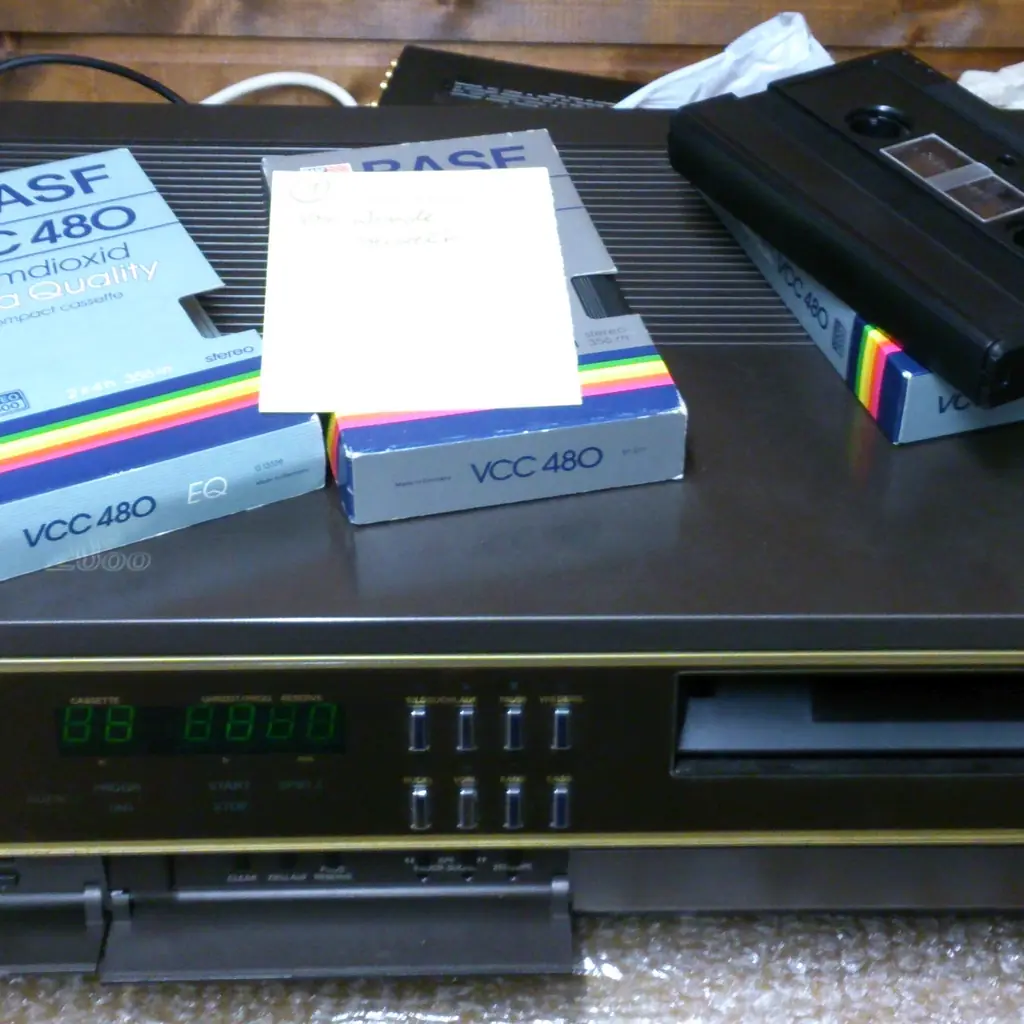
Star Blazers reached American television in 1979, adapting Space Battleship Yamato. Its ship and crew carried a mission that continued across episodes.
Missing a broadcast could therefore mean losing part of the story. The next installment mattered in a way that differed from a wholly self-contained cartoon.
The televisions and recorders in our look at Japanese electronics help explain that viewing ritual, when catching up was far less convenient.
8. Force Five and a different show each day
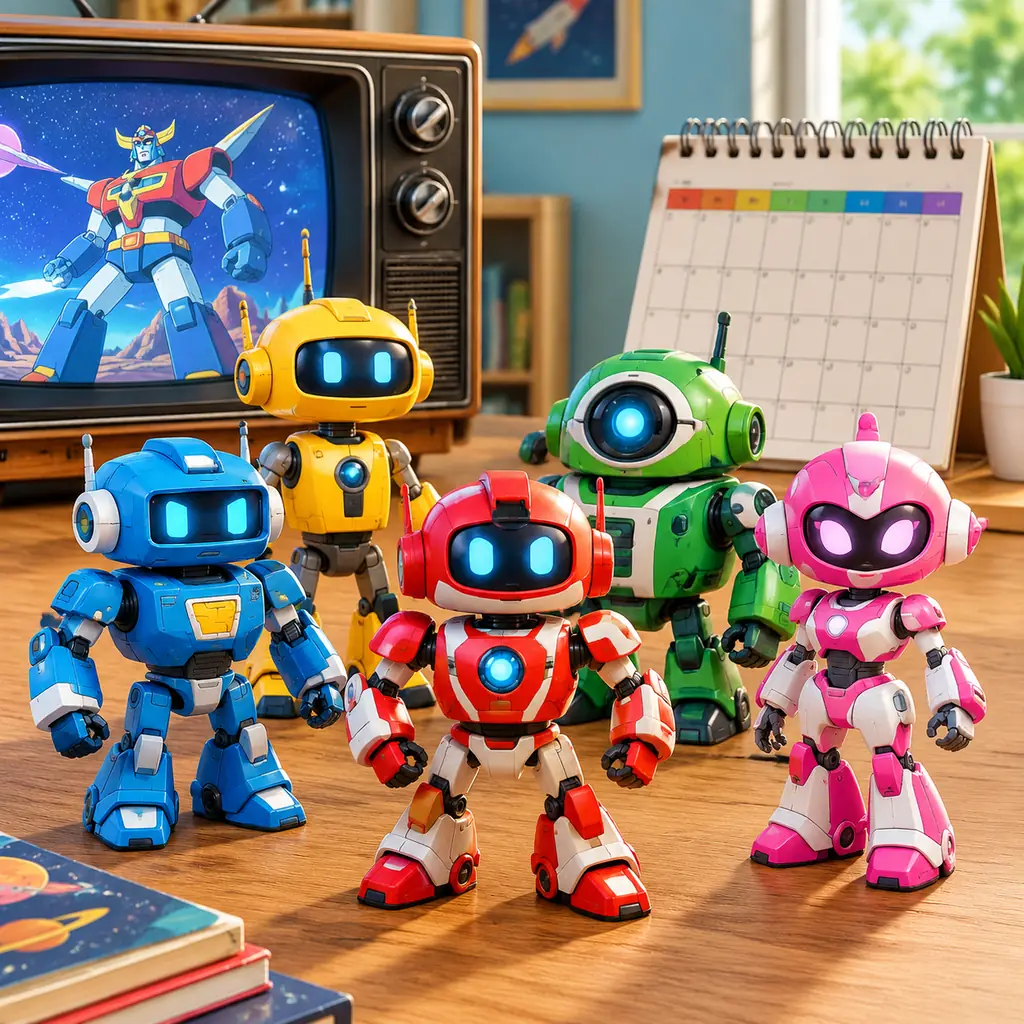
Force Five grouped several Japanese animated adventures into an American package. Names such as Grandizer and Starvengers could be more familiar than their original Japanese titles.
The umbrella name did not mean all the robots inhabited one shared story. The programs had separate productions and characters.
The machinery also appeared in the world of Japanese-origin robot toys. A toy and a broadcast might be remembered together even when their American release details differed.
9. Voltron and the combining team
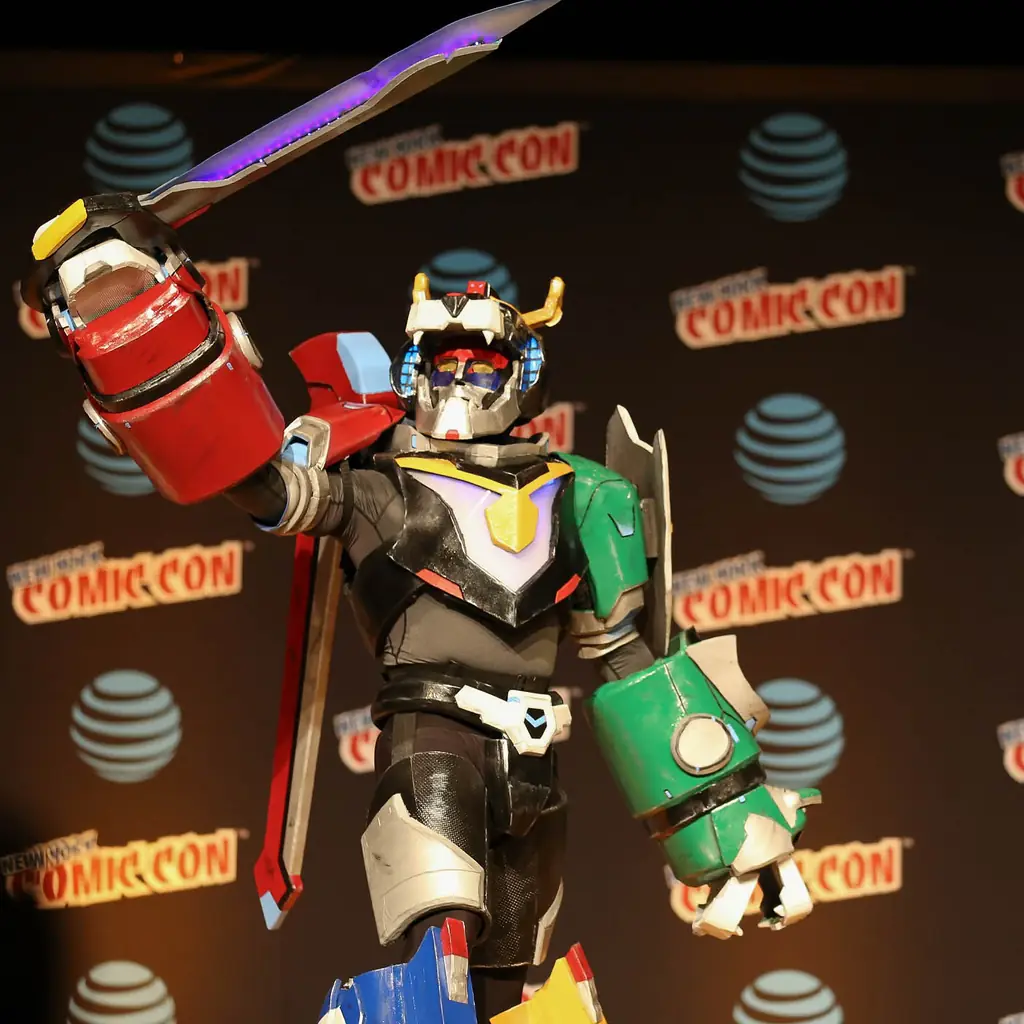
Voltron: Defender of the Universe arrived in 1984. The five lions connecting into one large robot created a sequence viewers could recognize before the battle began.
The vehicle-team stories supplied another form of Voltron. They did not simply replace the paint colors on the same lions.
Combining pieces became physical play through the toy versions of these television robots. A current reboot should be distinguished from the 1984–85 programs.
10. Robotech and the long science-fiction story
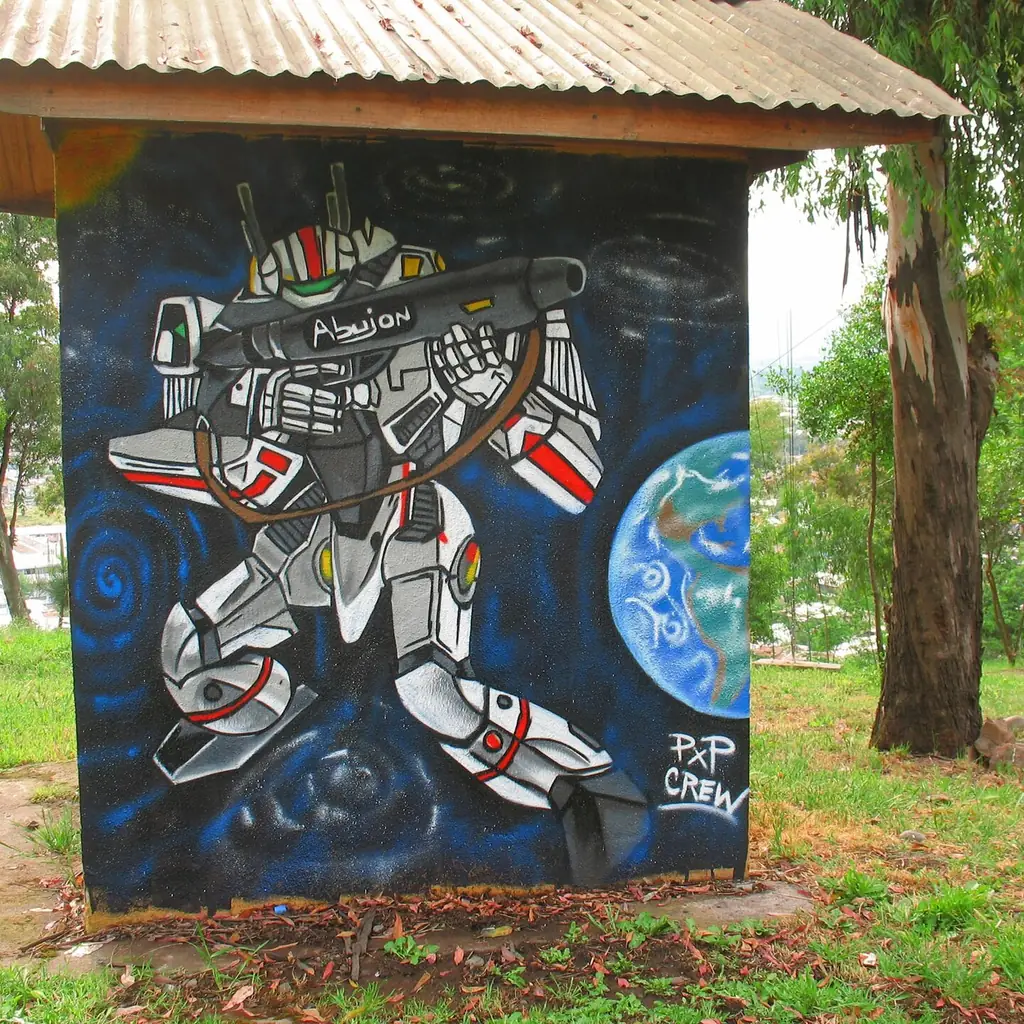
Robotech’s 85-episode television series was completed in 1985. It joined material from separate Japanese productions into a connected English-language story.
Fighter aircraft, transforming machines and ongoing relationships gave it a different shape from a brief cartoon battle. The series asked viewers to follow events over time.
The English adaptation has its own production history. Calling every segment “Macross” leaves out the other Japanese material used to build Robotech.
11. Tranzor Z and the piloted robot
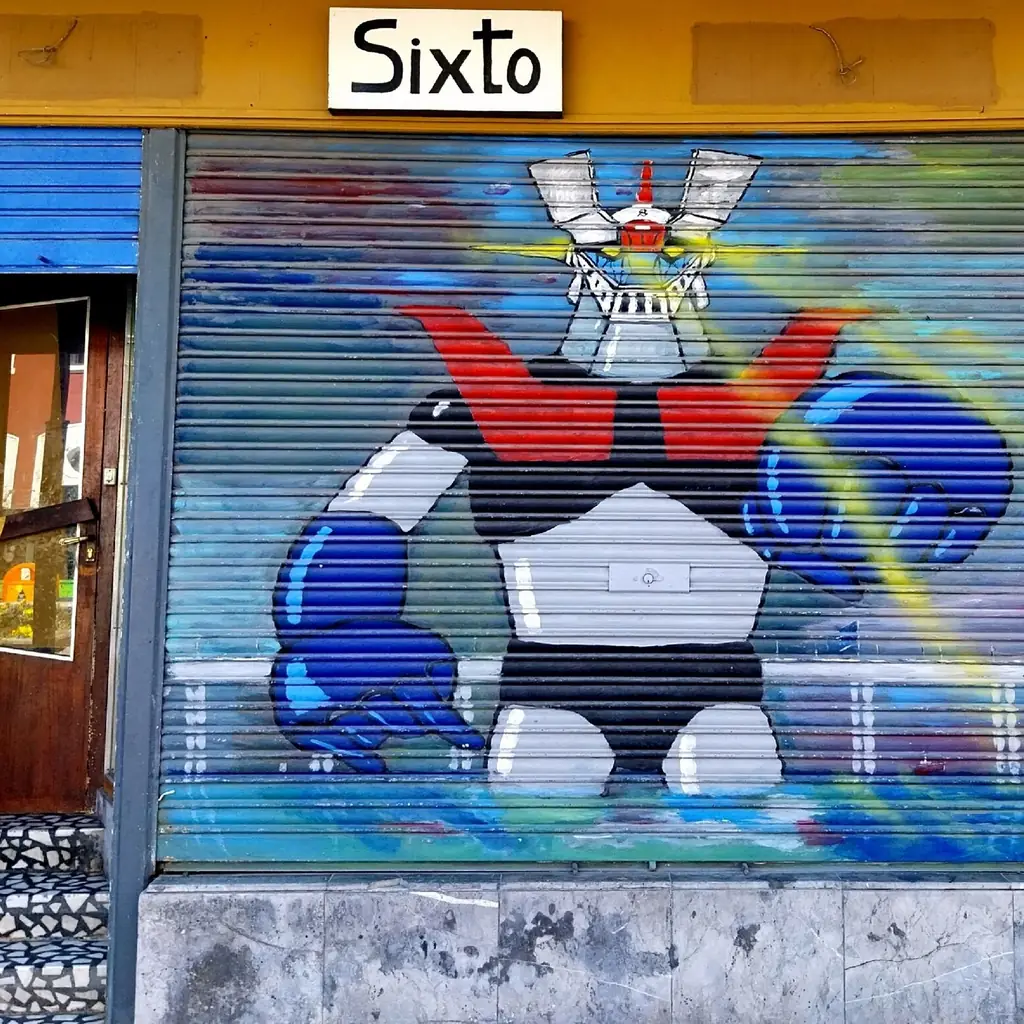
Tranzor Z brought material from the Mazinger robot series to American television in the 1980s. The central machine was controlled by a human pilot.
The robot’s size, cockpit and named attacks made machinery part of the drama. It belonged to the robot-adventure tradition rather than a story about an autonomous household helper.
The same broad fascination appears in our guide to period robot toys, although the American TV title was not the original Japanese title.
12. Ultraman in live action
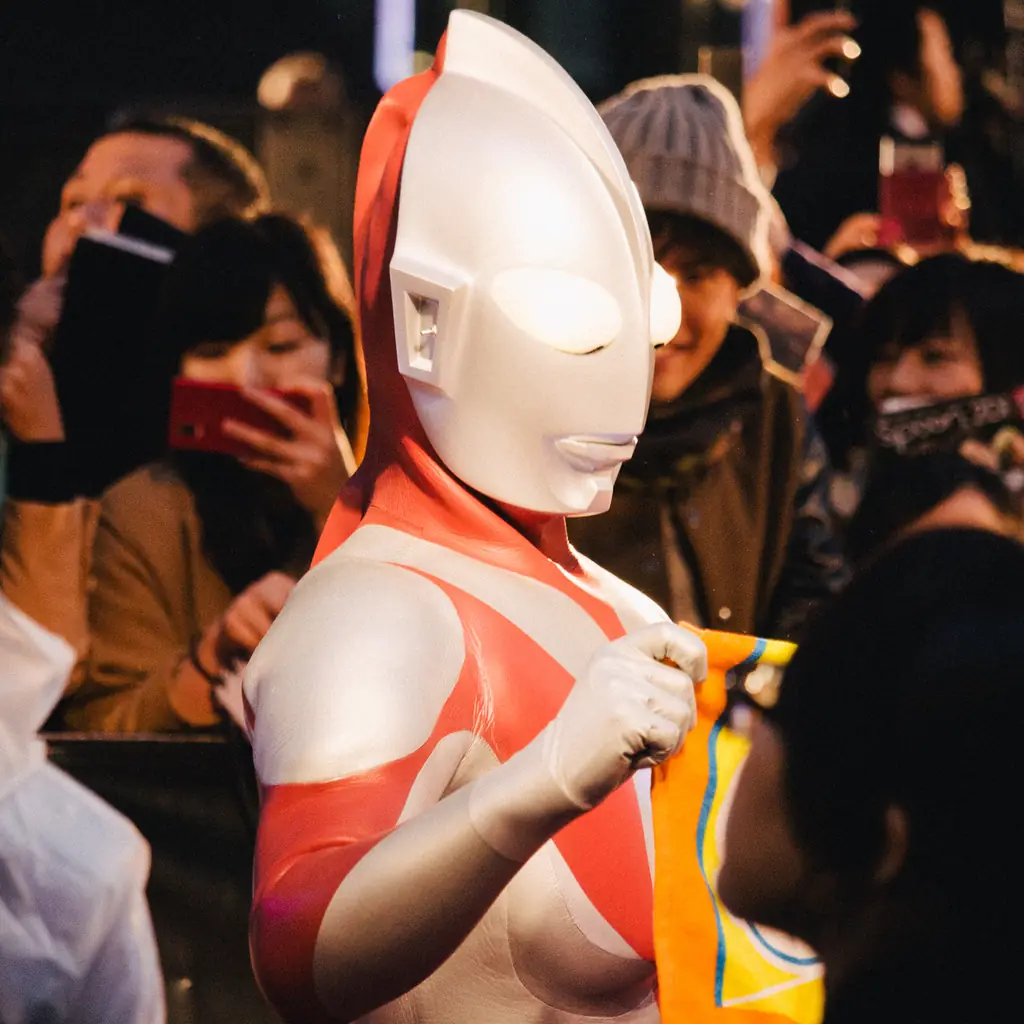
Ultraman premiered in Japan in 1966, and an English-dubbed version later entered American syndication. The silver-and-red giant fought monsters in live-action miniature settings.
Actors, costumes and model buildings produced the spectacle. This was not animation, even if a local station placed it next to cartoons.
A 1977 Indiana television listing places Ultraman in the afternoon lineup. That is specific evidence of one market’s schedule, not proof that every American station carried it.
13. Johnny Sokko and His Flying Robot
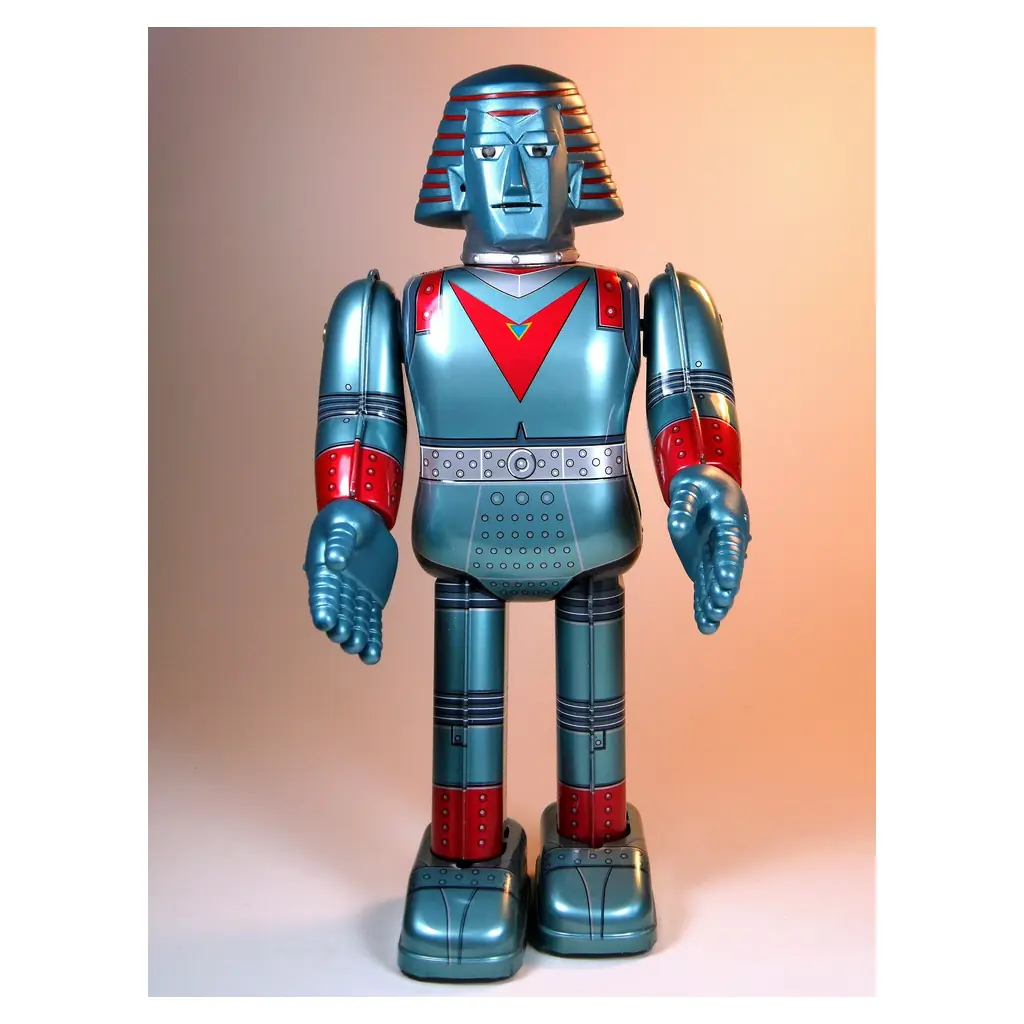
Johnny Sokko’s enormous robot gave its young human companion an extraordinary form of help. The show used live-action performers and miniature effects.
A 1977 newspaper schedule lists Johnny Sokko on Tuesday and Thursday in the slot otherwise occupied by Ultraman. The alternation could make two separate productions part of one after-school habit.
For a different overseas television experience, see the FEN broadcasts remembered around U.S. bases in Japan.
14. The Space Giants after school
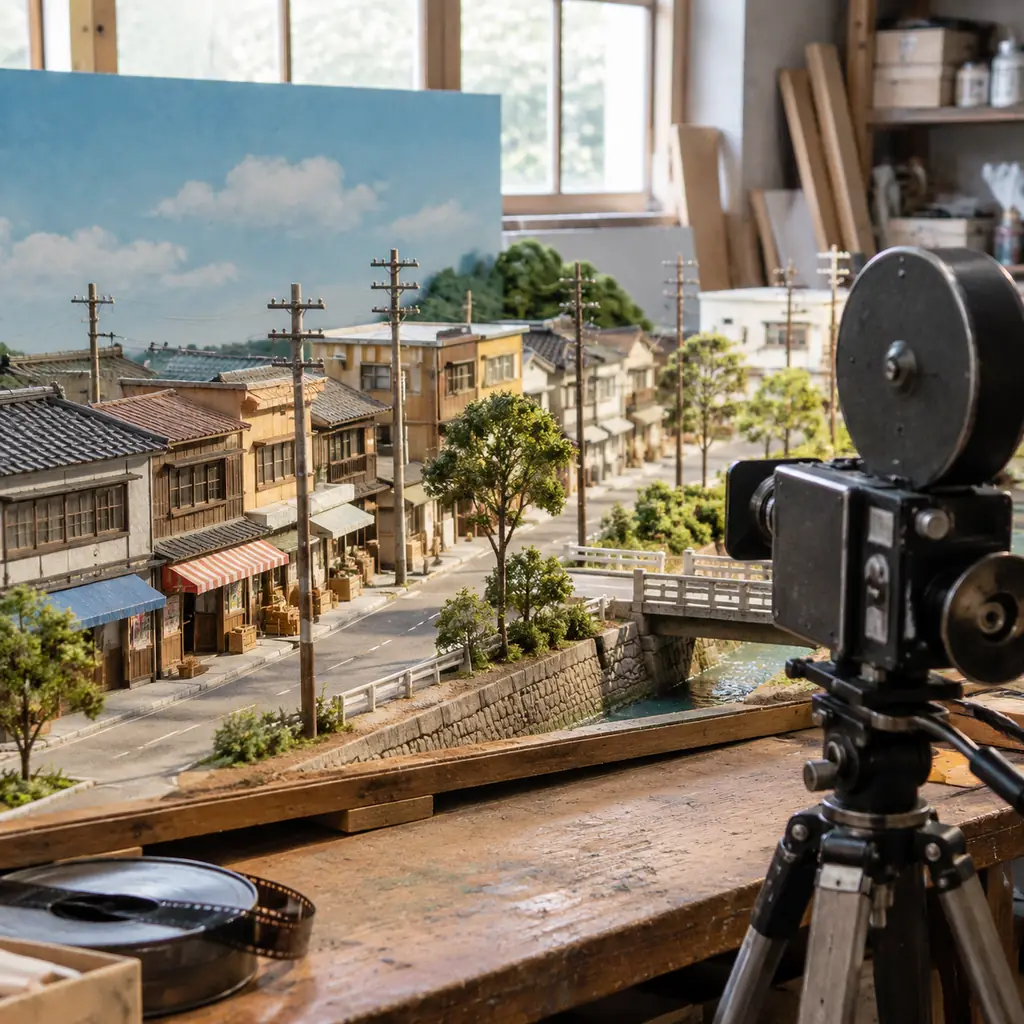
The same 1977 television schedule lists Space Giants at 4 p.m. The program’s transforming giants and live-action family adventure offered another route into Japanese screen fantasy.
Its title was distinct from the animated space-war shows that arrived later. Memories can blur the categories when programs shared a station or time of day.
The newspaper supplies a date and place for the viewing opportunity. It does not tell us how many families watched or how each child responded.
15. Saber Rider and the Star Sheriffs
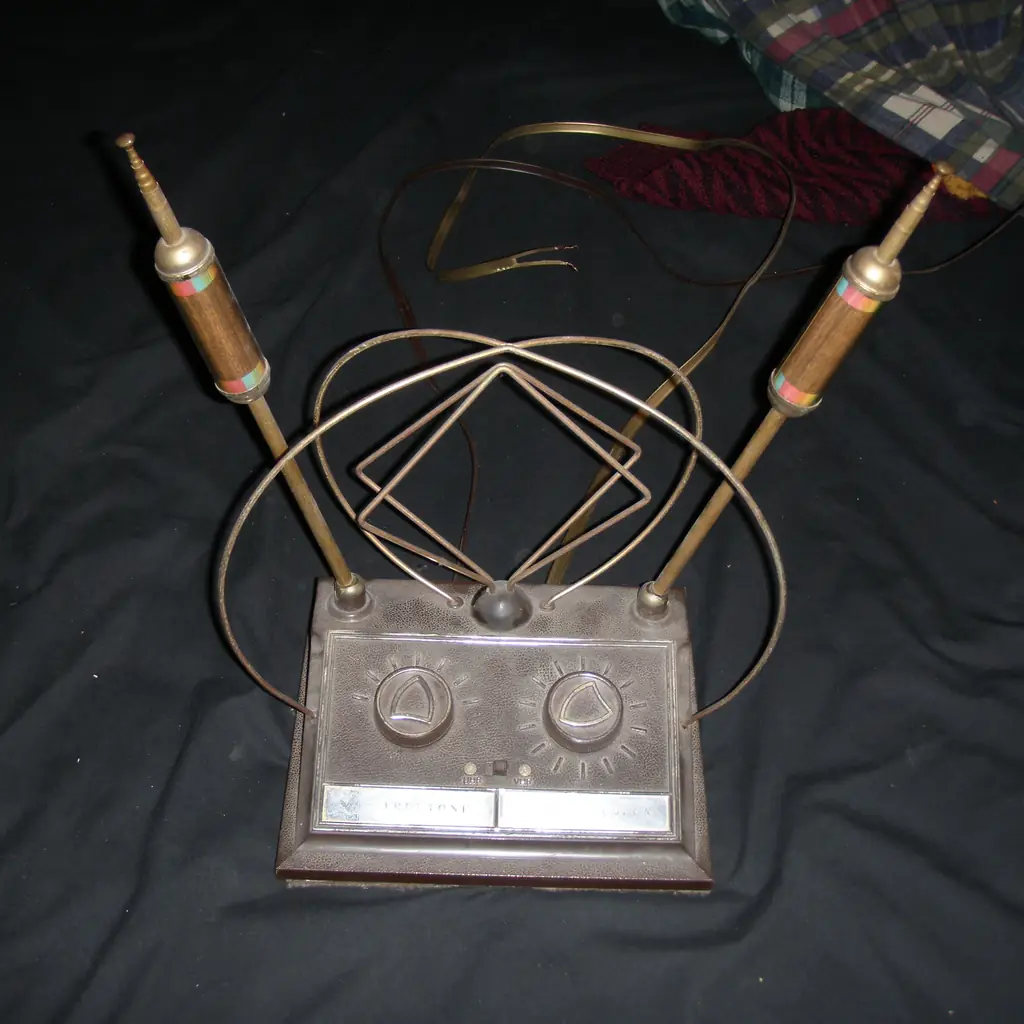
World Events Productions followed Voltron with Saber Rider and the Star Sheriffs. Its anime-western setting combined frontier imagery with futuristic machines.
The mixture made room for a familiar cowboy outline inside a science-fiction adventure. A viewer did not need to know the source production’s title to recognize the team.
Television was only one route for Japanese popular culture; small gifts and household keepsakes could carry it home without a broadcast.
16. Adventures of the Little Koala
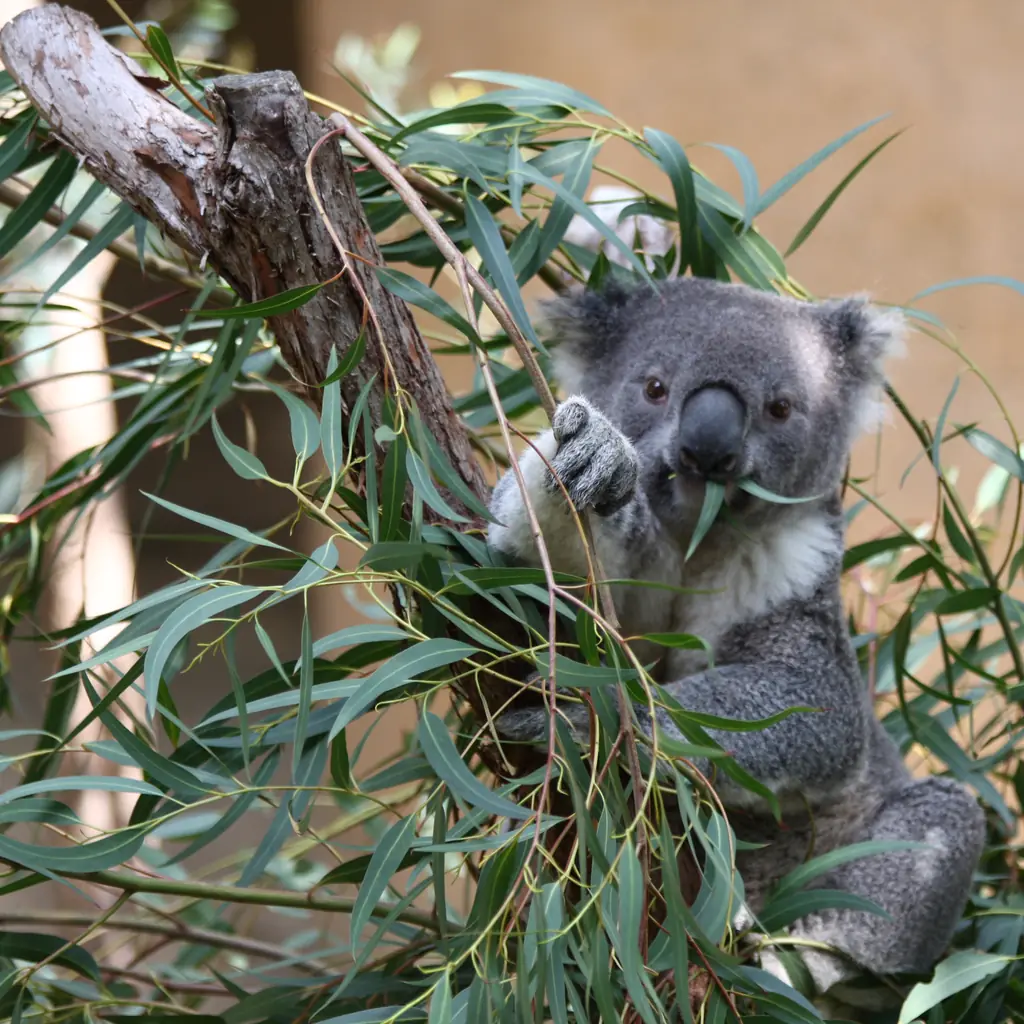
Adventures of the Little Koala reached Nickelodeon in 1987. Its animal community offered a gentler setting than the giant-robot shows.
Roobear and the other characters lived in a world of ordinary misunderstandings and small adventures. The Australian-looking setting did not mean the animation originated in Australia.
This is an example of how a Japanese production could reach children without an obvious Japanese location or a machine-centered story. The English presentation added another layer to that journey.
17. Noozles and the koala visitors
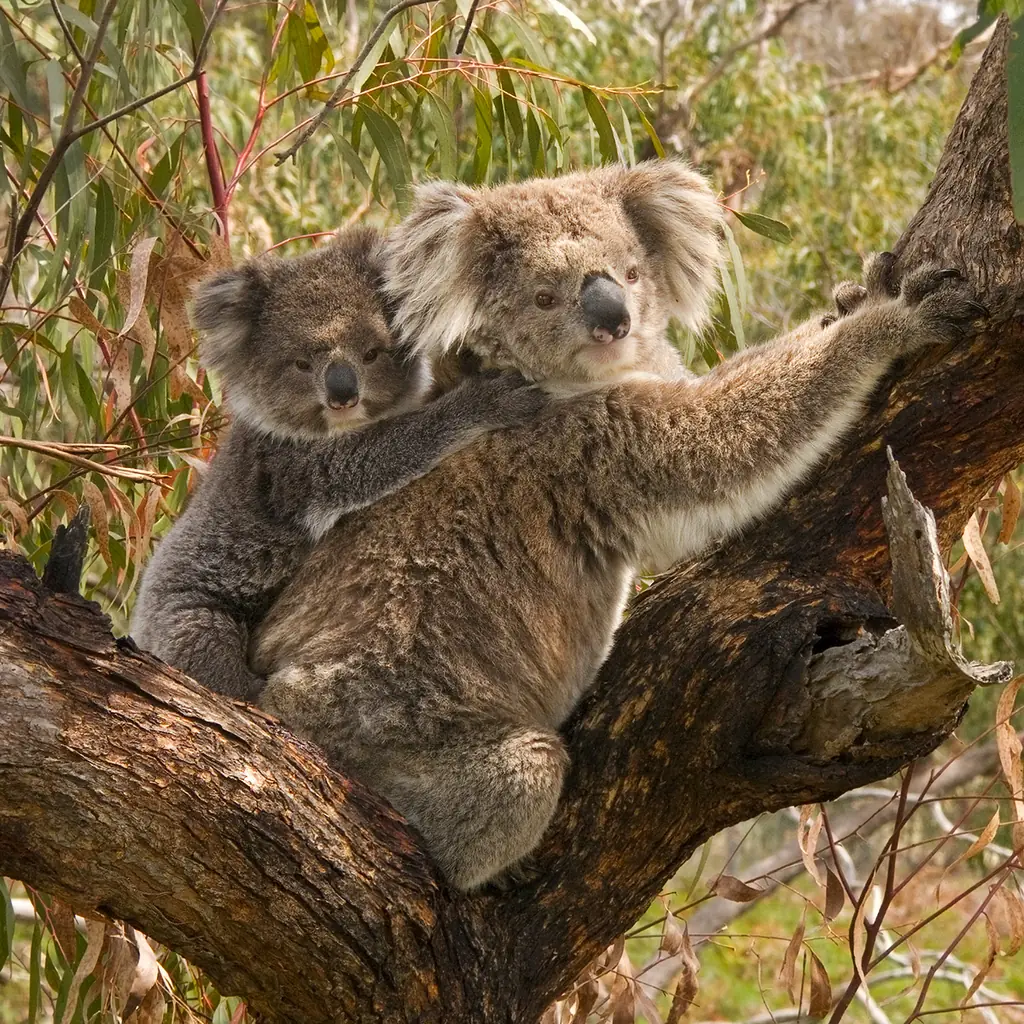
Noozles reached Nickelodeon in late 1988. The story connected a human girl with unusual koala companions and a world beyond everyday life.
It was a separate production from Adventures of the Little Koala, despite the shared animal and the cable-channel connection. Remembering two koala shows does not make them one series.
The late-80s date matters here. Neither show should be inserted into an earlier 70s broadcast memory merely because the characters now look old-fashioned.
18. Grimm’s Fairy Tale Classics
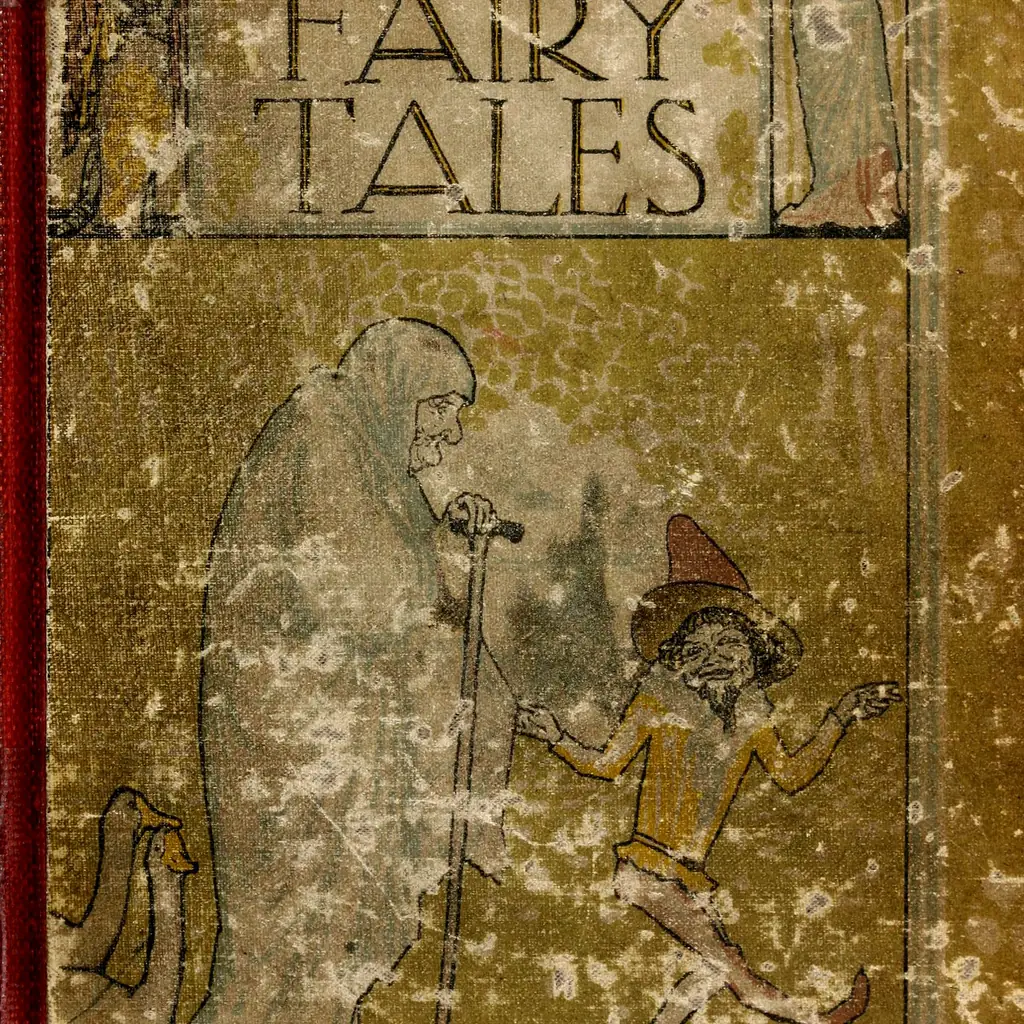
Nippon Animation adapted familiar fairy tales into an animated anthology. Its English-language cable broadcasts reached American children toward the end of the 1980s.
A viewer could recognize Cinderella or Hansel and Gretel before noticing anything about the production’s country of origin. The format made each story a new point of entry.
The broader Japanese connections in food and restaurant memories worked similarly: an everyday experience could become familiar before its history was understood.
Sources and further reading
- tatsunoko.co.jp
- tezuka.co.jp
- papers.iafor.org
- ourstarblazers.com
- macc.bunka.go.jp
- voltron.com
- robotech.com
- ultramanconnection.com
- dmr.bsu.edu
- store.voltron.com
- skooldays.com
- nostalgiacentral.com
- nipponanimation.com
Image credits
- Osamu Tezuka 1951 Scan10008-2.JPG by Unknown authorUnknown author; Public domain. Cropped or fitted to a square, resized and converted to WebP. No subject details altered.
- Tezuka Osamu.JPG by 朝日新聞社; Public domain. Cropped or fitted to a square, resized and converted to WebP. No subject details altered.
- 2014 Dragon Con Cosplay - Mark Battle of the Planets (15120964421).jpg by Amy from United States; CC BY 2.0. Cropped or fitted to a square, resized and converted to WebP. No subject details altered.
- Robotech (12242668623).jpg by order_242 from Chile; CC BY-SA 2.0. Cropped or fitted to a square, resized and converted to WebP. No subject details altered.
- Baracaldo - Mazinger Z.jpg by Zarateman; CC0. Cropped or fitted to a square, resized and converted to WebP. No subject details altered.
- Medicom Toy – Nostalgic Future Series 04 – Giant Robo (ジャイアント・ロボ) – Front.jpg by D J Shin; CC BY-SA 3.0. Cropped or fitted to a square, resized and converted to WebP. No subject details altered.
- Photo: Leif Jørgensen / Wikimedia Commons, CC BY-SA 4.0
- Photo: DurbeK82 / Wikimedia Commons, CC0
- Photo: hmvh / Wikimedia Commons, CC BY-SA 4.0
- Photo: Daniel Christensen (talk) / Wikimedia Commons, CC BY 3.0
- Photo: Robert Anning Bell / Wikimedia Commons, Public domain
- Photo: Rennett Stowe from USA / Wikimedia Commons, CC BY 2.0
- Photo: Benjamint444 / Wikimedia Commons, CC BY-SA 3.0
- Photo: Richie S from Brooklyn, NY, United States / Wikimedia Commons, CC BY 2.0
- Photo: Dick Thomas Johnson from Tokyo, Japan / Wikimedia Commons, CC BY 2.0