By
A base childhood in Japan could combine an American school day with a world outside the gate that felt very different. These dated accounts describe particular families and schools in the 70s or 80s; Okinawa, Misawa and Yokota were not interchangeable experiences.
1. Arriving to unfamiliar weather and aircraft
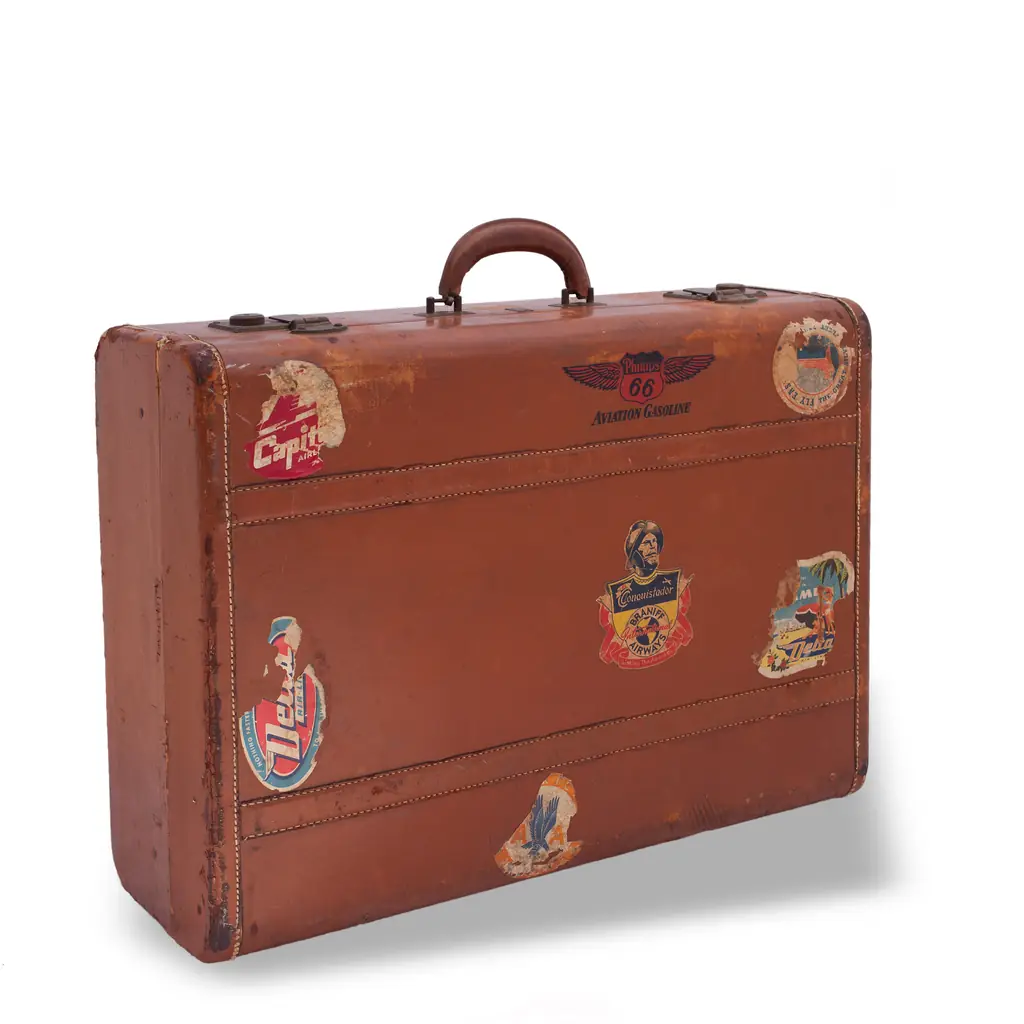
A serviceman’s account of arriving at Yokota in June 1973 describes an overcast, humid day and transport aircraft on the flight line. He also recalls helping a young mother gather her children’s belongings.
That small scene places family travel beside military operations. An overseas arrival involved luggage, tired children and practical help as well as official orders.
The narrator was an adult, not one of those children. His account documents the setting without supplying their unrecorded feelings.
2. A school that had just opened
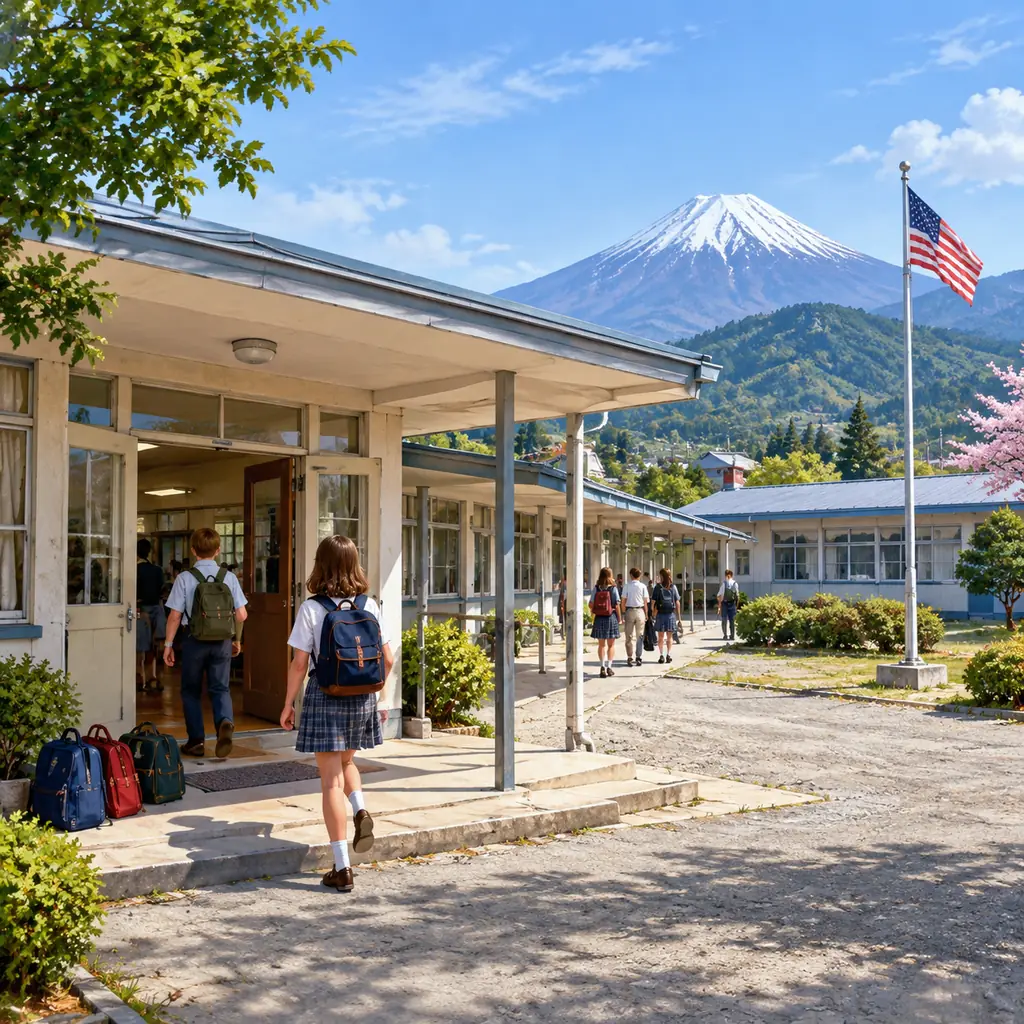
Yokota High School opened in September 1973. Students from several existing American schools in the Tokyo area became part of its new community.
For those pupils, a new school could mean reorganized friendships as well as new classrooms. The American school system was changing around them.
The date also helps identify a family memory. Someone who left Japan before that opening did not attend the later Yokota High campus under that name.
3. A campus arranged in separate buildings
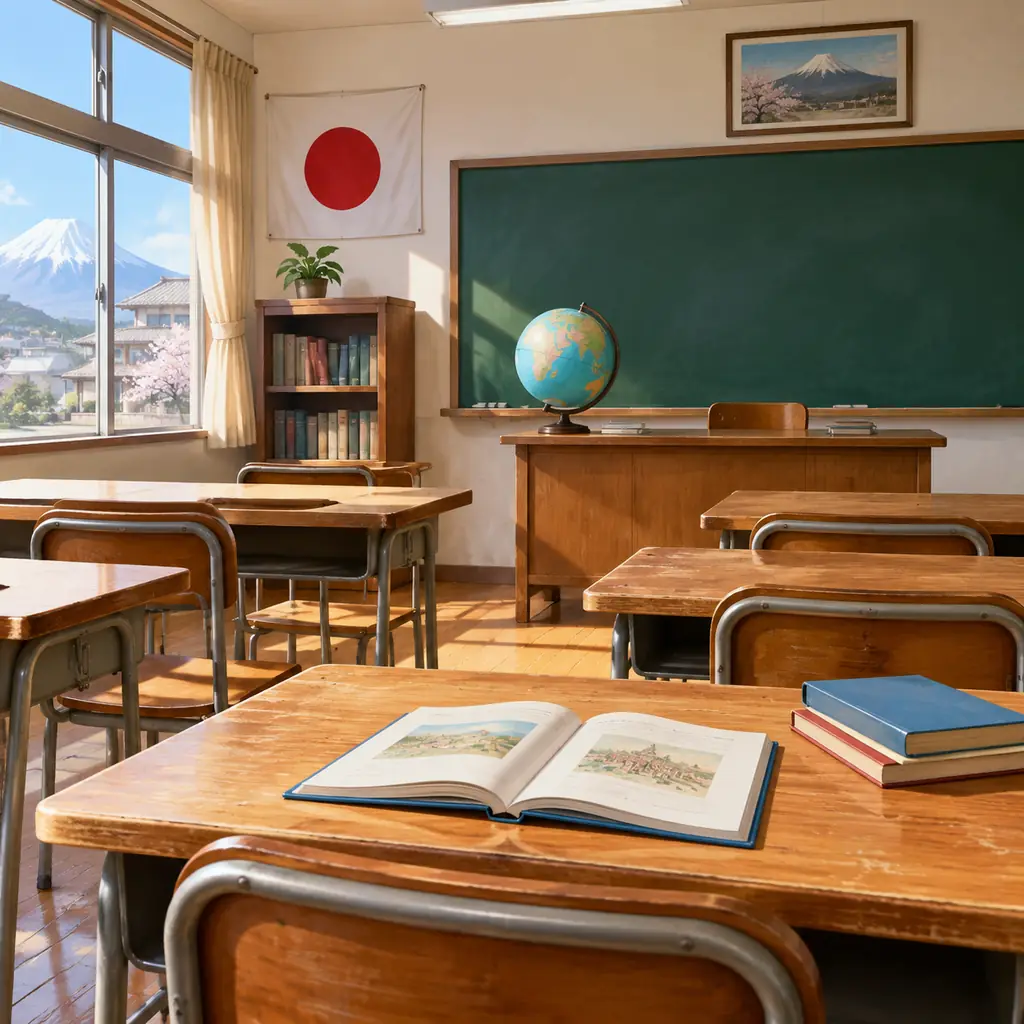
The early Yokota High campus included modular buildings, a gym and a cafeteria. Its layout differed from a single school building with one central hallway.
Moving between classes was part of learning the campus. School memories could attach to a particular path or building as readily as to a teacher.
A school name could outlast its original buildings. Graduates from different years might recognize the name while picturing quite different classrooms.
4. American subjects a long way from America
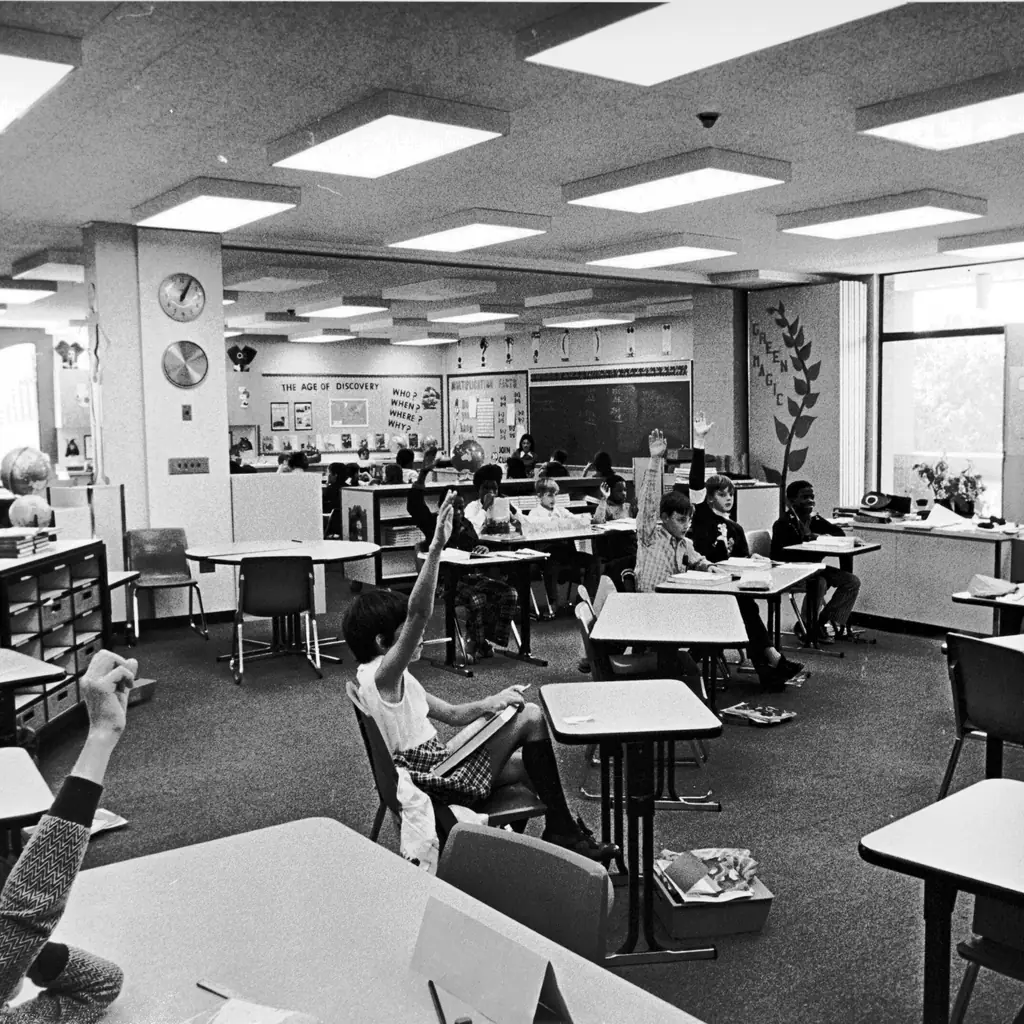
Yokota’s school history lists music, art, drama, home economics and other specialist teaching spaces. For 1981–82, the school offered more than 100 courses.
The program supplied familiar educational choices in an overseas setting. The classroom did not cease to be an American school because its address was in Japan.
Music rehearsals, drama productions and practical classes offered pupils different ways to find a place in the school. The range of courses is a reminder that overseas schooling involved ordinary interests as well as an unusual address.
5. Basketball in the street
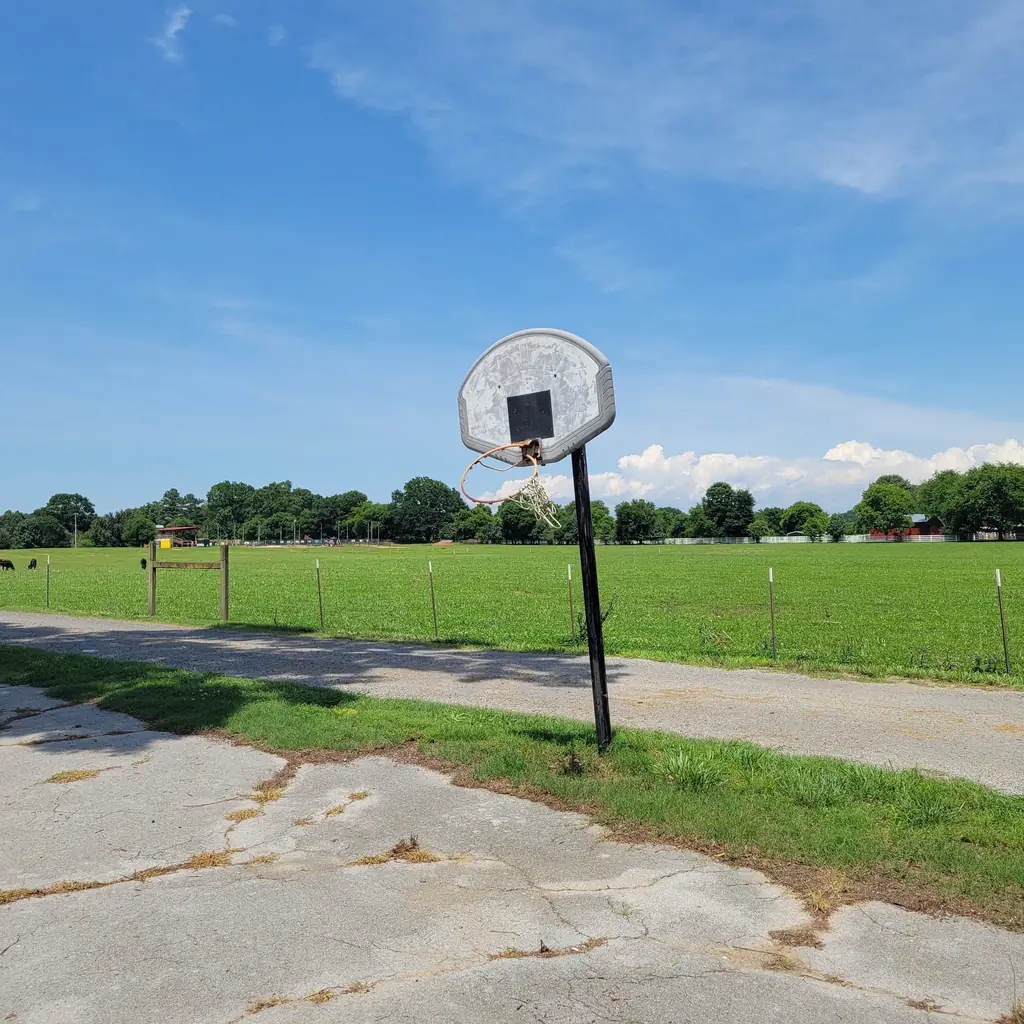
At a 2023 Yokota reunion, William Lee recalled playing street basketball during his 1973–77 school years. He remembered a tiny Honda car approaching with a sound the children initially mistook for a motorcycle.
The scene combines an ordinary game with a small surprise from its surroundings. It is more revealing than a claim that every moment overseas felt exotic.
Lee’s account remembers a particular interruption to an ordinary game. Small details like that can give a childhood place its character without turning every afternoon into an adventure.
6. Football games and the people around them
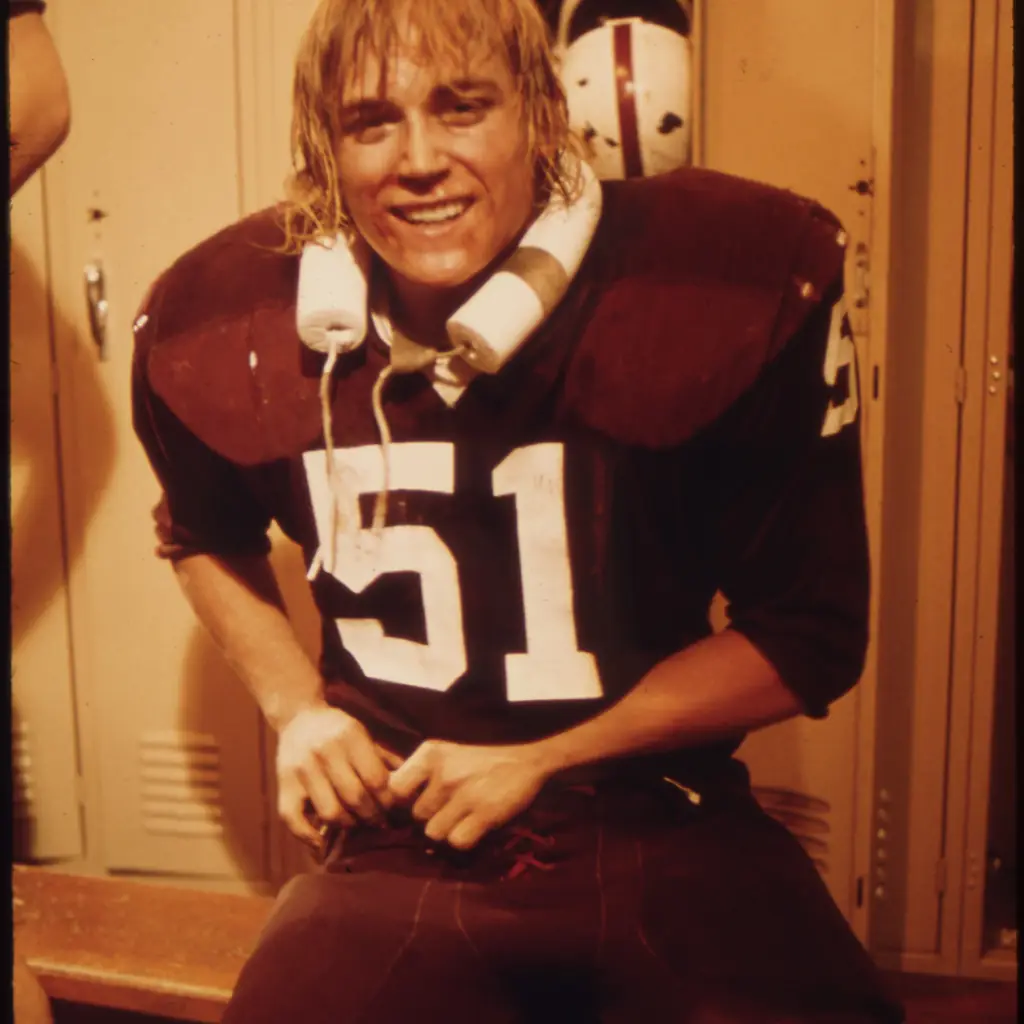
Cindi Thomas, who attended Yokota High from 1973 to 1976, remembered pep club, gymnastics and baking cakes for football players. Her reunion account connects school spirit with practical participation.
The game involved more than the team on the field. Friends, clubs and volunteer work gave other pupils a role.
School sport had its own calendar of games and rehearsals. Alongside the Japanese shows that reached American television, those activities offer another way to place the era’s childhood memories.
7. Bell-bottoms beside military uniforms
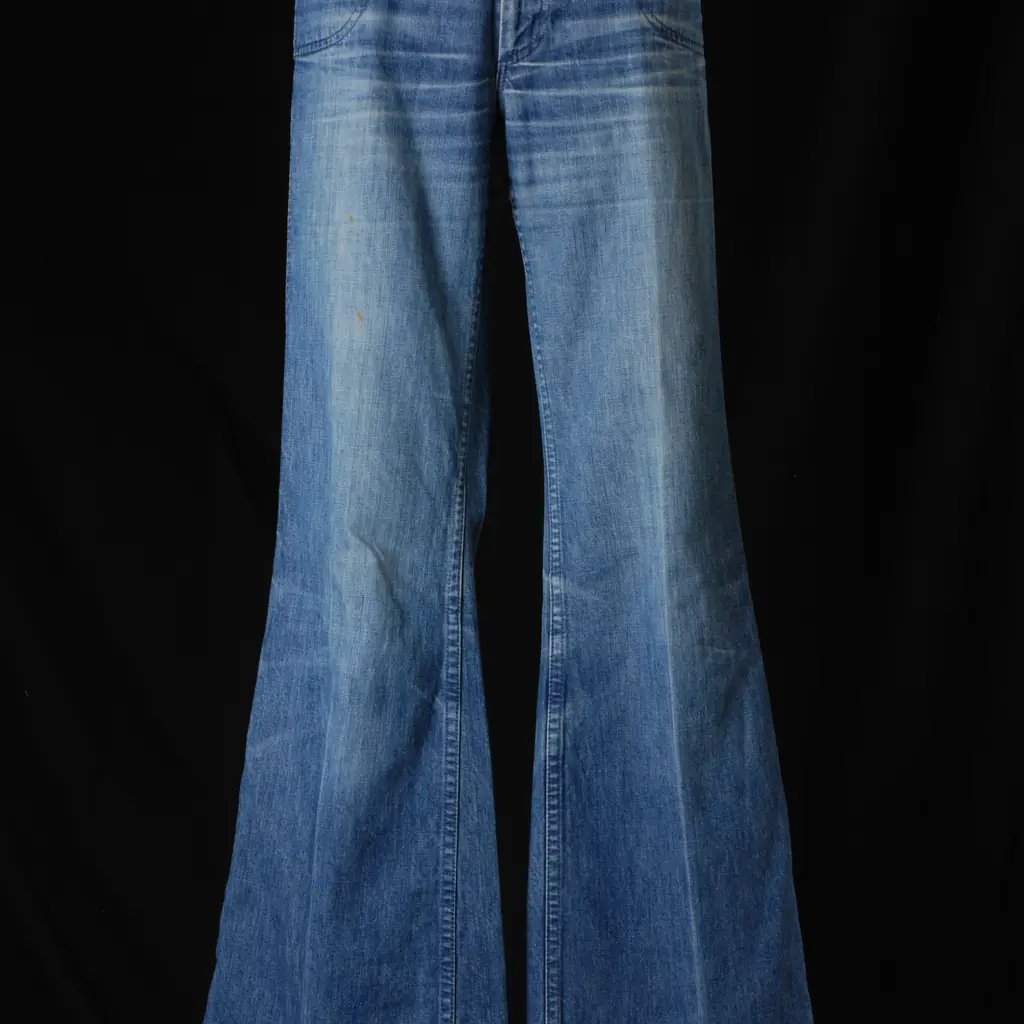
Teacher Anita Burdette-Dragoo’s account of Kubasaki in 1975–77 points to bell-bottom trousers and longer hairstyles in the yearbook. She connects some boys’ hair choices with a wish to look different from nearby servicemen.
Teenagers were negotiating their own appearance inside a military-connected community. Their clothes did not simply copy the adults’ uniforms.
The contrast between school fashion and military dress was visible in the same community. Teenagers could recognize their parents’ working world while choosing a different look for themselves.
8. Quonset-hut classrooms on Okinawa
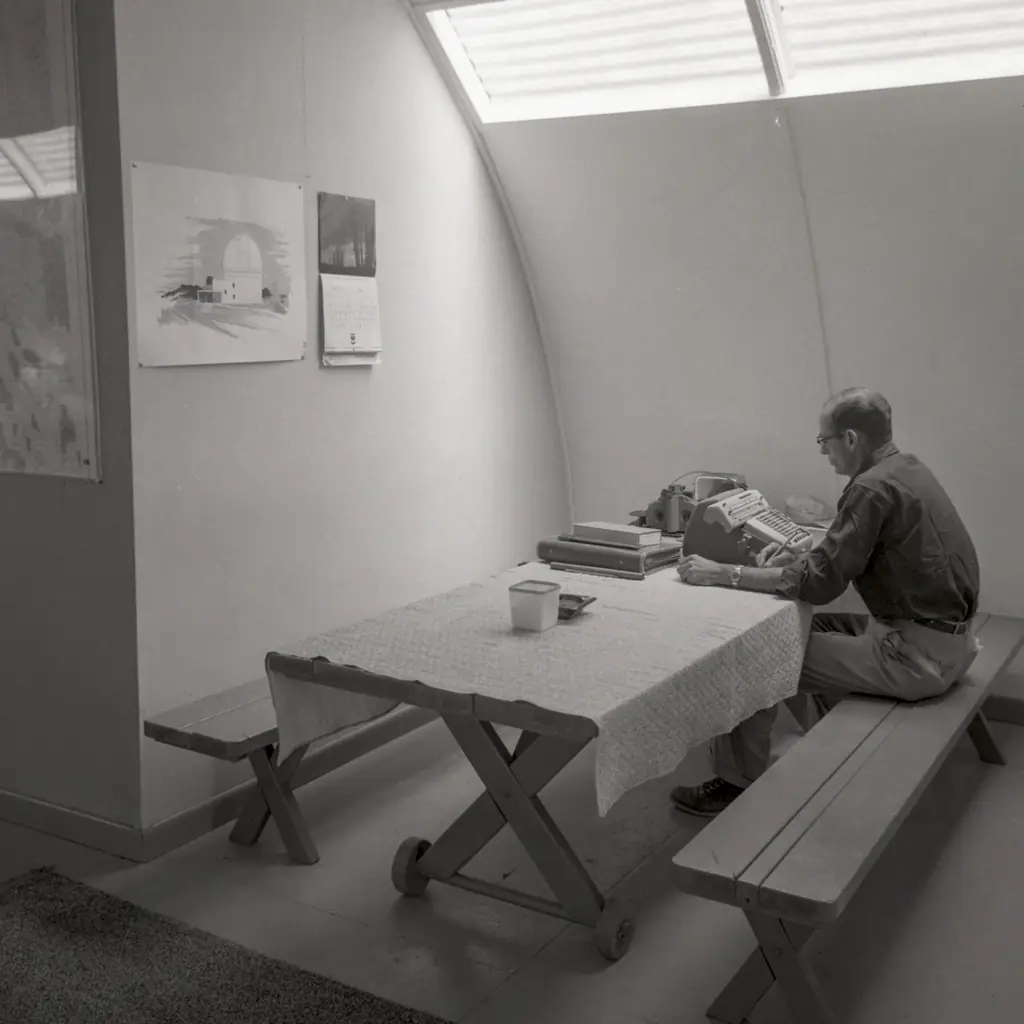
Burdette-Dragoo describes Pacific Middle School’s early-70s classrooms in separate Quonset huts raised on concrete-block walls. Open doors let ocean breezes pass through.
Those buildings gave school a distinctive physical setting. Rainy transitions between rooms were different from walking down an enclosed hallway.
The memory pairs well with the objects families later carried home: a place can remain vivid through ordinary details rather than only through a souvenir.
9. Typhoon conditions changing the school day
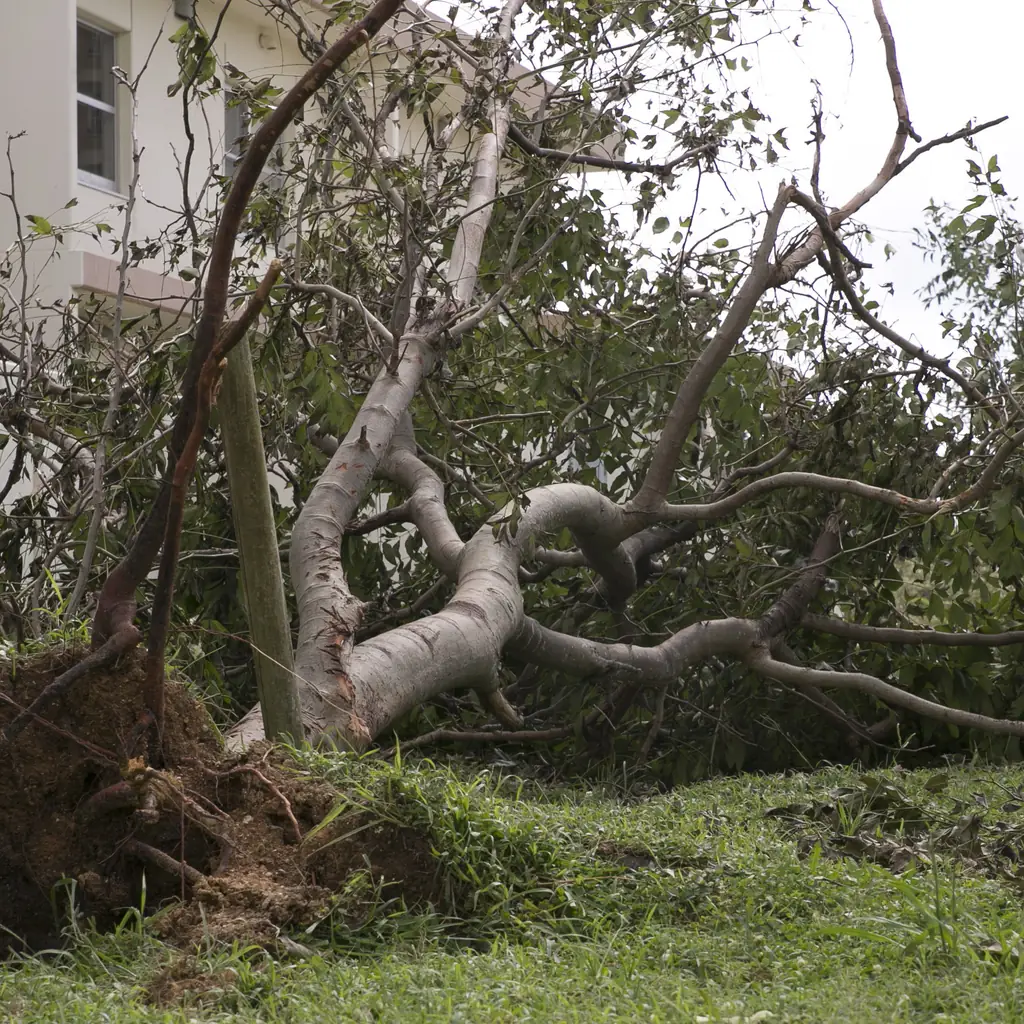
In the same Pacific Middle account, approaching typhoons affected when students and teachers were dismissed. Families prepared food, water and flashlight batteries.
A storm warning could interrupt a normal week before the worst weather arrived. Waiting indoors then became part of the household routine.
Classwork, preparations and the wait for changing conditions could become parts of the same storm memory. This was a disruption to family life as well as to the timetable.
10. Water rationing during a difficult summer
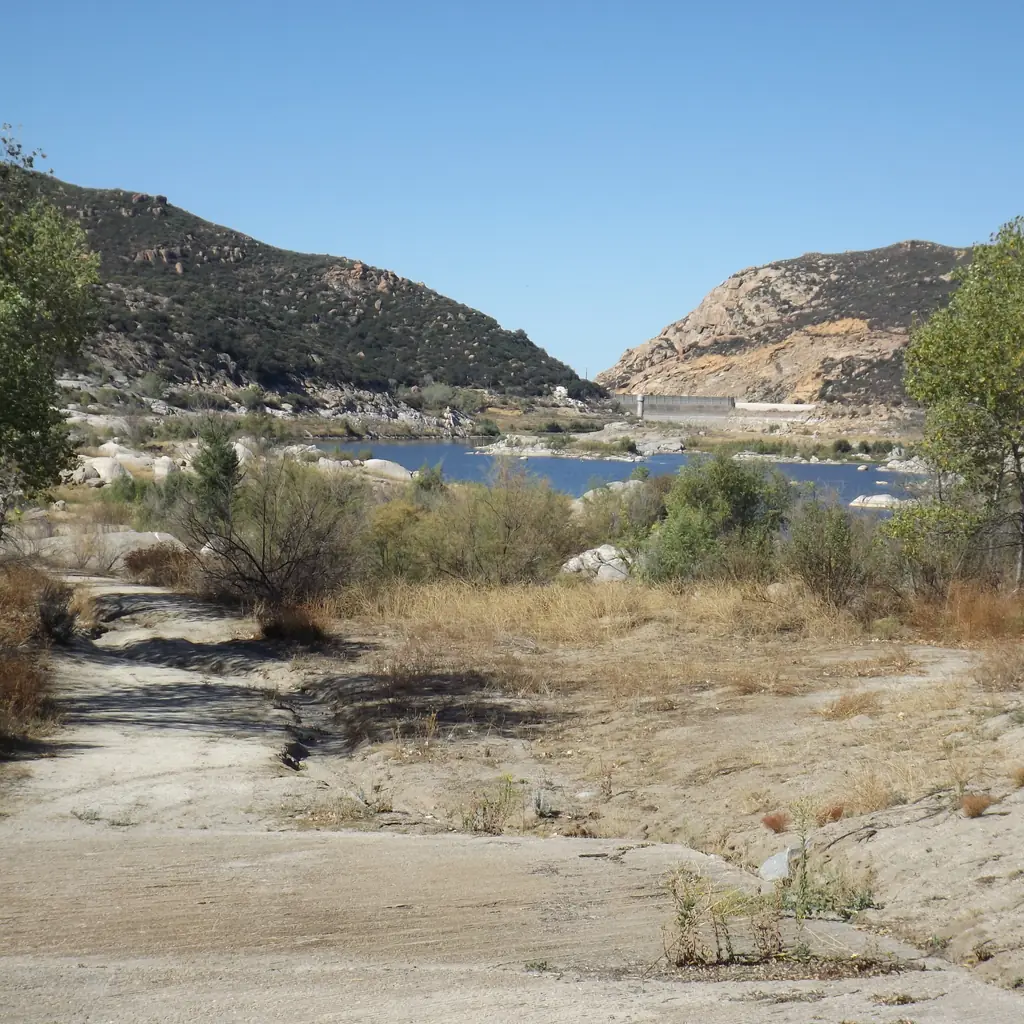
The Pacific Middle teacher also remembers summers with alternating days of water availability. She describes rain barrels on American homes.
A household had to think about water before turning a tap. That practical constraint could coexist with the remembered beauty of the island.
It is a useful correction to an entirely carefree nostalgia story. Conditions varied, and a family’s experience depended on the year and where it lived.
11. FEN as the familiar broadcast name
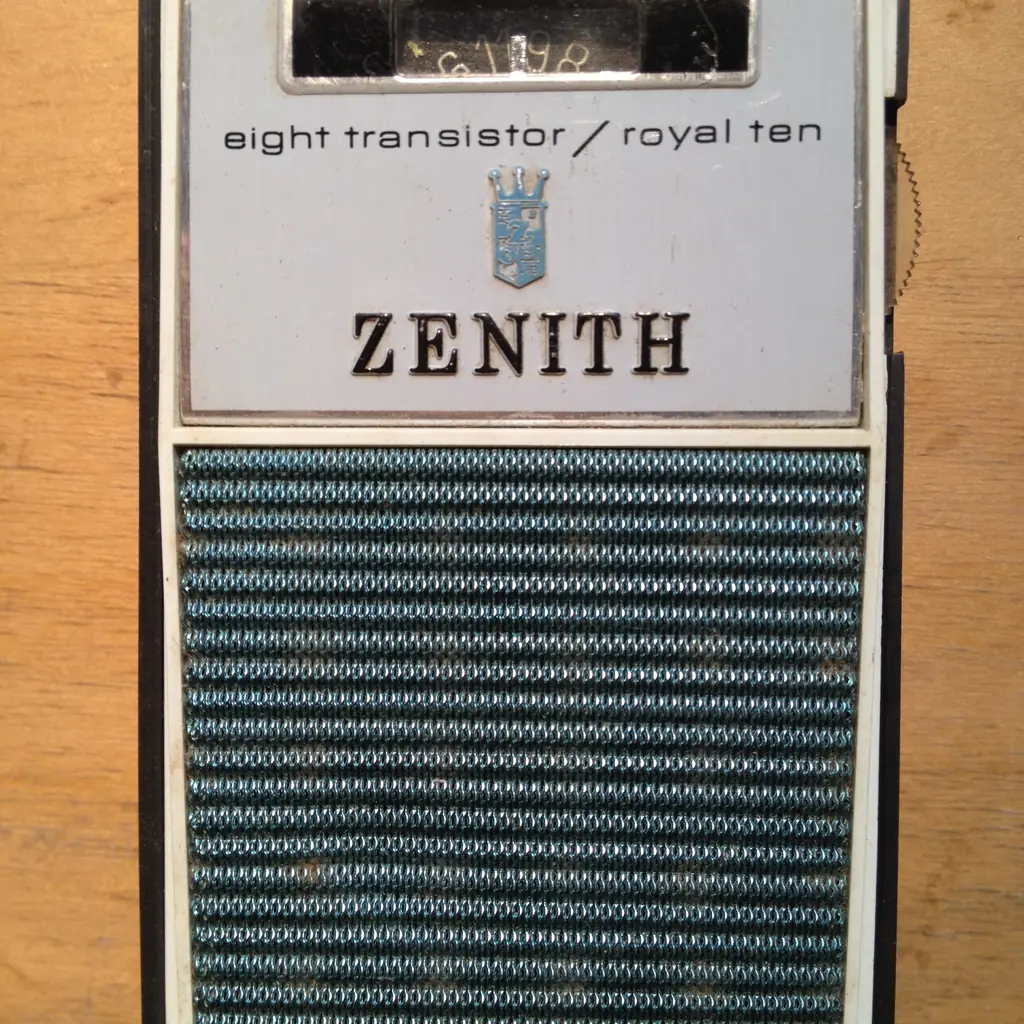
During the 70s and 80s, the military broadcast service in Japan was known as the Far East Network, or FEN. The AFN name came later, in 1997.
A family’s viewing and listening depended on what that service and local stations offered. The schedule was not simply an American cable package transported overseas.
The recorders in our period-electronics article changed how programs could be kept, but they did not create more broadcast channels.
12. Christmas Lane at Misawa
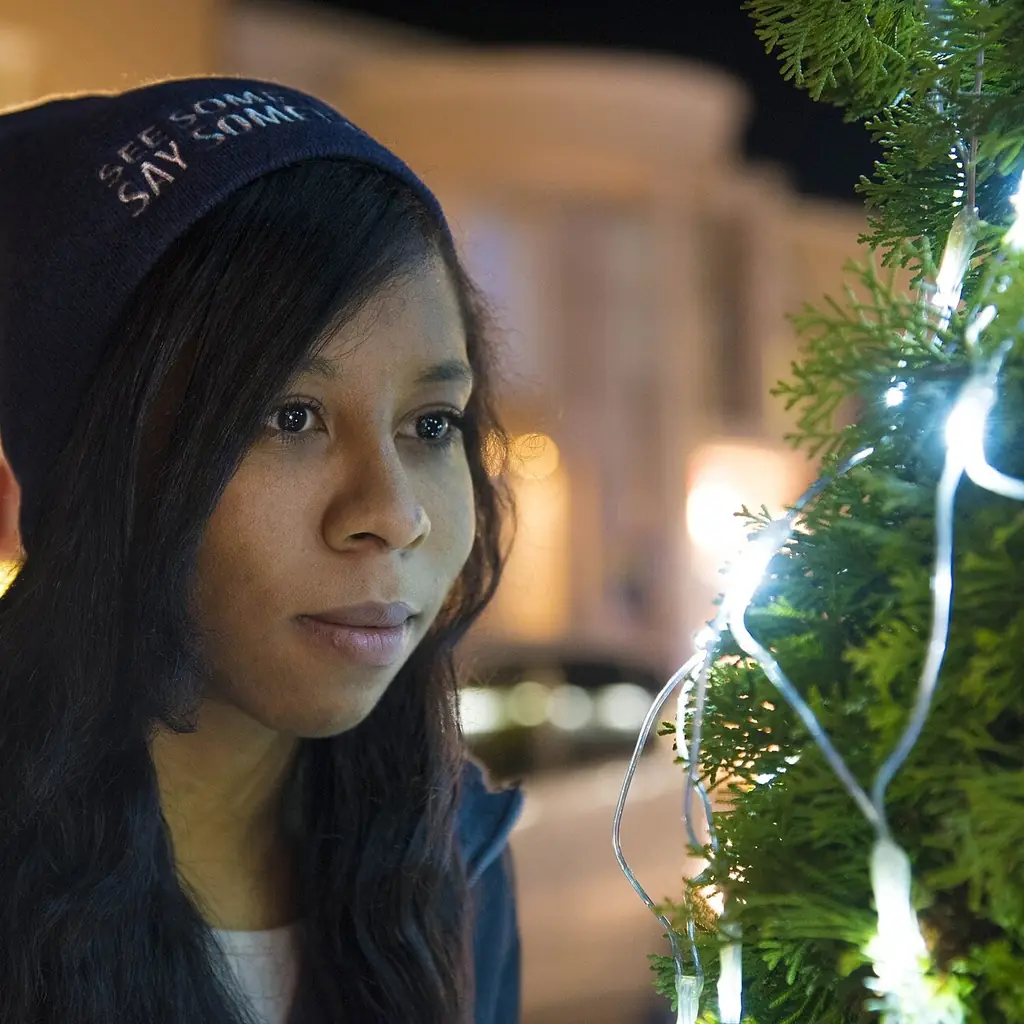
Misawa’s official history traces the name Christmas Lane to 1961 and says the name remained in use through the 1980s. Giant holiday cards were part of the display.
The base newspaper first mentioned a headquarters tree-lighting ceremony in December 1980. These details place a familiar American holiday inside one particular overseas community.
Holiday cards and a tree-lighting ceremony supplied recognizable seasonal landmarks. Misawa’s traditions also had their own local history, separate from celebrations at other installations.
13. Housing addresses within one overseas posting
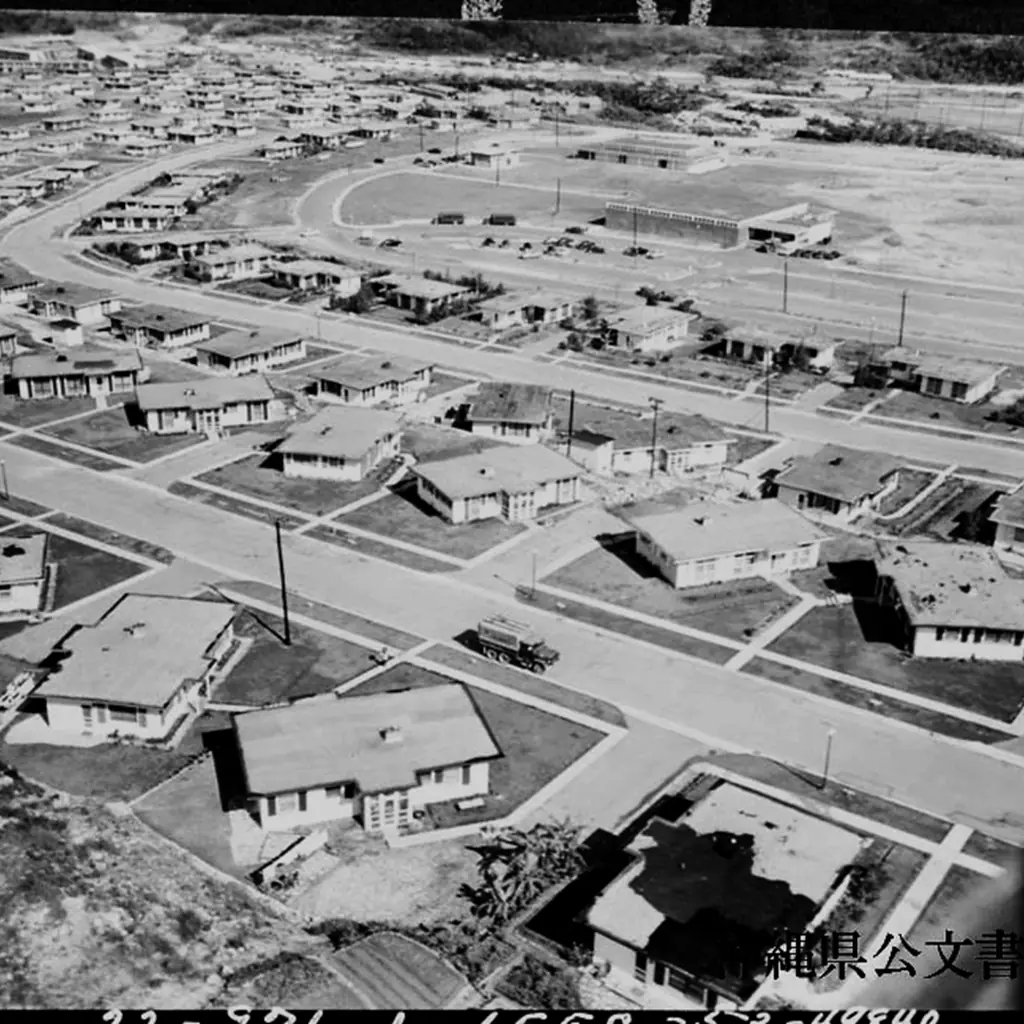
Deanna Charest’s museum-published account dates her father’s Kadena assignment to 1975–80. She records several homes before the family settled in Naha base housing.
A single overseas posting did not necessarily mean one front door. Changes within the island could create separate neighborhoods in a child’s memory.
That distinction matters when comparing foods and places families later missed. The nearest shop or favorite meal could change with the address.
14. Helping with a parent’s uniform
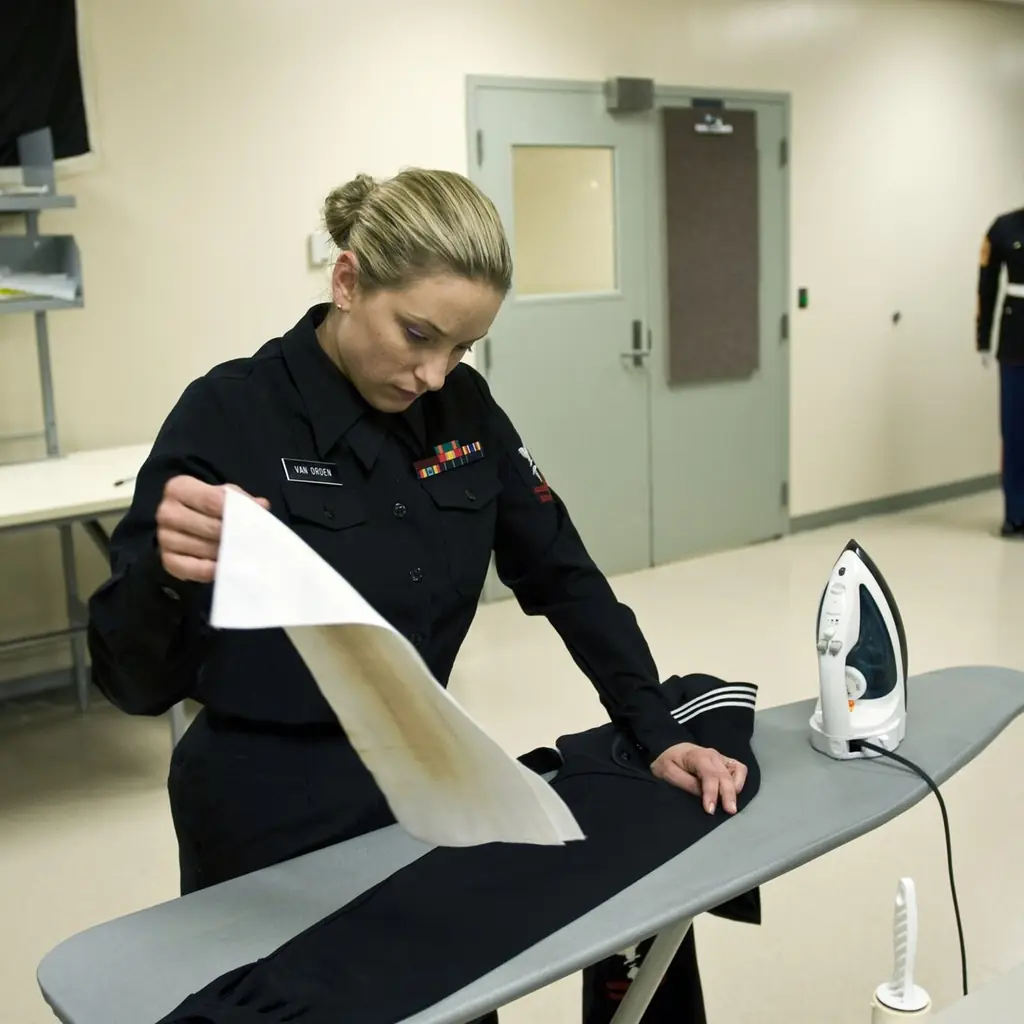
Charest recalls helping iron her father’s fatigues and occasional blue uniform from around age nine. The memory makes military work visible inside the household.
A child might encounter service through practical tasks before understanding an assignment’s larger purpose. Chores also linked the working parent with the family’s day.
This was a household task tied directly to her father’s working clothes. Its place in Charest’s recollection shows how an overseas posting could be remembered through chores as well as outings.
15. The letter saved until the plane left
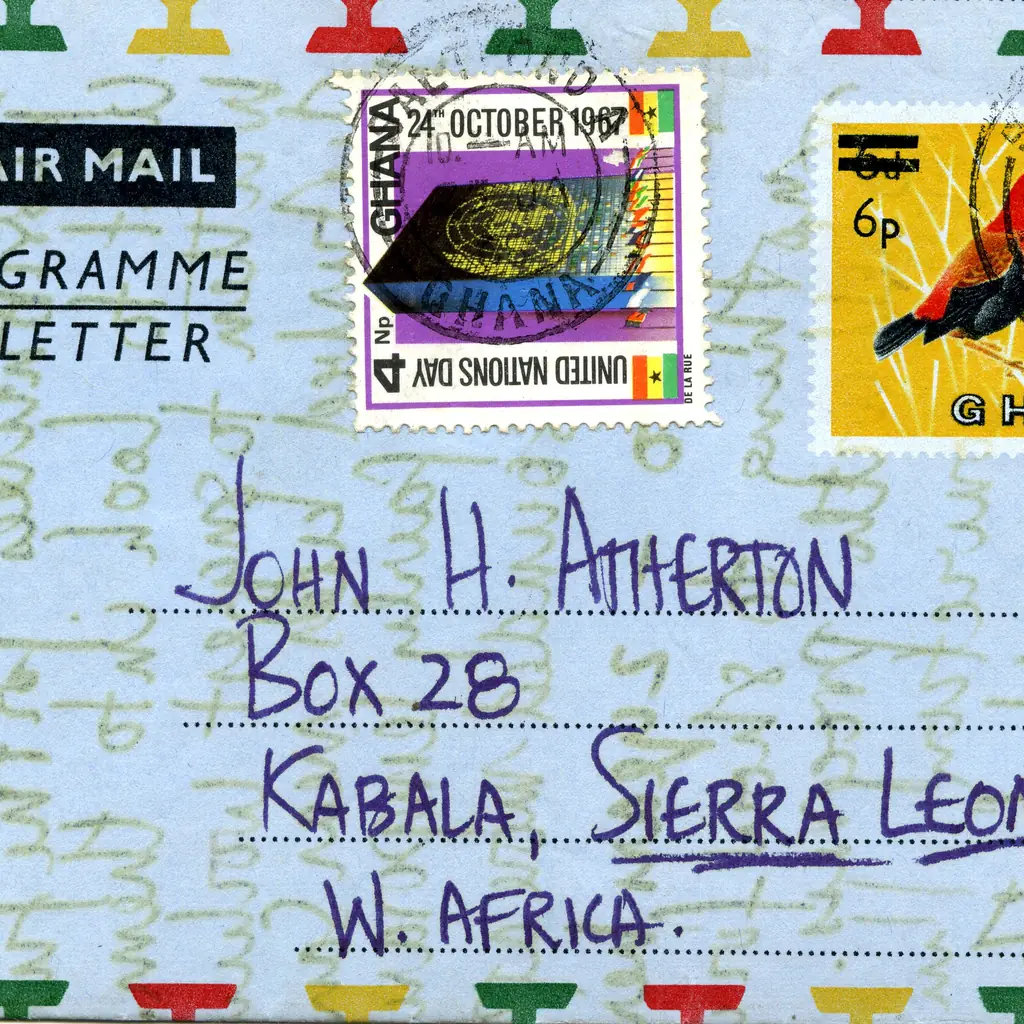
At Kubasaki, Burdette-Dragoo remembers a farewell custom called a plane letter. A departing pupil was meant to wait until the aircraft was in the air before opening it.
The gesture gave a goodbye a final private moment. Some parents also excused children from school to see a friend off.
Such friendships help explain why connections kept after returning home could matter more than any purchased object.
16. Returning stateside and changing schools again
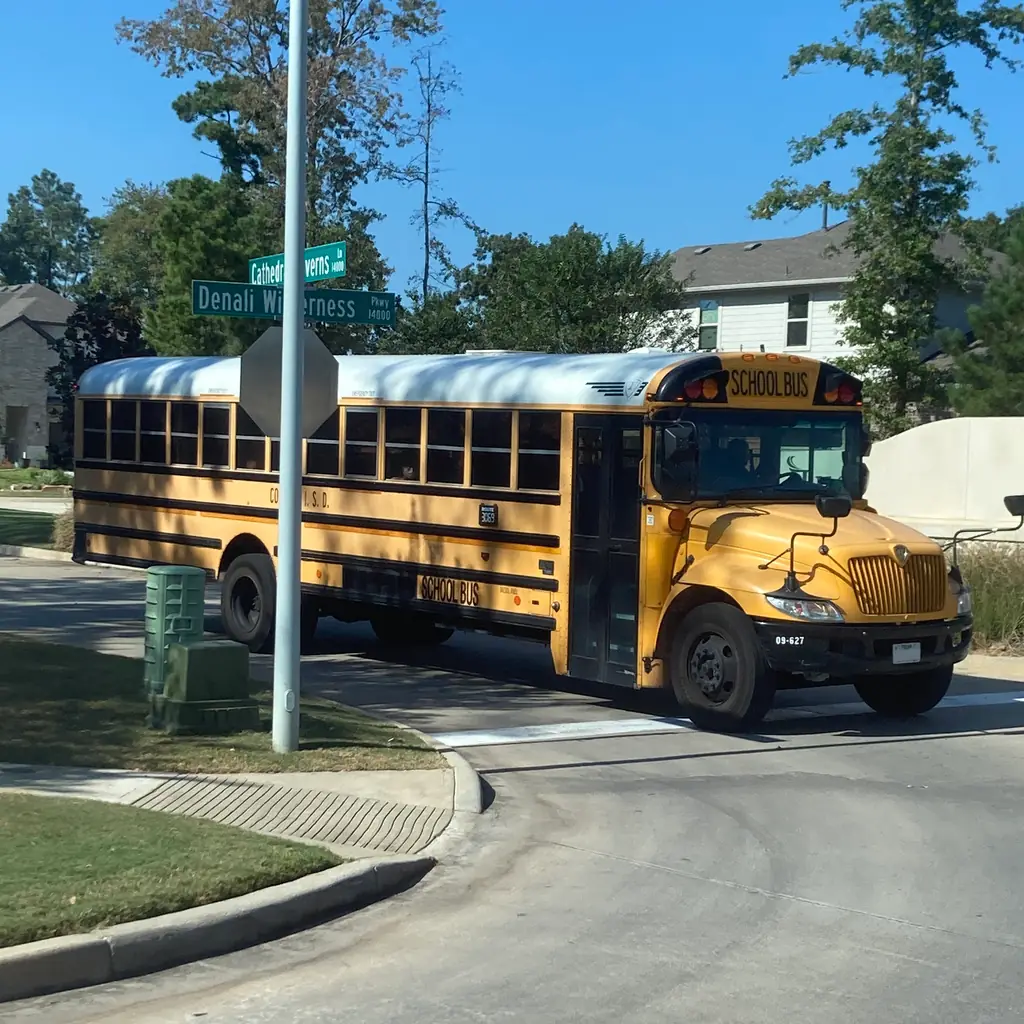
Charest’s account follows Okinawa with Michigan, England and Washington. She attended three high schools before graduating in 1987.
Japan was therefore one part of a longer sequence of homes. Returning to the United States did not automatically end the moving.
A child could carry preferences in food or toys and games into a new classroom, while still having to begin the social part of school again.
Sources and further reading
- japan-days.info
- aoshs.org
- stripes.com
- aoshs.org
- aoshs.org
- crd.ndl.go.jp
- misawa.af.mil
- weservedtoo.wordpress.com
Image credits
- Christmas lights bring good cheer 161201-F-BM568-001.jpg by Senior Airman Brittany Chase; Public domain. Cropped or fitted to a square, resized and converted to WebP. No subject details altered.
- Ironing a U.S. Navy uniform.jpg by U.S. Air Force photo/Staff Sgt. Bennie J. Davis III; Public domain. Cropped or fitted to a square, resized and converted to WebP. No subject details altered.
- Photo: Sandrine Z / Wikimedia Commons, CC BY-SA 4.0
- Photo: City of Boston Archives from West Roxbury, United States / Wikimedia Commons, CC BY-SA 2.0
- Photo: KPNO/NOIRLab/NSF/AURA / Wikimedia Commons, CC BY 4.0
- Photo: ArnoldReinhold / Wikimedia Commons, CC BY-SA 4.0
- Photo: U.S. Army / Wikimedia Commons, Public domain
- Photo: Lance Cpl. Robert D. Williams Jr. / Wikimedia Commons, Public domain
- Photo: Ruff tuff cream puff / Wikimedia Commons, CC0
- Photo: David Stroble / Wikimedia Commons, Public domain
- Photo: John Atherton / Wikimedia Commons, CC BY-SA 2.0
- Photo: John Phelan / Wikimedia Commons, CC BY 4.0
- Photo: Levi Strauss & Co / Wikimedia Commons, CC BY-SA 3.0
- Photo: Upsidedownimac / Wikimedia Commons, CC BY-SA 4.0