The Keepsakes Families Brought Home From Japan
Tea sets, wooden dolls, stereos and paper keepsakes connect American families with years in Japan.
 By Jasmine Alley7 min read
A tea set in a cabinet or a stereo in the den could keep a family’s years in Japan present long after the move home. These documented possessions and surviving period keepsakes offer points of recognition, rather than a shopping list shared by every American family.
1. The tea set that stayed in the cabinet
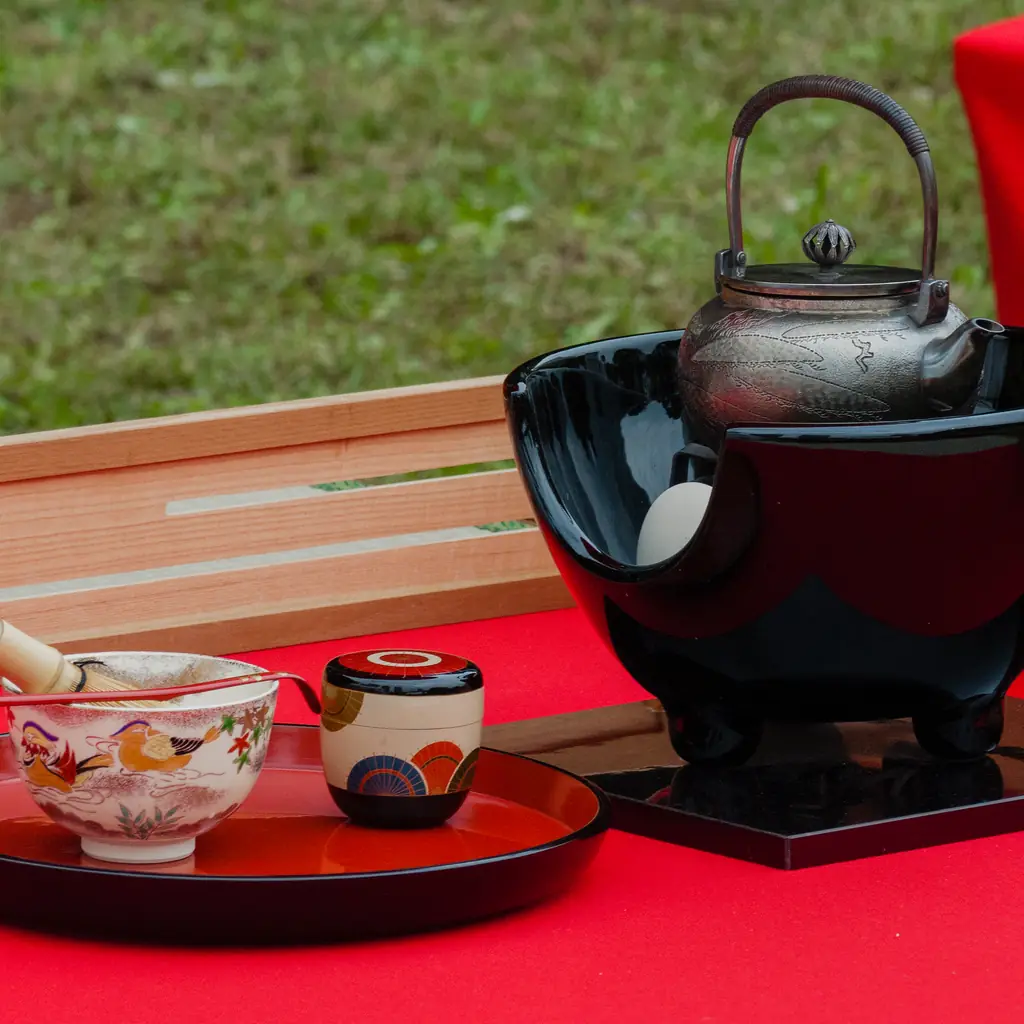
Several owners discussing Y. Mizuno ceramics trace their sets to service tours in Okinawa. Susan Rees identifies a 1982–83 Marine Corps posting, while another contributor, Brad, recalls buying his wife a set in 1982.
The remembered pieces include floral decoration, gold trim and elaborately shaped saucers. A set could become a display rather than everyday tableware.
Those are owners’ recollections, not an appraisal. Their purchase dates preserve a family connection even when the factory history remains uncertain.
2. The small wooden kokeshi dolls
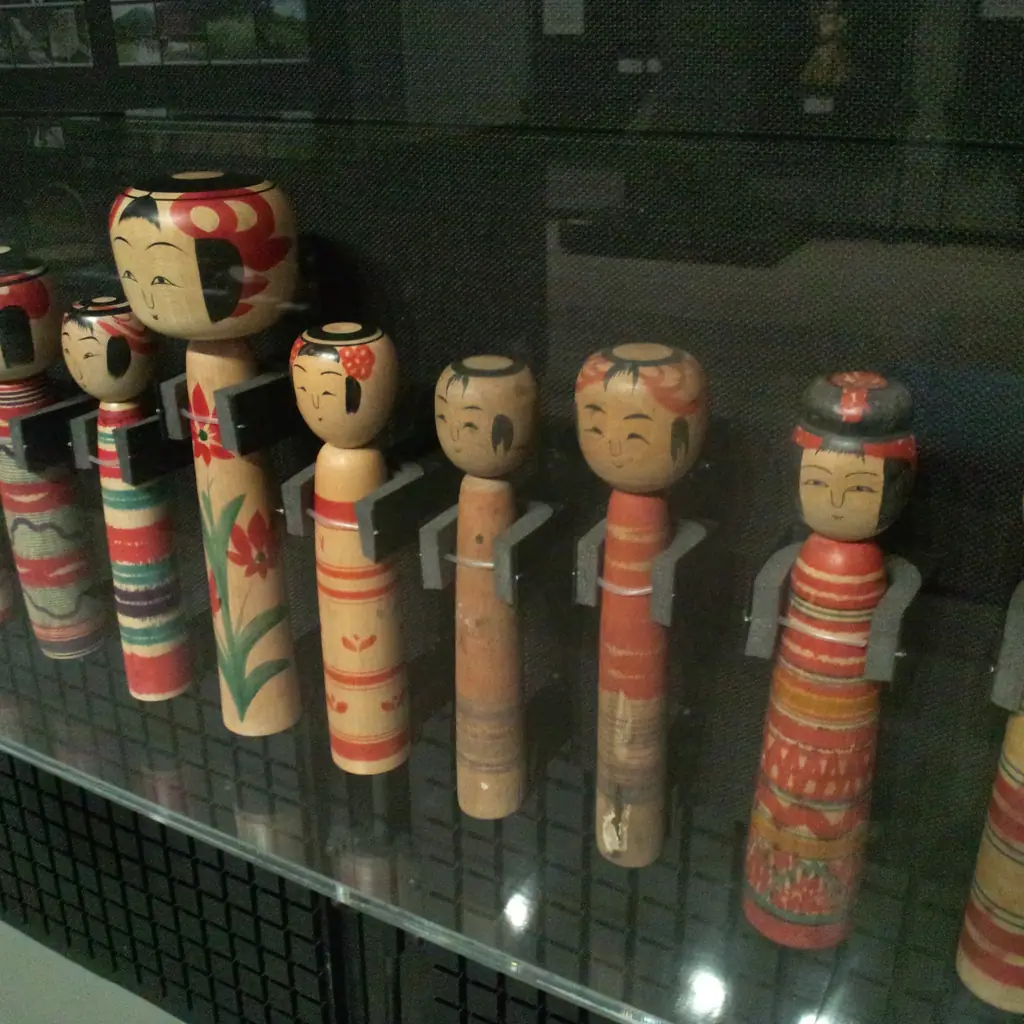
A family submission to the Tenement Museum’s Your Story, Our Story project describes wooden dolls brought home after an Army grandfather’s three years in Japan during the 1980s. They later passed to another generation.
The simple wooden body makes a kokeshi different from a dressed fabric doll. Painted faces and patterns supply much of its character.
In this account, the dolls carry a family’s overseas history. Their importance comes from that connection, without needing a claim about rarity or resale value.
3. The red wishing doll among the keepsakes
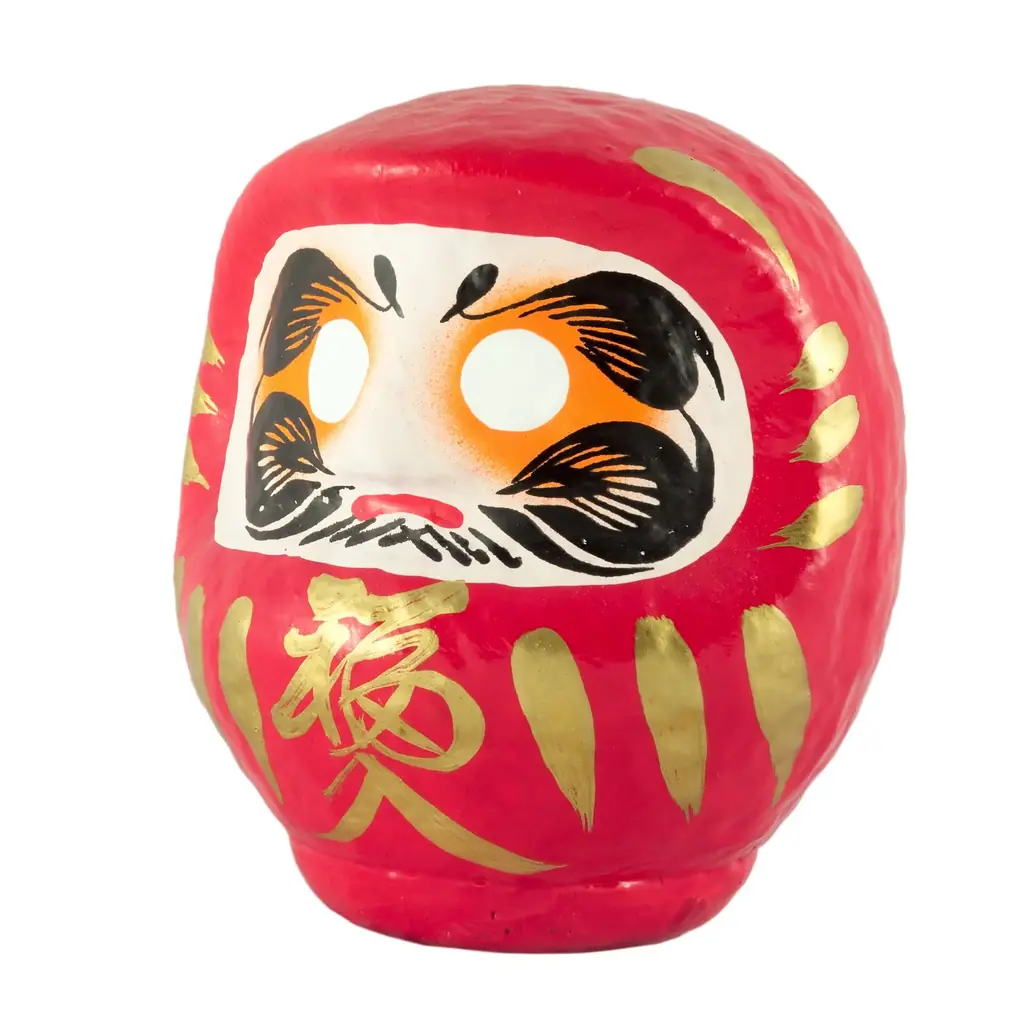
The same family account remembers a small red figure with a story about painting its eyes. That clue points to the Daruma tradition rather than to the wooden kokeshi category alone.
Japan’s consulate explains the familiar practice: paint one eye when making a wish, then complete the other when it is fulfilled.
An unfinished eye can therefore be intentional. The detail gives a family something to explain when a child notices the doll, rather than treating it as a damaged ornament.
4. The carefully painted Hakata figurine
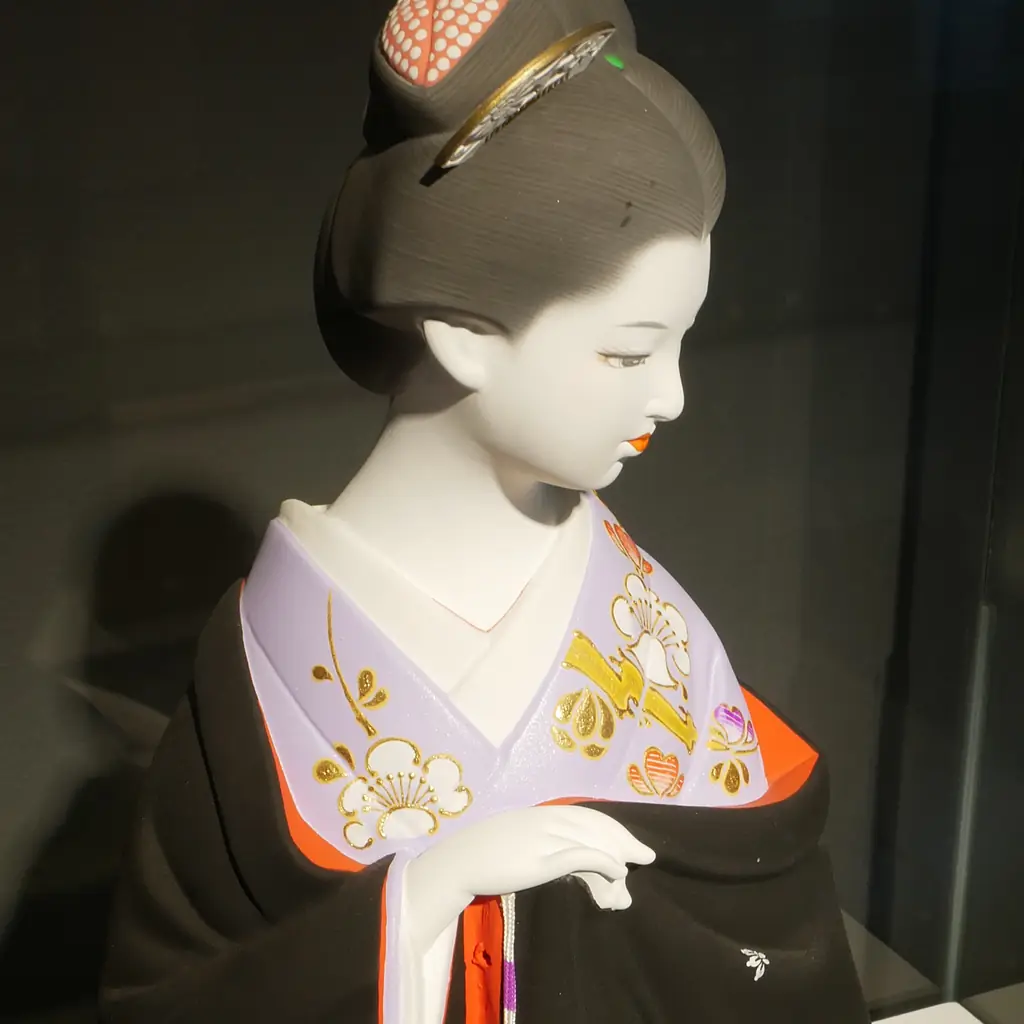
Teacher Billie Trimble Chandler returned to Corpus Christi in 1971 with an extraordinary Japanese art collection. Her Hakata dolls became a major part of the museum that opened in 1974.
A painted figure might depict a performer, a child or a historical subject. Identifying the pose and clothing is more useful than calling every Japanese figurine a geisha.
Chandler’s collection was exceptional in size. It nevertheless supplies a dated American connection for the kind of carefully displayed figure that can remain recognizable decades later.
5. The dishes chosen during an afternoon shopping trip
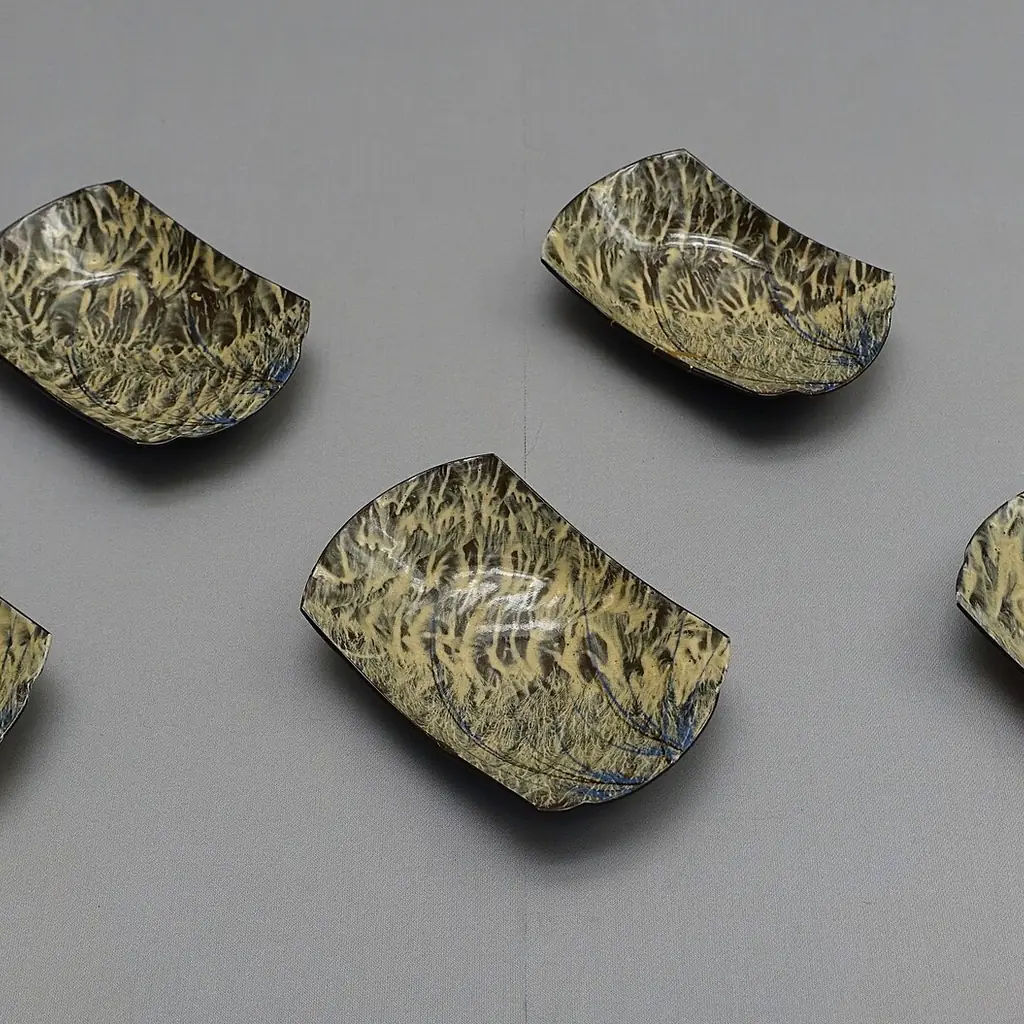
Anita Burdette-Dragoo’s account of teaching at Kubasaki in 1975–77 includes shopping for china around Futenma and at China Pete’s. Ceramics belonged to the ordinary outings she remembered alongside markets and sightseeing.
A plate’s pattern can become more familiar than the name of the shop that sold it. The underside may preserve a maker’s mark or an old label.
A date written with the family photographs can help keep that shopping memory attached to the right pieces.
6. The silver-faced stereo receiver
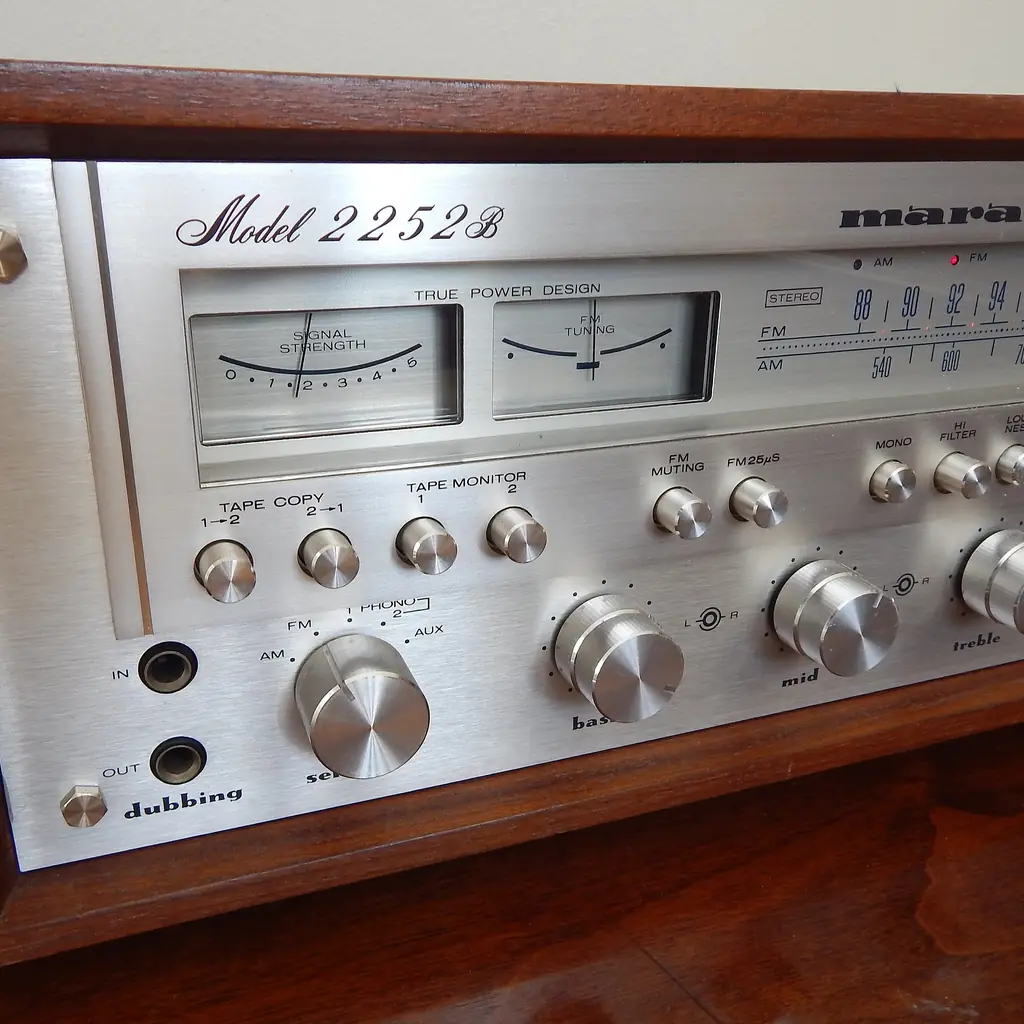
An Audiokarma contributor who lived with family at Kadena in 1975–77 recalls buying a Sansui 8080DB and speakers. The base exchange’s stereo selection was part of the experience remembered years later.
A large receiver occupied real shelf space, with a tuning scale, switches and knobs that made the equipment visibly part of a room.
It belongs to the wider story of Japanese electronics Americans remember. This particular purchase is an owner’s account, not proof that every overseas family bought the same system.
7. The tape deck that traveled with the stereo
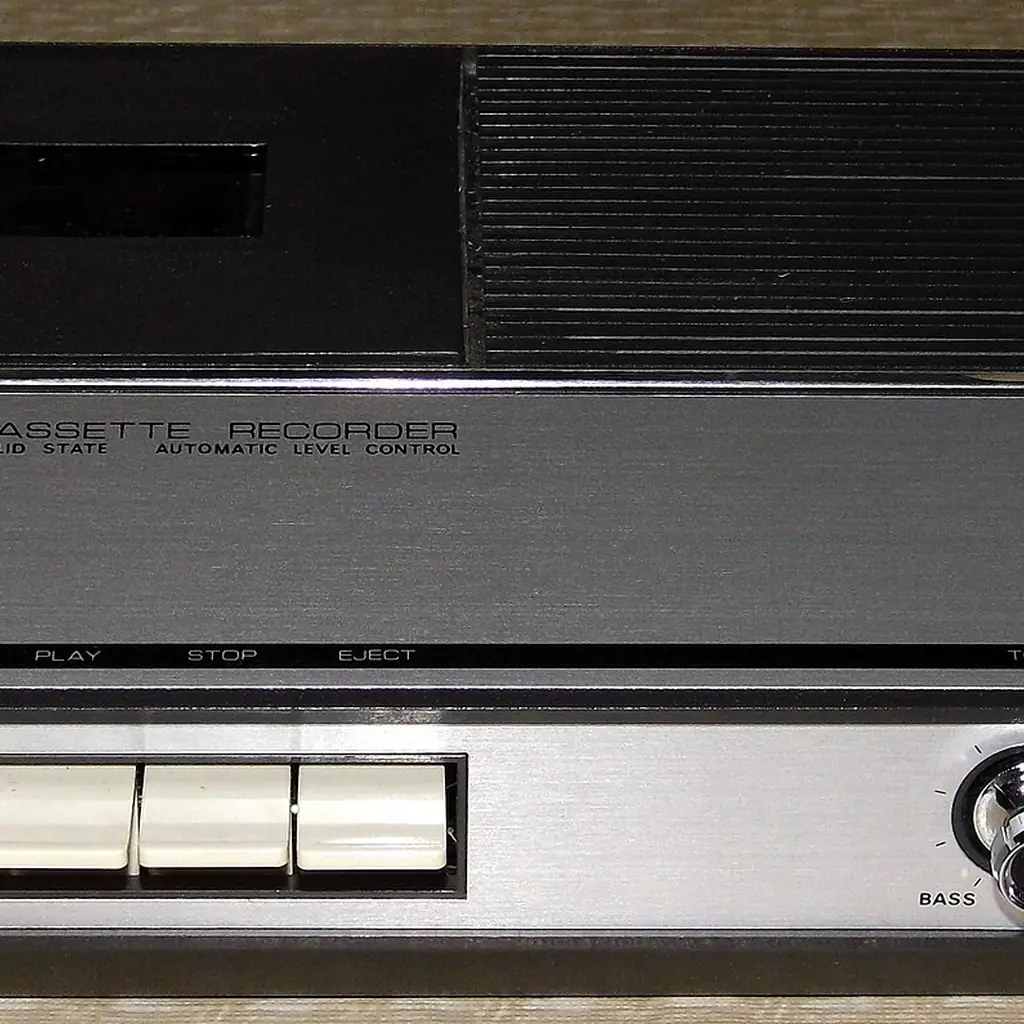
In a separate recollection, a former Marine describing Camp Hansen in 1976 remembers mailing audio components home, including tape equipment. Packaging dimensions and weight mattered when sending large purchases.
A reel-to-reel machine made recorded music conspicuous: reels turned in the open, and loading a tape required threading it through the transport.
A cassette deck offered another format. The two should be identified separately, even when a family remembers them together as part of one much-loved stereo.
8. The 35mm camera bought for somebody at home
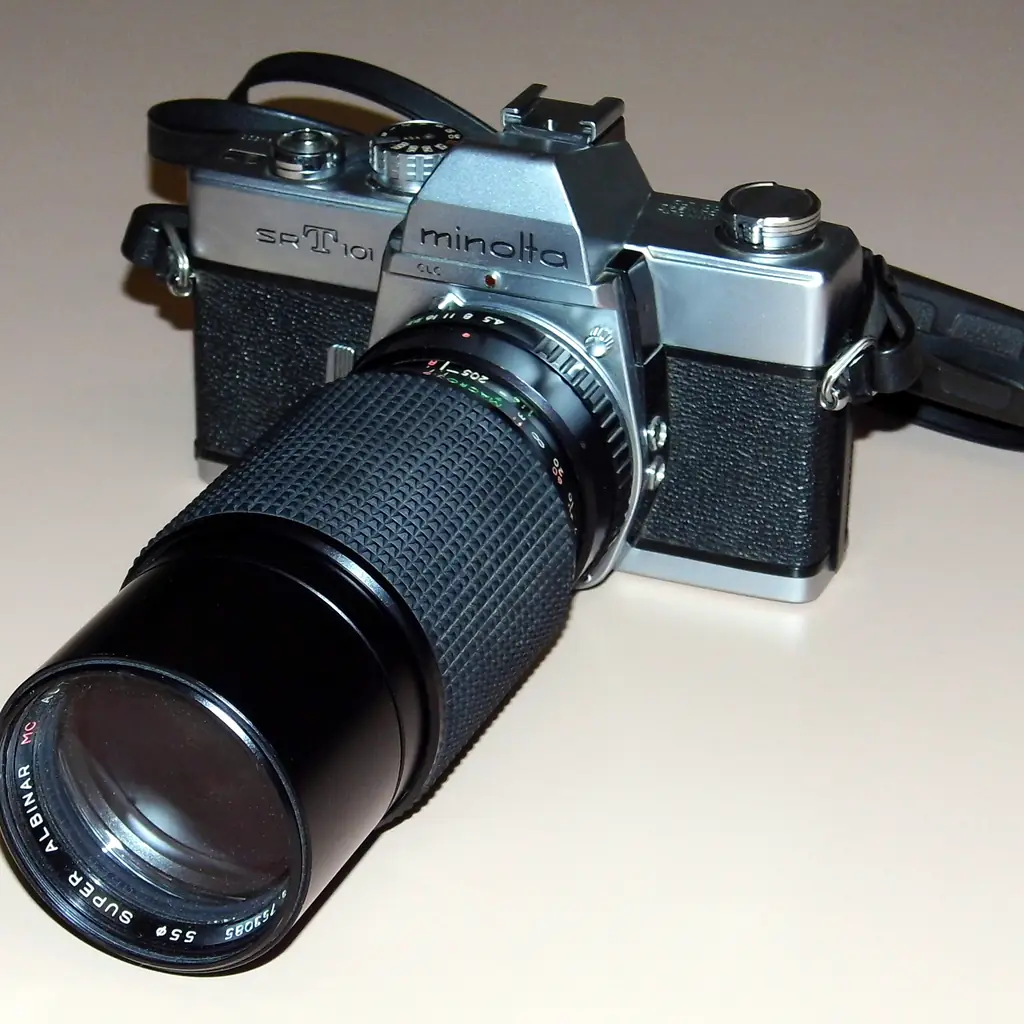
In a 2024 photography-club profile, Brigitte Kiba recalls her boss bringing a 35mm camera back from Japan in 1975. She had been living in the United States since 1967.
The gift supported a growing interest in photographing family and travel. Its exact make is not identified in the account.
Cameras also appear in our guide to Japanese household electronics, but a familiar Canon or Nikon photograph cannot establish which camera Kiba received. The personal connection is the documented part.
9. The clothes made to fit one person
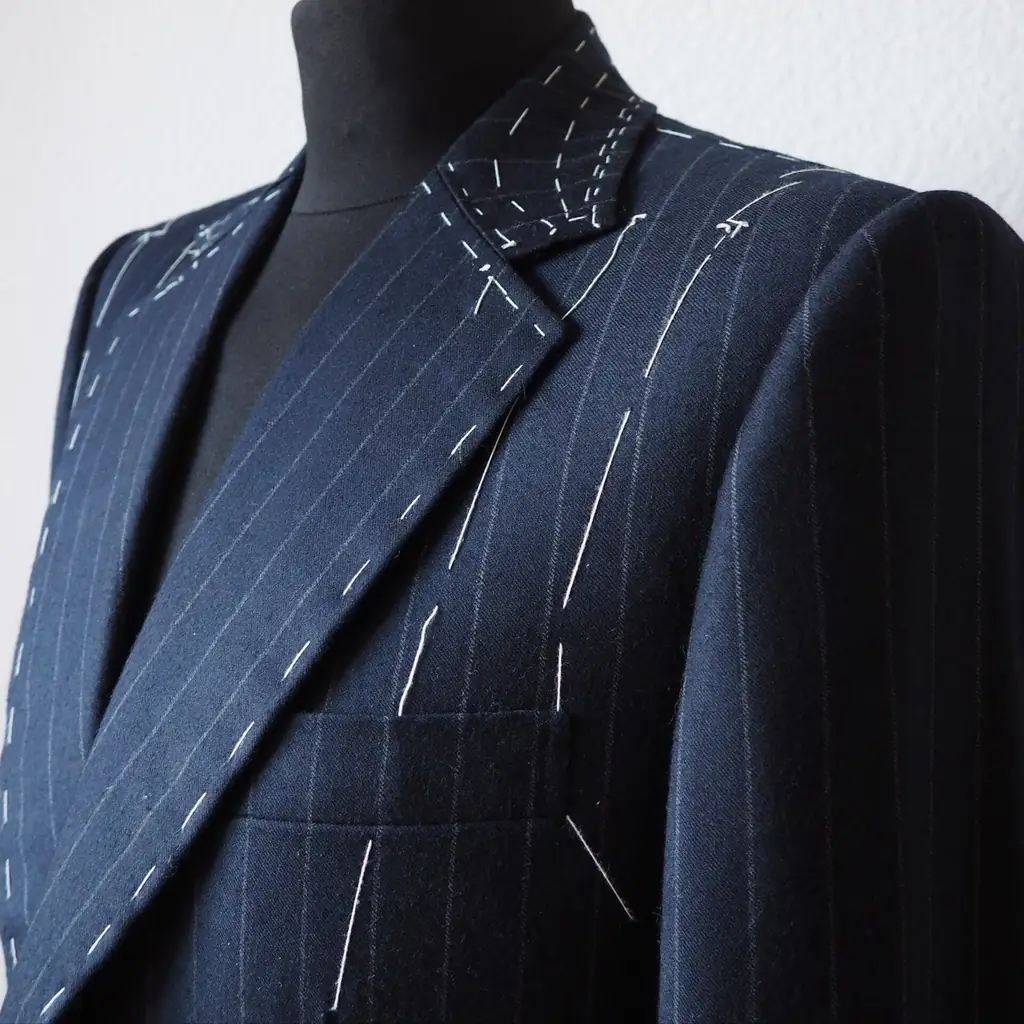
The Camp Hansen recollection also describes servicemen having clothes custom-made in town. These purchases could carry the memory of choosing a fabric and returning for a fitting.
Unlike a standard souvenir, a tailored garment was intended for a particular wearer. A surviving label, receipt or photograph may offer a better clue than its style alone.
It is one small part of the varied experiences Americans had around bases in Japan. This account concerns adult servicemen, rather than claiming the same shopping routine for children or every household.
10. A restaurant menu kept after the meal
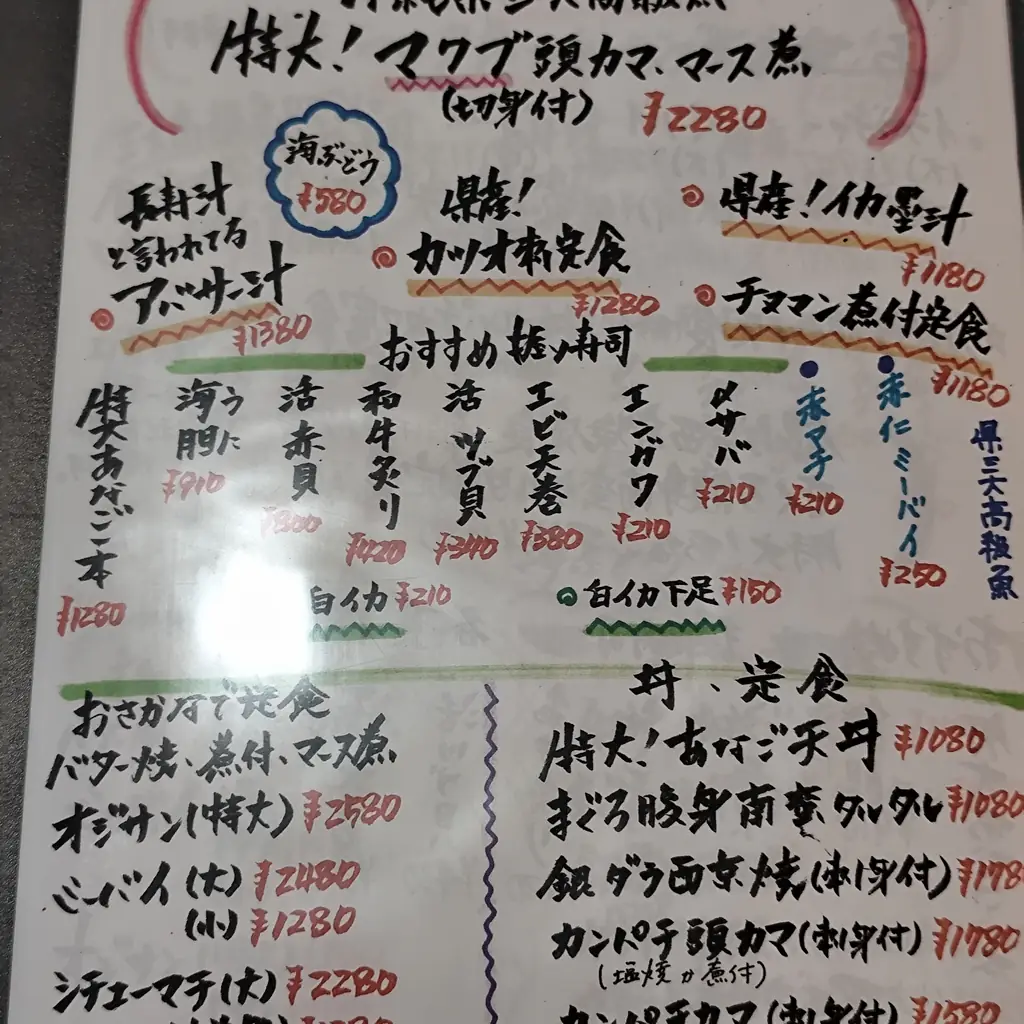
ClickOkinawa’s personal scrapbook preserves restaurant material from the late 1980s, including El Pollo Loco items grouped under 1987–88. A menu can carry a place’s identity beyond the meal itself.
The typography, prices and dish names make it a different kind of keepsake from a decorative object. Even familiar American brands acquired local associations overseas.
For the food behind those associations, see the meals military families remember after leaving Japan. A modern menu should not be substituted for a dated original.
11. The local guide folded along the same creases
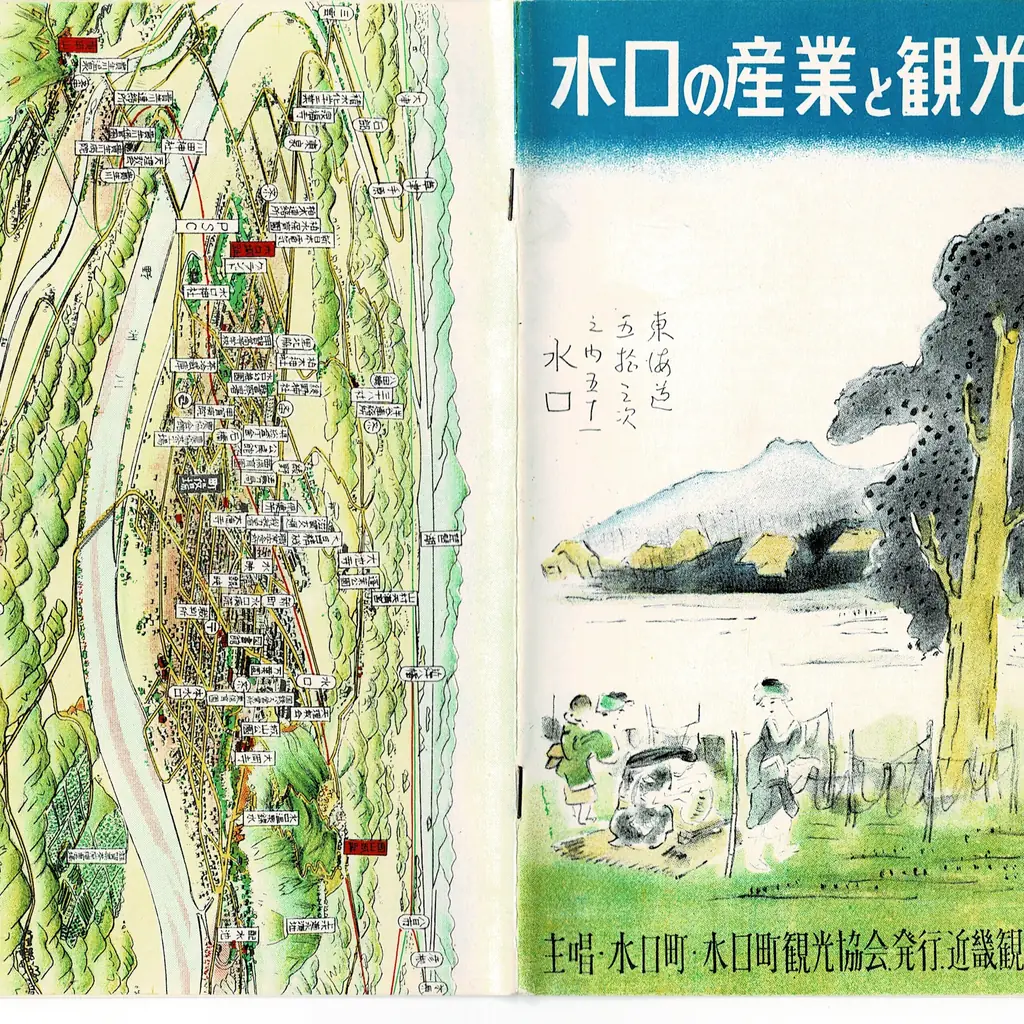
A 1987 Welcome to Naha pamphlet appears in the same preserved scrapbook. A practical guide could survive because somebody kept using it or tucked it into a larger collection.
Paper carried directions before a saved map on a phone could do the job. Notes beside a destination may be more revealing than the cover photograph.
These small remnants complement the routines families sometimes kept after returning home. The date belongs to that surviving pamphlet; it does not date every guide with a similar-looking cover.
12. The admission ticket tucked inside a brochure
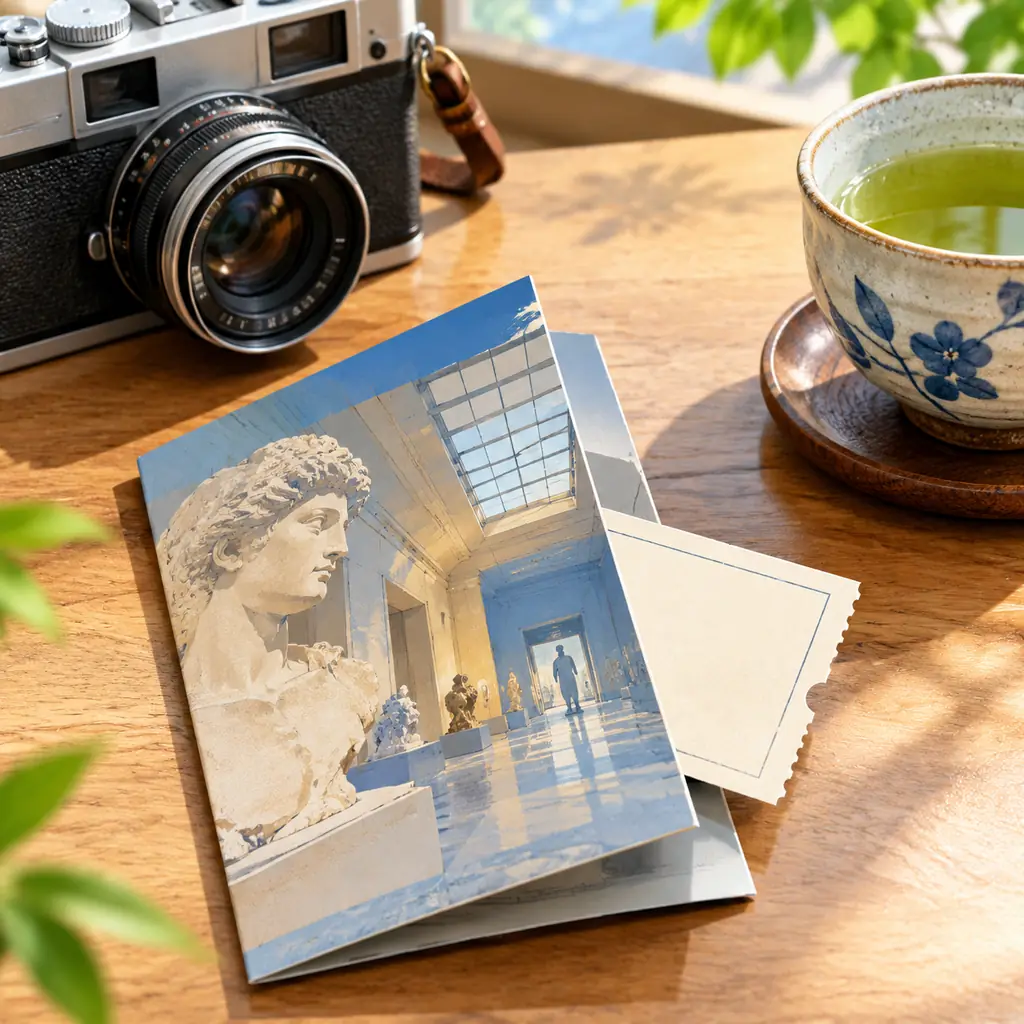
The scrapbook also lists tickets for Okinawa outings in 1986–88, including gardens and Expo Park attractions. A small ticket could be kept long after it had finished its practical job.
A stamped date can help place otherwise undated snapshots in order. It may explain which outing a family photograph shows, rather than relying on a much later guess.
That makes it useful beside memories of school years and weekends in Japan, even if the paper has no meaningful market value.
13. The photographs that showed ordinary life
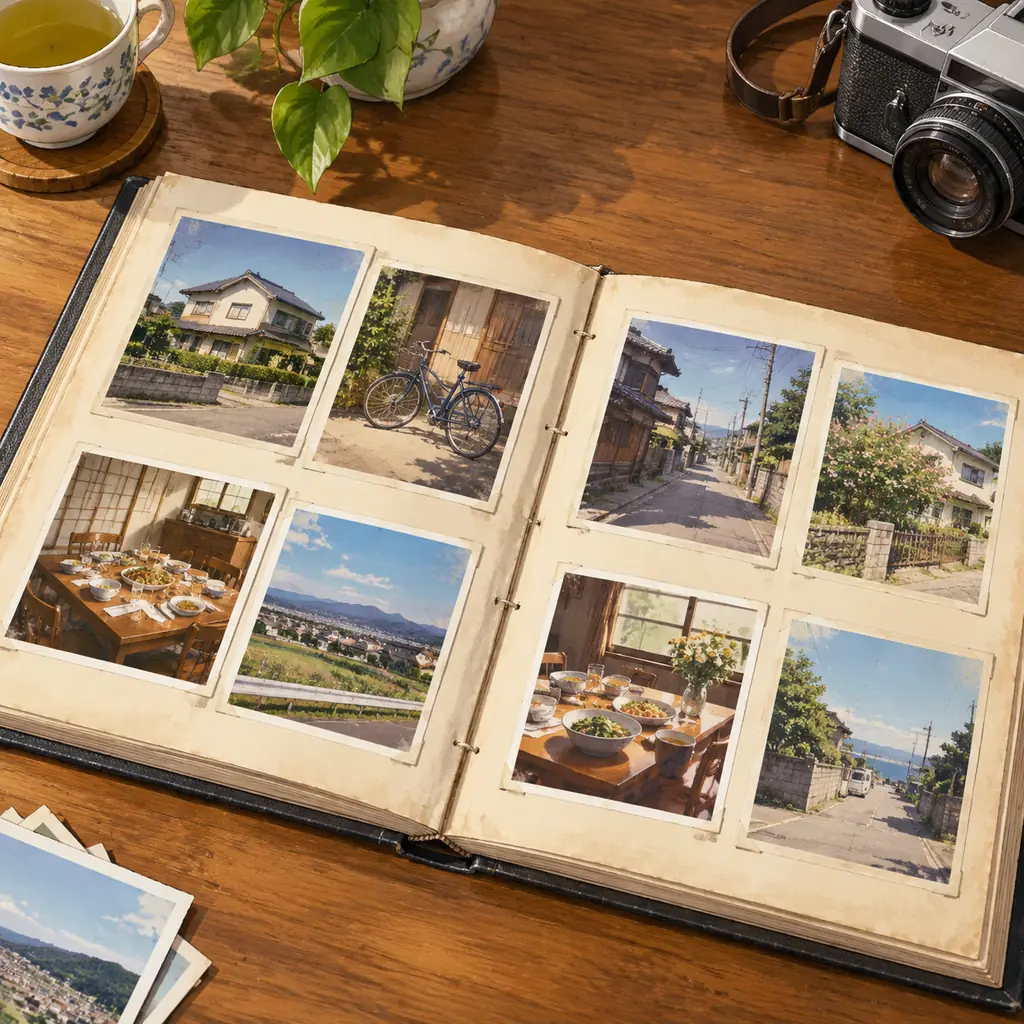
A former Marine has shared a photograph identified as approximately 1978 in Okinawa, showing a newly purchased stereo inside a small living space. The room records much more than the audio equipment.
A curtain, a shelf or a familiar shirt can make an old photograph informative. Those background details are easy to overlook when the main subject draws the eye.
Pictures can also reconnect objects with the toys and games of the period or the people who owned them.
14. The school yearbook that kept everyone together
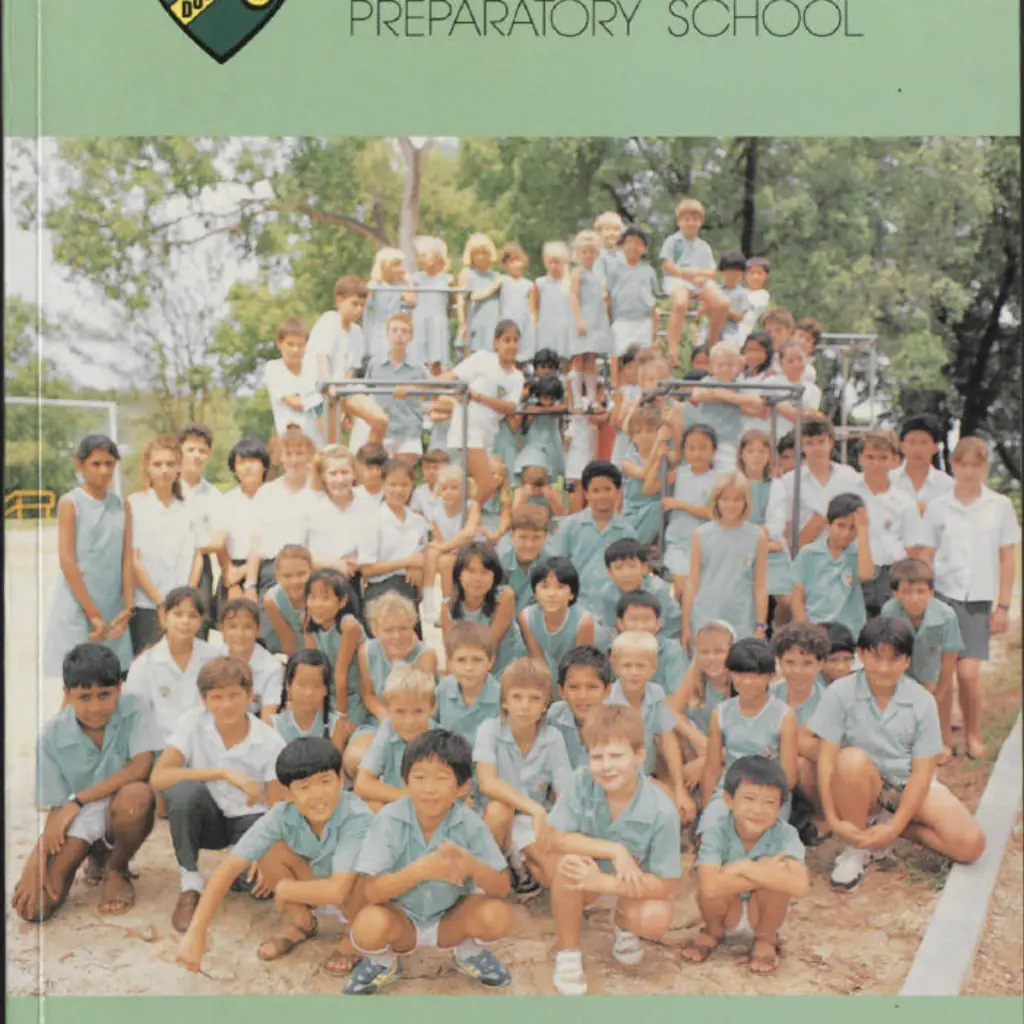
The American Overseas Schools Historical Society preserves yearbooks from schools across Japan and Okinawa. Their school names and dates give returning families a way to reconnect faces with a particular posting.
A yearbook contains more than portraits. Clubs, performances and everyday school activities can explain what filled the months between a family’s arrival and departure.
It sits naturally beside the television programs remembered from those years. The archive is also a useful starting point when a family remembers the school but has lost its own copy.
Sources and further reading
- figurines-sculpture.com
- yourstory.tenement.org
- atlanta.us.emb-japan.go.jp
- library.tamucc.edu
- aoshs.org
- audiokarma.org
- reddit.com
- static1.squarespace.com
- mickmc.tripod.com
- aoshs.org
Image credits
- Daruma doll, cut out, 01.jpg by Crisco 1492; Public domain. Cropped or fitted to a square, resized and converted to WebP. No subject details altered.
- Set of dishes with eulalia grass design in hakeme brush strokes, Utsutsugawa ware, Edo period, 1600s-1700s AD, ceramic - Tokyo National Museum - Ueno Park, Tokyo, Japan - DSC08913.jpg by Daderot; CC0. Cropped or fitted to a square, resized and converted to WebP. No subject details altered.
- Vintage Lloyd's Cassette Tape Recorder, Battery-AC, Model 1V2OL, Made in Japan, Circa 1970s (12091993725).jpg by Joe Haupt from USA; CC BY-SA 2.0. Cropped or fitted to a square, resized and converted to WebP. No subject details altered.
- Bespoke chalkstripe suit sven krolczik.jpg by Sven Krolczik; CC BY-SA 4.0. Cropped or fitted to a square, resized and converted to WebP. No subject details altered.
- Photo: Ermell / Wikimedia Commons, CC0
- Photo: Yanajin33 / Wikimedia Commons, CC BY-SA 3.0
- Photo: Ron Clausen / Wikimedia Commons, CC BY-SA 4.0
- Photo: Joe Haupt from USA / Wikimedia Commons, CC BY-SA 2.0
- Photo: NORTLAUKAU 26088 JP / Wikimedia Commons, CC0
- Photo: Dover Court Preparatory School, Singapore / Wikimedia Commons, CC BY-SA 4.0
- Photo: Minakuchi town, Minakuchi town tourist association, Kinki tourist / Wikimedia Commons, Public domain
- Photo: 氏子 / Wikimedia Commons, CC BY-SA 4.0