By
A first taste might have happened at a birthday dinner, an Asian grocery or during a family posting in Japan. These are possible points of recognition from the 70s and 80s, not claims that Japanese American communities discovered their own food in those decades.
1. A special dinner at Benihana
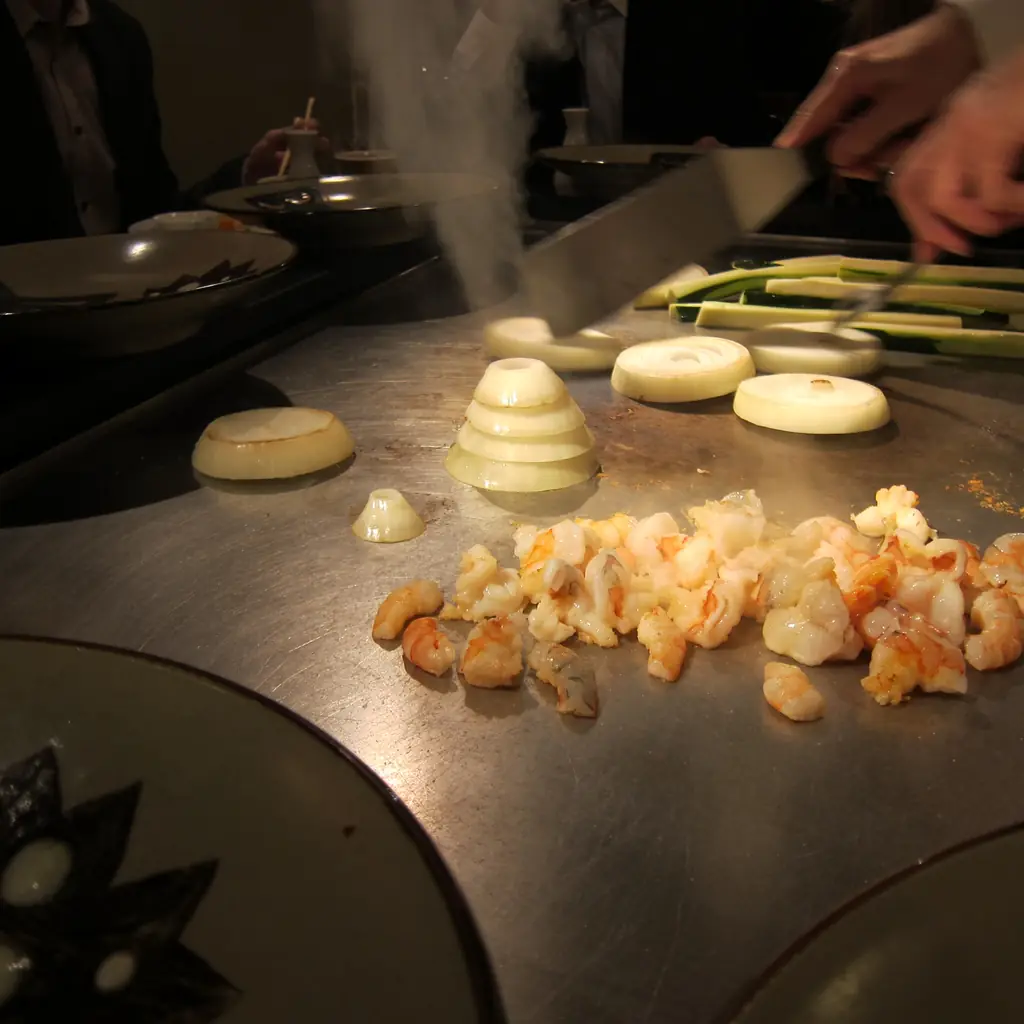
Benihana opened its first New York restaurant in 1964 and had six U.S. locations by 1972. Its steel teppanyaki grill placed the cooking directly in front of the diners.
The shared table made preparation part of the evening. Watching a chef work could be as memorable as the finished steak or shrimp.
Teppanyaki describes cooking on an iron plate. Calling every such table a traditional charcoal hibachi blurs two different kinds of equipment.
2. Rice cooked on the restaurant griddle
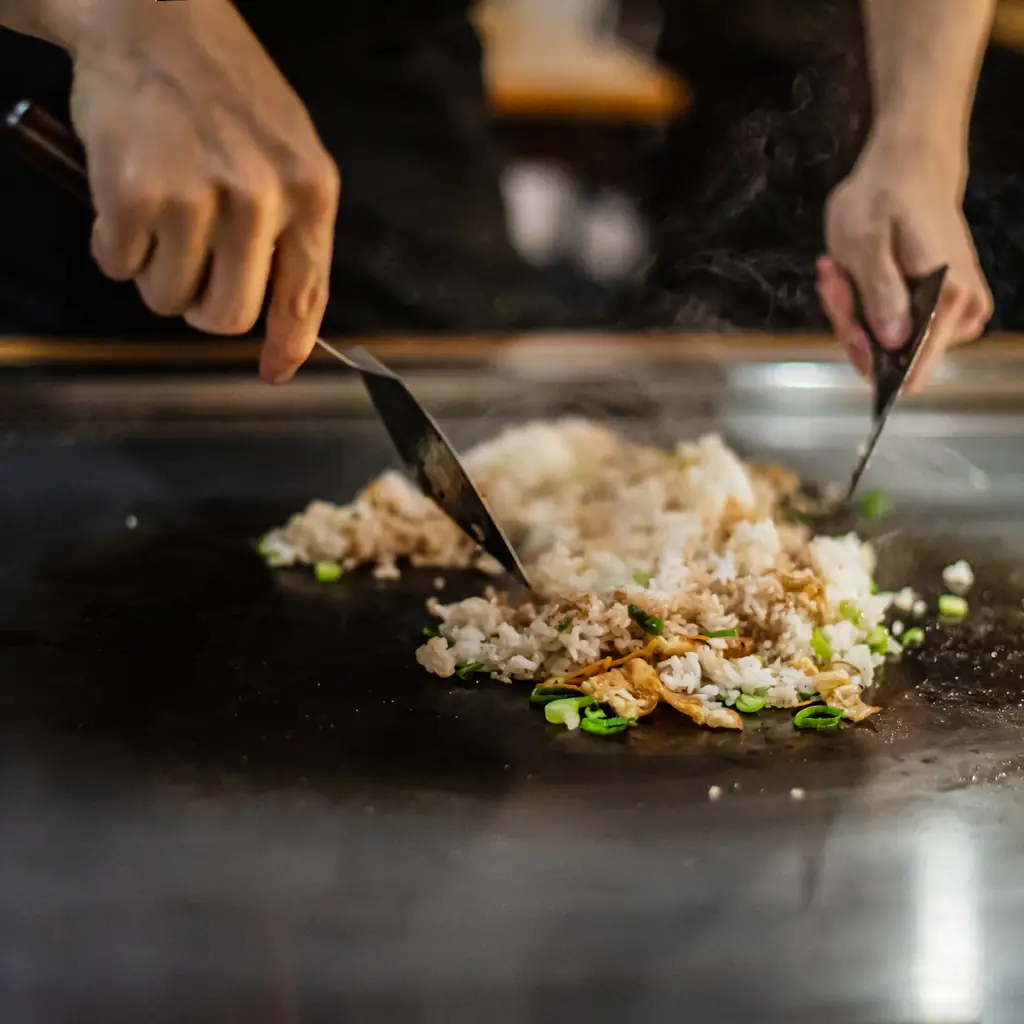
At a teppanyaki dinner, rice could become a dish assembled where the guests could watch. The hot plate, chopped ingredients and utensils created an experience beyond a bowl brought from the kitchen.
Different restaurants developed their own routines and seasoning. A remembered trick should not be assigned to every chef or to an exact decade without evidence.
The meal’s Japanese American restaurant setting also matters. It was a particular adaptation, not a complete sample of every kind of Japanese home cooking.
3. Top Ramen from a packet
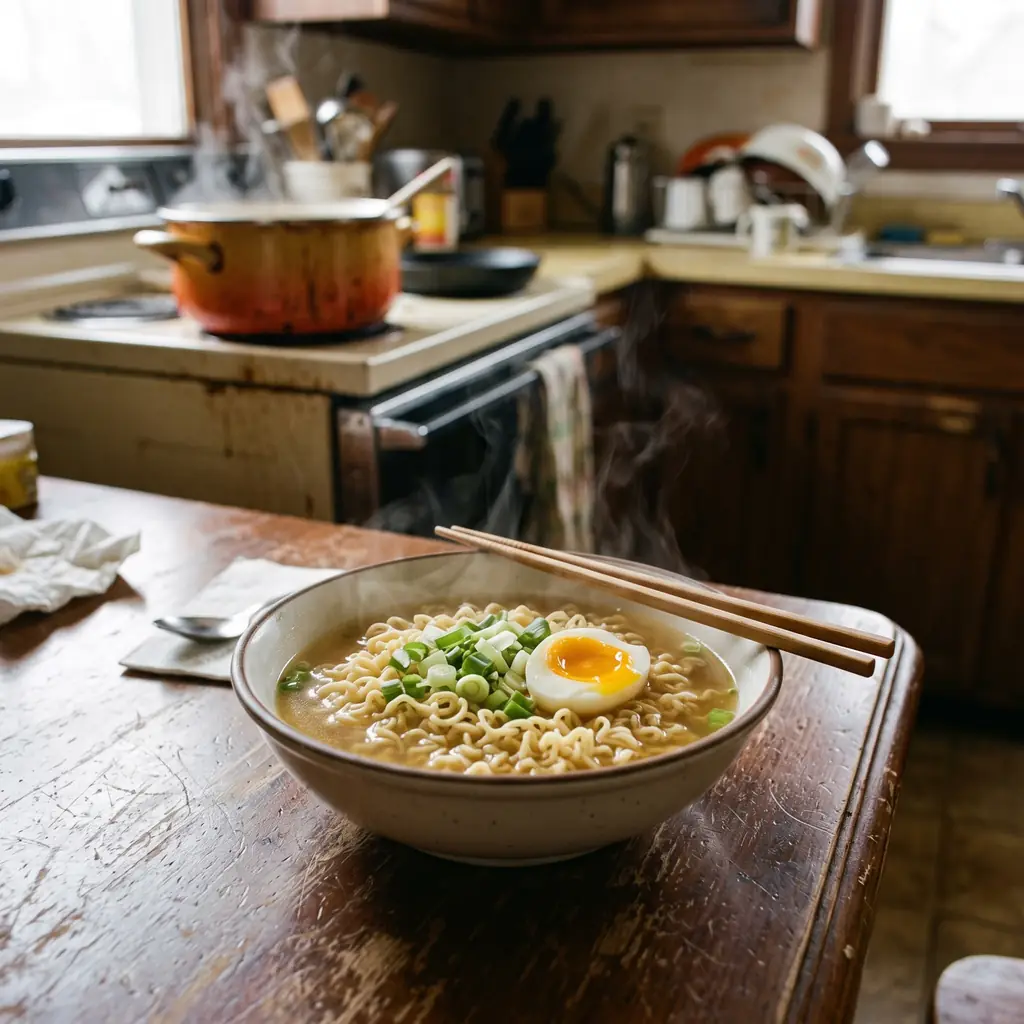
Nissin’s Gardena, California, plant began producing Top Ramen in 1972. The dry noodle block and separate seasoning made Japanese-origin instant noodles practical for an American pantry.
Preparation was quick, but the packet still required a pan and hot water. An egg or leftover vegetables could make the bowl a more personal meal.
The inexpensive packet was not the same experience as a ramen shop. Both forms can sit in someone’s memory without being treated as interchangeable.
4. Cup O’ Noodles at the kitchen counter
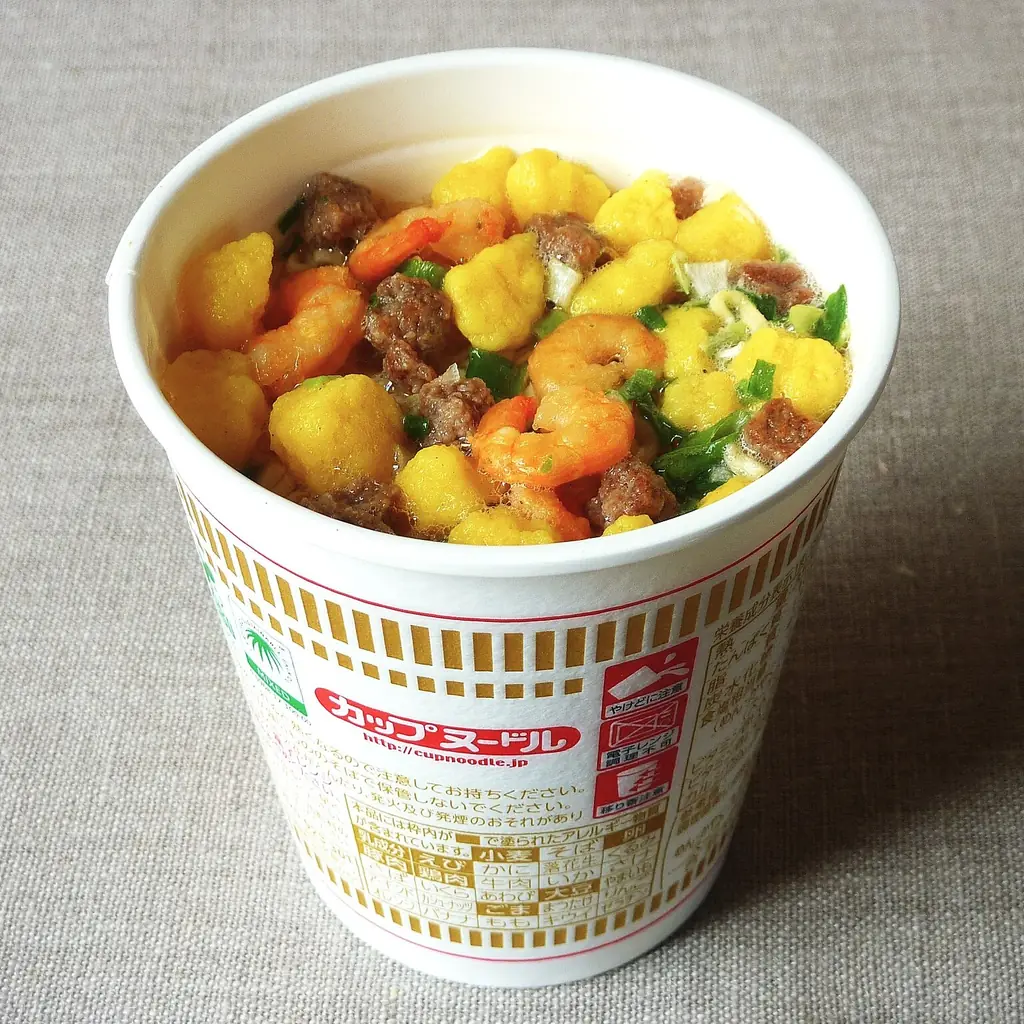
Nissin dates the U.S. launch of its cup noodles to 1973. The cup itself became the preparation and eating container.
The familiar period branding was Cup O’ Noodles; the company later used Cup Noodles. A current package should not automatically illustrate the older label.
The appeal was the compact routine of adding water and waiting. The cup did not make the product equivalent to every noodle soup served in Japan.
5. Sapporo Ichiban on the grocery shelf
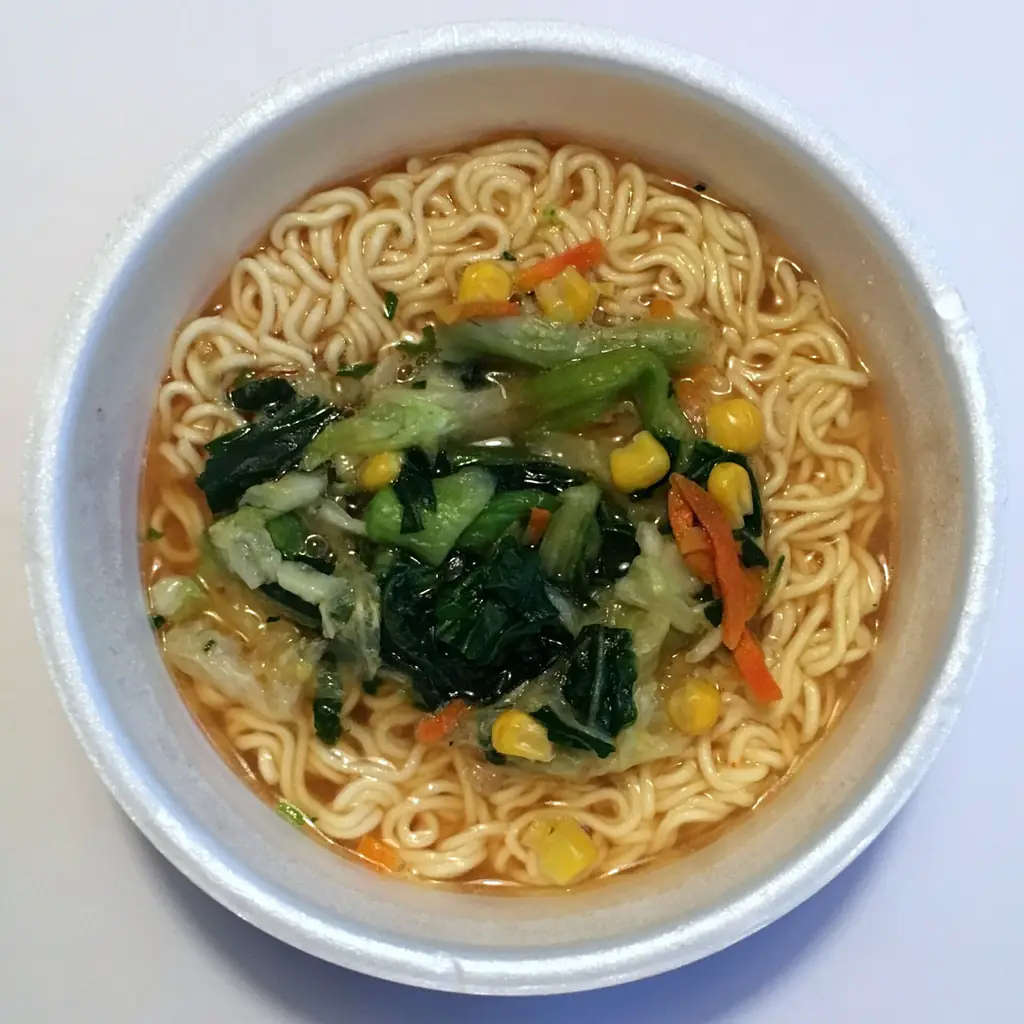
Sanyo Foods introduced Sapporo Ichiban Original Flavor in 1966 and established its American company in California in 1978. The name became another recognizable part of the instant-noodle aisle.
A different seasoning packet could produce a strongly different impression even when the noodle block looked familiar. Families often developed a preferred preparation.
The brand’s founding date, a flavor’s release and the opening of an American subsidiary are separate events. Keeping them distinct prevents a misleading single “arrival” year.
6. The soy-sauce bottle at home
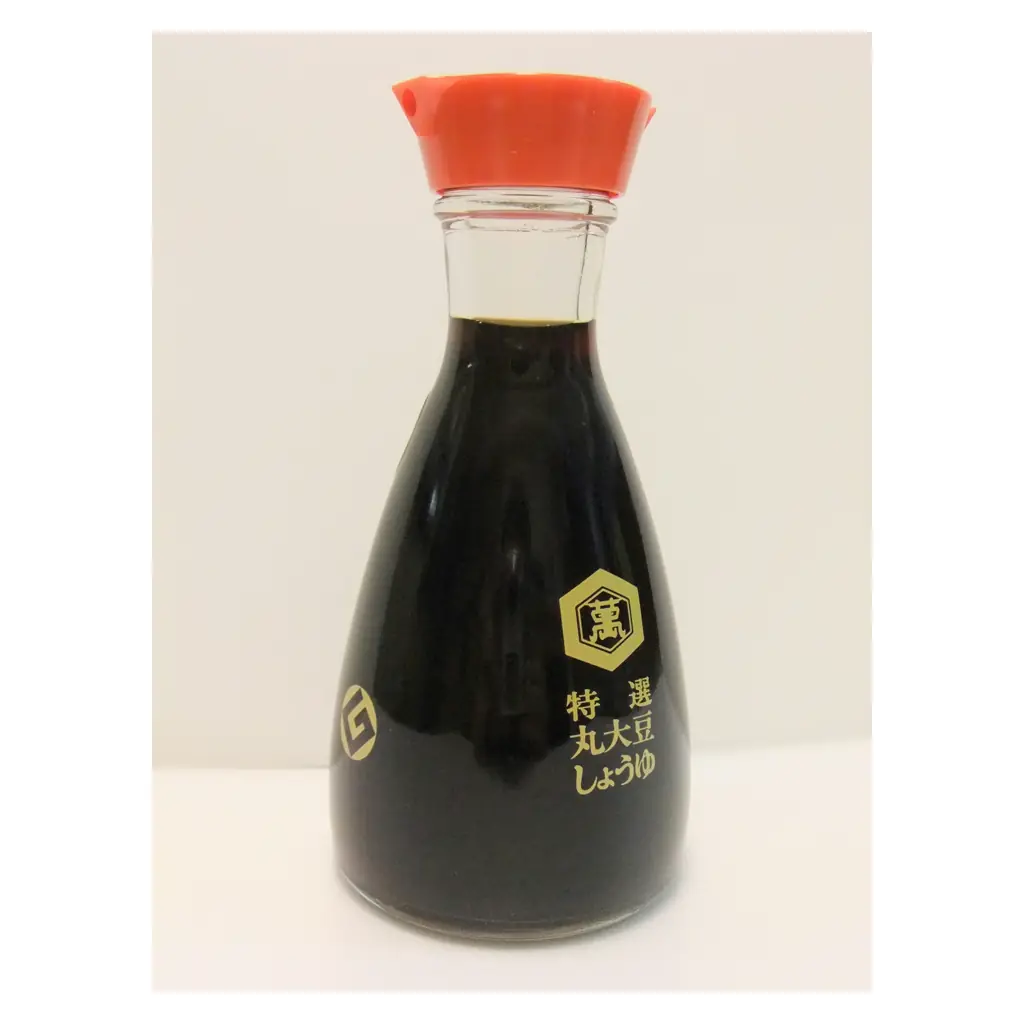
Kikkoman’s U.S. soy-sauce plant opened in Wisconsin in 1973. The Japanese company was already marketing soy sauce to American cooks before that milestone.
The condiment could appear beside a stir-fry, a marinade or a restaurant meal. Its salty flavor made a small amount noticeable.
A Japanese brand did not necessarily mean a bottle was imported from Japan. Local production was part of how the familiar product reached American households.
7. Teriyaki sauce used on the backyard grill
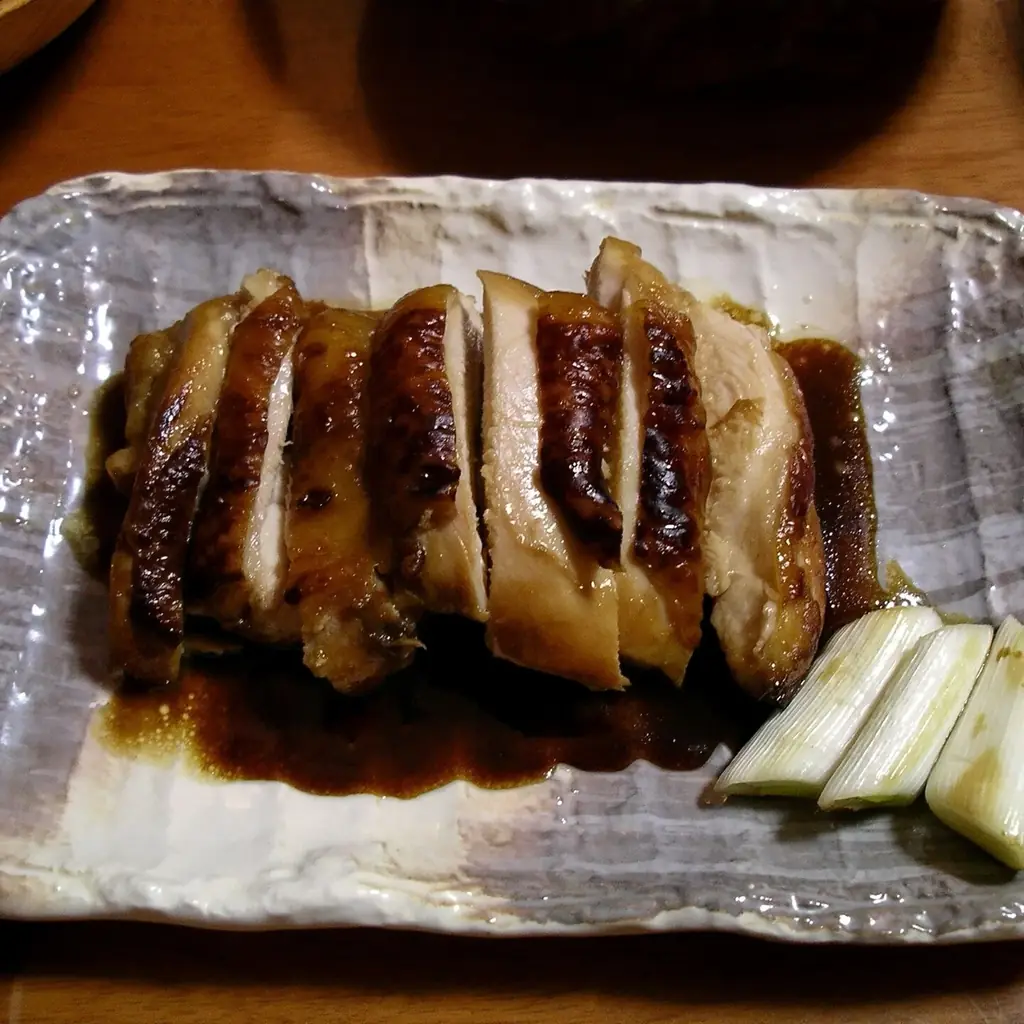
Kikkoman began exporting its teriyaki marinade to North America in 1961. The product connected a Japanese cooking idea with American enthusiasm for grilled meat.
By the 70s and 80s, a bottle could bring that flavor into a family’s own cooking. The memory might be a backyard dinner rather than a restaurant visit.
The domestic objects in our Japan keepsake article tell a similar story of an overseas connection becoming ordinary at home.
8. Seattle-style teriyaki takeout
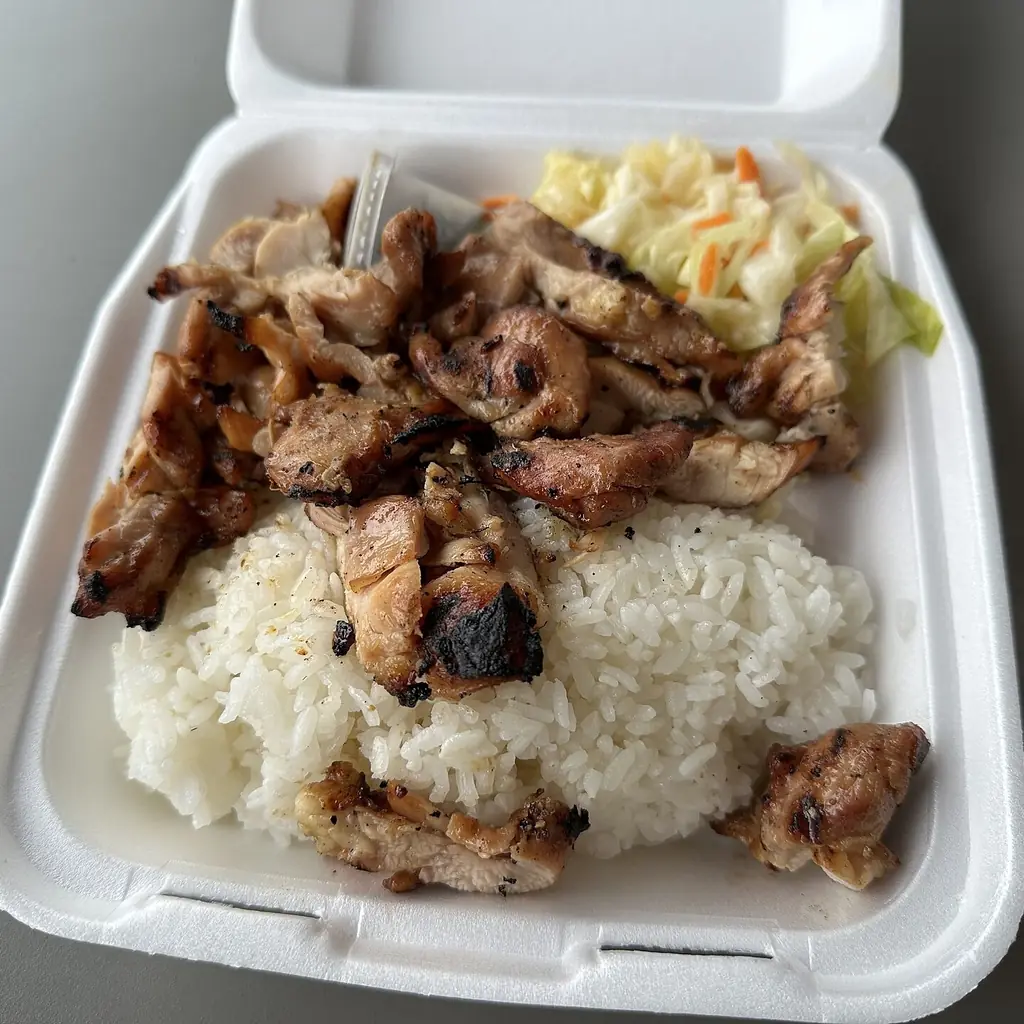
Seattle’s teriyaki shops developed a distinctive local tradition. Toshi’s 1976 opening is an important part of that regional story.
A takeout portion of grilled chicken, sauce and rice became a recognizable kind of quick meal. The regional format is not identical to every dish called teriyaki in Japan.
Where a reader lived matters. A Seattle memory should not be presented as the experience of every American town in the same year.
9. Sukiyaki shared around a table
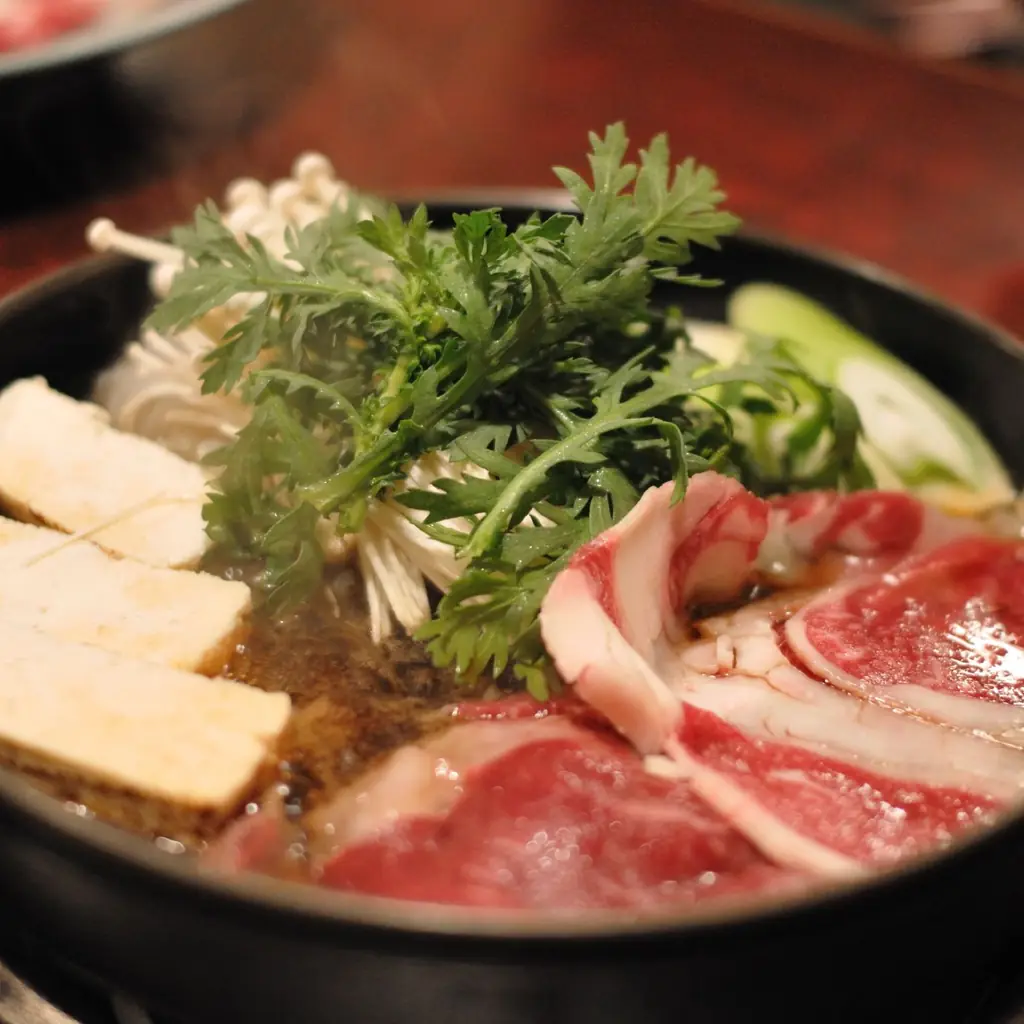
Sukiyaki combines thin slices of beef with vegetables and other ingredients in a seasoned pan. The cooking and serving can become part of the social meal.
The dish existed long before the 70s. A first encounter during those decades belongs to the diner’s history rather than the food’s invention.
For families overseas, meals like this could sit beside the very different routines of American-base life in Japan.
10. Tempura with its light coating
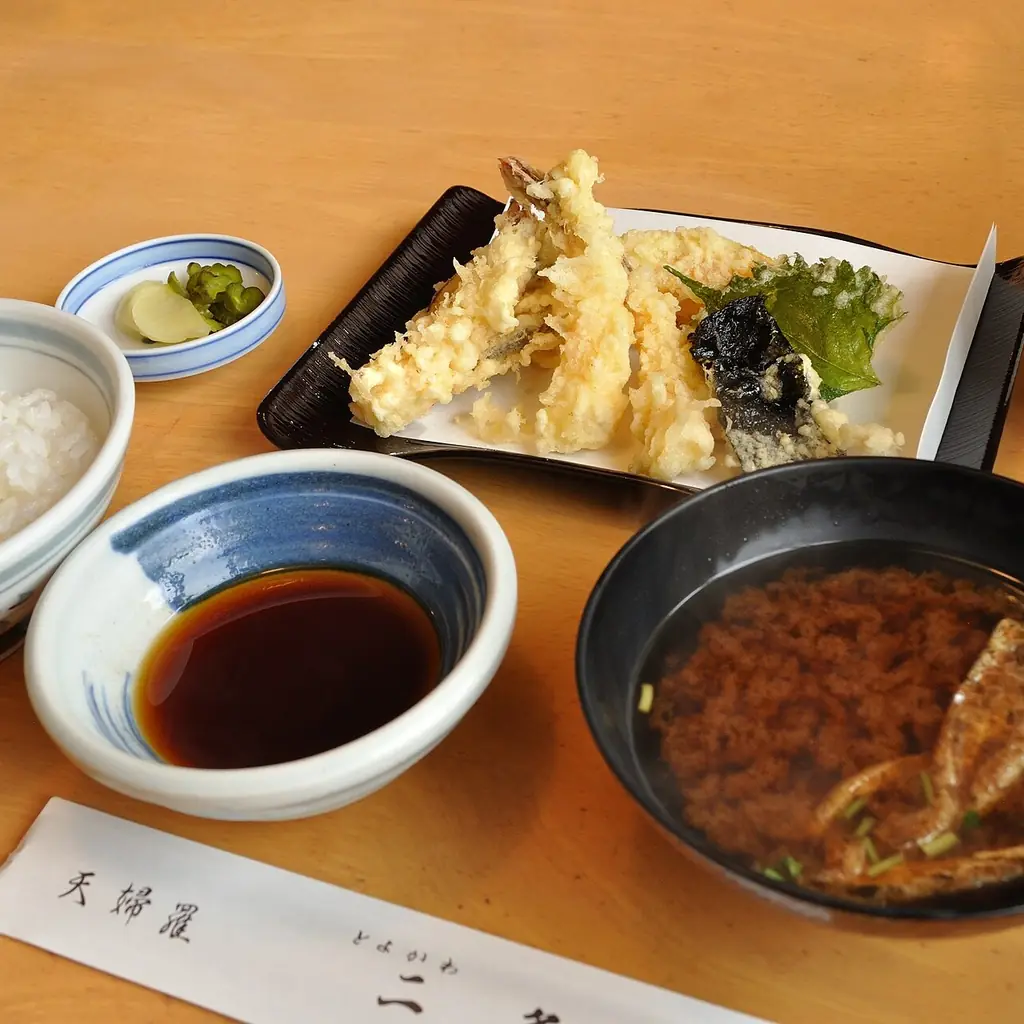
Tempura surrounds seafood or vegetables with a light batter before frying. The result is different from a thick breadcrumb coating.
A plate might combine several shapes and textures, giving a diner a way to try vegetables alongside a familiar shrimp. The dipping sauce offered another part of the meal to discover.
The dish was established in Japan long before this nostalgic period. The interesting question is when and where an individual family first ordered it.
11. Sushi at a restaurant counter
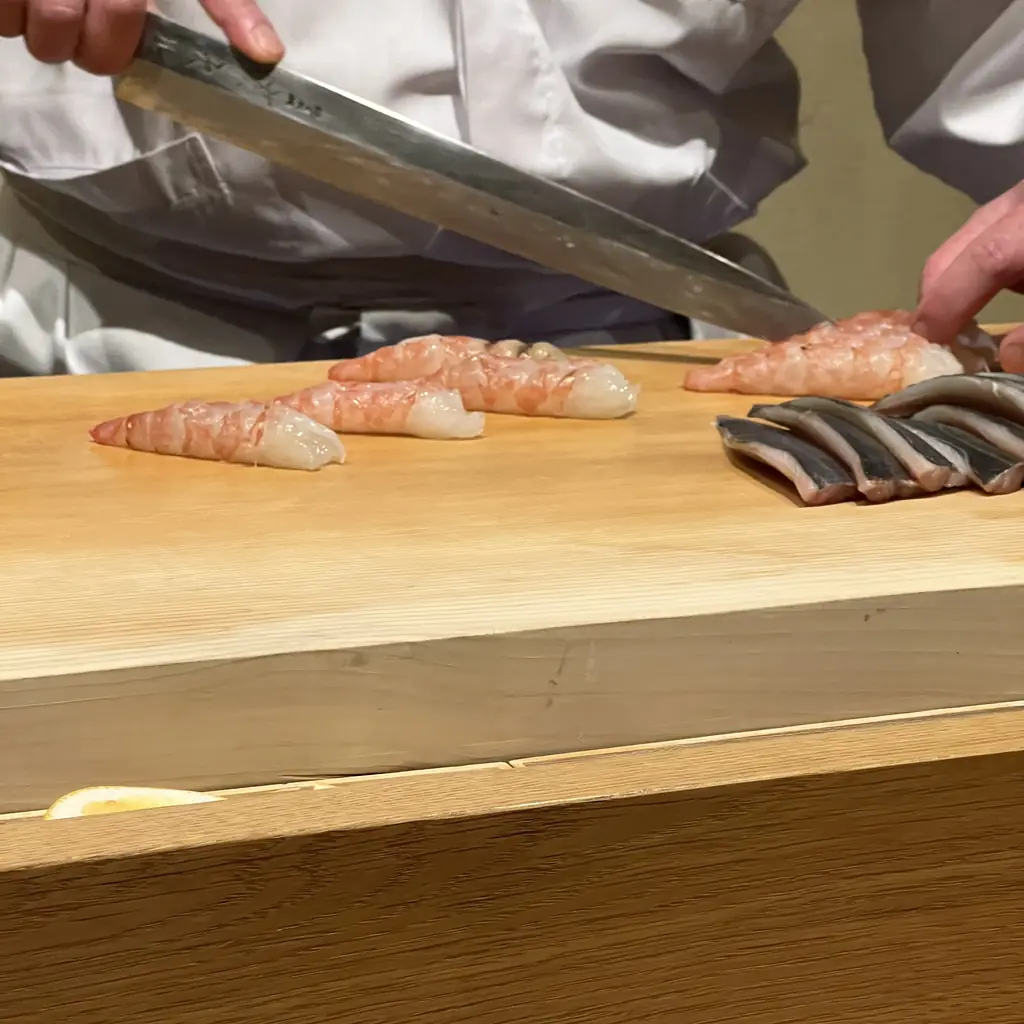
Sushi centers on seasoned rice and can include cooked seafood, vegetables or raw fish. Treating the word as a synonym for raw fish misses that distinction.
A counter let diners see preparation at close range. Chef Shiro Kashiba’s account of his work at Seattle’s Maneki in 1970 documents one local route into that experience.
A family first trying sushi was therefore joining a much longer Japanese American food history, not witnessing a new invention.
12. Miso soup before the main dish
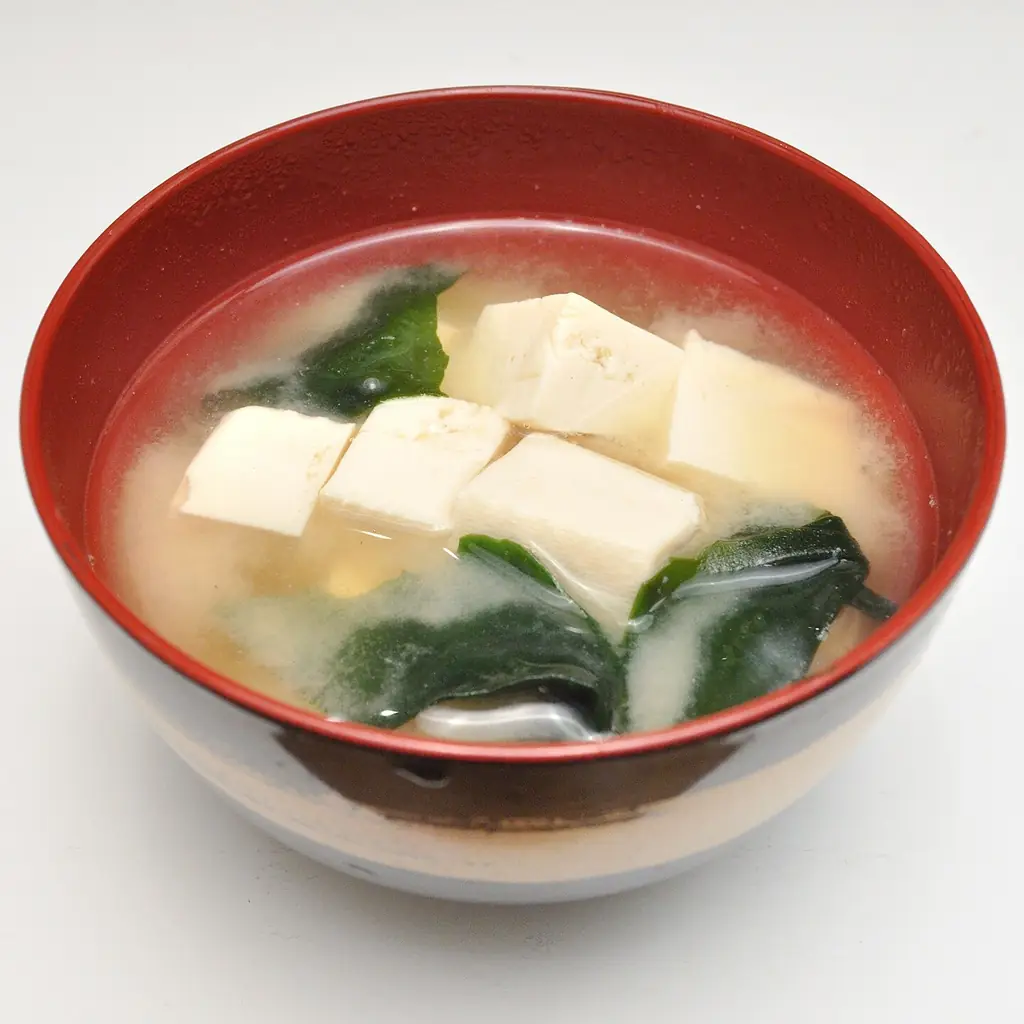
Miso is a fermented seasoning used in soup and other foods. In a small bowl, it can provide a savory opening to a meal.
A diner might remember the steam, floating pieces of tofu or seaweed, and the bowl’s size as much as the name. Recipes and ingredients differ.
Some of the food memories in accounts of leaving Japan begin with these small everyday dishes rather than an elaborate celebratory dinner.
13. Soba noodles served hot or cold
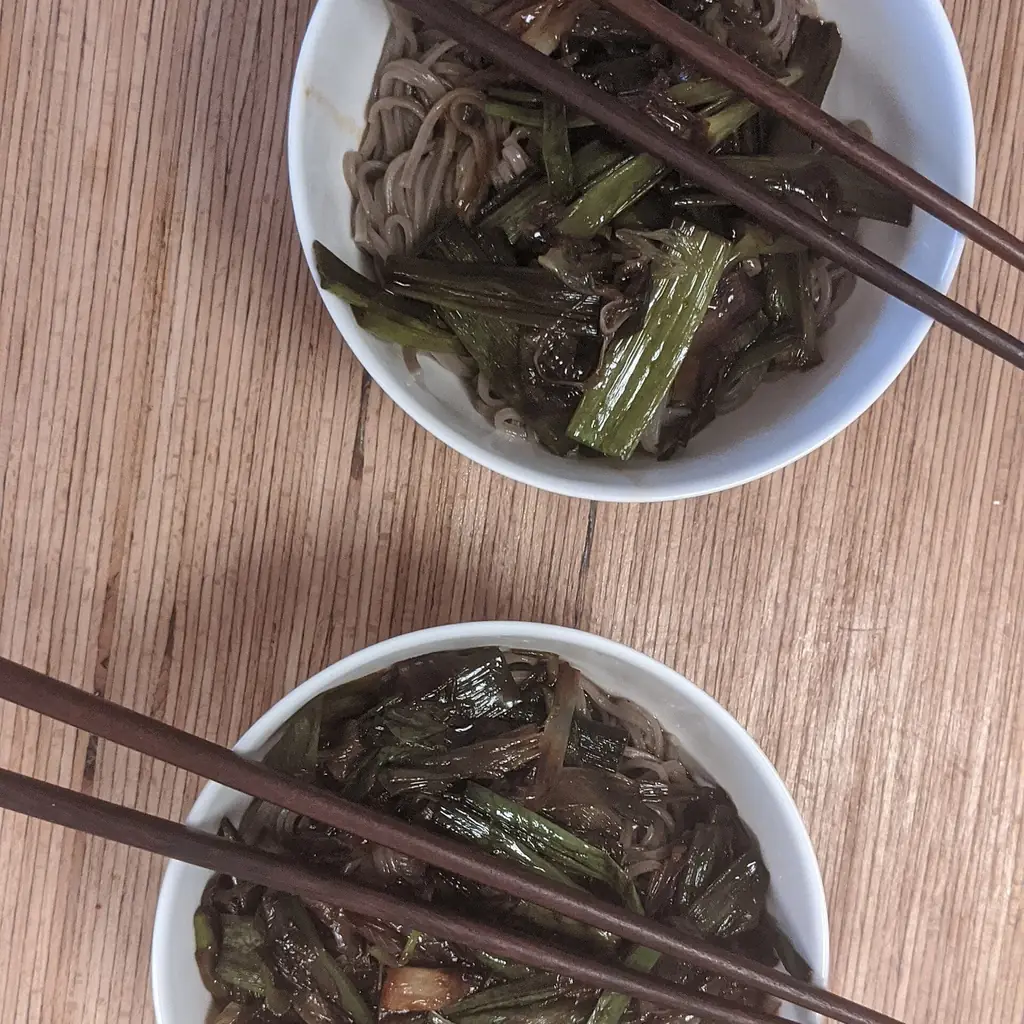
Soba noodles contain buckwheat, often combined with wheat flour. They can be served in hot broth or cold with a separate dipping sauce.
That choice could surprise someone who associated noodles only with a steaming bowl. A cold serving made the texture and the act of dipping especially noticeable.
The word does not guarantee that every noodle is entirely buckwheat. A remembered taste also cannot establish the ingredients used by one particular restaurant.
14. Thick udon noodles
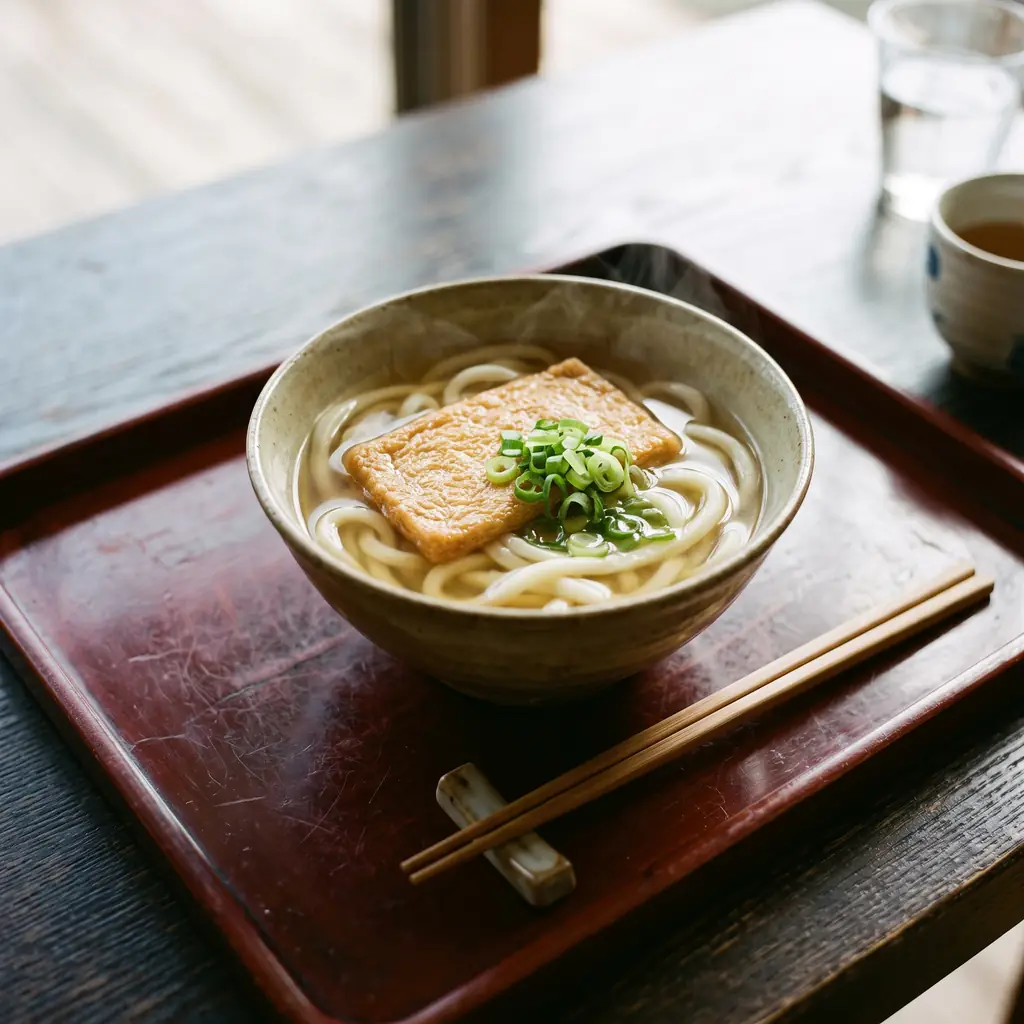
Udon uses a thick wheat noodle that feels different from thin soba or instant ramen. Broth, toppings and regional preparations vary.
A bowl can be simple while still demanding a different way of eating. The long noodles and broad spoon, when provided, make the meal physically memorable.
The noodle bowls complement the household practices in our look at habits families carried home, without implying that every American family adopted the same food routine.
15. Tofu entering more American kitchens
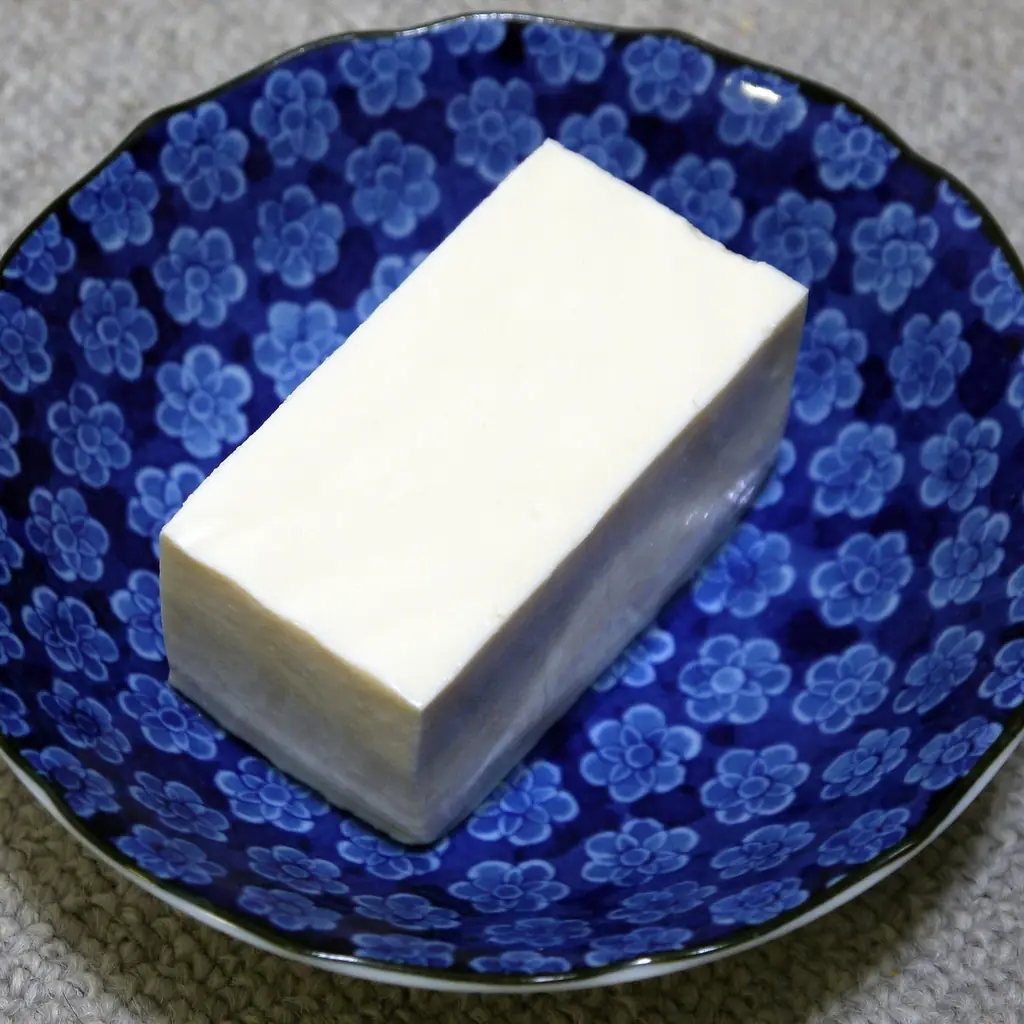
Tofu already had a long history in Asian communities. During the 70s and 80s, English-language books and new commercial products helped introduce it to additional American cooks.
A plain block could be unfamiliar because its appeal depended on texture and preparation rather than a strong flavor of its own. Firm and silken styles also behaved differently.
Morinaga announced its American tofu subsidiary in 1985. That company milestone was one part of a much older food tradition.
16. Curry rice encountered in Japan
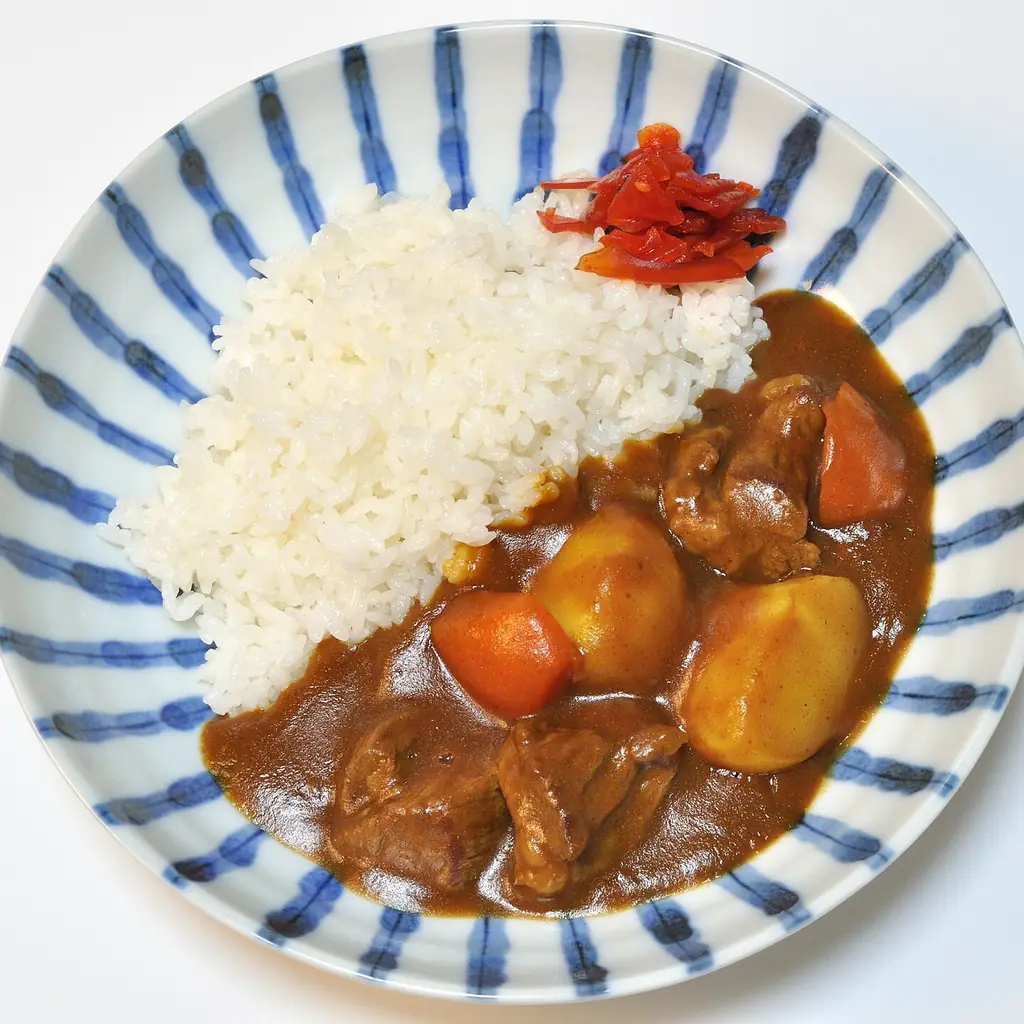
Japanese curry rice offered a thick sauce with rice, often including vegetables and meat. It was a familiar local meal well before the 70s.
S&B introduced Golden Curry in Japan in 1966. The company’s later export timeline should not be confused with that domestic launch.
For Americans living in Japan, curry could become part of the foods they wanted after leaving. For someone stateside, the timing depended on local shops and restaurants.
17. Pocky from a slim box
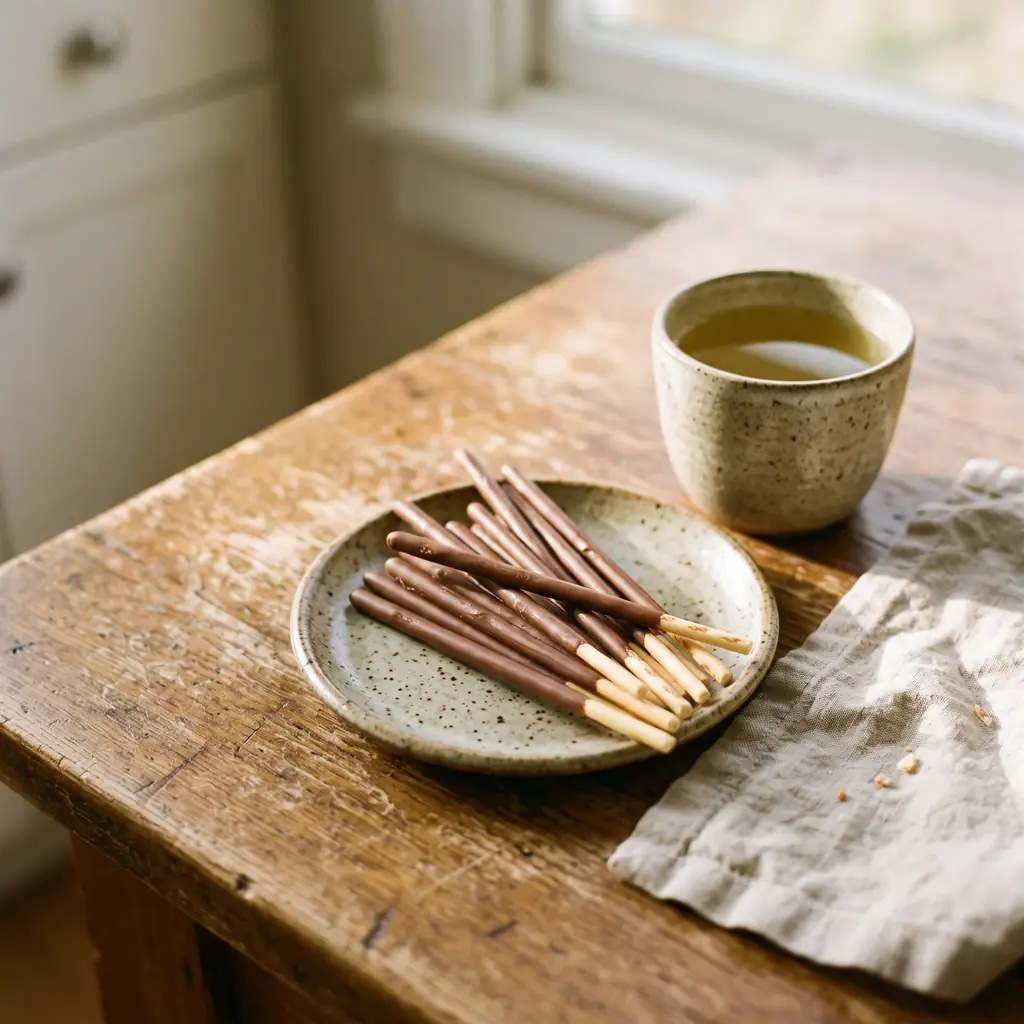
Glico introduced Pocky in Japan in 1966. The biscuit stick left one end uncovered, giving the eater a place to hold it.
A U.S. Court of Appeals opinion records American sales from 1978. That sales history is more specific than assuming today’s familiar packaging was everywhere at once.
The snack could travel as a small gift alongside Japanese toys and stationery. Flavor, package design and availability changed over time.
18. A Japanese American neighborhood restaurant
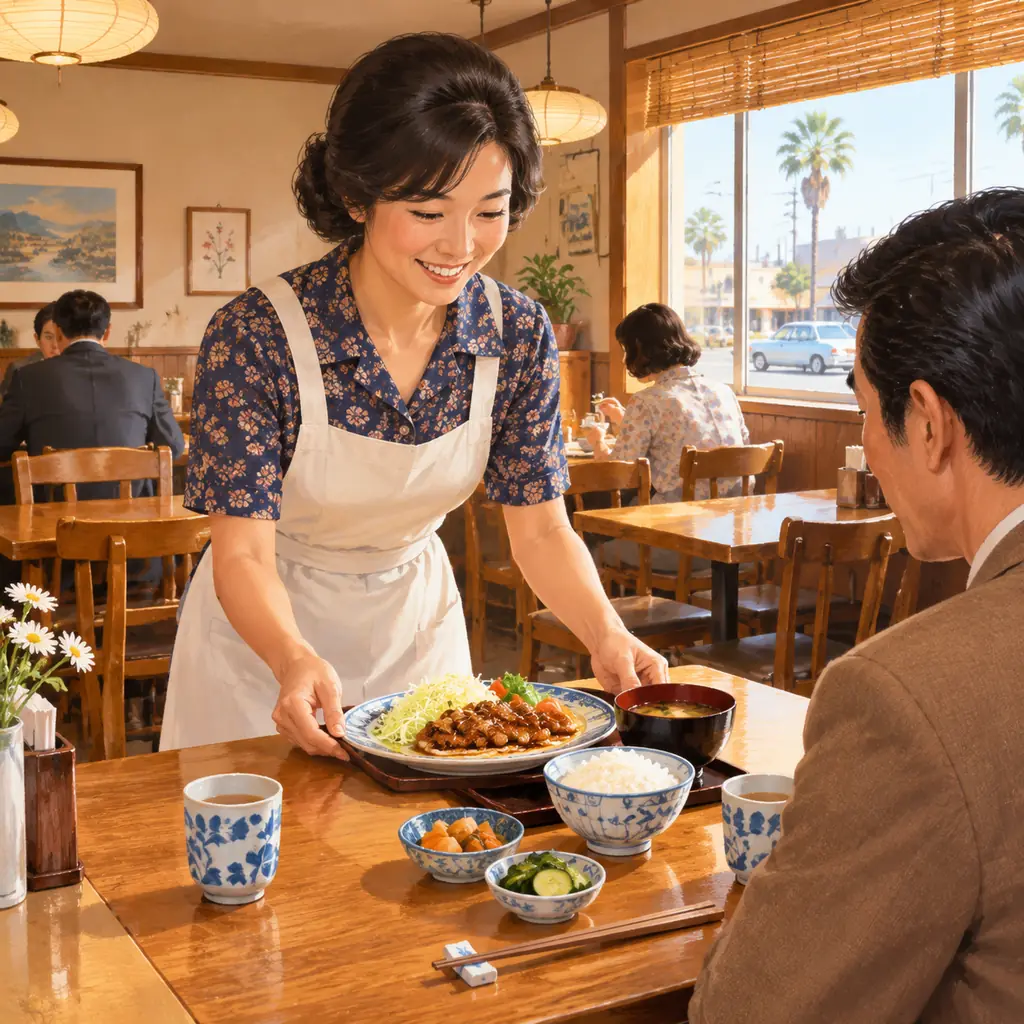
Longstanding community restaurants offered food beyond the famous steakhouse format. A 1972 Pacific Citizen issue carried an advertisement for Seattle’s Maneki, documenting its place in the neighborhood.
Such restaurants connected generations of residents, visitors and new diners. Their menus and rooms were part of local history rather than a sudden national trend.
The same caution applies to memories of living in Japan: the location and the family matter as much as the decade on a calendar.
Sources and further reading
- benihana.com
- nissinfoods.com
- nissinfoods.com
- sanyofoodsamerica.com
- kikkoman.com
- kikkoman.com
- historylink.org
- maff.go.jp
- maff.go.jp
- maff.go.jp
- seattlemag.com
- maff.go.jp
- maff.go.jp
- maff.go.jp
- soyinfocenter.com
- sbfoods-worldwide.com
- pocky.com
- www2.ca3.uscourts.gov
- pacificcitizen.org
Image credits
- Nissin Cup Noodle (Original) - 01.jpg by Quercus acuta; CC BY-SA 4.0. Cropped or fitted to a square, resized and converted to WebP. No subject details altered.
- Sapporo-ichiban Miso ramen (instant cup noodle).jpg by 毒島みるく; CC0. Cropped or fitted to a square, resized and converted to WebP. No subject details altered.
- Chicken teriyaki.jpg by Flickr.com user "Blue Lotus"; CC BY 2.0. Cropped or fitted to a square, resized and converted to WebP. No subject details altered.
- Chicken Teriyaki (with rice and slaw) at Toshi’s Teriyaki Grill, Seattle, Washington.jpg by Zheng Zhou; CC BY-SA 4.0. Cropped or fitted to a square, resized and converted to WebP. No subject details altered.
- Tempura 001.jpg by Ocdp; CC0. Cropped or fitted to a square, resized and converted to WebP. No subject details altered.
- Miso Soup 001.jpg by Ocdp; CC0. Cropped or fitted to a square, resized and converted to WebP. No subject details altered.
- Two bowls of soba noodles with chopsticks.jpg by Shisma; CC BY 4.0. Cropped or fitted to a square, resized and converted to WebP. No subject details altered.
- Japanese SilkyTofu (Kinugoshi Tofu).JPG by DryPot; CC BY-SA 3.0. Cropped or fitted to a square, resized and converted to WebP. No subject details altered.
- Beef curry rice 003.jpg by Ocdp; CC0. Cropped or fitted to a square, resized and converted to WebP. No subject details altered.
- Photo: erik forsberg from Helsingborg, Sweden / Wikimedia Commons, CC BY 2.0
- Photo: Mj-bird / Wikimedia Commons, CC BY-SA 3.0
- Photo: ajari / Wikimedia Commons, CC BY 2.0
- Photo: Yanay Rosen / Wikimedia Commons, Public domain