The Foods Military Families Still Miss From Japan
Taco rice, curry, ramen and island ice cream appear in military-family accounts and veterans’ memories of…
 By Denver Boter6 min read
A favorite meal can remain vivid long after the next military move. These foods appear in named family accounts and veterans’ recollections across several decades; recent convenience-store and restaurant memories are not presented as proof of a 1970s menu.
1. Taco rice tied to an Okinawan childhood
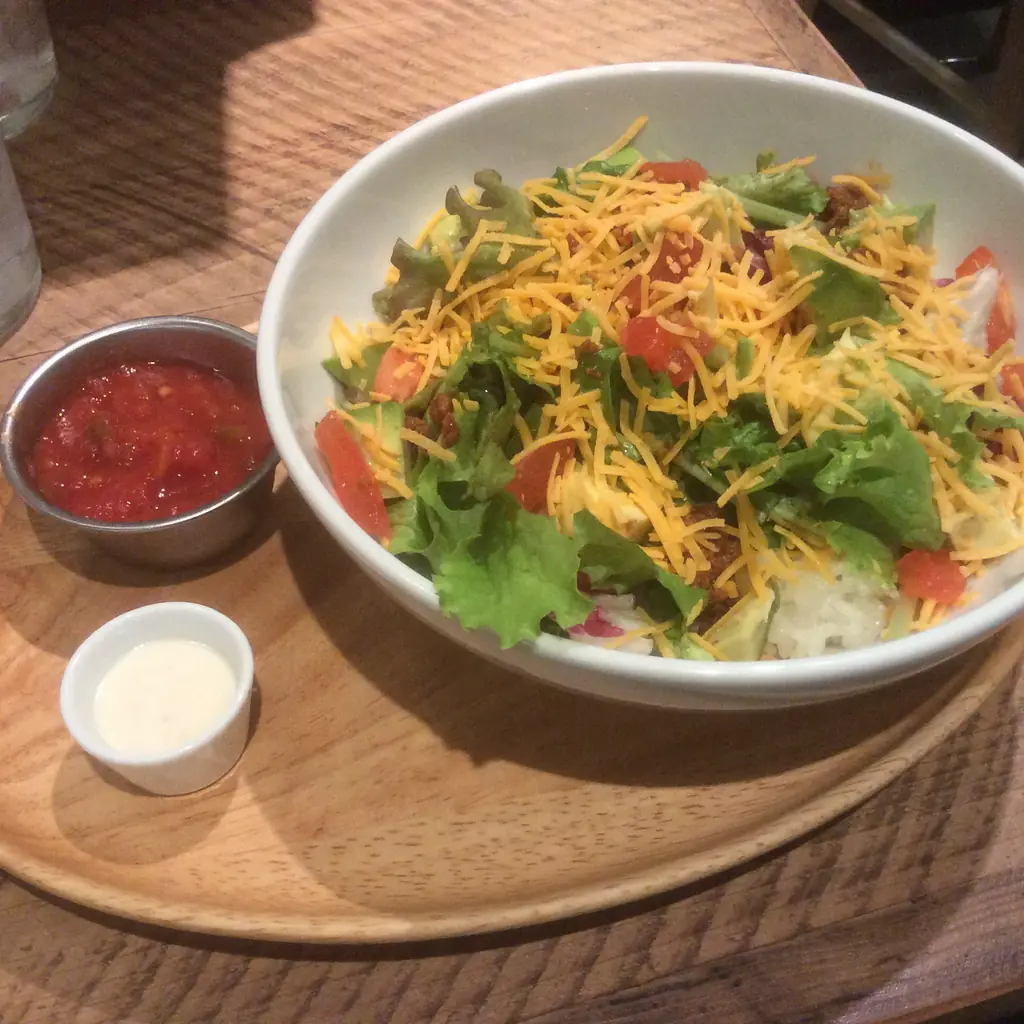
Artist Brandan “BMike” Odums chose taco rice when a podcast offered to recreate a meaningful food from his past. He connected it with his middle-school years in Okinawa while his father served in the Marines.
Seasoned meat, cheese and vegetables sit over rice instead of inside a taco shell. The familiar ingredients form a distinctly Okinawan combination.
The dish dates to 1984 in Kin. It belongs to later-80s and subsequent memories, not an imagined 1970s childhood staple.
2. Curry rice that children would eat
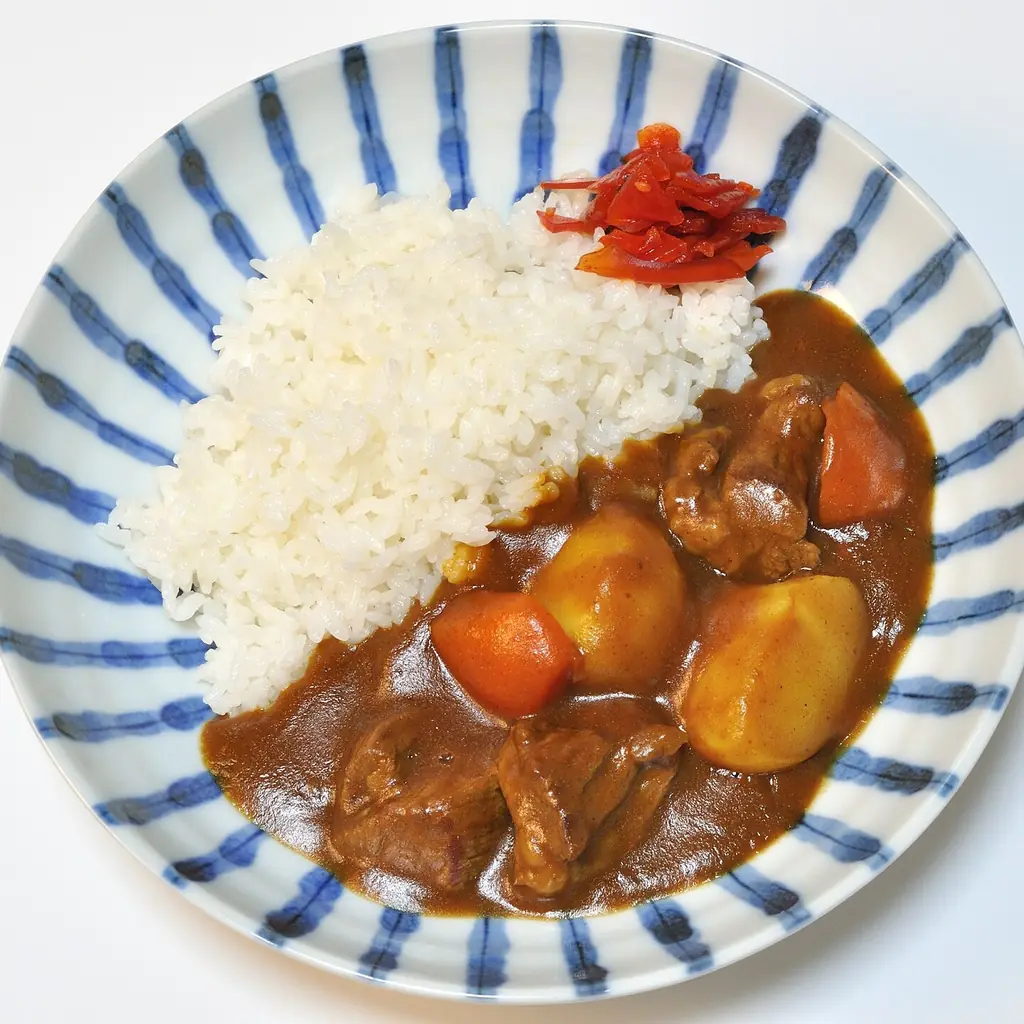
Marine spouse Mallory named curry rice among the things she would miss in her 2019 farewell to Japan. She described it as a reliable meal for her children.
The thick sauce and rice make a different kind of curry experience from a thin, sharply spiced broth. Each family can have a preferred version.
Her account belongs to a recent posting. The dish itself has a much longer history, but the date of the memory still matters.
3. Chicken-cutlet curry from a favorite restaurant
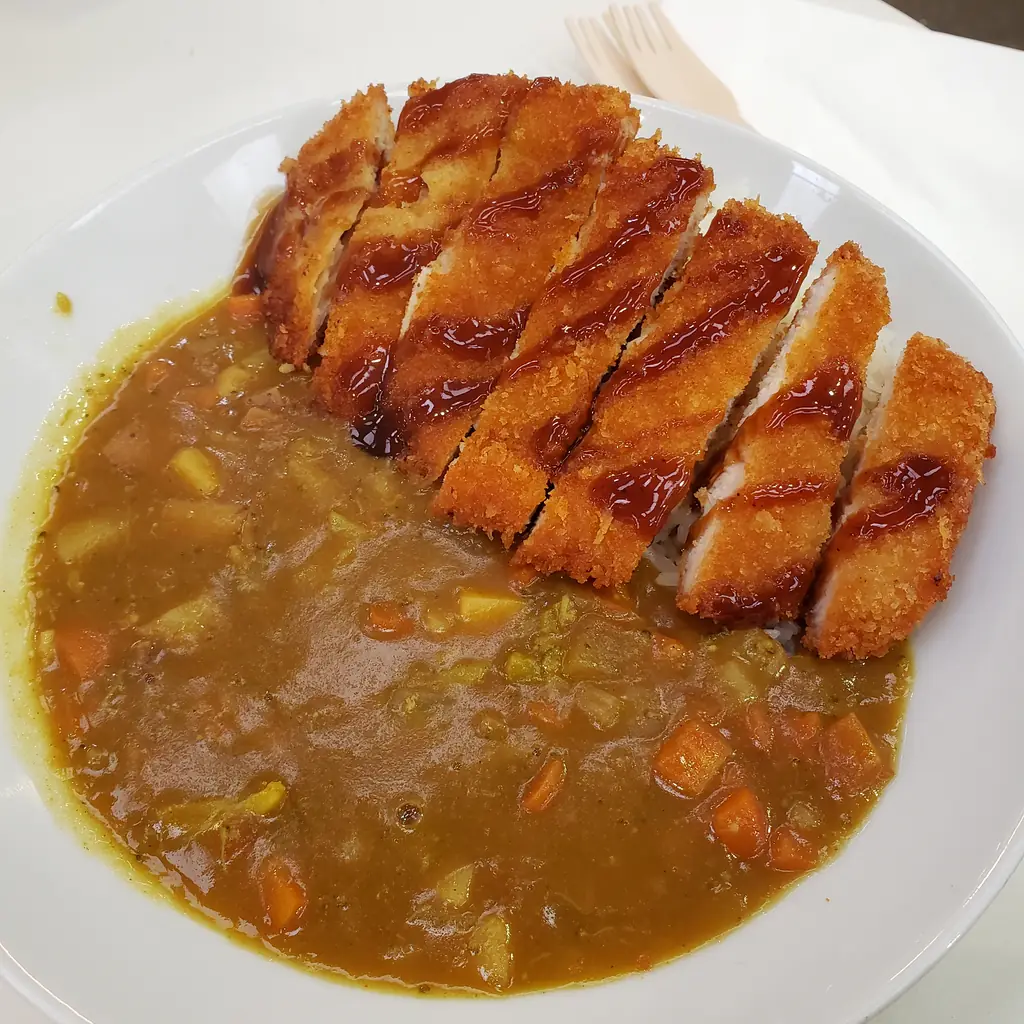
Chicken-cutlet curry recurs in a veterans’ discussion about foods missed from Okinawa. The crunchy cutlet and soft rice give the plate contrasting textures before any extra topping is added.
For a returning resident, recreating the sauce can become a project of its own. One contributor describes continuing to seek that familiar curry flavor years after leaving.
The self-reported discussion spans different service periods. It does not establish that a particular chain operated in a particular town during the 1980s.
4. A bowl of ramen from the local shop
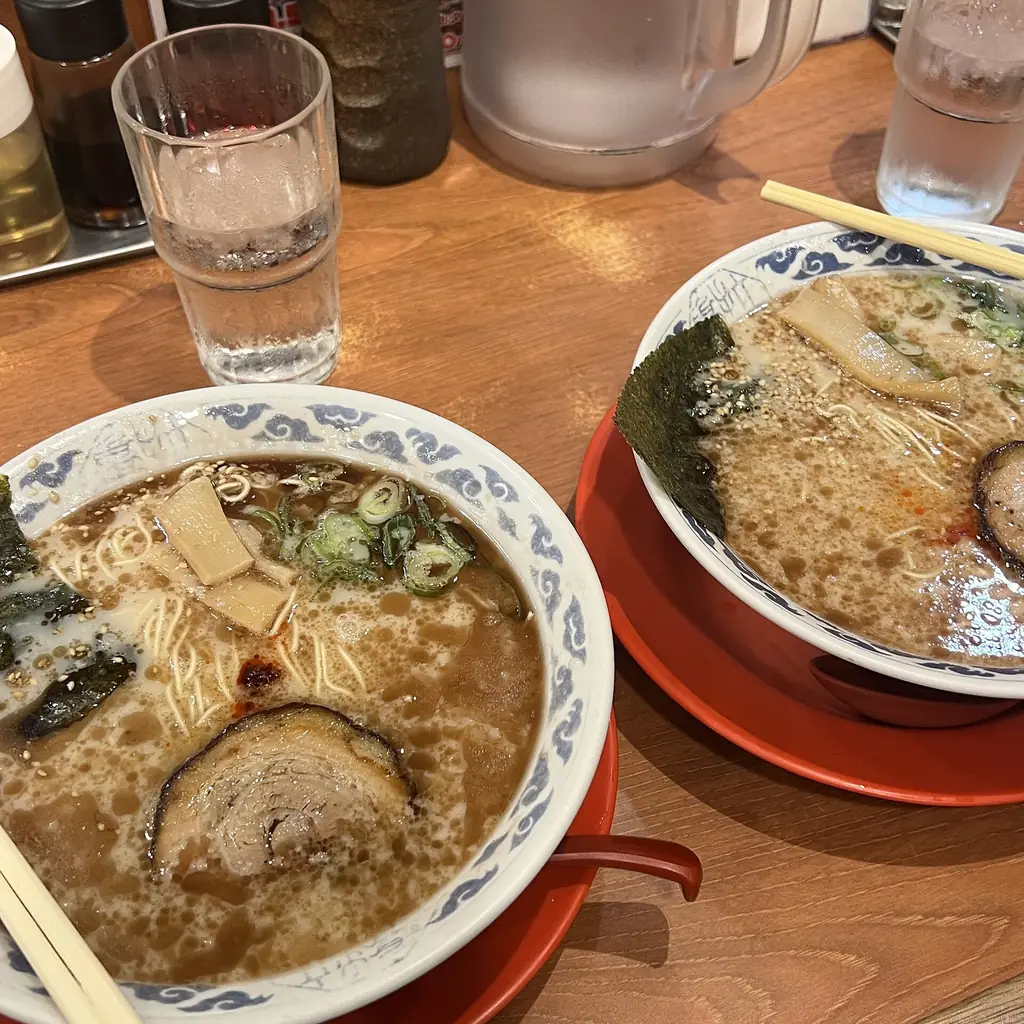
Ramen also appears in the same collection of veterans’ recollections. A remembered bowl can combine the noodles, broth and surroundings of one shop.
Changing the broth or noodle texture can make another bowl feel quite different. A packet of instant noodles therefore does not automatically reproduce the meal someone misses.
The earlier American packet-noodle story appears in our retrospective on Japanese foods Americans first encountered.
5. Chicken yakisoba near the gate
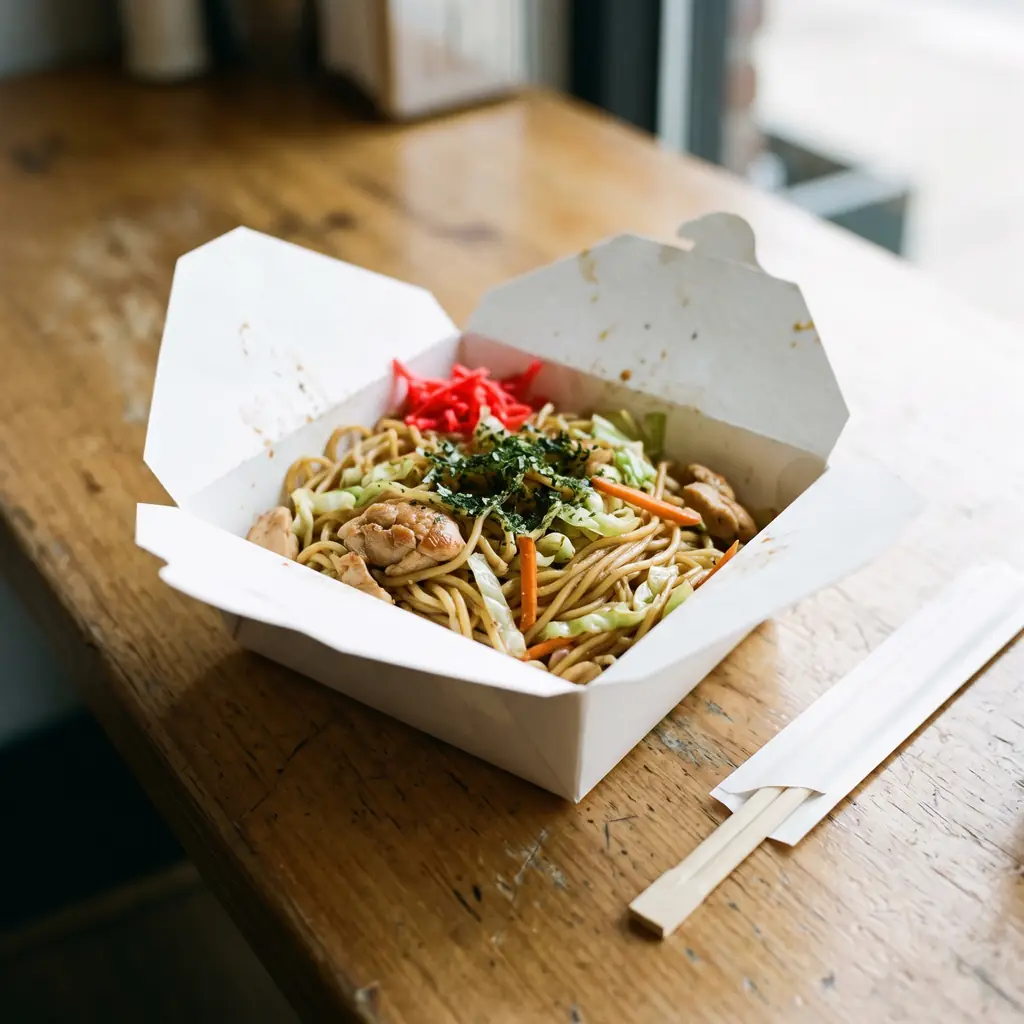
One veteran specifically remembers chicken yakisoba from an off-base stop. The memory connects a plate of stir-fried noodles with the end of a night rather than a formal dinner.
Yakisoba’s sauce-coated noodles provide a different texture from noodle soup. The vegetables and added protein vary with the cook.
The account is an individual recollection, not a verified inventory of every base-town restaurant. Its specificity is what makes it useful.
6. Yakiniku shared with other people
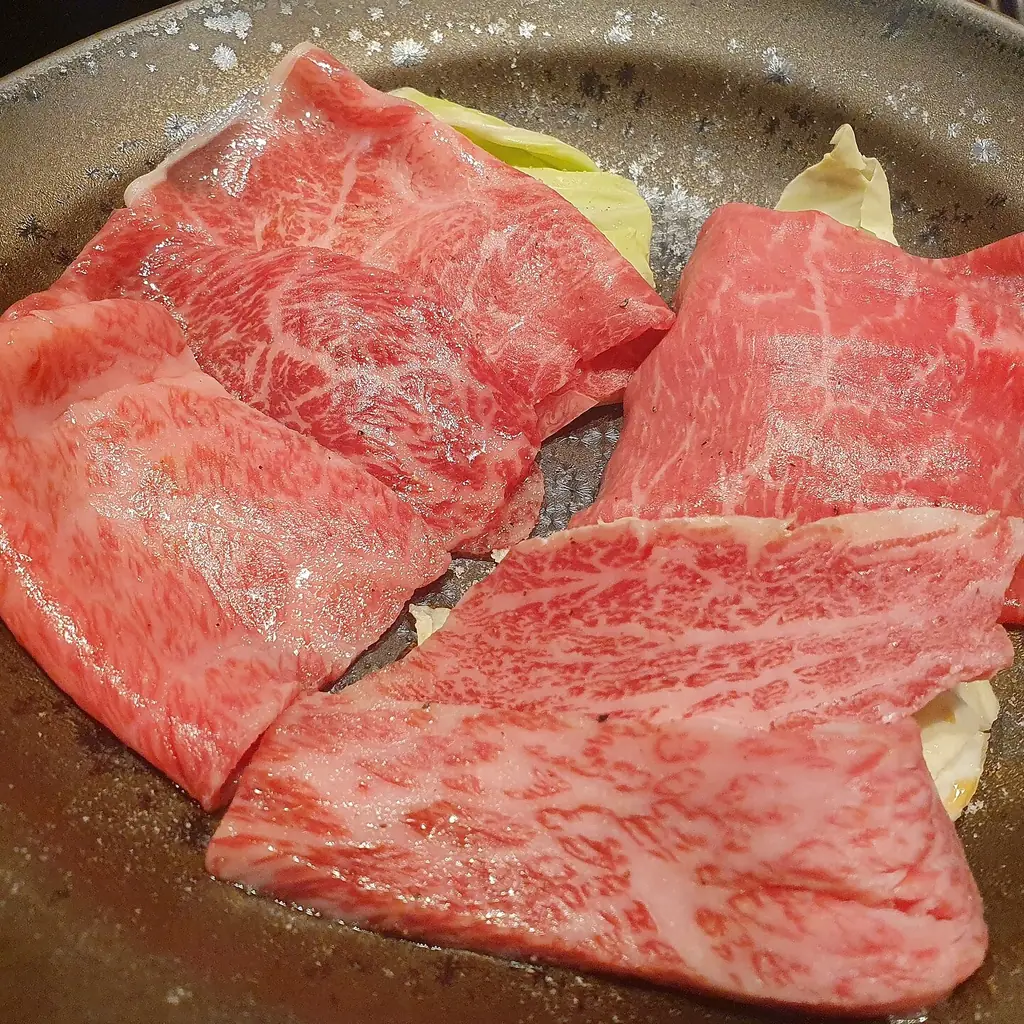
Yakiniku is another food named by former Okinawa residents in the discussion. The meal’s grilled meat can be part of a social routine as well as a taste memory.
Small portions arrive at the grill, cook and disappear while conversation continues. The sequence helps make the restaurant itself part of what is remembered.
That social setting belongs beside the friendships in our account of military-connected life in Japan, even when the food memories come from later decades.
7. Sushi from a familiar counter
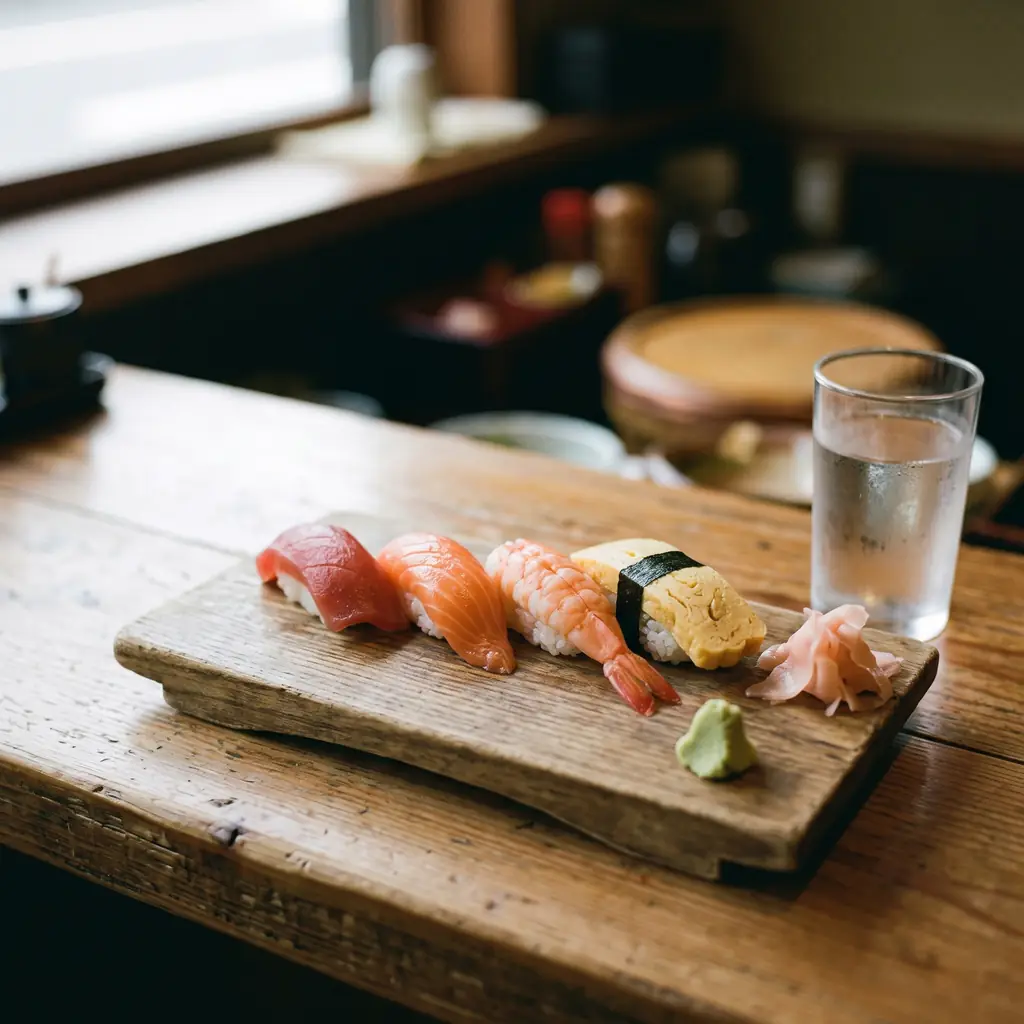
Veterans also single out sushi. The remembered attraction may be the particular fish, the rice or the comfort of returning to a place where ordering feels easy.
Sushi is not limited to raw fish, and the rice is central to the dish. A cooked or vegetable version can be just as real a childhood introduction.
Returning home can mean searching for a restaurant that supplies the same combination of texture and familiarity. No single American restaurant can reproduce every regional style.
8. The sushi-go-round as a family outing
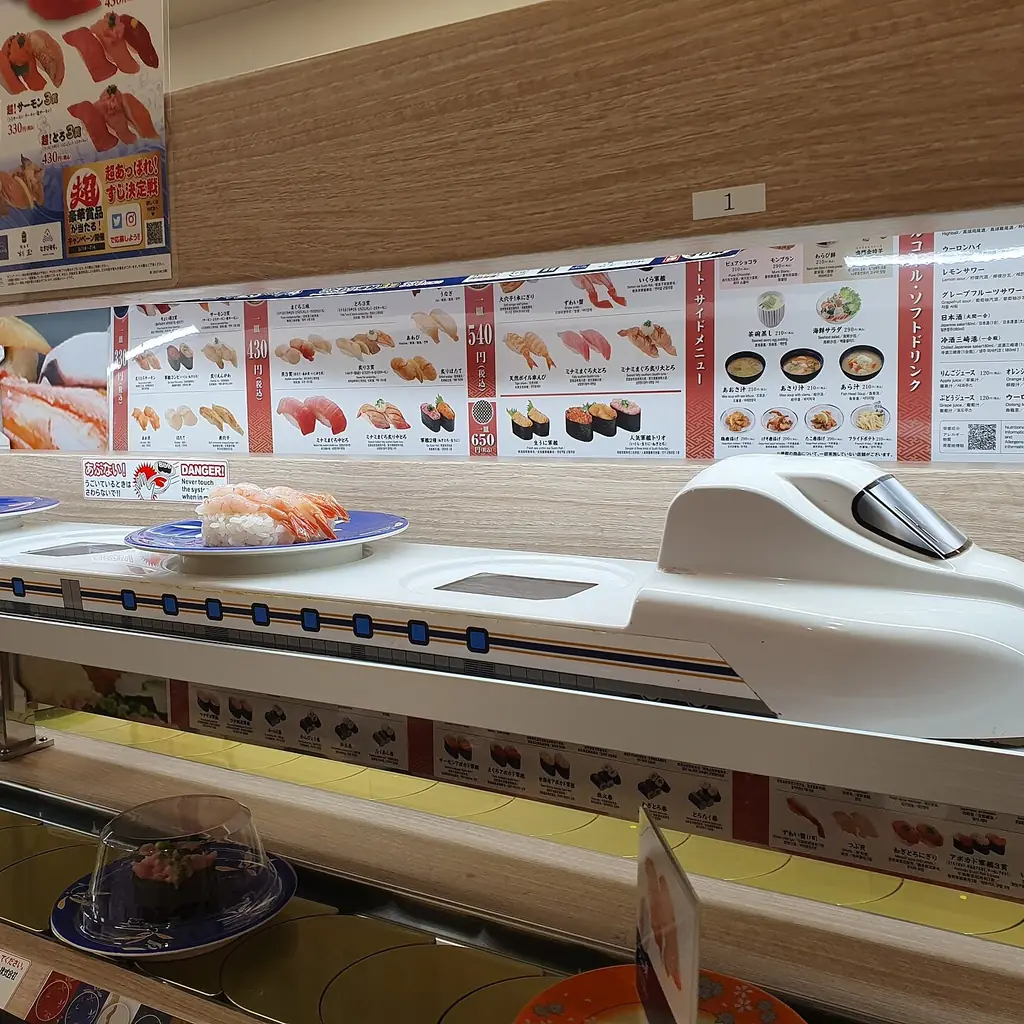
A military child’s 2023 Stars and Stripes contribution names the sushi-go-round as a favorite experience. The moving plates made choosing the meal part of the outing.
For a child, seeing options pass by can change an unfamiliar menu into something visible. The restaurant becomes memorable through motion as well as taste.
This is clearly a recent account. It adds another generation to the older base-family memories without pretending the experiences happened at the same time.
9. Blue Seal ice cream on Okinawa
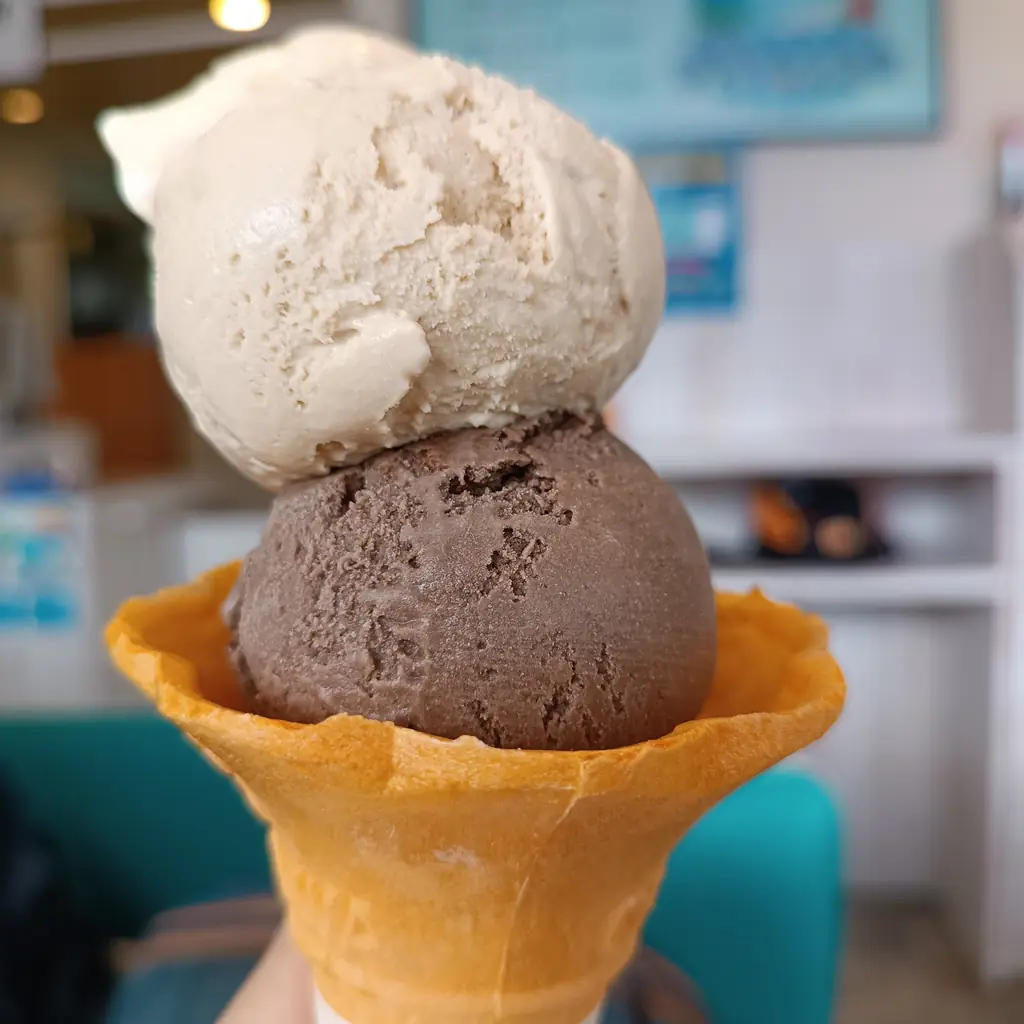
Blue Seal is named directly in veterans’ food recollections, and recent military children also describe visits. The name carries a strong Okinawan association.
A cold cone can attach itself to a drive, a family outing or a stop after another activity. That setting can matter as much as the flavor.
An American-rooted brand can become a local memory in Japan. It should not be described as proof that every food remembered from Okinawa originated in Japanese cuisine.
10. A&W with an Okinawan setting
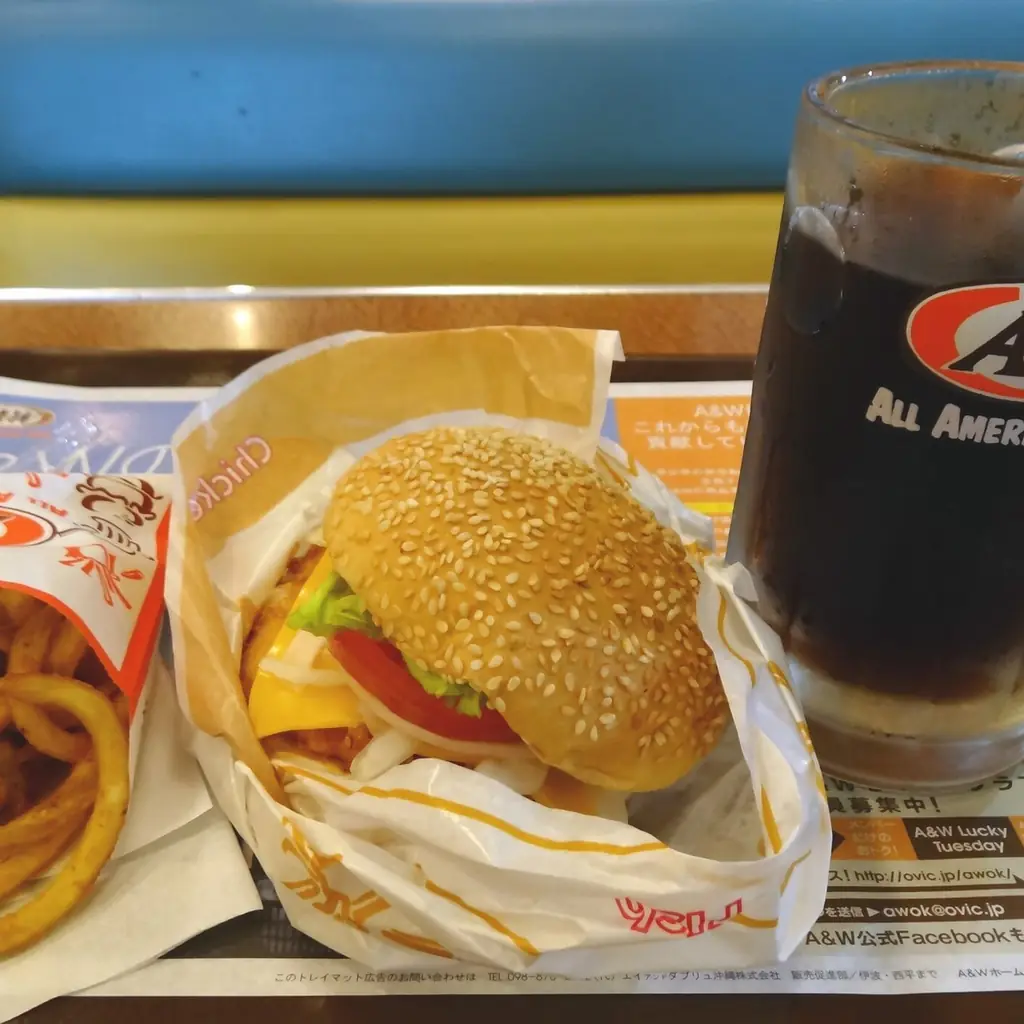
A&W is another name that former residents raise when talking about the island. The American chain can acquire a different personal meaning when connected with an overseas address.
Root beer, a burger and the place where a family ate can become one combined memory. Recognizing the name back in America does not necessarily recreate the occasion.
The period scrapbook linked in our keepsake article includes an A&W promotion dated 1987. That is a firmer date than an undated modern photograph.
11. MOS Burger rather than the usual American order
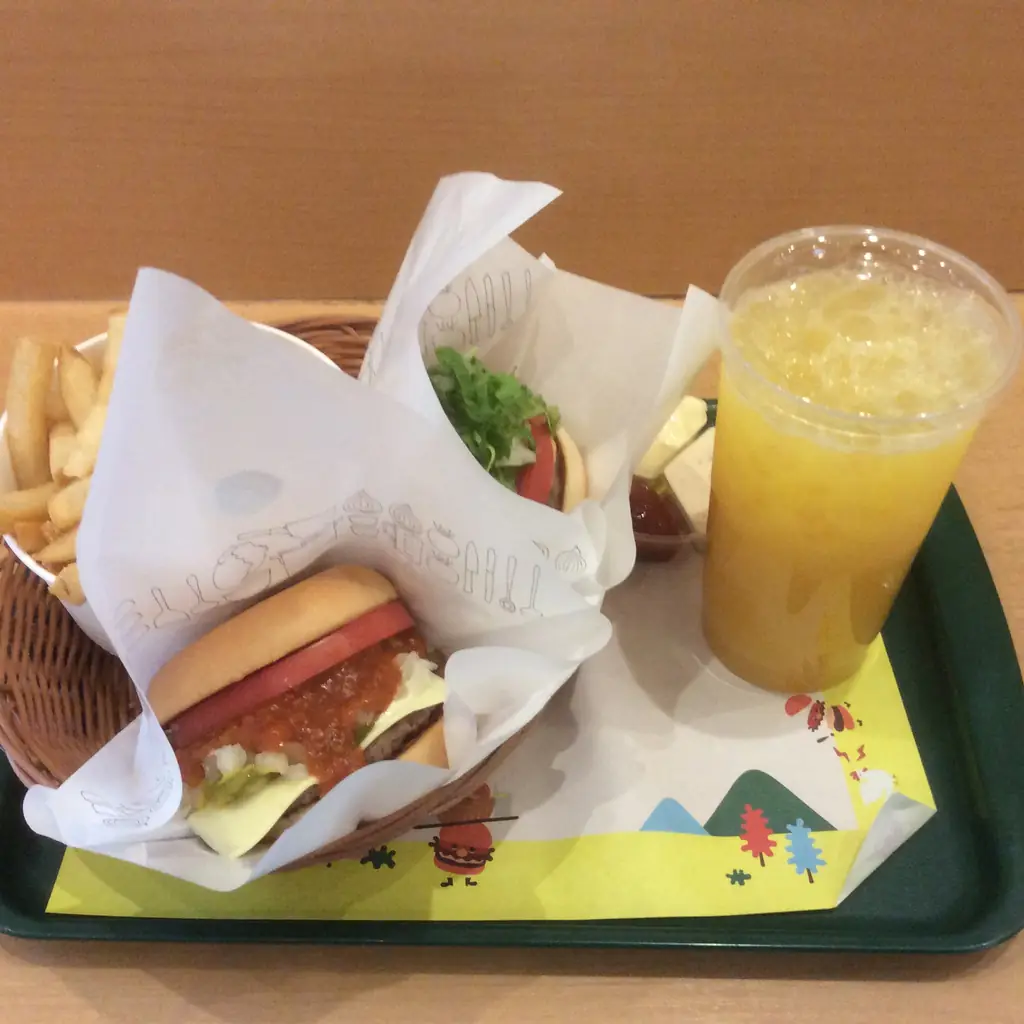
One former Okinawa resident also names MOS Burger. Its recognizable burger format offered something familiar while remaining part of eating out in Japan.
A remembered sauce or the way a burger was assembled can make a small fast-food stop surprisingly persistent in memory. The menu is not a fixed object across decades.
This item comes from a self-reported recollection. It is included as a memory of place, rather than a claim that every military family preferred the same chain.
12. Convenience-store dinners on a busy day
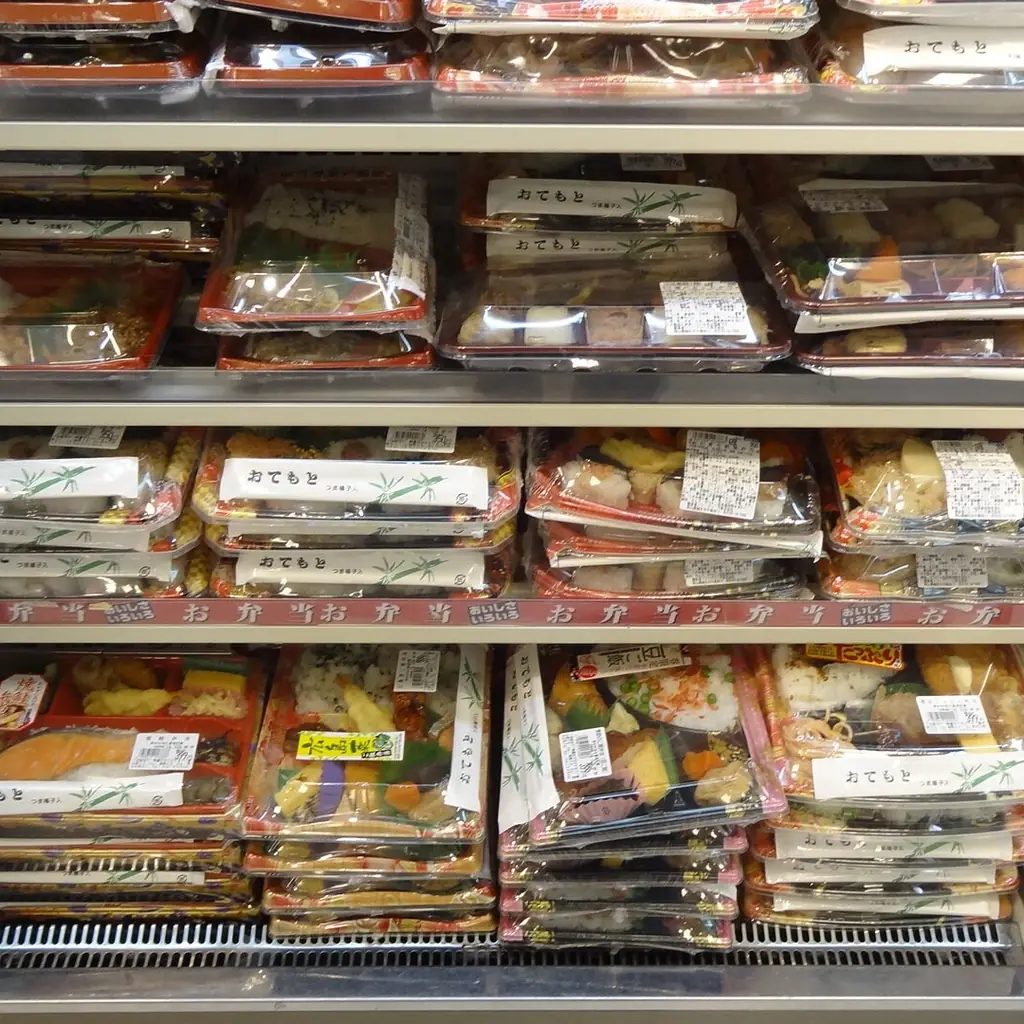
Mallory’s 2019 account describes feeding her family from 7-Eleven’s prepared-food selection. The practical convenience was part of what she expected to miss.
The meal did not need a reservation or a long restaurant stop. For a parent with children, that reliability could turn a shop into part of daily life.
The habit connects with routines families carried home. The source is recent, so its menu should not be used to reconstruct a 1970s convenience store.
13. Soft serve in an unexpected flavor
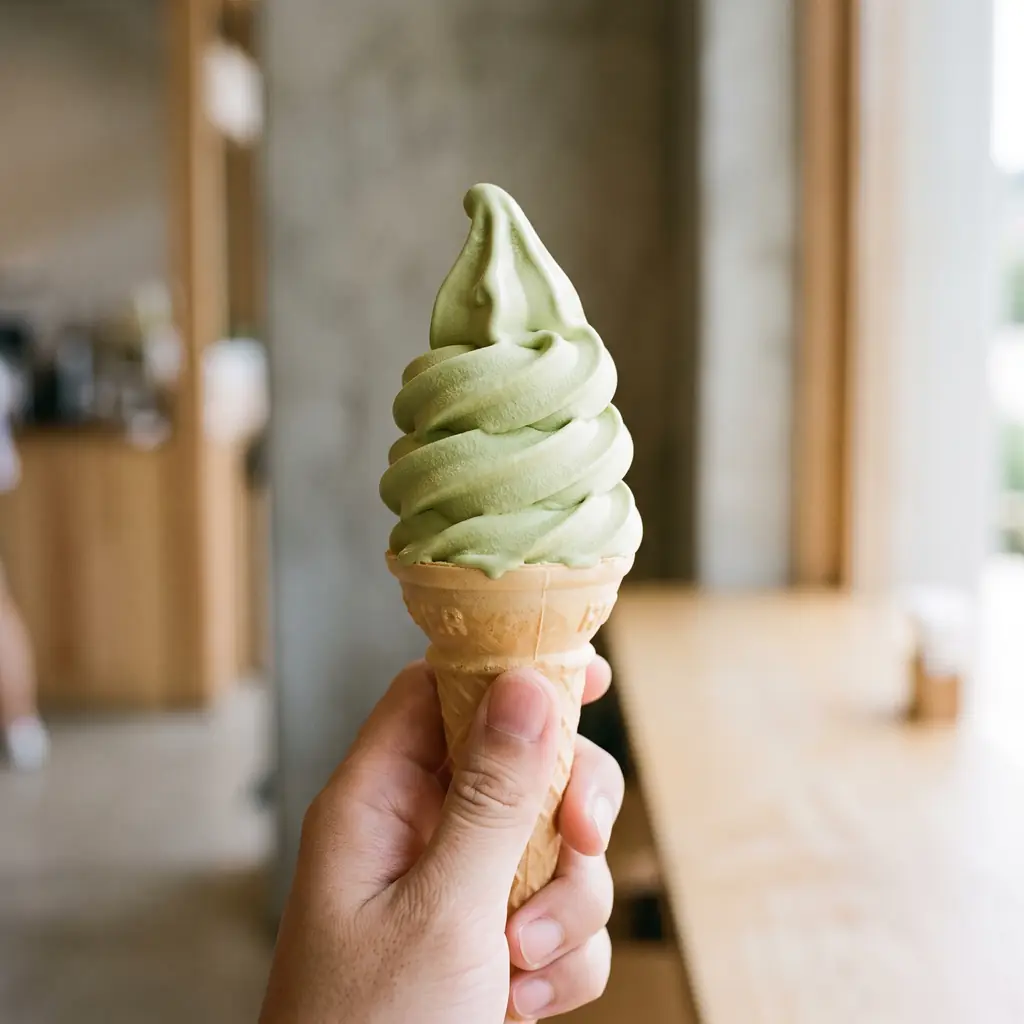
Mallory also recalls trying soft-serve flavors during her family’s posting. She identifies favorites rather than claiming to have tasted every option.
An ice-cream stop can create a small recurring challenge: choose the reliable flavor or try something unfamiliar. The color and setting can preserve the moment later.
Japanese snacks and small toys often become recognizable through this kind of modest, repeated choice rather than through a major purchase.
14. A restaurant keepsake that recalls the meal
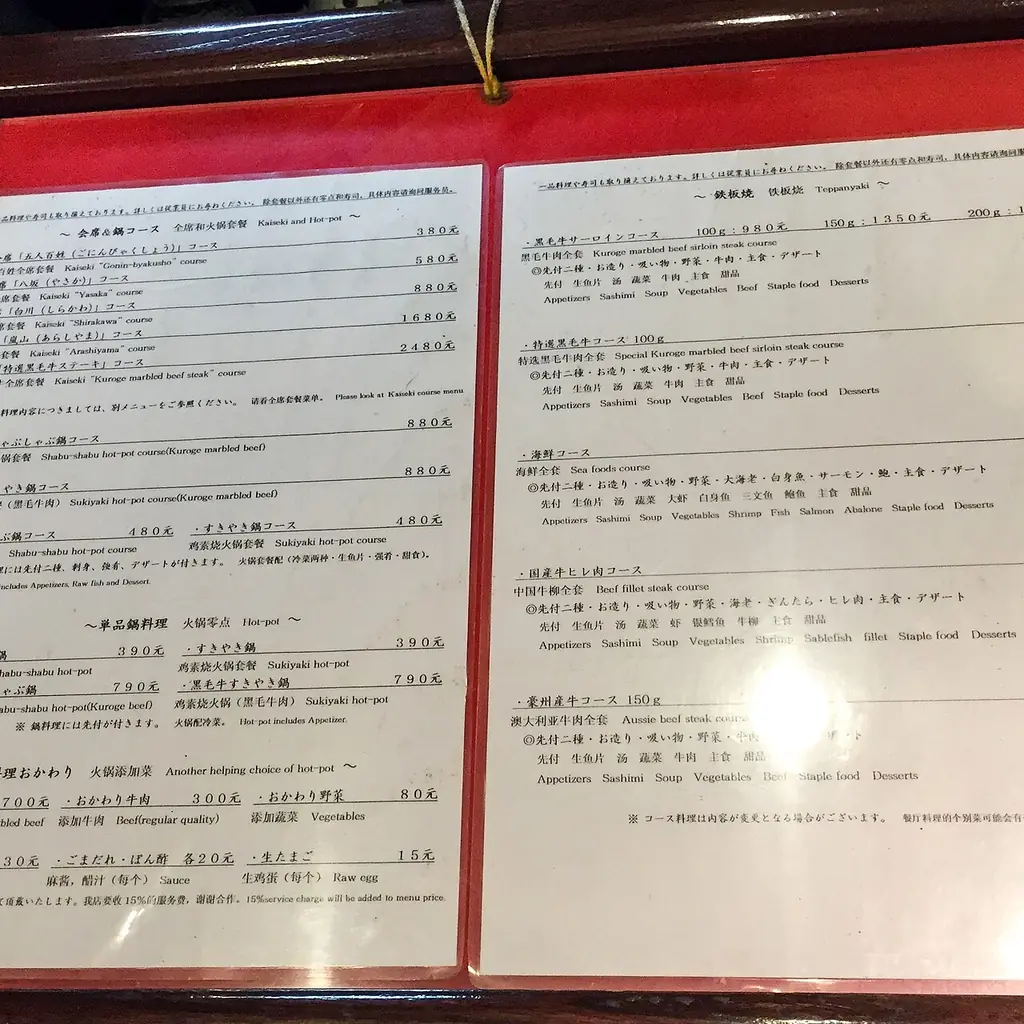
The ClickOkinawa scrapbook preserves restaurant paper items, including a Sam’s Anchor Inn item identified as late 1980s. A matchbook or napkin can retain a name after the restaurant itself has changed.
The object cannot reproduce the dinner, but it can help locate a memory. A dated menu may also reveal what was actually offered.
For more objects that preserve those connections, see the things families brought home from Japan. This is documentary context, not a claim that every keeper ate the same dish.
Sources and further reading
- shondaland.com
- allway-japan.com
- militarymomcollective.com
- sbfoods-worldwide.com
- reddit.com
- maff.go.jp
- maff.go.jp
- epub.stripes.com
- epub.stripes.com
- mickmc.tripod.com
Image credits
- Beef curry rice 003.jpg by Ocdp; CC0. Cropped or fitted to a square, resized and converted to WebP. No subject details altered.
- Ramen in Osaka.jpg by Choy Ada; CC BY 4.0. Cropped or fitted to a square, resized and converted to WebP. No subject details altered.
- Beef meat at yakiniku restaurant just outside Moon Beach.jpg by Syced; CC0. Cropped or fitted to a square, resized and converted to WebP. No subject details altered.
- Shinkansen-shaped order delivery conveyor at kaitenzushi restaurant.jpg by Syced; CC0. Cropped or fitted to a square, resized and converted to WebP. No subject details altered.
- A&W Okinawa DX Chicken Curly Flies Root beer.jpg by ja:User:Sanjo; CC BY-SA 3.0. Cropped or fitted to a square, resized and converted to WebP. No subject details altered.
- Bento Boxes in Japanese Convenience Store (13539630195).jpg by Martin Lewison; CC BY-SA 2.0. Cropped or fitted to a square, resized and converted to WebP. No subject details altered.
- Kaiseki menu at Gonin Byakusho Japanese Restaurant (20150822181300).jpg by N509FZ; CC BY-SA 4.0. Cropped or fitted to a square, resized and converted to WebP. No subject details altered.
- Photo: nesnad / Wikimedia Commons, CC BY 3.0
- Photo: Andy Li / Wikimedia Commons, CC0
- Photo: Naha Mama Pavilionz / Wikimedia Commons, CC0
- Photo: nesnad / Wikimedia Commons, CC BY 3.0