The Japanese Habits Some Families Brought Home
Shoes by the door, small towels and familiar gestures: attributed accounts show how some Americans carried…
 By Kevin Tanza6 min read
Returning from Japan did not always mean leaving every routine behind. These attributed accounts span different generations, mostly recent decades, and describe habits that sometimes lasted for years and sometimes faded after the return.
1. Leaving outdoor shoes at the entrance
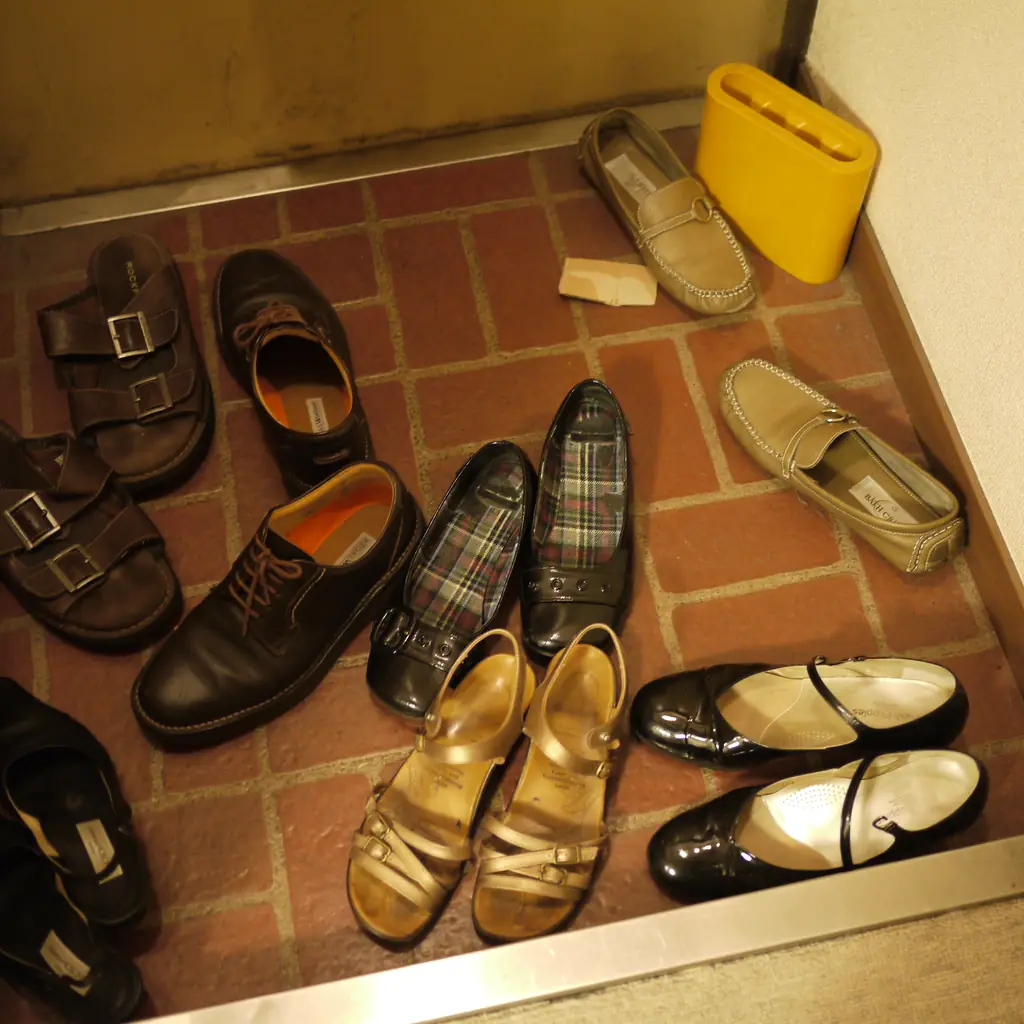
Travel writer Steven, interviewed by Wandering Helene, describes becoming a no-shoes-indoors convert after living in Japan. The change was a household routine rather than a purchased souvenir.
An entrance becomes the place to stop, remove shoes and continue inside differently. The boundary can remain useful after the address changes.
Many American families already remove shoes at home. The account describes one person’s change, not a practice unique to Japan or absent from America.
2. Keeping a small towel in a bag
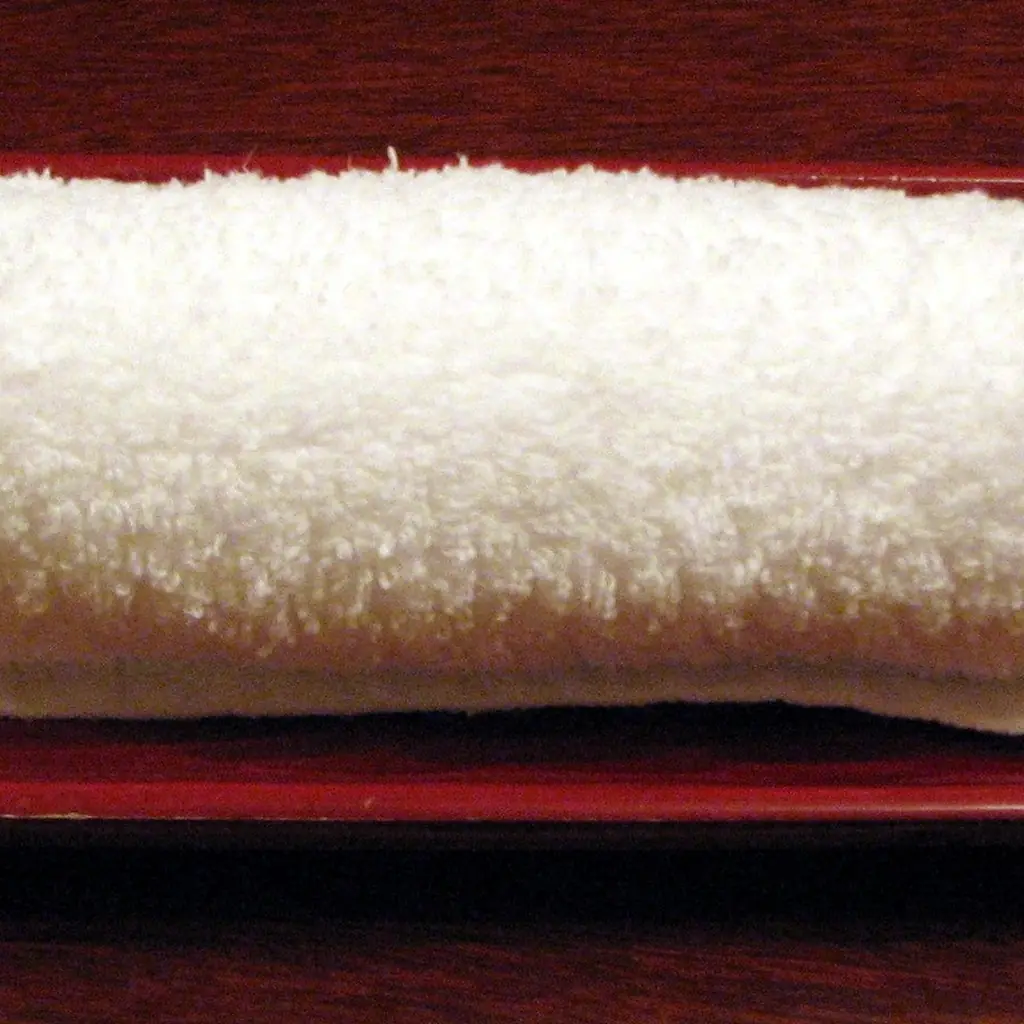
In her 2016 account, Alissa describes carrying a small hand towel after her time in Japan. It gave her something dependable for drying her hands away from home.
The object is modest enough to disappear into a handbag, yet it can change an everyday routine. Washing no longer depends on finding a paper towel.
Her observation concerns the places she used. It should not be expanded into a claim that every Japanese public bathroom lacks drying facilities.
3. Keeping a rice cooker in regular use
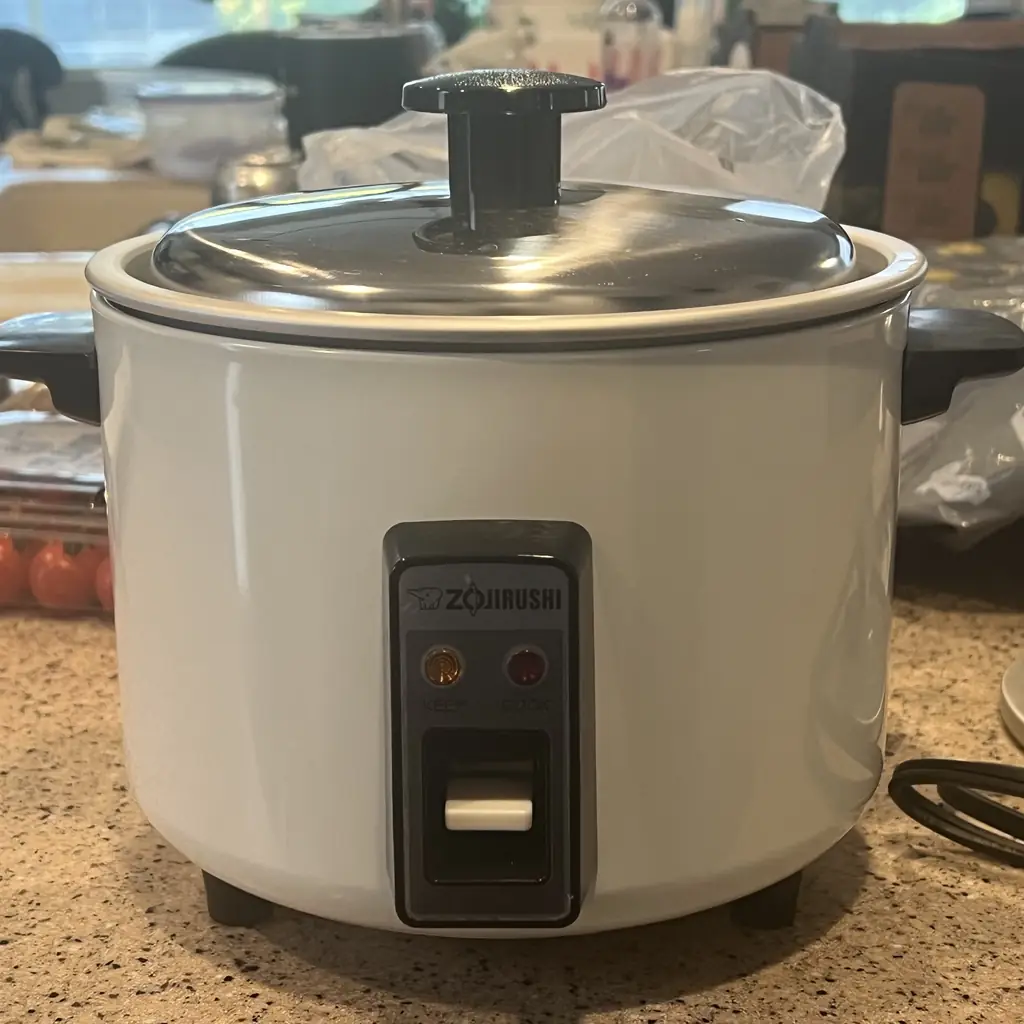
A contributor to a rice-cooker discussion describes buying a Zojirushi while stationed in Okinawa more than 30 years earlier. The self-reported memory links an appliance with continued home cooking.
A separate cooker can make rice a predictable part of dinner. The routine may matter more than keeping the exact original machine forever.
The account is an owner’s recollection, not an independent durability test. It is also one possible connection between service abroad and a later kitchen.
4. Giving a small bow without thinking
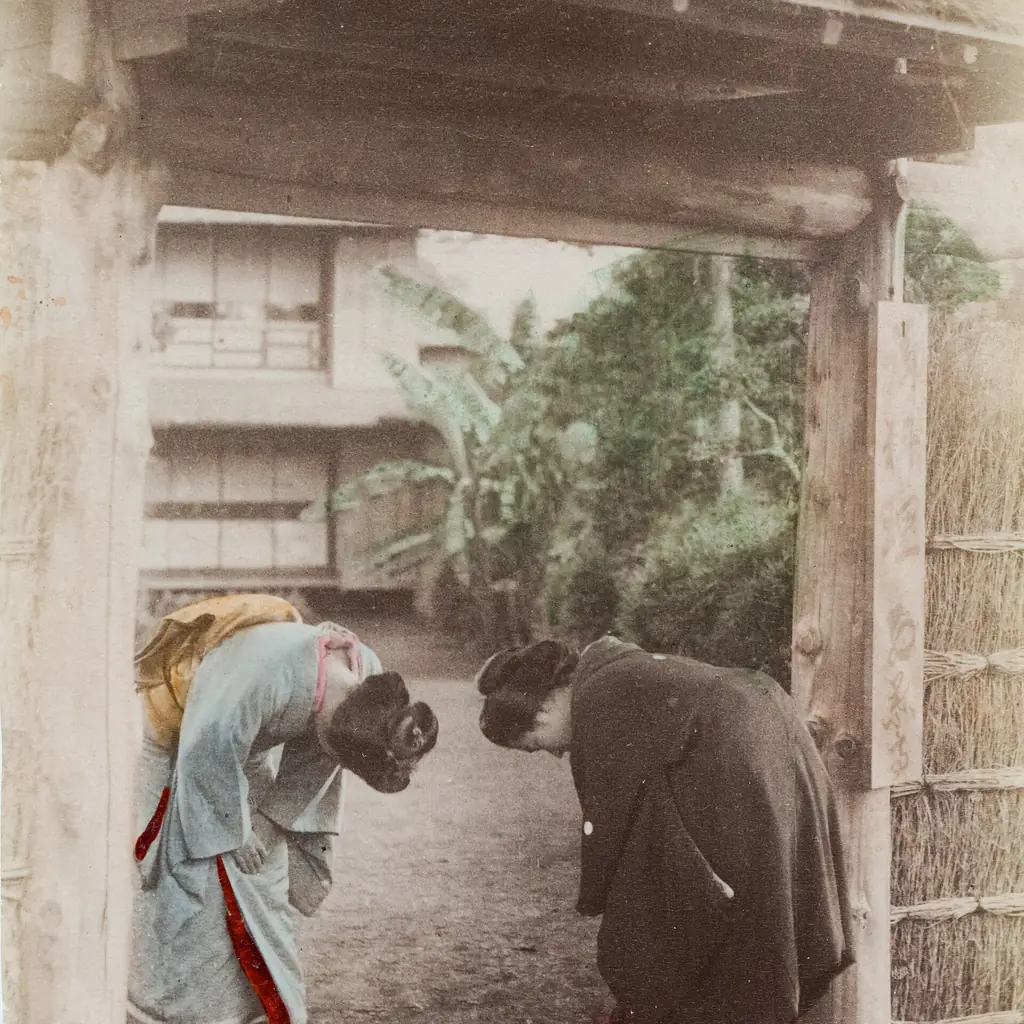
Nia Davis describes bowing to a CVS cashier after returning to the United States. The gesture had become automatic during her time in Japan.
A person can carry a movement home before consciously deciding to keep it. The familiar setting changes, but the response arrives first.
The story is from 2016, rather than the 70s and 80s base memories in our separate retrospective. Different generations can recognize a similar moment.
5. Answering with a Japanese acknowledgment
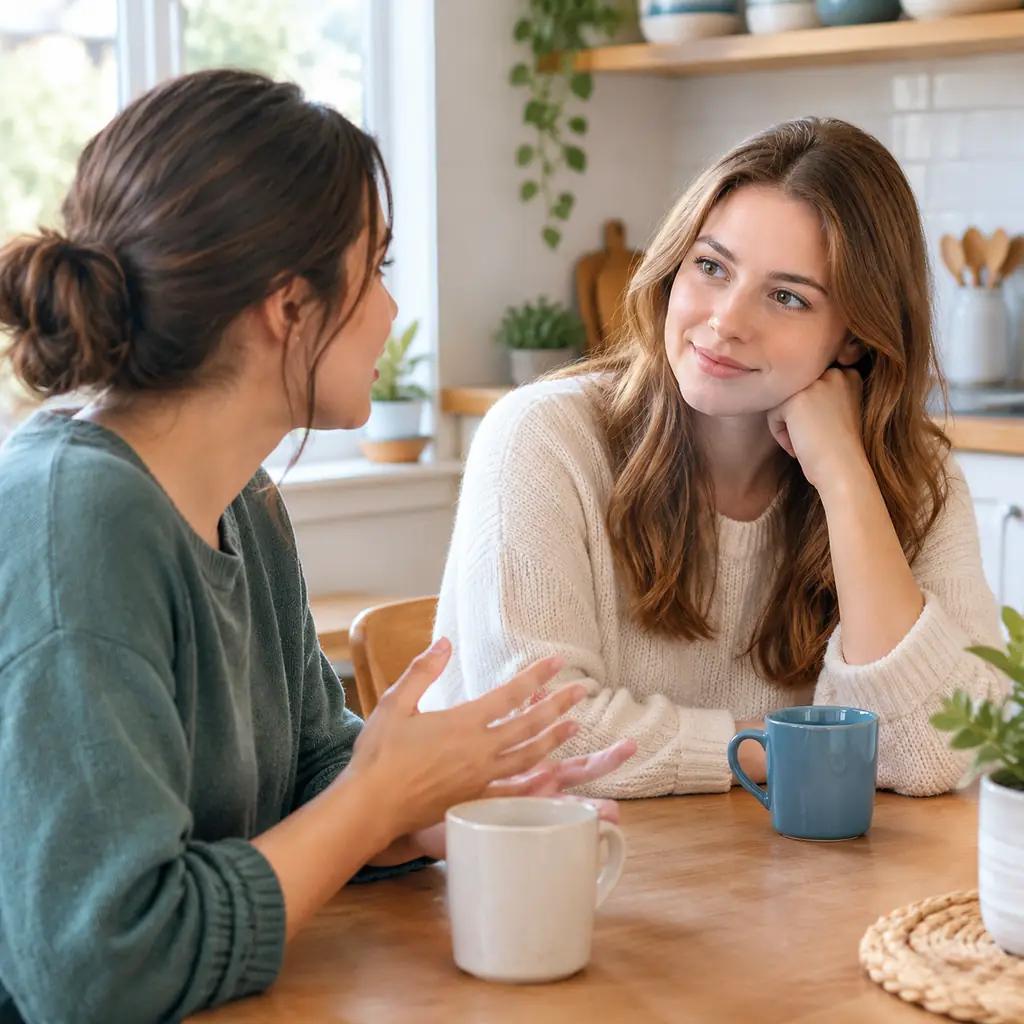
The American writer behind Japan Therapy describes continuing to answer casually with “un” after returning home. Friends and family did not always understand the response.
A short acknowledgment can become part of conversation through repetition. Keeping it does not mean someone has forgotten English or speaks for Japanese people.
The account offers a small, specific example of language lingering after a stay. It is a different kind of keepsake from an object packed in a suitcase.
6. Being more aware of a mouthful of food
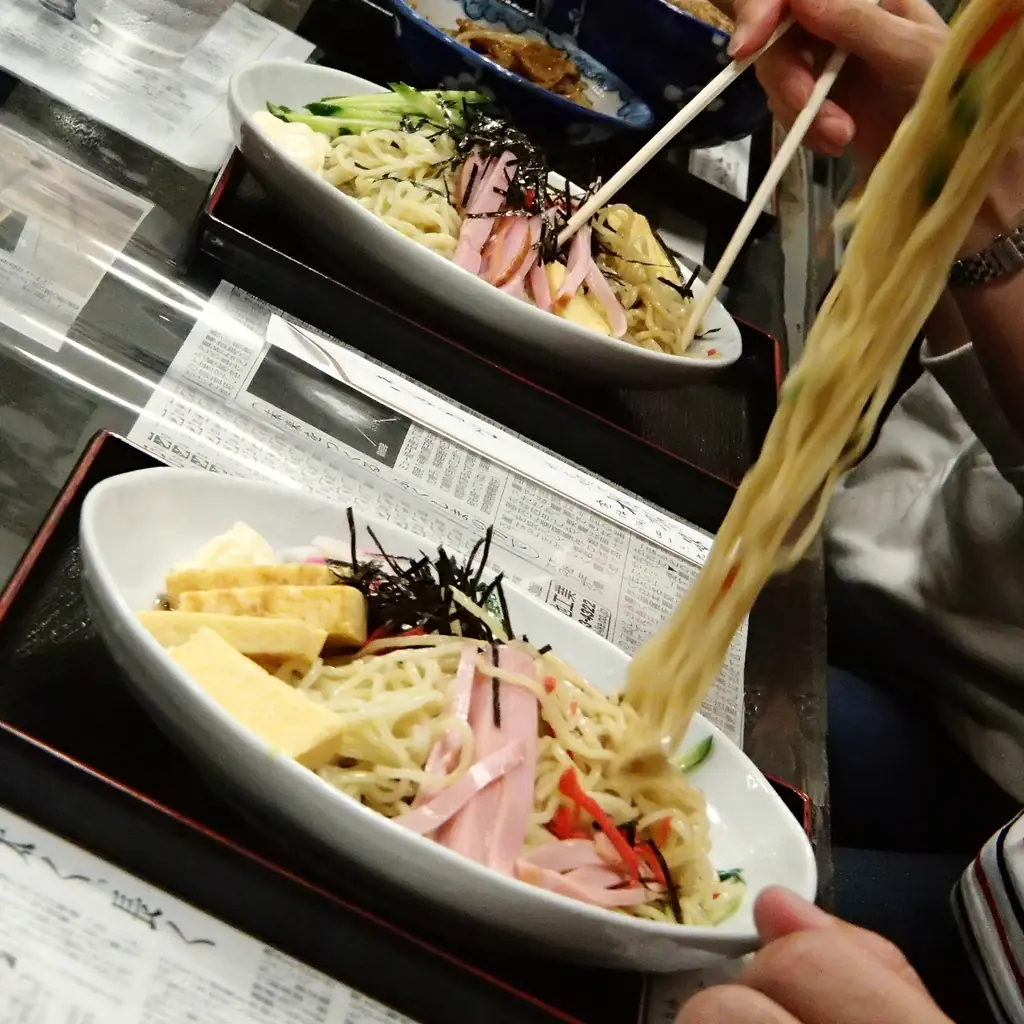
The same Japan Therapy writer describes covering her mouth during a dinner-table conversation when she still had food in it. She says the gesture remained part of her life in America.
It is a personal table habit, not a rule that every Japanese person observes in the same way. Avoiding speech while chewing is another practical choice.
Such small adjustments can outlast the first excitement of trying unfamiliar food. The source describes her own behavior rather than a universal cultural standard.
7. Tying long hair back for work
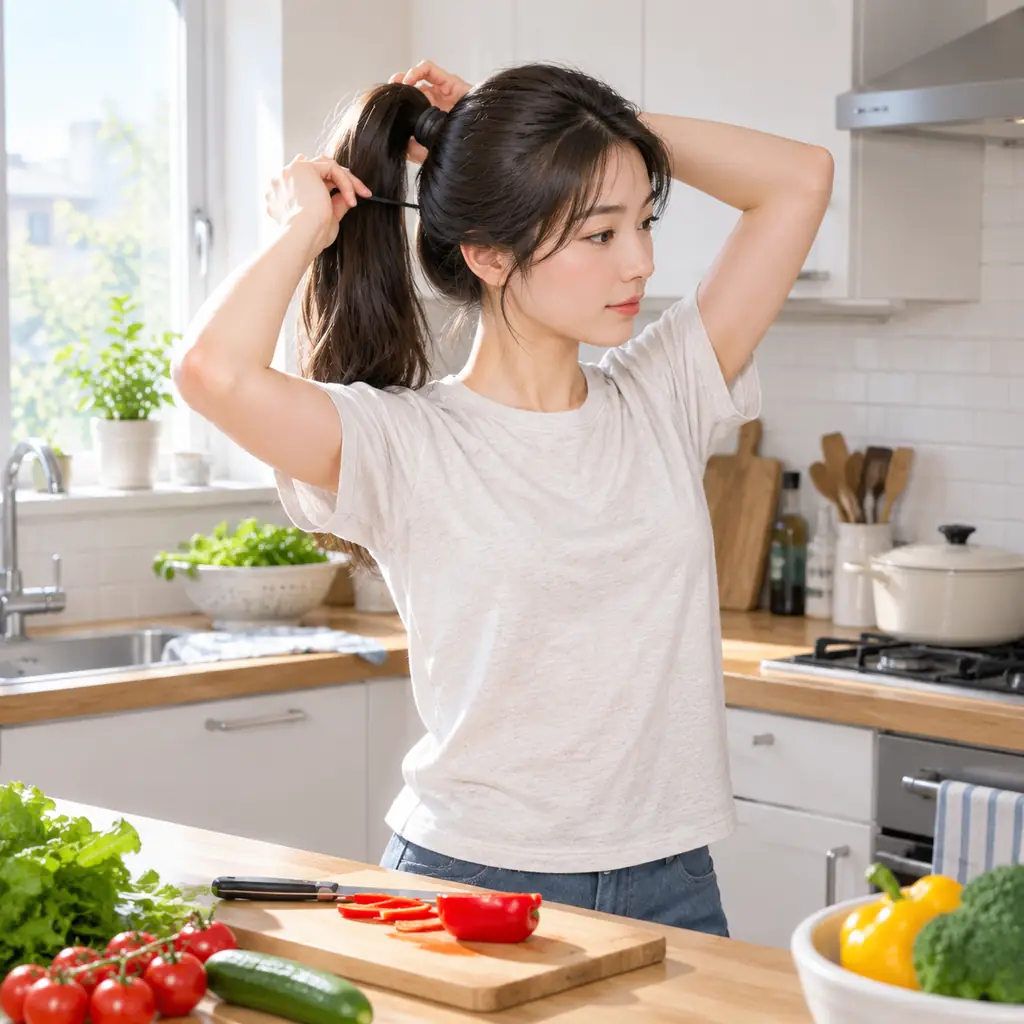
Alissa recalls keeping her hair tied back at work after returning to America. The routine came from the expectations she encountered at one Japanese workplace.
When colleagues suggested wearing it differently, the old arrangement still felt more natural to her. A practical grooming choice had acquired the force of habit.
She also notes that expectations differed between employers. The story therefore does not establish a national requirement for every professional woman in Japan.
8. Hanging laundry instead of using a dryer
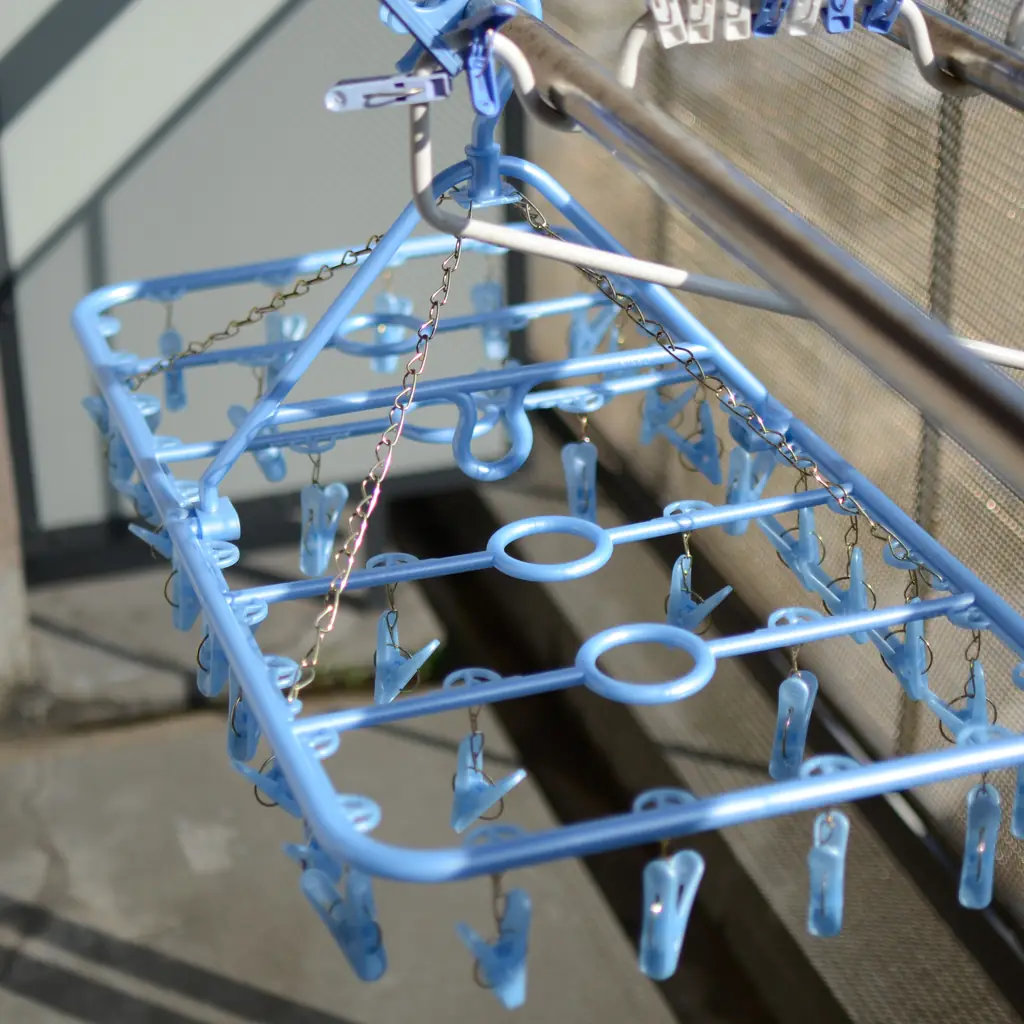
Alissa’s return to Southern California included air-drying clothes in a closet or backyard. She connected the choice with habits from Japan and the available sunshine.
The process changes where laundry goes after washing. A shirt waits on a hanger rather than moving immediately to another appliance.
Air-drying is familiar in many countries, including America. Her account is useful because it explains one person’s reason for continuing it, not because the practice belongs exclusively to Japan.
9. Apologizing more automatically
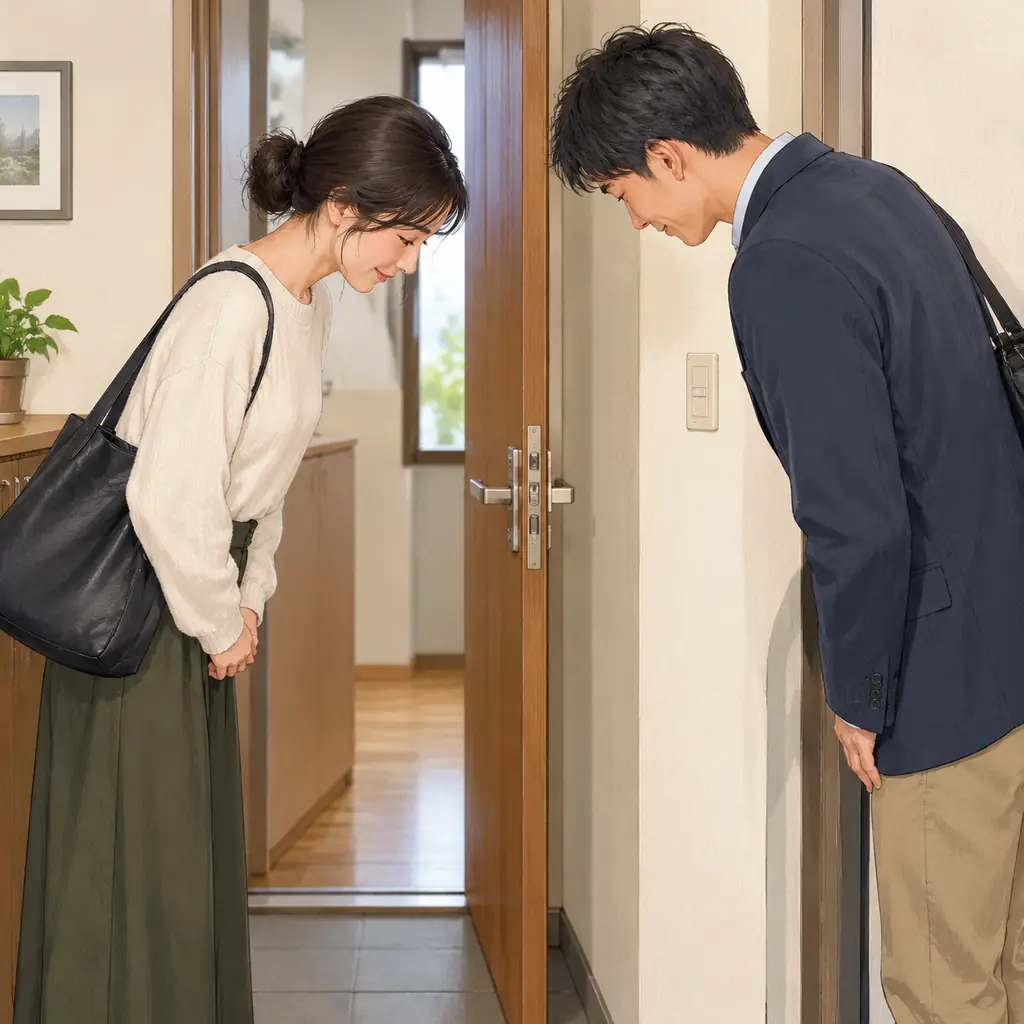
In her 2016 essay, Nia Davis also describes frequent apologies continuing after her return. A quick response learned abroad could appear before she considered whether it was needed.
This can be a habit of conversational timing as much as vocabulary. The person recognizes a situation and responds in a familiar way.
Other travelers may carry home tastes, such as a favorite meal, while a change in speech is harder to display on a shelf.
10. Expecting familiar bathroom controls
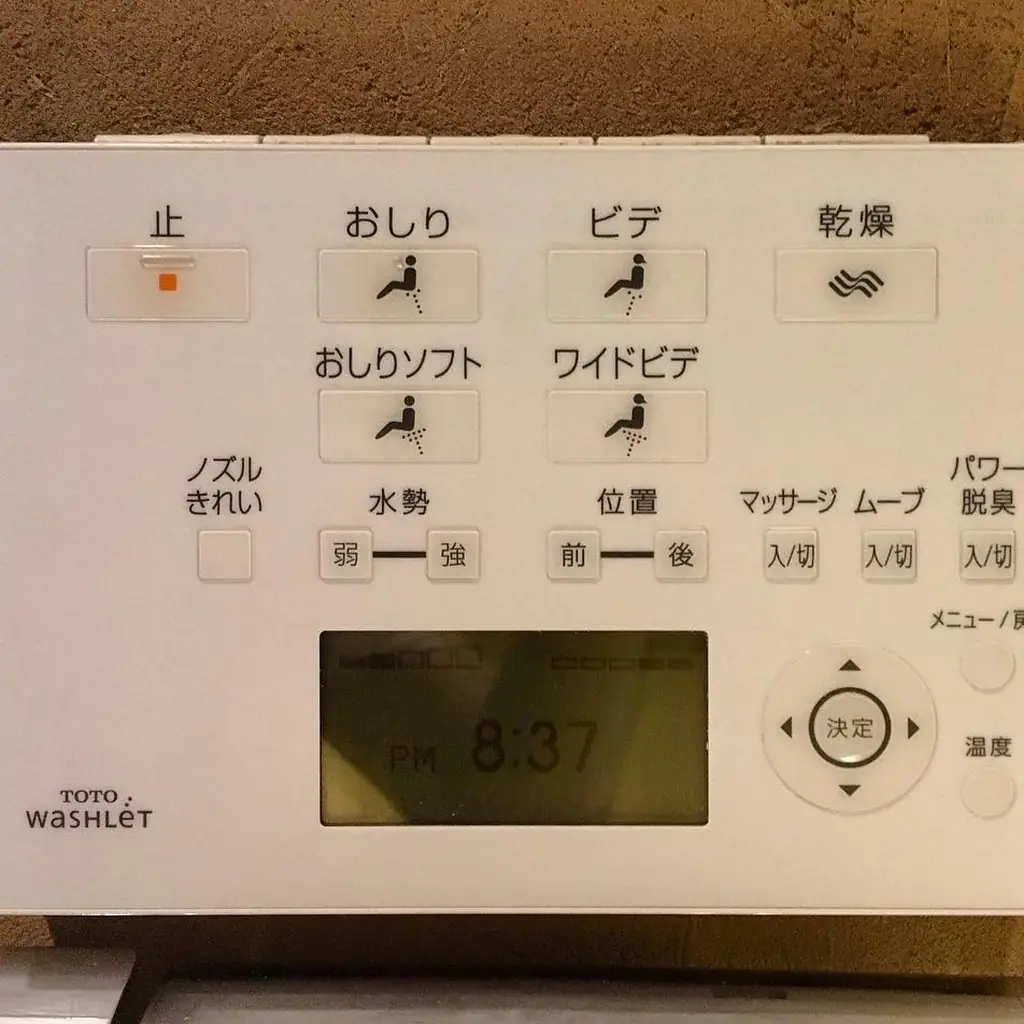
Davis remembers reaching for the sound feature of a Japanese toilet after returning home. The expected control was no longer there.
The moment shows how quickly a repeated convenience can become normal. A fixture that once seemed unusual can become the setting a person expects.
This is a recent technology-related memory. It should not be used to imply that every bathroom on an American base in the 1970s had a modern electronic toilet.
11. Reaching for the wrong car control
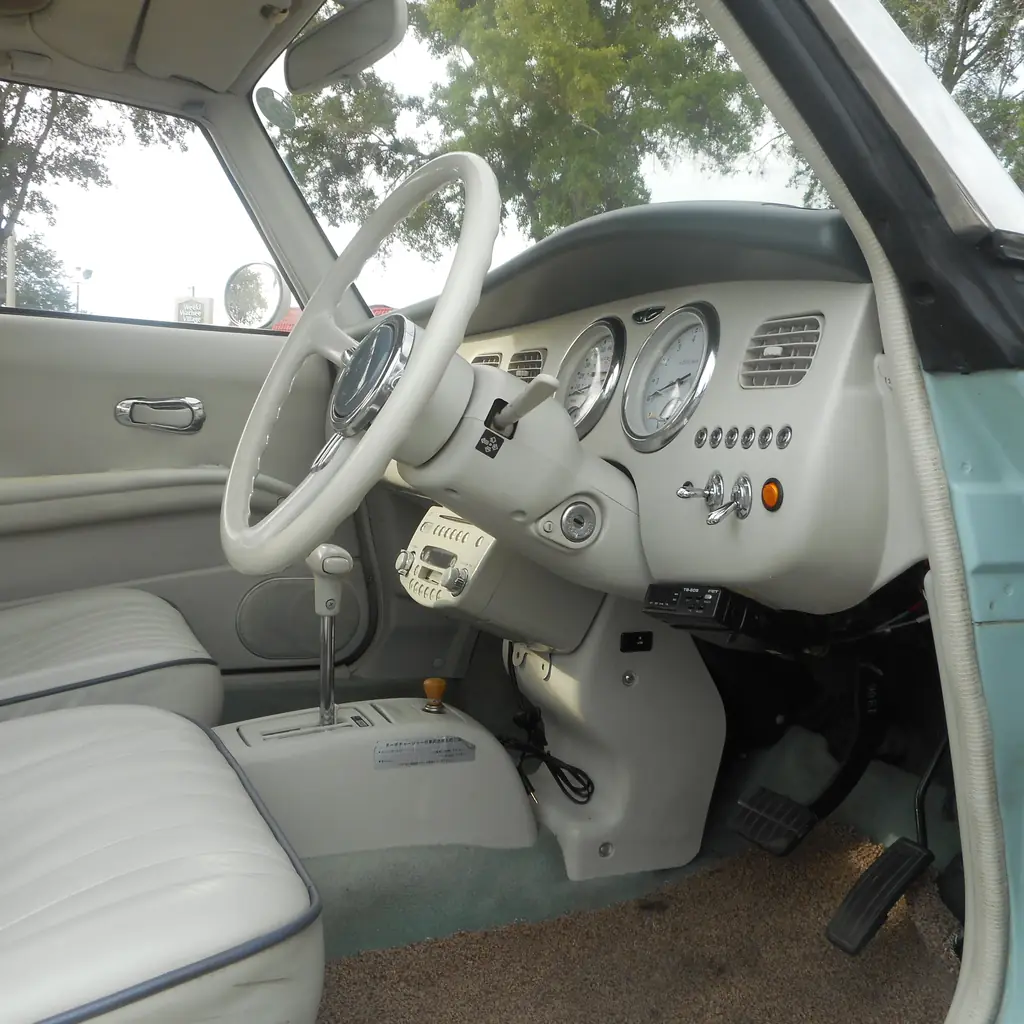
Marine spouse Kristi Stolzenberg calls one return-home mistake the Iwakuni wave: switching on the windshield wipers when intending to signal a turn. She described it after her family’s 2020 move.
The familiar hand movement had survived a change in the car. It was an involuntary carryover, not a driving practice worth deliberately preserving.
Her family’s story sits alongside the more deliberate routines in our overseas-family retrospective, while remaining clearly a later account.
12. Cooking more Japanese dishes at home
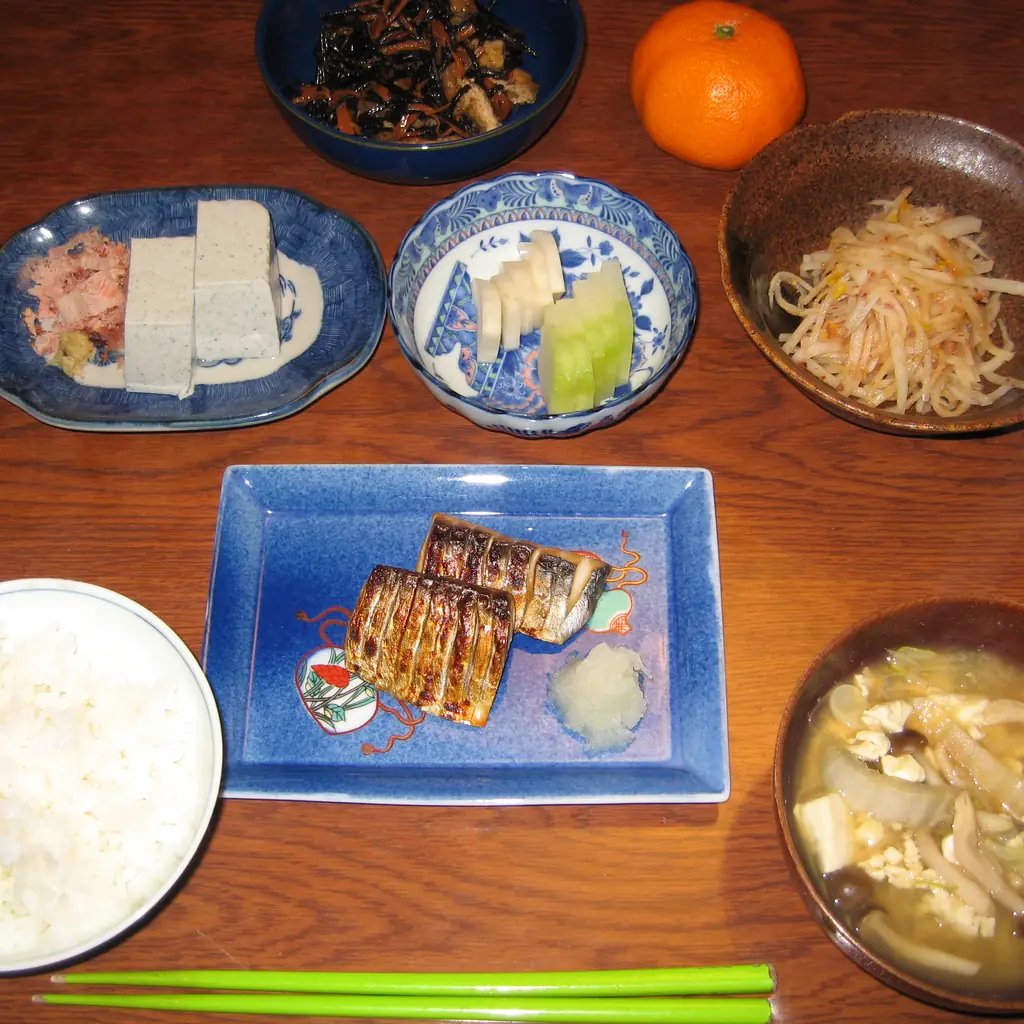
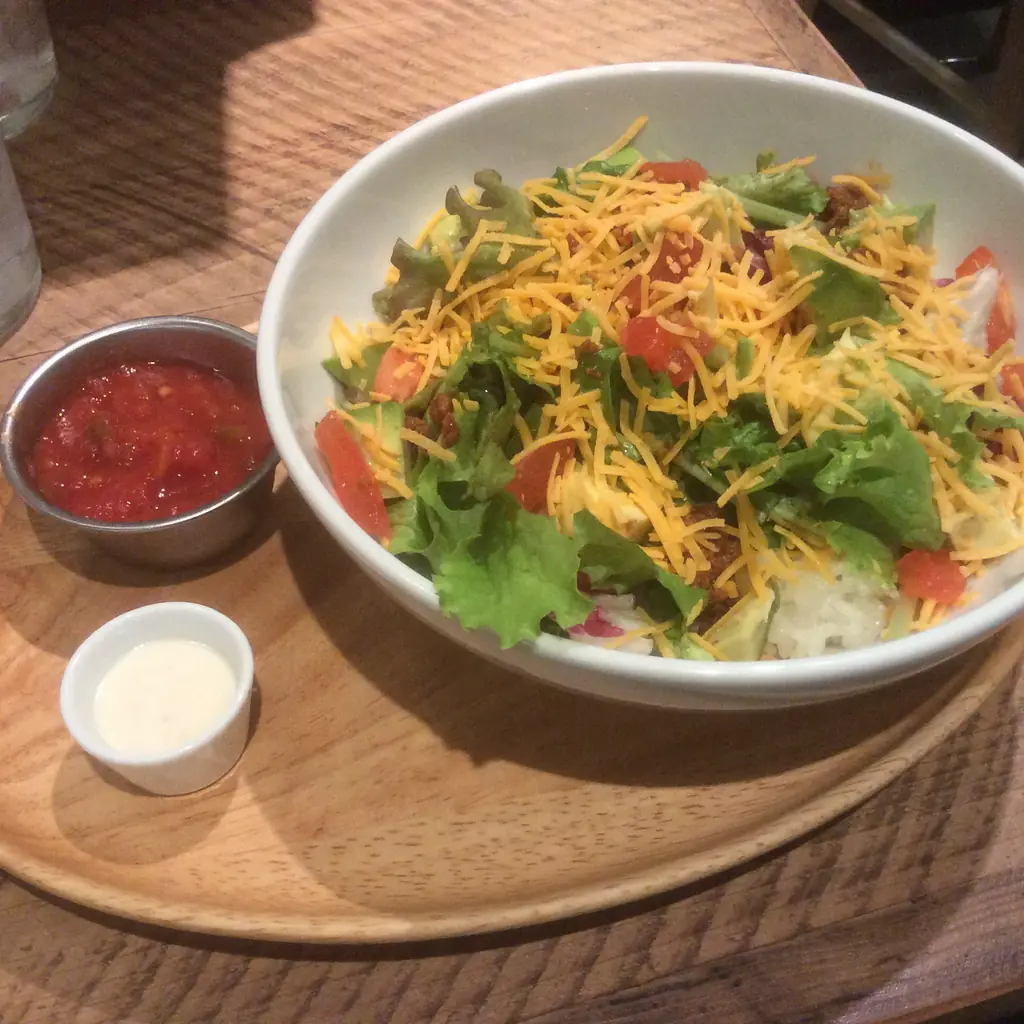
A former resident writing about home cooking describes adding dishes such as gyudon, karaage and tamagoyaki to an earlier repertoire of American comfort food. The account is anonymous and self-reported.
The change is practical: a remembered meal becomes something made in the kitchen. Ingredients may need to come from a specialty shop or an adapted recipe.
That effort can preserve a connection to foods missed after leaving Japan without claiming that a recreation exactly matches one restaurant.
13. Passing on chopstick skills
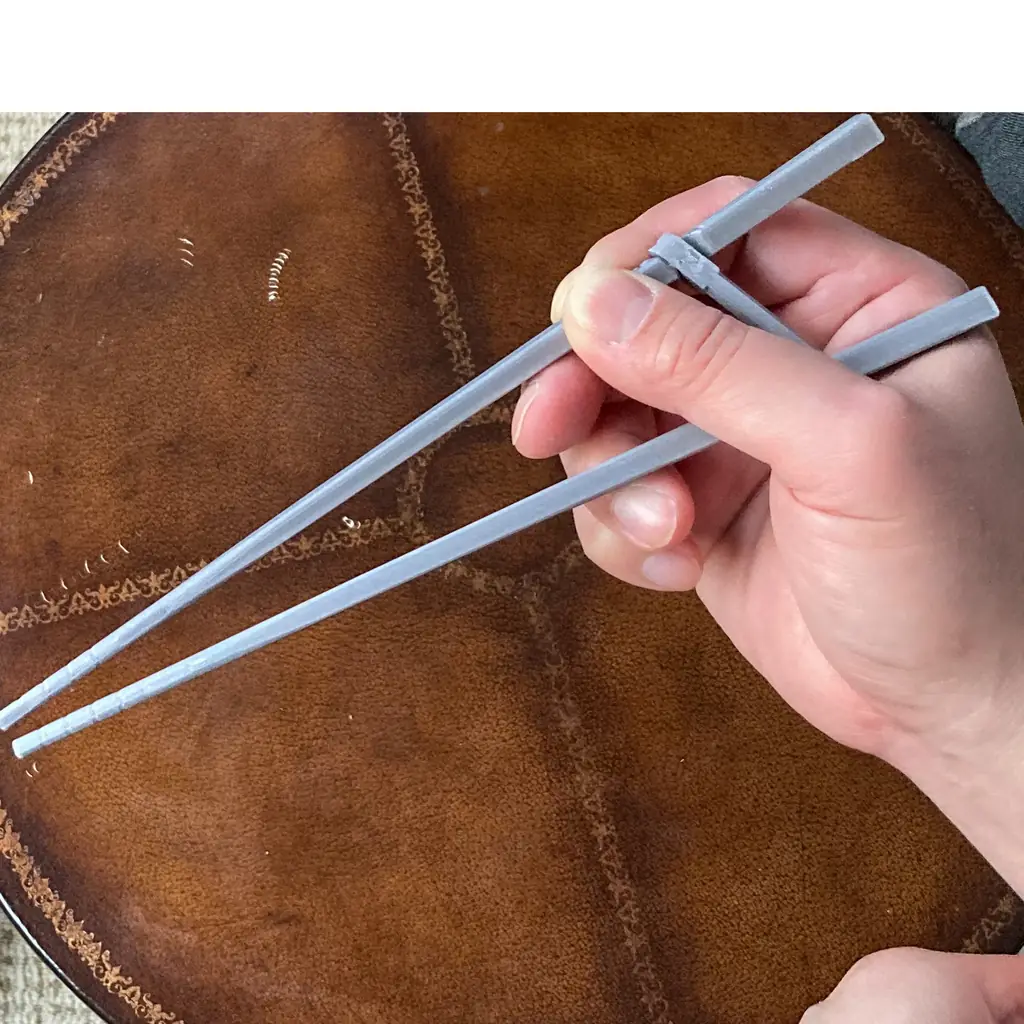
Ambassador James Zumwalt describes a fifth-grade teacher, Mr. Mills, who taught pupils to use chopsticks and shared memories of service at Misawa. A learned skill traveled onward to another classroom.
The story shows that a person did not need to move to Japan to encounter its influence. A returning adult could bring it into a child’s ordinary school day.
The nori sample Mills brought to class also connected a skill with an unfamiliar food. The account does not give the class’s precise year.
14. Finding ways to keep the connection alive
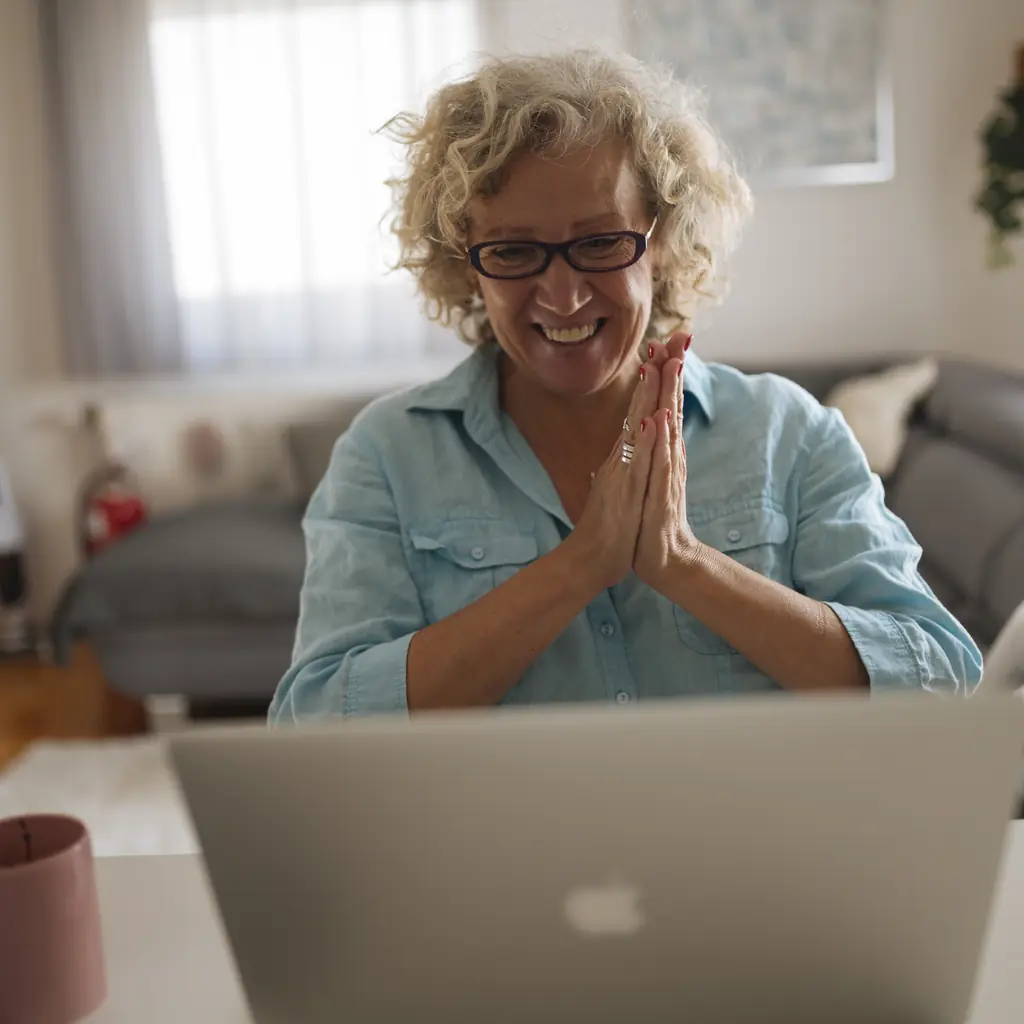
Zumwalt’s account of Japan-U.S. Military Program activities describes veterans and families maintaining ties after service in Japan. Shared events gave those memories a setting beyond the home.
The lasting habit might be attending a community gathering, keeping a friendship or introducing another person to something learned overseas. It need not be an exotic ritual.
For families whose keepsakes remain visible, the continuing relationship can give those objects a story that a label alone cannot preserve.
Sources and further reading
- wanderinghelene.com
- helloalissa.wordpress.com
- reddit.com
- matadornetwork.com
- japantherapyneworleans.blogspot.com
- blog-brigade.militaryonesource.mil
- reddit.com
- japan.go.jp
Image credits
- Circa 1880 Two women bowing, "ojigi" (hand-colored albumen print, Japan).jpg by Unknown authorUnknown author; Public domain. Cropped or fitted to a square, resized and converted to WebP. No subject details altered.
- Photo: shibainu / Wikimedia Commons, CC BY 2.0
- Photo: Atsushi Tadokoro / Wikimedia Commons, CC BY 2.0
- Photo: サフィル / Wikimedia Commons, CC BY-SA 4.0
- Photo: TaurusEmerald / Wikimedia Commons, CC BY-SA 4.0
- Photo: Volgar from Stockholm, Sweden / Wikimedia Commons, CC BY-SA 2.0
- Photo: Chris 73 / Wikimedia Commons, CC BY-SA 3.0
- Photo: DanTD / Wikimedia Commons, CC BY-SA 4.0
- Photo: Marcosticks / Wikimedia Commons, CC BY-SA 4.0
- Photo: Shixart1985 / Wikimedia Commons, CC BY 2.0
- Photo: Hajime NAKANO / Wikimedia Commons, CC BY 2.0