By
A television, a cassette player or a calculator could make a Japanese brand part of an American family’s daily routine. These products span the 70s and 80s, with a few earlier inventions that remained familiar during those years.
1. The Sony Trinitron television
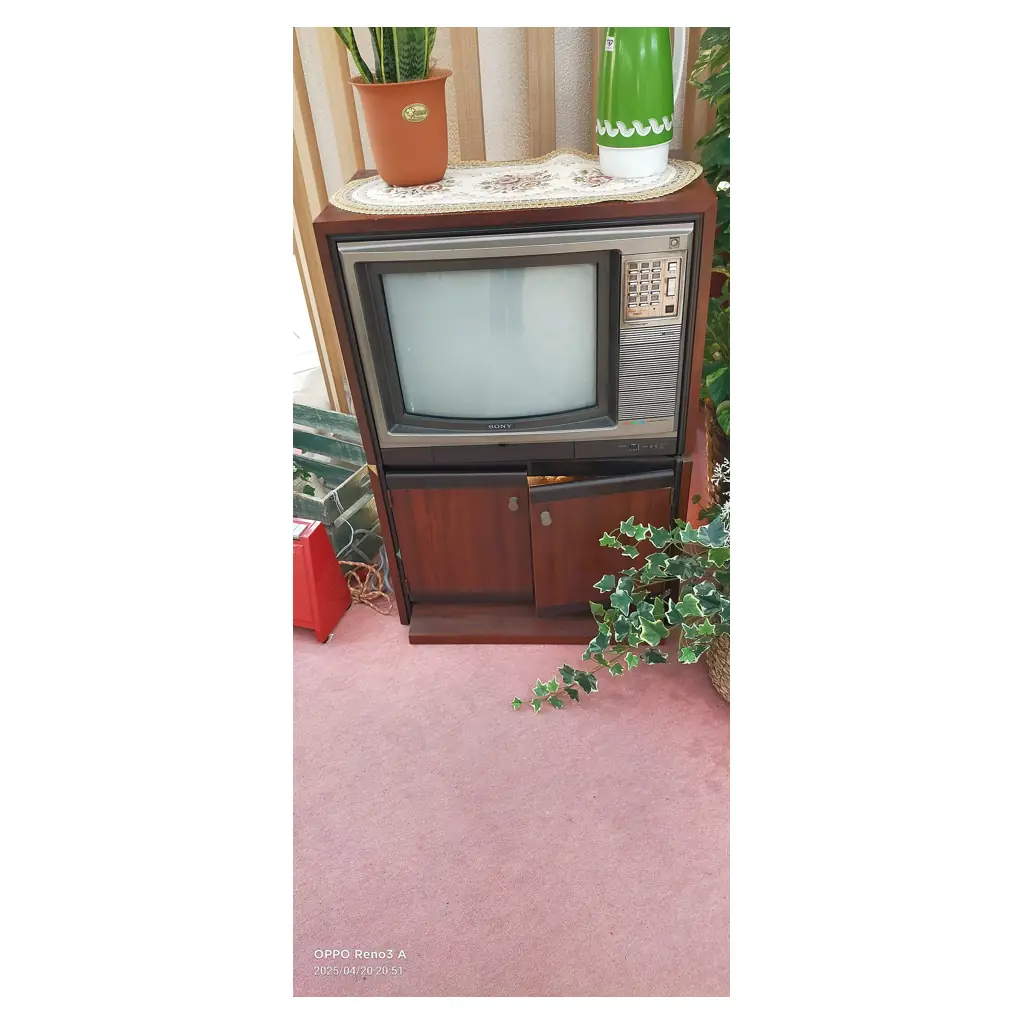
Sony introduced its Trinitron color television in 1968, before the decades many viewers associate with the name. The deep cabinet and glass screen remained recognizable features of later models.
A family could keep one set through years of cartoons, evening news and rented movies. Replacing the television was a substantial household decision.
The brand name identifies a product family, not one cabinet style or a guarantee that a surviving set was manufactured in Japan.
2. Sony Betamax recorders
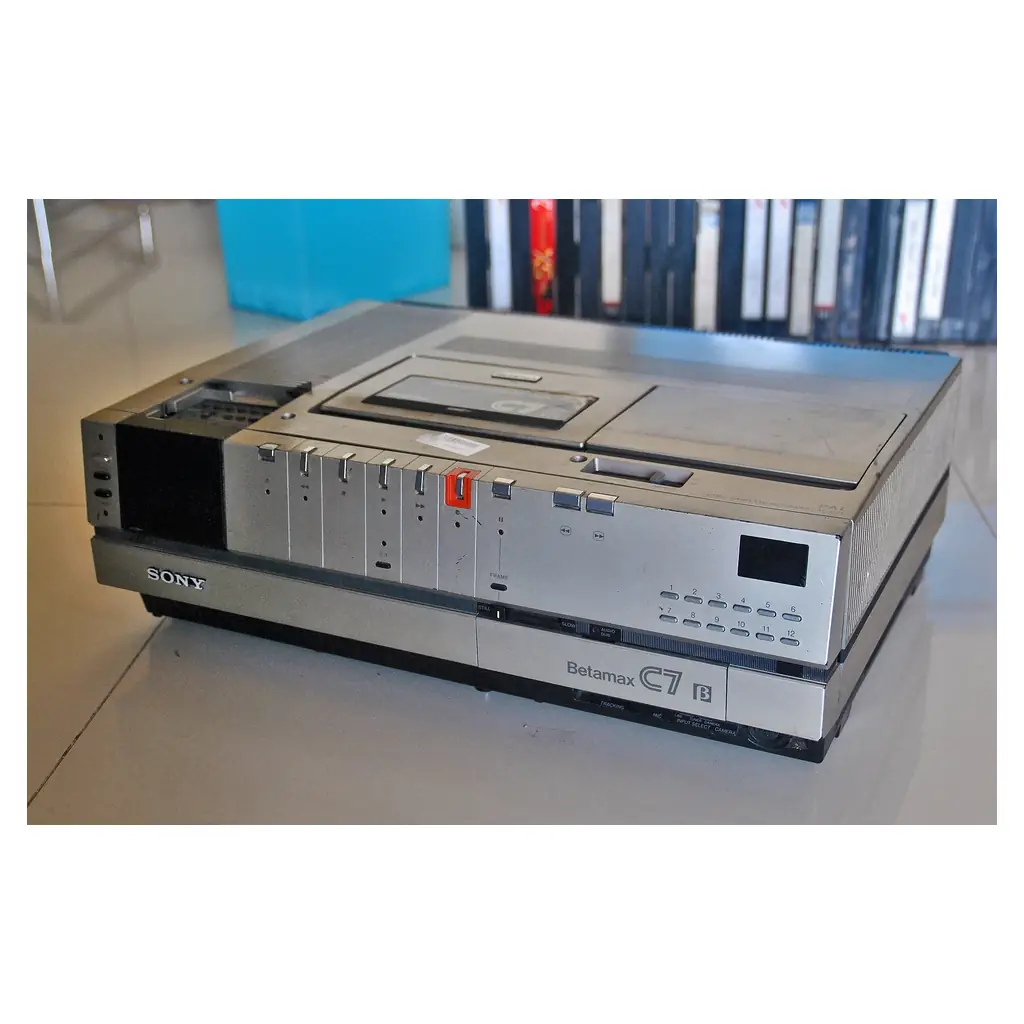
Sony launched its home Betamax system in 1975. A tape cassette suddenly offered a way to keep a program beyond its broadcast time.
The format used its own cassettes, which did not fit a VHS machine. That distinction mattered when a friend offered to lend a movie.
A Betamax label dates the technology, but the model number is needed to identify a particular recorder. The familiar format rivalry lasted across many product generations.
3. JVC and the VHS recorder
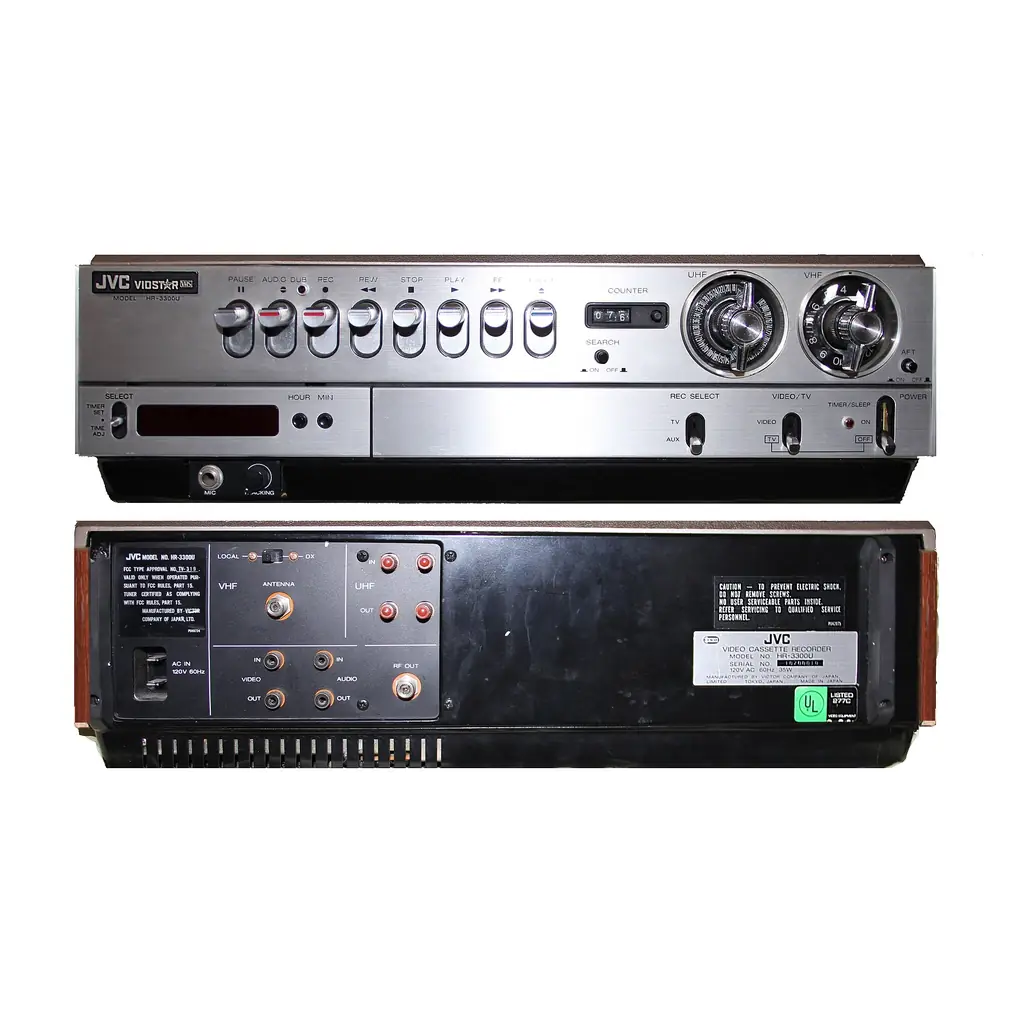
JVC introduced VHS in 1976. Other manufacturers adopted the system, so a VHS machine in an American living room did not necessarily carry the JVC name.
The broad cassette, the clock display and the row of transport buttons became part of watching television. Recording required a blank tape and enough remaining running time.
VHS describes the recording format. Panasonic, JVC and other badges describe the companies that sold particular machines.
4. The original Sony Walkman
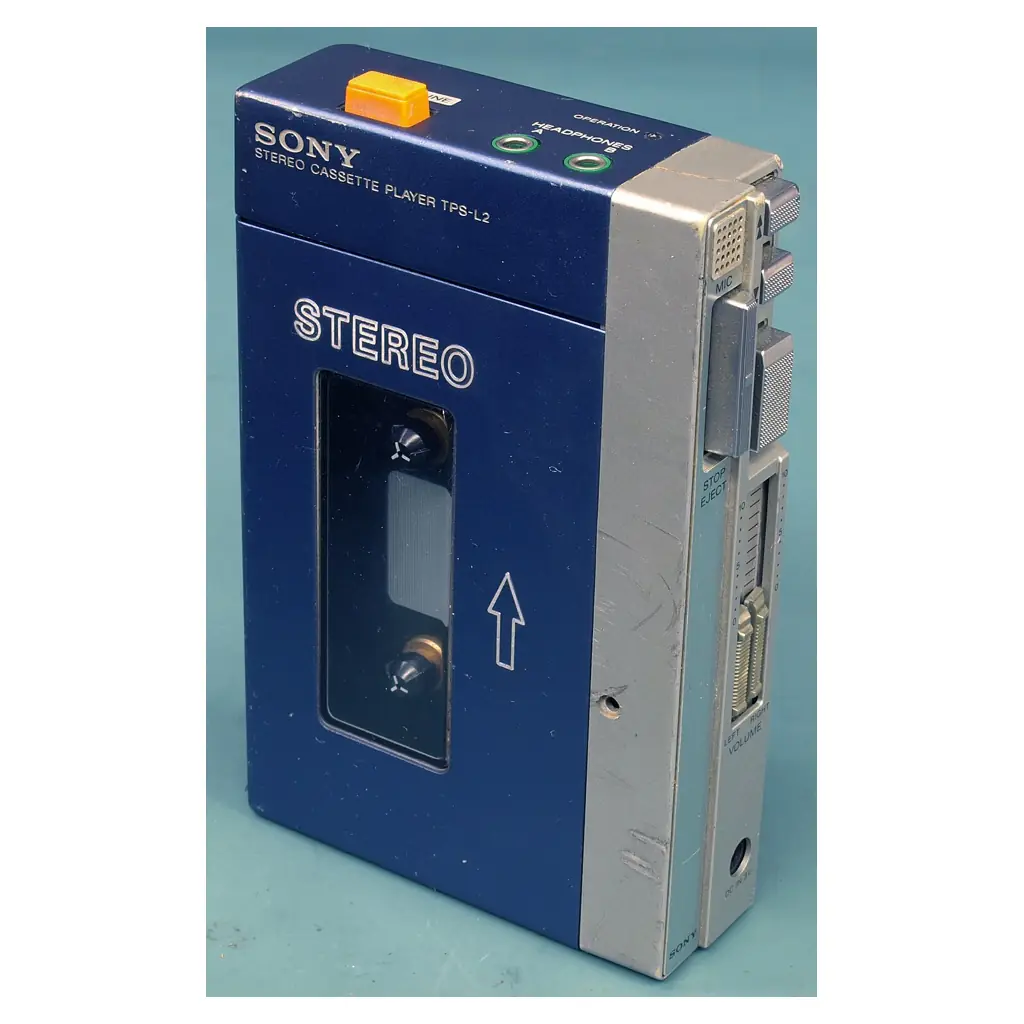
Sony’s first Walkman went on sale in Japan in 1979. Lightweight headphones made the portable cassette player visibly different from a radio carried by its handle.
The original TPS-L2 played music but did not record. Listeners had to choose their tape before going out, then turn it over when one side ended.
The familiar Walkman name eventually covered many models. A blue-and-silver example and a later plastic player are not necessarily the same generation.
5. The yellow Sports Walkman
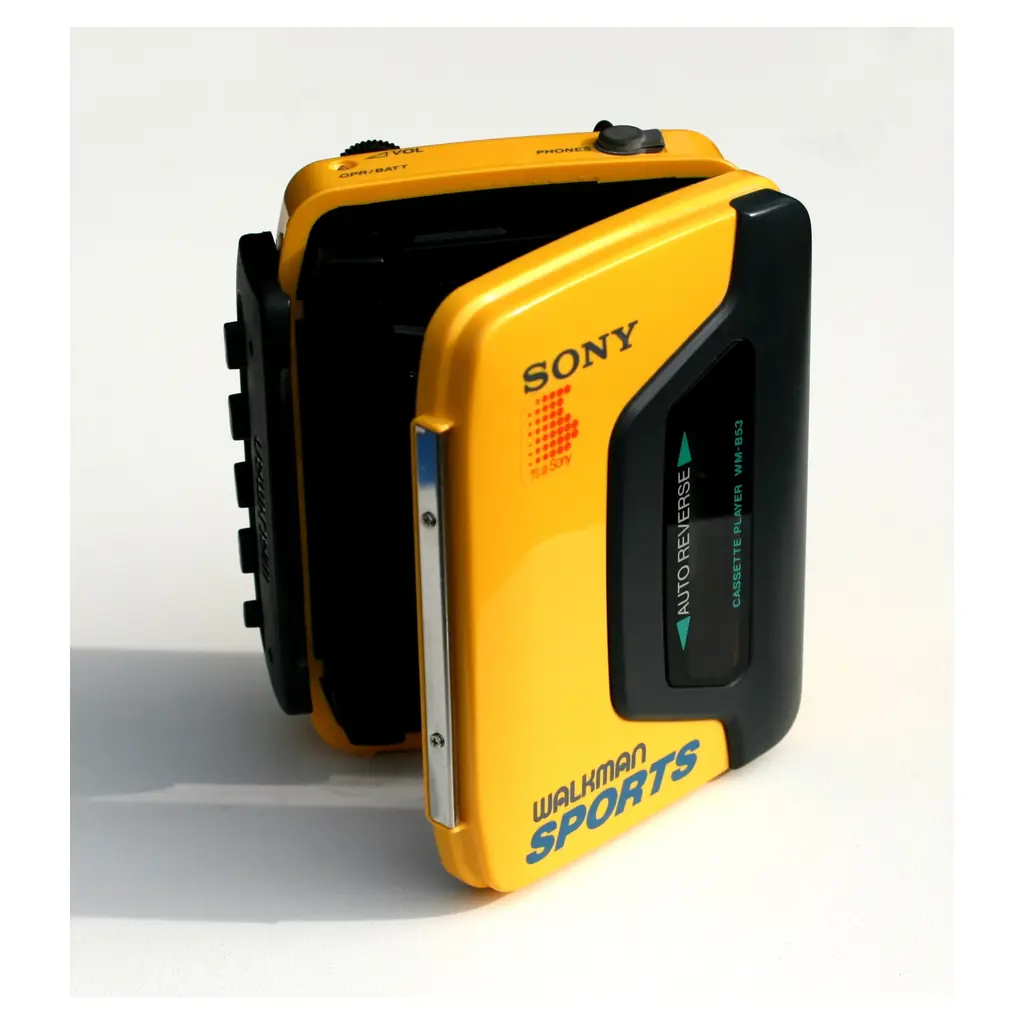
Sony’s yellow WM-F5 arrived in 1983. Its protected controls and splash-resistant construction were intended for outdoor activities.
The bright case was easy to recognize without reading the badge. A belt clip and headphone cord made it part of an outfit as well as a music system.
Splash resistance was not permission to swim with every model. The seals and condition of a decades-old player need separate attention today.
6. The portable CD player
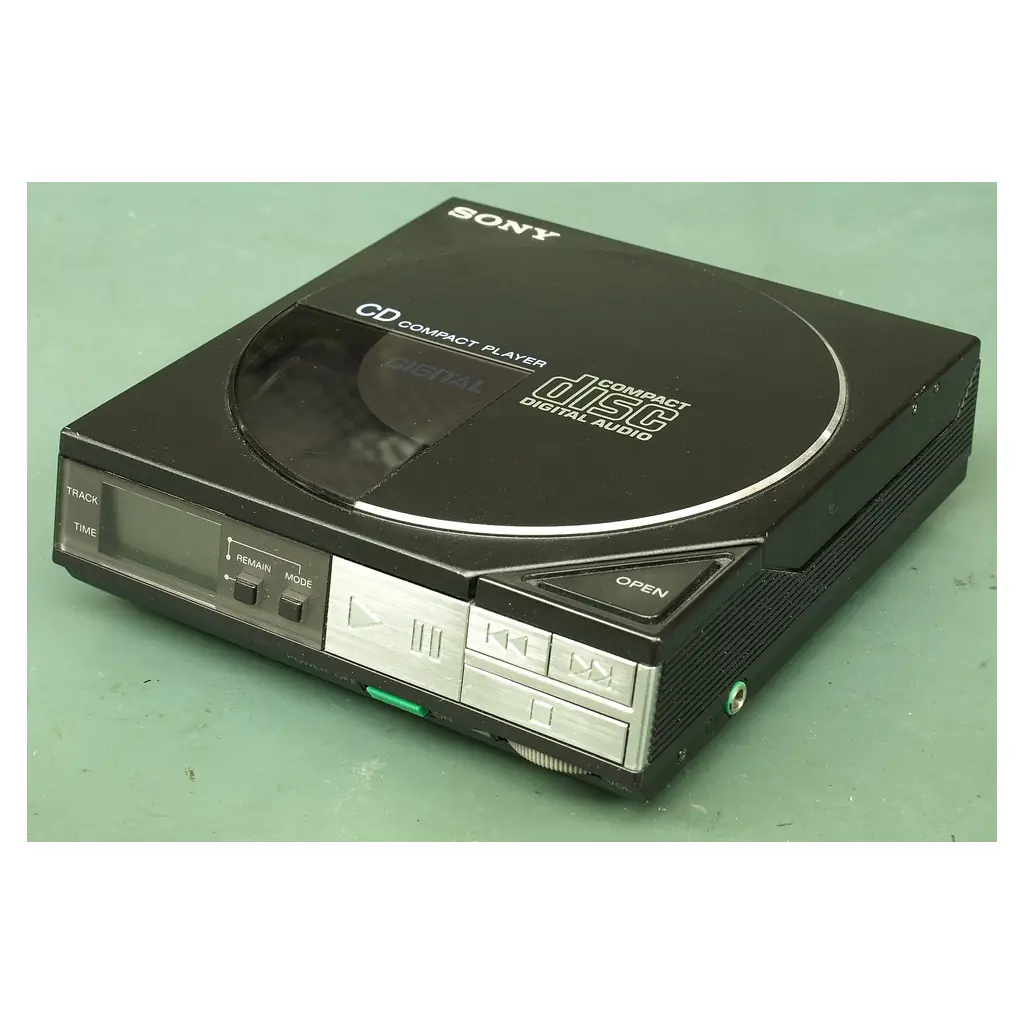
Sony introduced the D-50 portable compact-disc player in 1984. It offered a different ritual from a cassette: lift the lid, place the disc and choose a track.
The disc needed careful handling because its playing surface remained exposed outside the case. Portability also did not mean that every early machine tolerated a bumpy walk.
These players helped make the shiny disc a recognizable object before digital files removed the need to carry recorded music.
7. The shrinking home camcorder
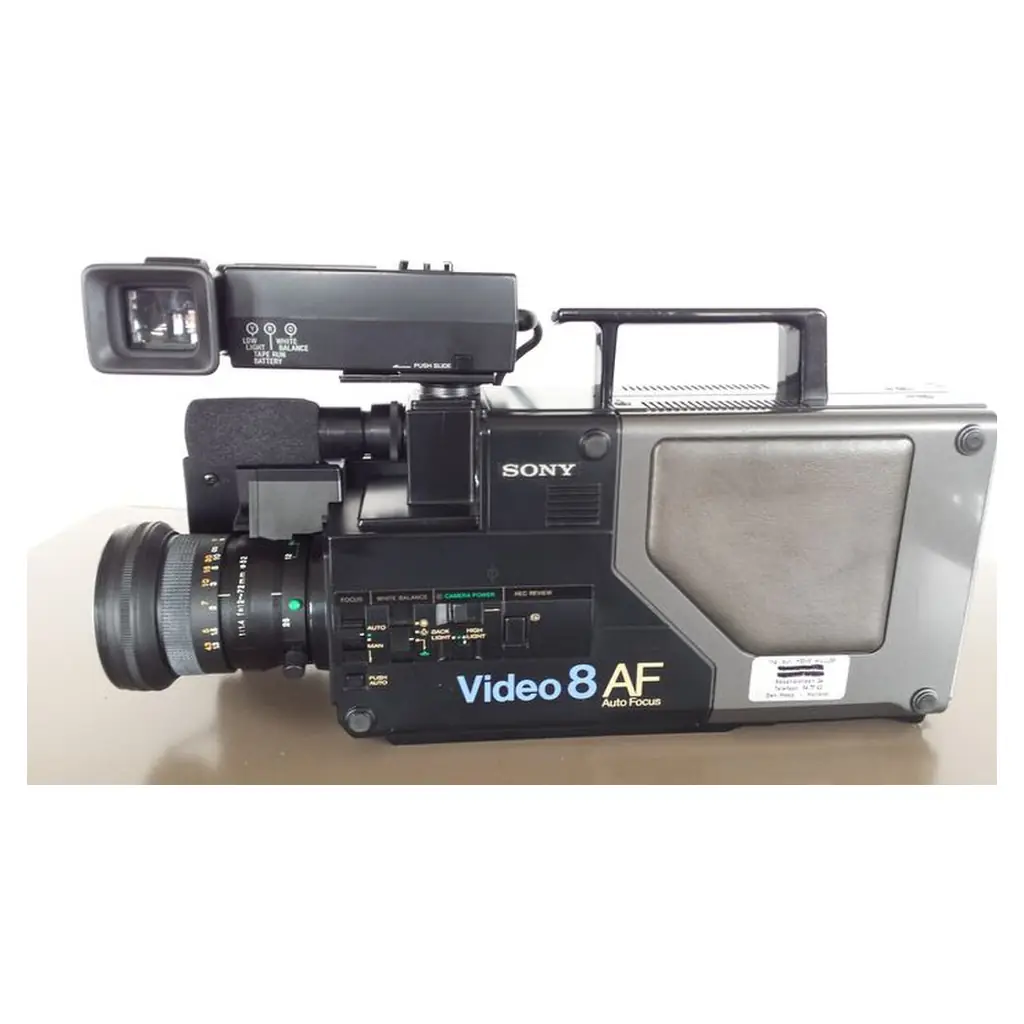
Sony’s 1989 CCD-TR55 represented the move toward a much smaller camcorder. A video camera no longer had to look like equipment borrowed from a television crew.
Recording a birthday still meant checking the battery, loading a tape and watching through a viewfinder. The resulting footage could preserve ordinary voices as well as special occasions.
For the family objects surrounding that camera, see the keepsakes families carried home from Japan.
8. The Technics turntable
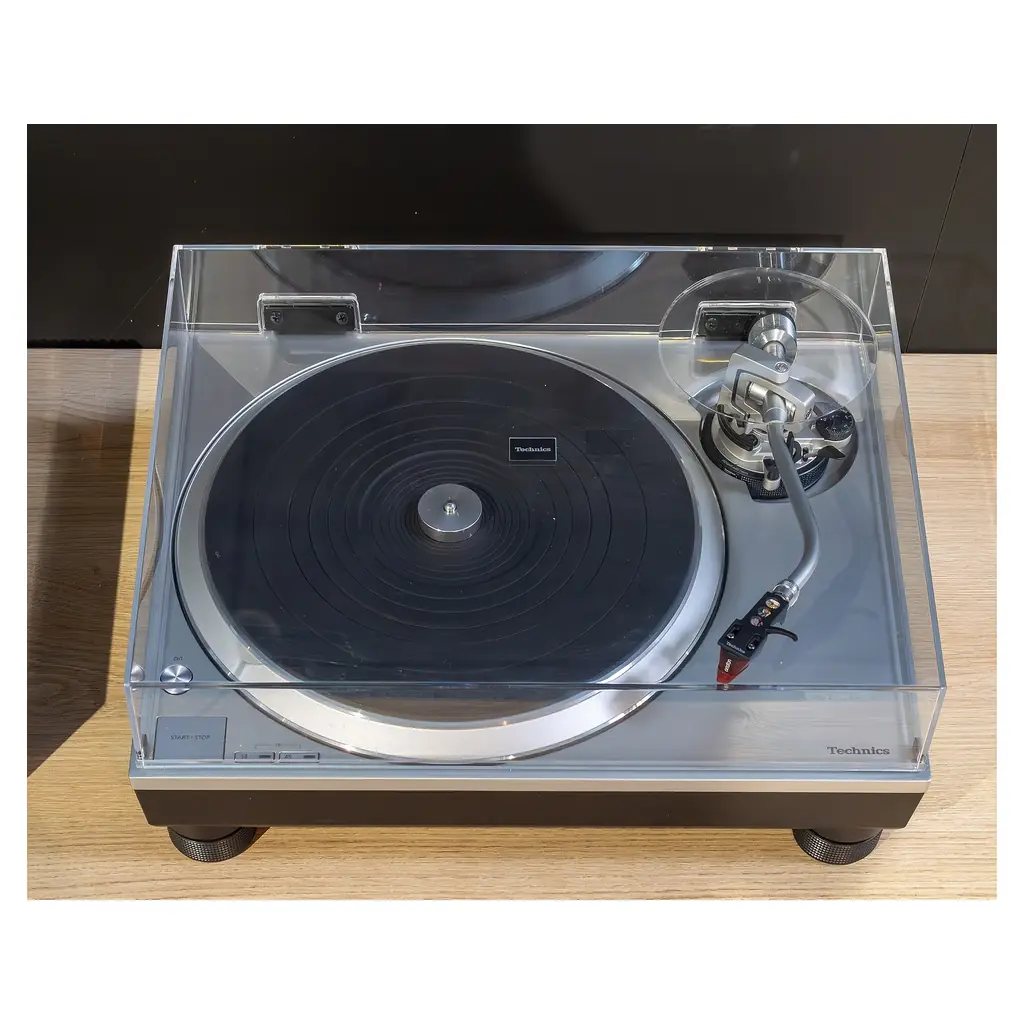
The Technics SL-1200 first appeared in 1972; the SL-1200MK2 followed in 1979. The heavy platter and direct-drive design became associated with both record listening and DJ use.
At home, playing a record meant removing it from its sleeve and lowering a tonearm. The sequence demanded attention before any music began.
Not every Technics deck was an SL-1200. Model numbers matter when identifying a family stereo from an old photograph.
9. The component car stereo
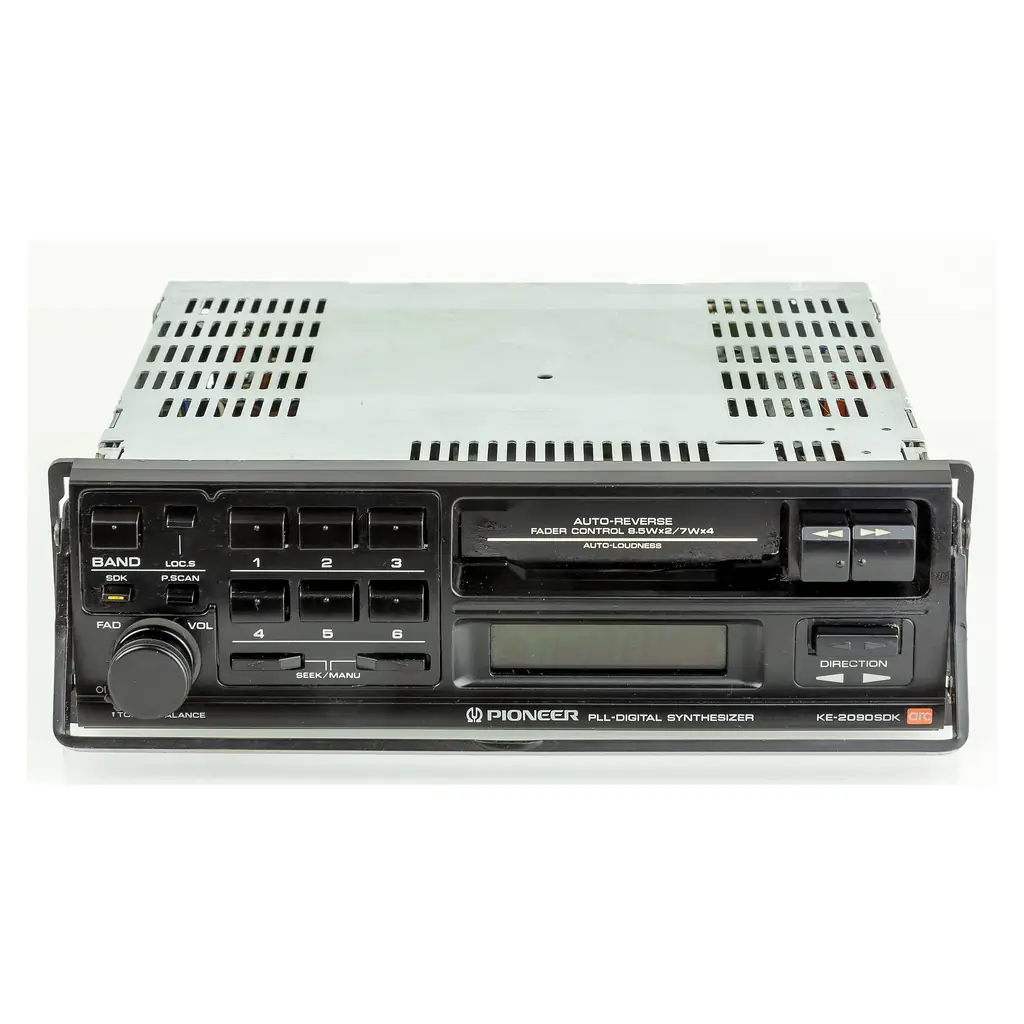
Pioneer introduced its component car-stereo system in 1975. Separate units gave drivers another way to organize sound inside a car.
The dashboard controls, wiring and speakers were a far more visible commitment than connecting a phone today. A cassette also carried its own order of songs.
Portable music was part of a wider Japanese-product presence that also included the toys and games Americans brought home.
10. The Sharp pocket calculator
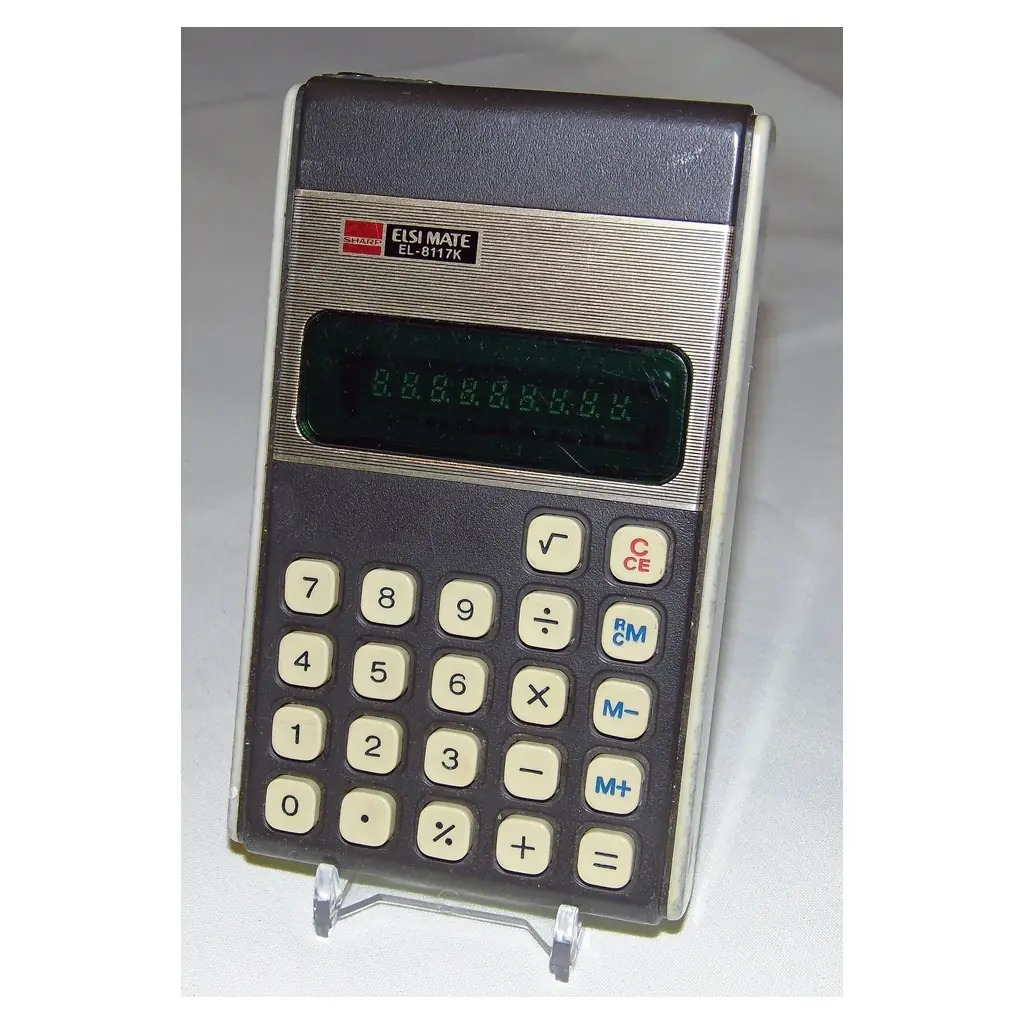
Sharp’s EL-805 calculator appeared in 1973 with an LCD. A calculation that once required paper could take place on a small handheld device.
The display was practical rather than decorative. Numbers appeared clearly without the brightly glowing numerals associated with some other early calculators.
The device belonged on a desk, in a bag or beside homework. A calculator’s country of design and its individual manufacturing label remain different pieces of information.
11. The calculator watch
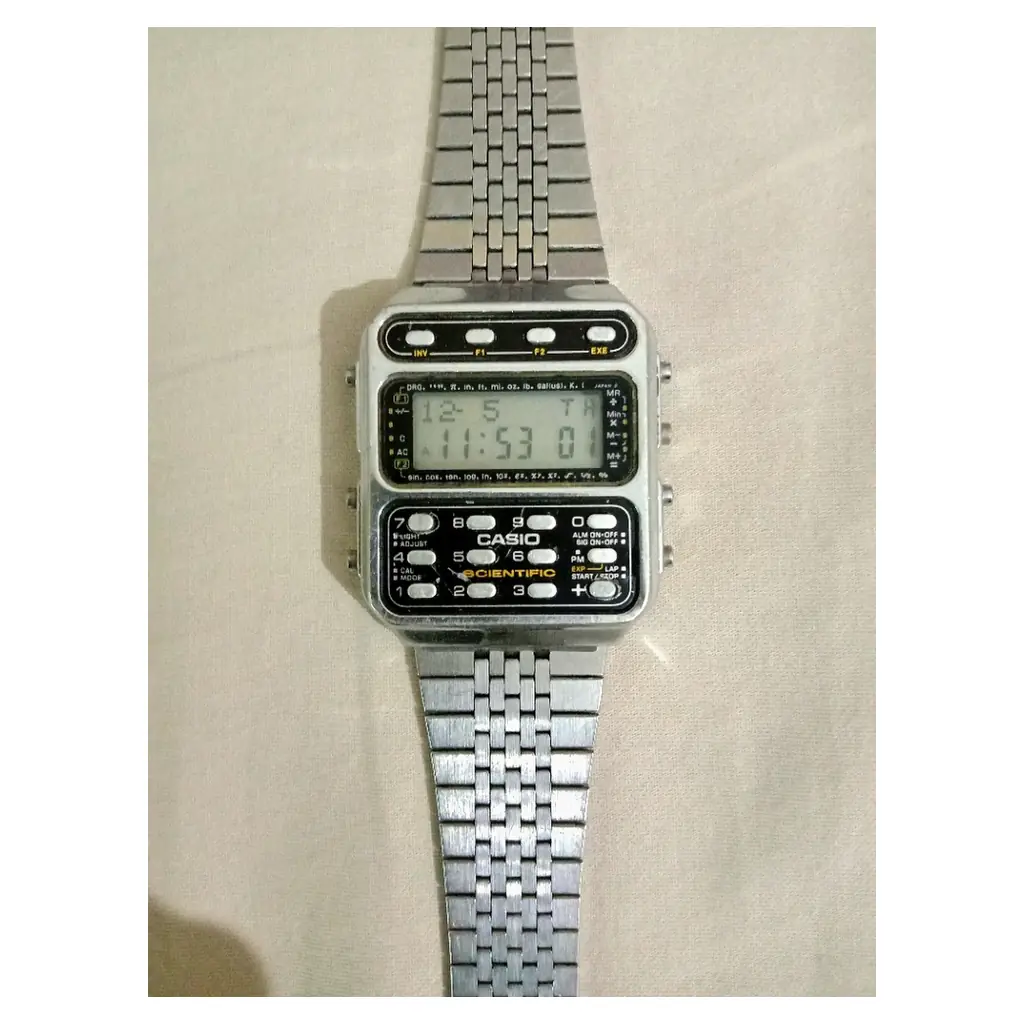
Casio released its C-80 calculator watch in 1980. Tiny number keys made arithmetic something a wearer could attempt without finding a separate calculator.
Those buttons also made the watch a conversation piece. The feature was easy to demonstrate, even when a larger keypad would have been more comfortable.
It sits alongside the other small gifts in our look at possessions brought back from Japan, rather than standing for every family’s experience.
12. A Casiotone keyboard at home
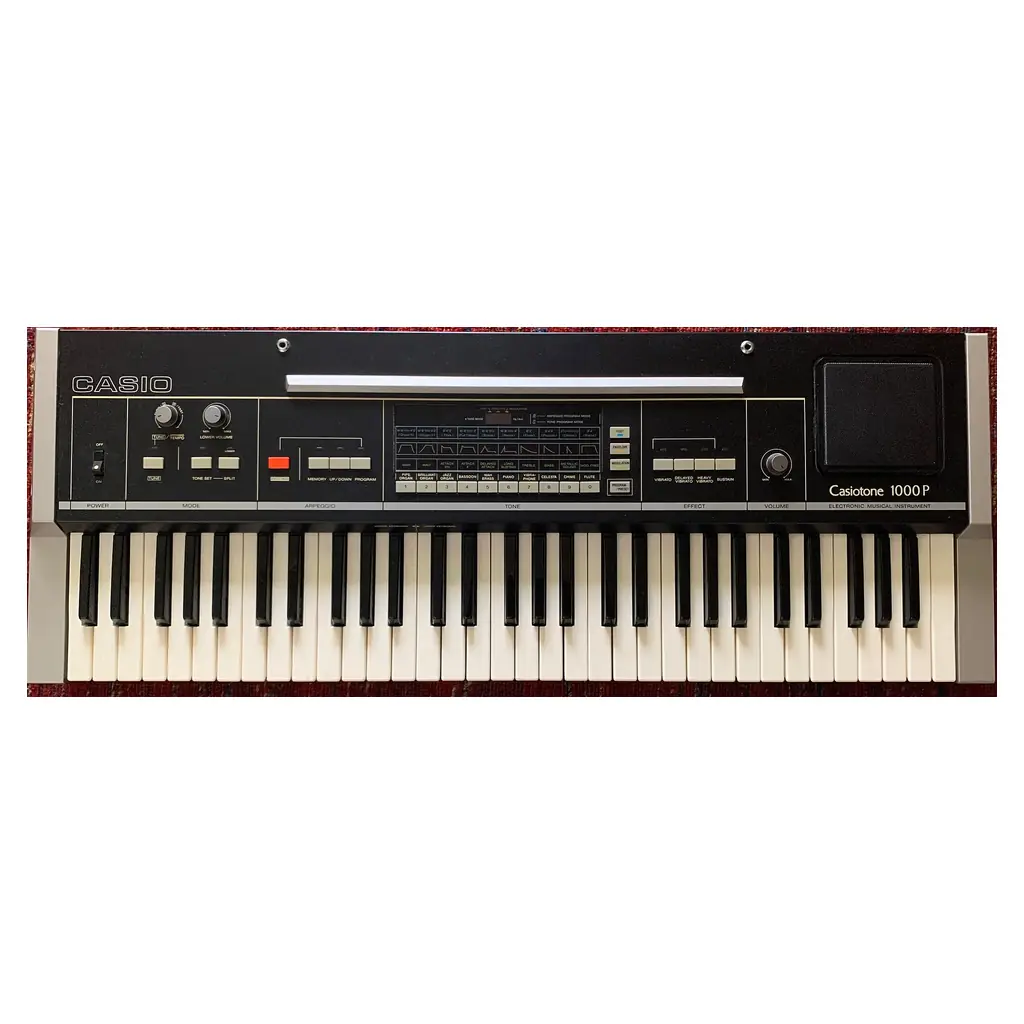
Casio’s Casiotone 201 arrived in 1980. Its built-in speaker and compact body offered a different route into making music than a full-size acoustic piano.
Changing a tone could be as interesting to a child as learning the next song. The instrument made electronic sound a hands-on activity.
Later Casiotone models added different controls and functions. A memory of colored buttons should not be used to identify a model without a photograph or label.
13. The digital Seiko watch
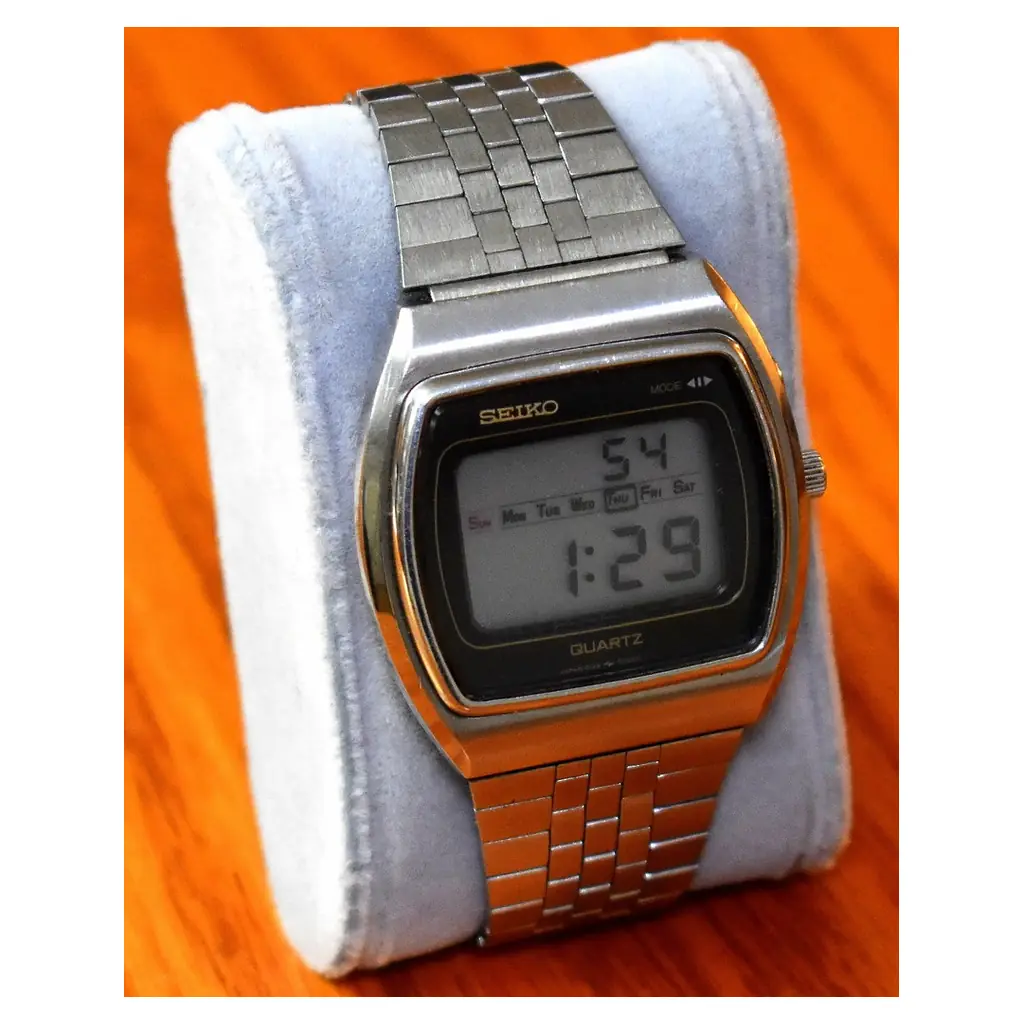
Seiko introduced a six-digit LCD quartz watch in 1973. Its display presented hours, minutes and seconds as numbers rather than hands.
The small light and later stopwatch functions made checking the time feel like operating a device. A digital watch could be both useful and a coveted gift.
These objects belong to the same period as the Japanese television imports American children were watching, although owning one was never universal.
14. The Canon AE-1 camera
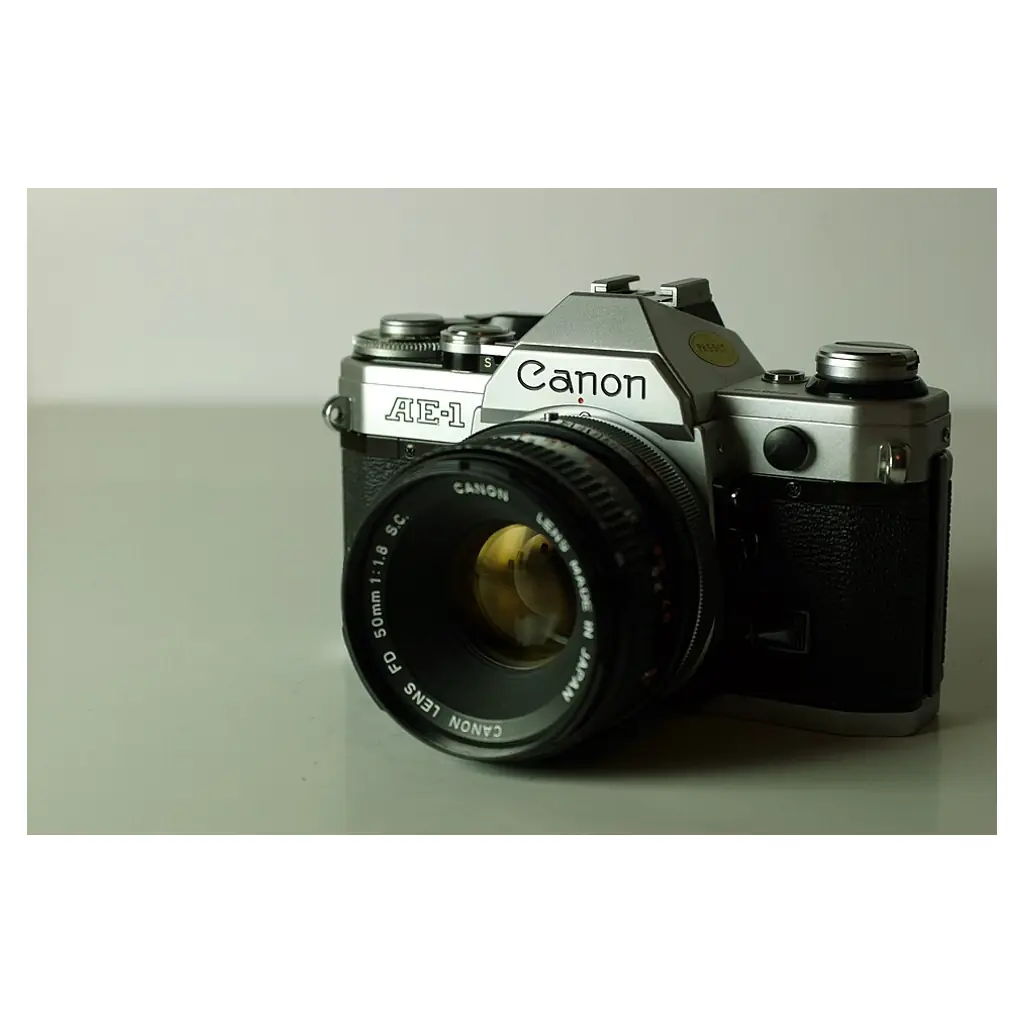
Canon introduced the AE-1 in 1976. Electronic exposure control helped place a sophisticated-looking 35mm camera in the hands of more everyday photographers.
Film still imposed a limit on the number of pictures. A family had to wait for processing before learning whether the important shot had worked.
The camera’s switches, lens ring and winding lever remain a recognizable combination. The later AE-1 Program was a different model, not merely another name for every AE-1.
15. The Nikon EM
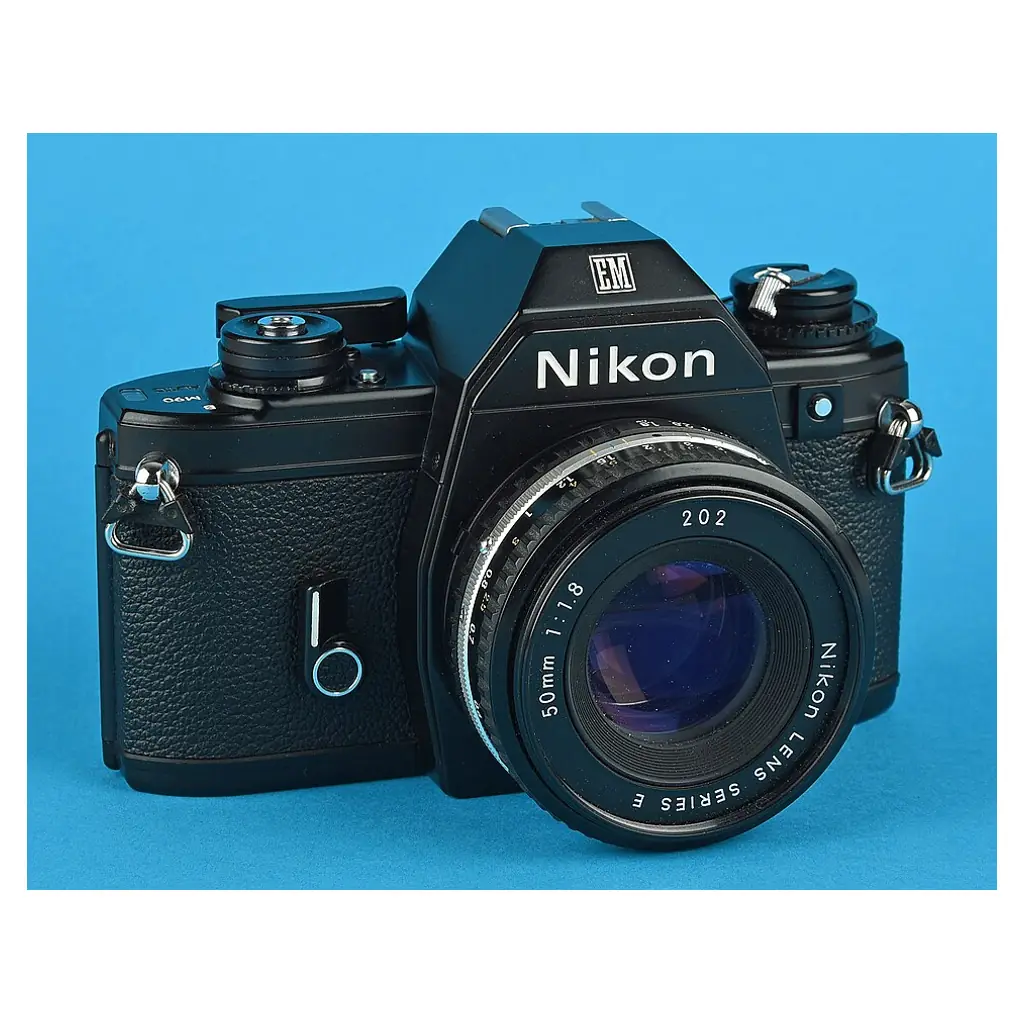
The Nikon EM appeared in 1979. Its compact body offered another recognizable Japanese camera alongside the larger equipment used by professionals.
A 35mm camera could accompany vacations, school activities and the final days before an overseas move. The photographs often outlasted the camera itself.
When reading accounts of growing up around U.S. bases in Japan, dated family photographs are evidence; a modern recreation is only an illustration.
16. The Epson dot-matrix printer
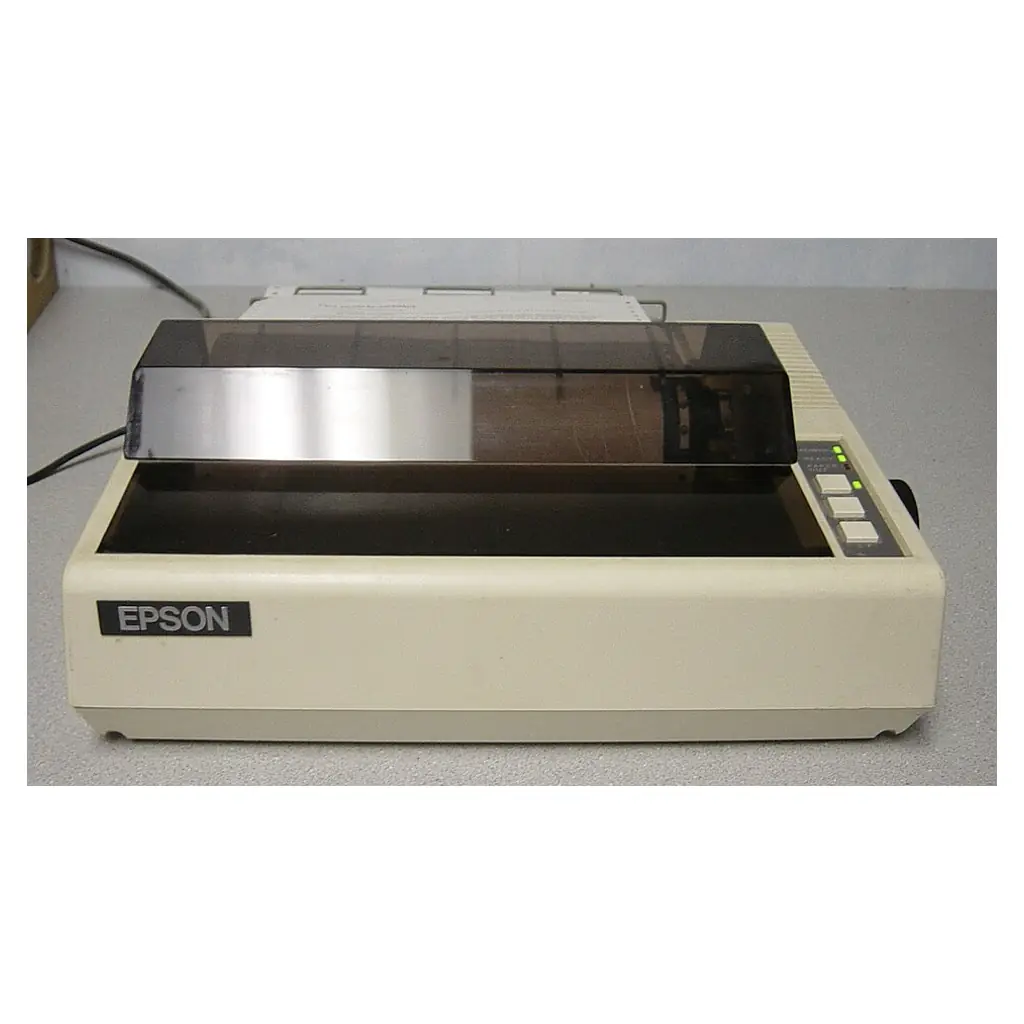
Epson introduced the MX-80 in 1980. The printer transferred computer output to paper with a moving print head and an inked ribbon.
Its sound, perforated paper edges and continuous sheets gave home computing a physical presence. A finished page could require separating the paper at its perforations.
This was not a pocket gadget, but it made a Japanese electronics name familiar beyond televisions and stereos. Surviving models should be identified from their actual labels.
17. TDK blank cassette tapes
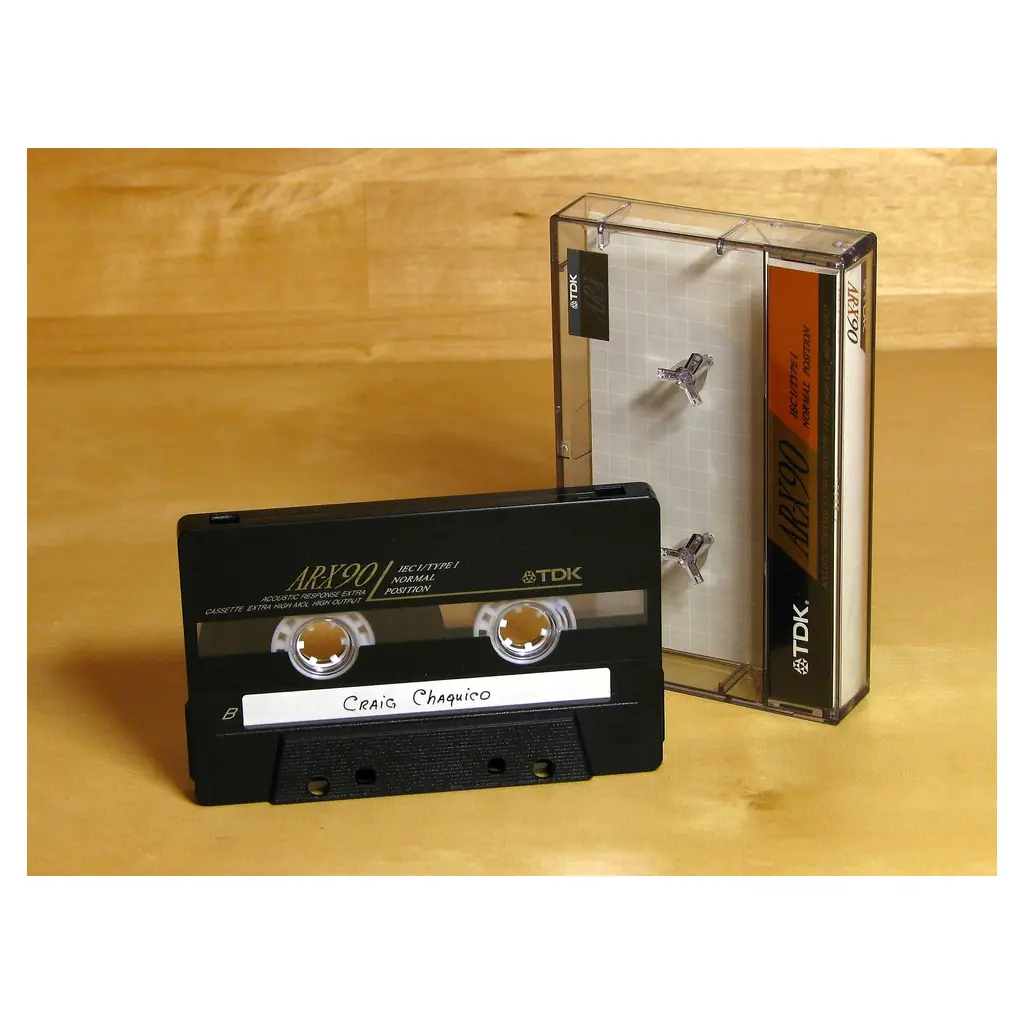
TDK’s music-recording cassette reached the U.S. market in 1968, and later tape generations remained familiar through the 70s and 80s. A blank cassette invited its owner to choose the contents.
The handwritten track list could matter as much as the plastic case. Recording required waiting through the music instead of copying a file in seconds.
That everyday listening habit crossed between electronics, television soundtracks and family life. Different tape formulations were intended for compatible recorder settings.
18. The radio and cassette recorder combination
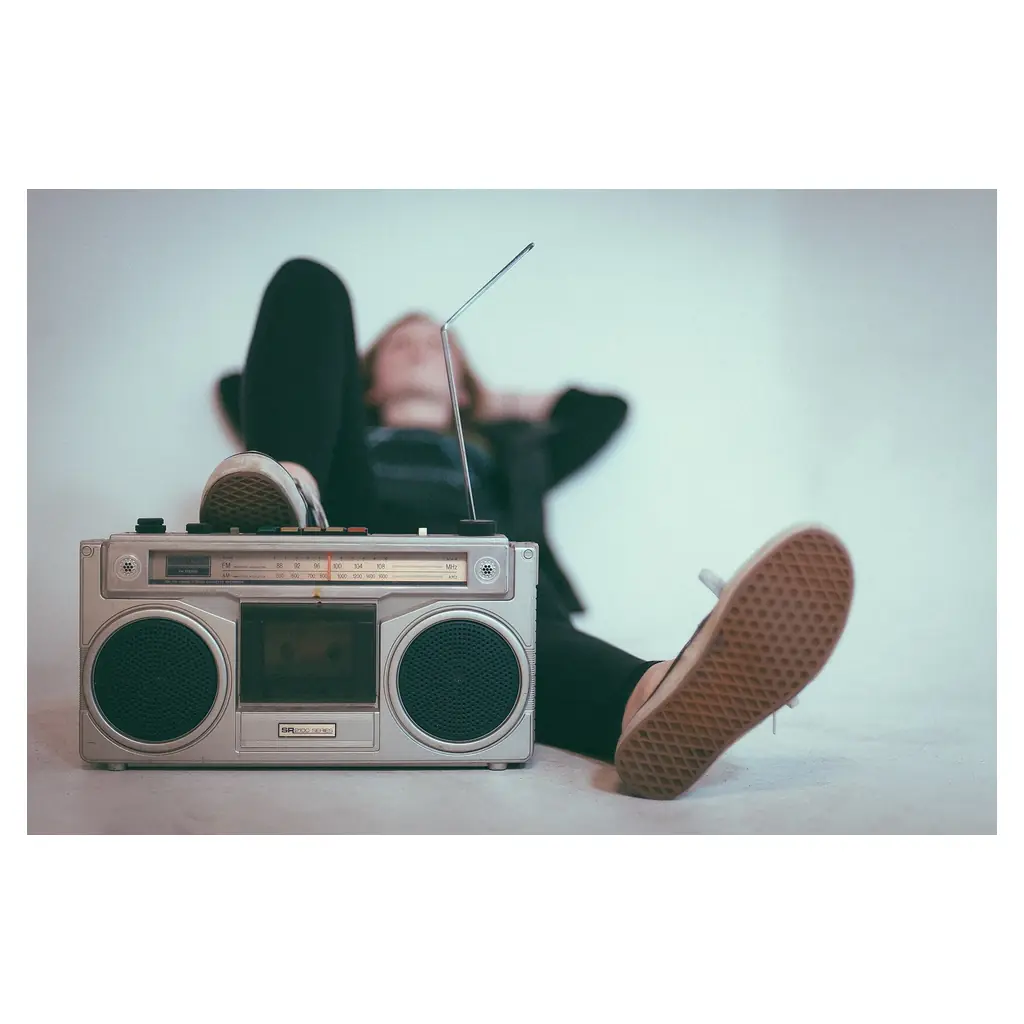
Sony’s 1979 annual report describes strong demand for combined stereo cassette recorders and radios, including in the United States. The combination put broadcast listening and recording in one portable body.
A handle, aerial and large buttons made the device easy to move between rooms. Some units also became much larger and louder.
The nickname “boombox” covers many manufacturers and sizes. A Japanese brand badge should not erase those differences.
19. The pocket television
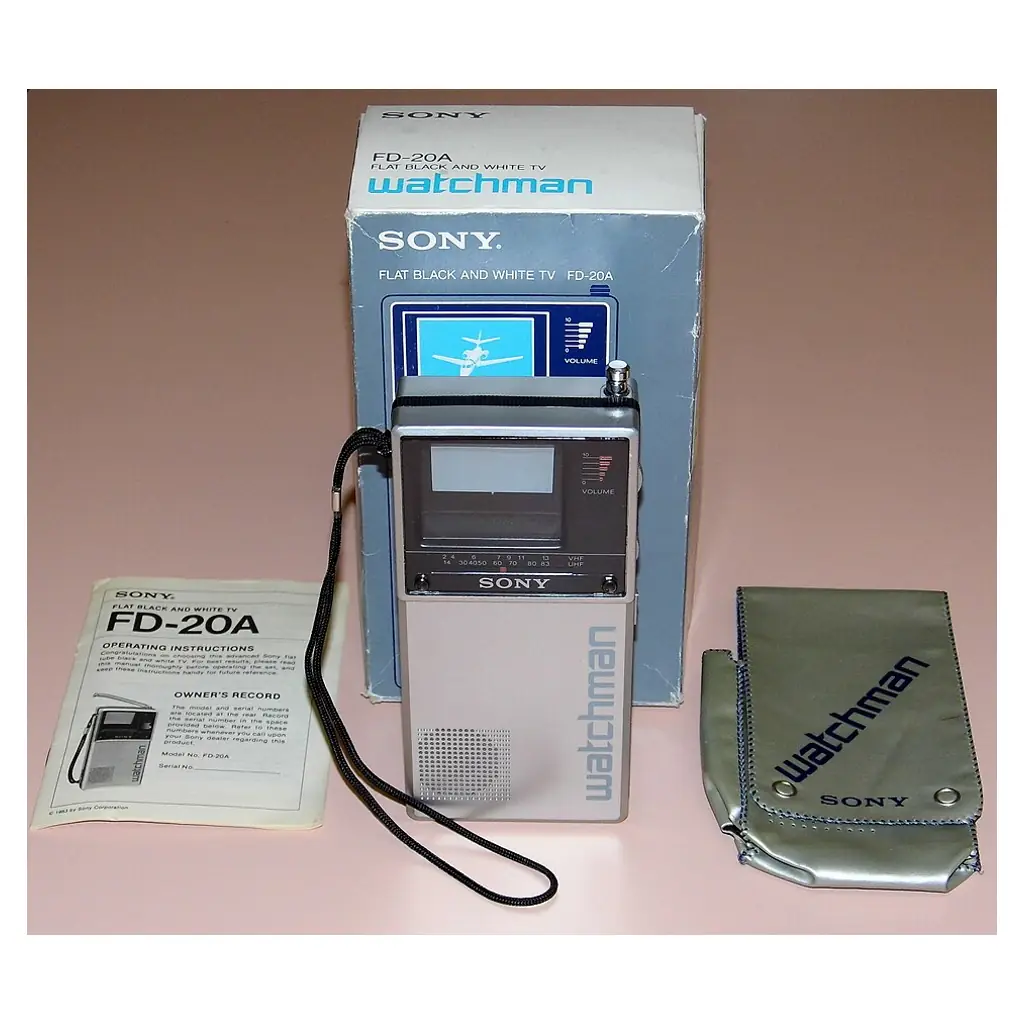
Sony’s early Watchman sets put a very small television screen in a portable body during the 1980s. The screen was tiny, and reception depended on a broadcast signal.
The attraction was the possibility of watching away from the living room. It offered mobility without the unlimited selection associated with a modern phone.
The device also helps date memories of how families watched television overseas: portable hardware did not determine which local channels a household could receive.
20. Seiko’s television watch
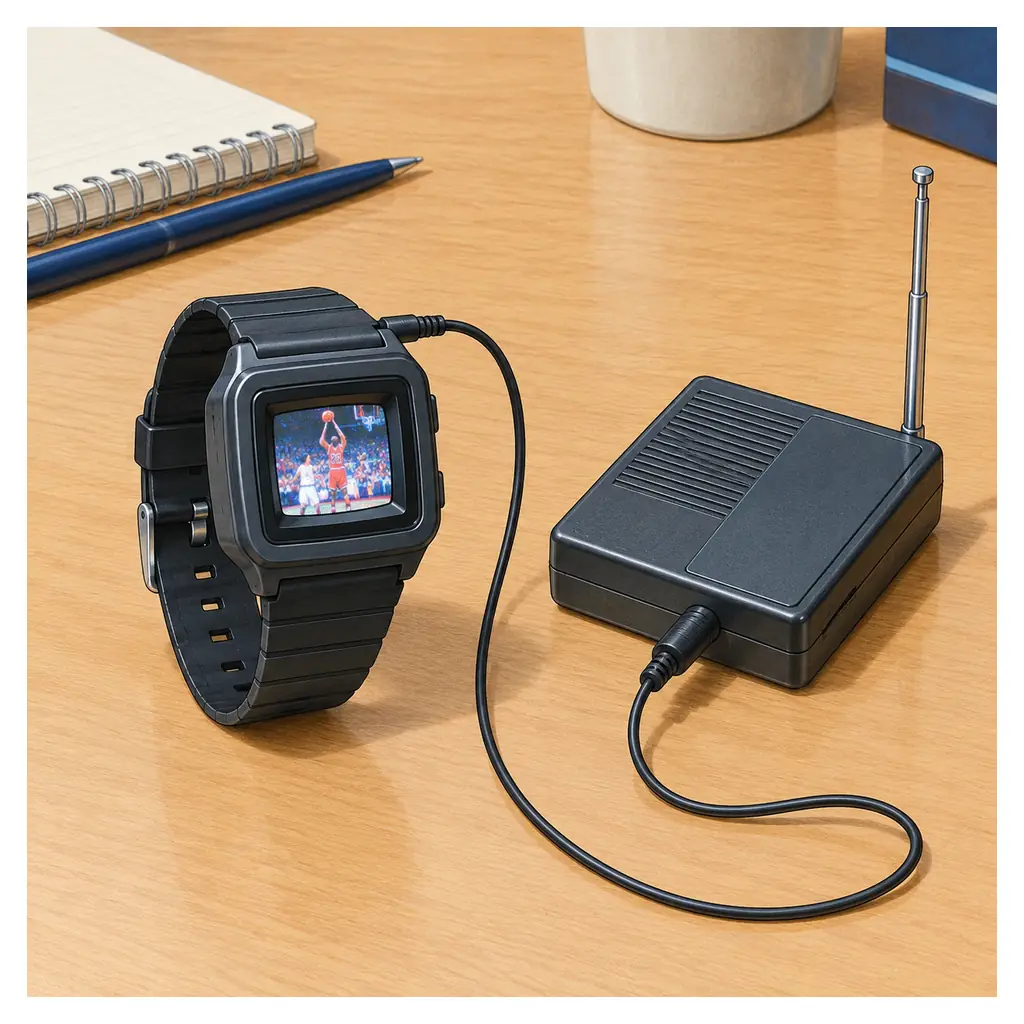
Seiko introduced its TV Watch in 1982. The small wrist display worked with additional receiving equipment; the screen alone was not a complete television station in miniature.
The product made the future visible on a wrist, even for people who encountered it only in publicity. Ordinary timekeeping remained much simpler.
A remembered gadget can be culturally familiar without having been widely owned. That distinction keeps an electronics retrospective from turning every striking invention into an imagined household standard.
Sources and further reading
- sony.com
- sony.com
- eu.jvc.com
- sony.com
- sony.com
- sony.com.hk
- sony.com
- technics.com
- global.pioneer
- global.sharp
- world.casio.com
- casio.com
- seikowatches.com
- global.canon
- imaging.nikon.com
- corporate.epson
- tdk.com
- sony.com
- radiomuseum.org
- seikowatches.com
Image credits
- SONY Trinitron (Showa) at Namba Walk.jpg by Mr.ちゅらさん; CC BY 4.0. Scaled to fit a square canvas and converted to WebP.
- Original Sony Walkman TPS-L2.JPG by Binarysequence; CC BY-SA 4.0. Scaled to fit a square canvas and converted to WebP.
- Canon AE-1 2.jpg by RRT877; CC0. Scaled to fit a square canvas and converted to WebP.
- Nikon EM BL.jpg by Bertrand Labévue; CC BY-SA 4.0. Scaled to fit a square canvas and converted to WebP.
- Epson MX-80.jpg by Original uploader was Nakamura2828 at us.wikipedia; CC BY-SA 3.0. Scaled to fit a square canvas and converted to WebP.
- Vintage Sony Watchman Handheld Flat Black And White TV, Model FD-20A, Made In Japan, Manufacture Date - March 1984 (16905243315).jpg by Joe Haupt; CC BY-SA 2.0. Scaled to fit a square canvas and converted to WebP.
- Sony Betamax SL-C7E.jpg by Sabung.hamster aka Everyone Sinks Starco aka BxHxTxCx; CC BY-SA 4.0. Cropped or fitted to a square, resized and converted to WebP. No subject details altered.
- JVC-HR-3300U.jpg by Groink; CC BY-SA 3.0. Cropped or fitted to a square, resized and converted to WebP. No subject details altered.
- Sony Walkman02.jpg by Itsramon; CC BY-SA 3.0. Cropped or fitted to a square, resized and converted to WebP. No subject details altered.
- Sony D50 Discman.JPG by Binarysequence; CC BY-SA 4.0. Cropped or fitted to a square, resized and converted to WebP. No subject details altered.
- Sony Video8 AF .jpg by JonnyMele; CC BY-SA 4.0. Cropped or fitted to a square, resized and converted to WebP. No subject details altered.
- Technics turntable, Ottobrunn (P1046342).jpg by Matti Blume; CC BY-SA 4.0. Cropped or fitted to a square, resized and converted to WebP. No subject details altered.
- Pioneer KE-2090SDK-2407.jpg by Raimond Spekking; CC BY-SA 4.0. Cropped or fitted to a square, resized and converted to WebP. No subject details altered.
- Vintage Sharp Compet Elsi Mate EL-8117K Pocket LCD Calculator, Made in Korea, Circa 1977 (9328643597).jpg by Joe Haupt from USA; CC BY-SA 2.0. Cropped or fitted to a square, resized and converted to WebP. No subject details altered.
- Casio CFX200.jpg by U1Quattro; CC BY 3.0. Cropped or fitted to a square, resized and converted to WebP. No subject details altered.
- Casiotone 1000p (1982).jpg by Salvador Calyso; CC BY-SA 4.0. Cropped or fitted to a square, resized and converted to WebP. No subject details altered.
- Vintage Seiko Men's Digital Quartz Watch, LCD Display, Original Bracelet, Circa Late 1970s by France1978; BY-SA 2.0. Cropped or fitted to a square, resized and converted to WebP. No subject details altered.
- Compact Cassette - TDK AR-X90.JPG by Andrey Korzun; CC BY-SA 4.0. Cropped or fitted to a square, resized and converted to WebP. No subject details altered.
- Boombox (Unsplash).jpg by Eric Nopanen rexcuando; CC0. Cropped or fitted to a square, resized and converted to WebP. No subject details altered.