11 Ways to Make a Smaller Home Work When Grandkids Visit
Make space for grandchildren in a smaller home with a few places to put things, easy routines, and sleeping…
The grandkids can have a wonderful weekend without a playroom of their own. Clear a few spots before they arrive and the whole visit will feel easier.
11. Put every overnight bag in one spot
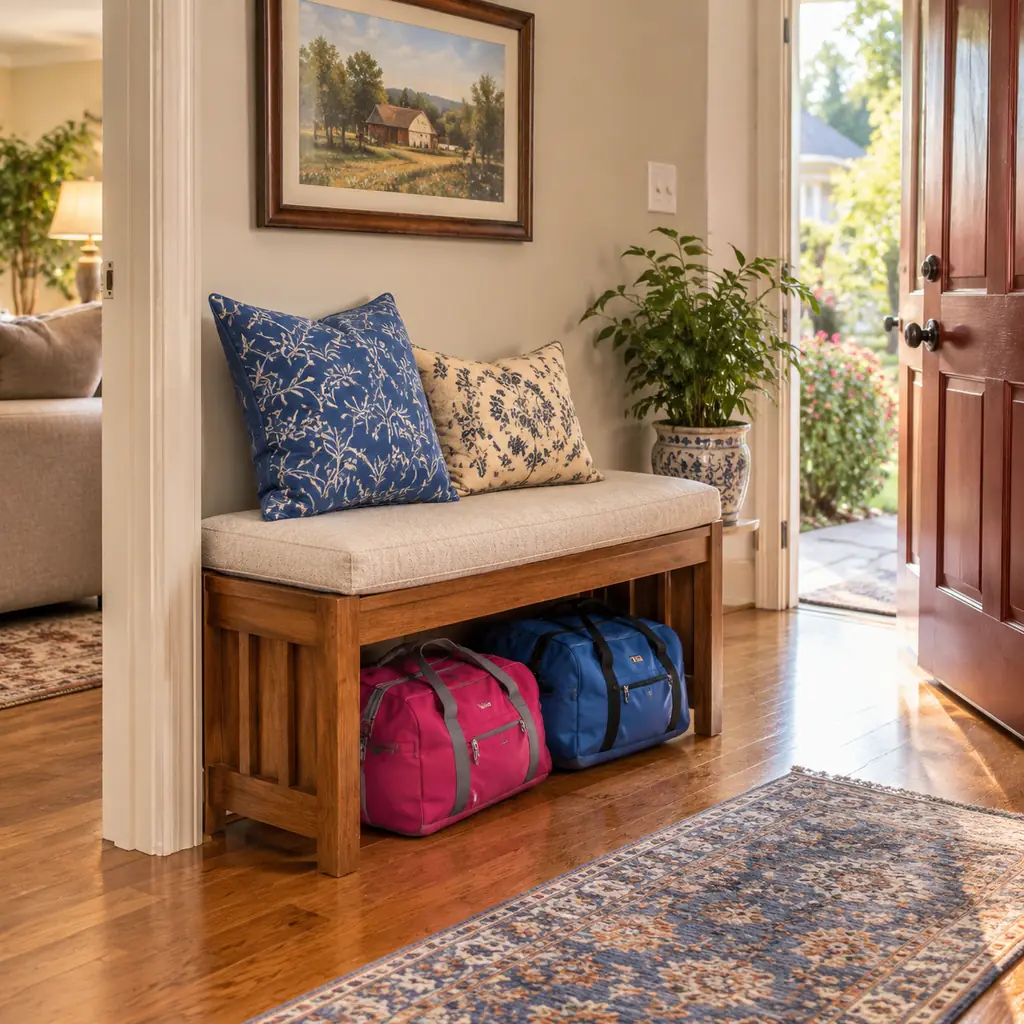
Two overnight bags and a pair of winter boots can block the narrowest hall in minutes. Clear a spot in the coat closet or beneath a sturdy bench before the car pulls up.
Show everyone where to unload. A low basket in the same place can hold damp hats and mittens until you hang them to dry. Keep the route from the front door to the bathroom open.
10. Sort out the sleeping setup before bedtime
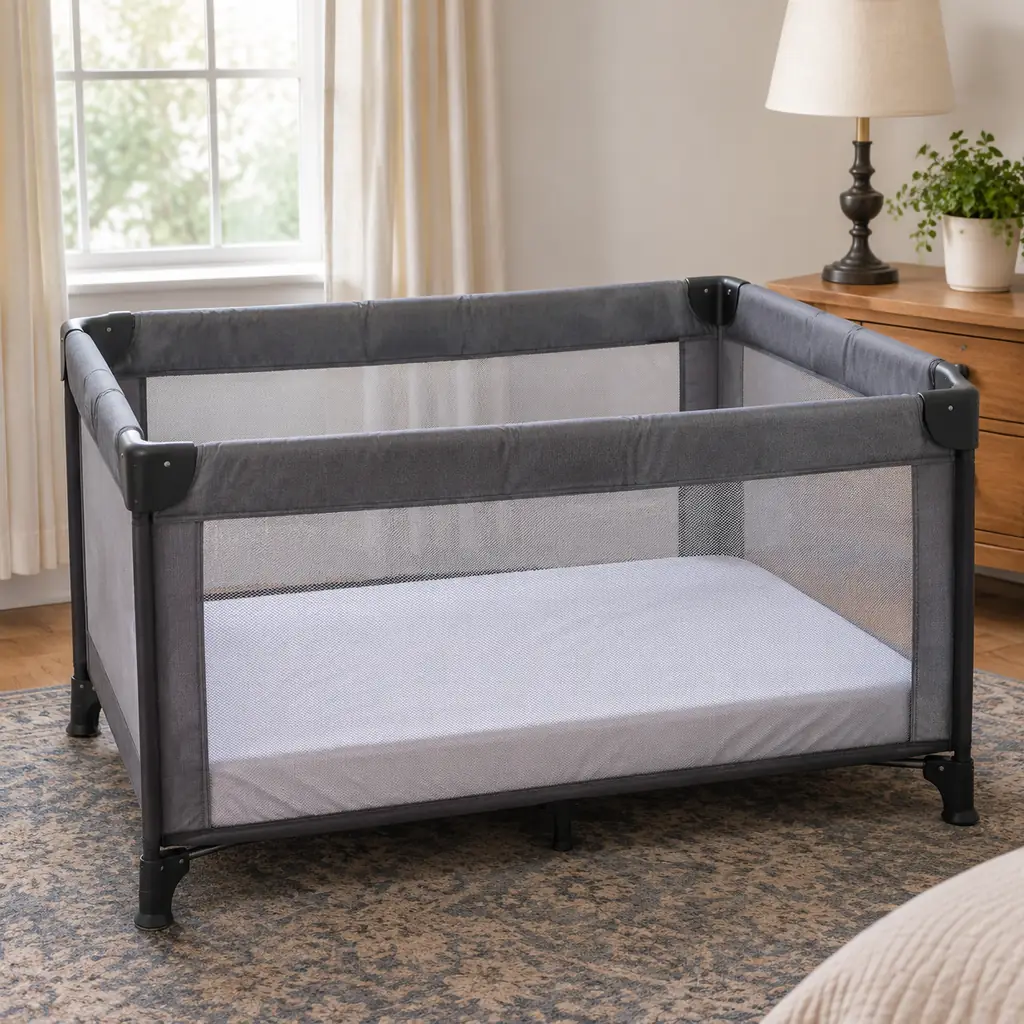
Ask the parents what each grandchild sleeps in at home. For a baby, arrange a crib, bassinet, or play yard intended for sleep that meets current federal standards. Plan where it will go and leave space to get around it.
The Consumer Product Safety Commission’s infant sleep guidance calls for a baby to be placed on their back, on a firm, flat sleep surface with only a fitted sheet.
9. Move your own everyday hazards before the guests arrive
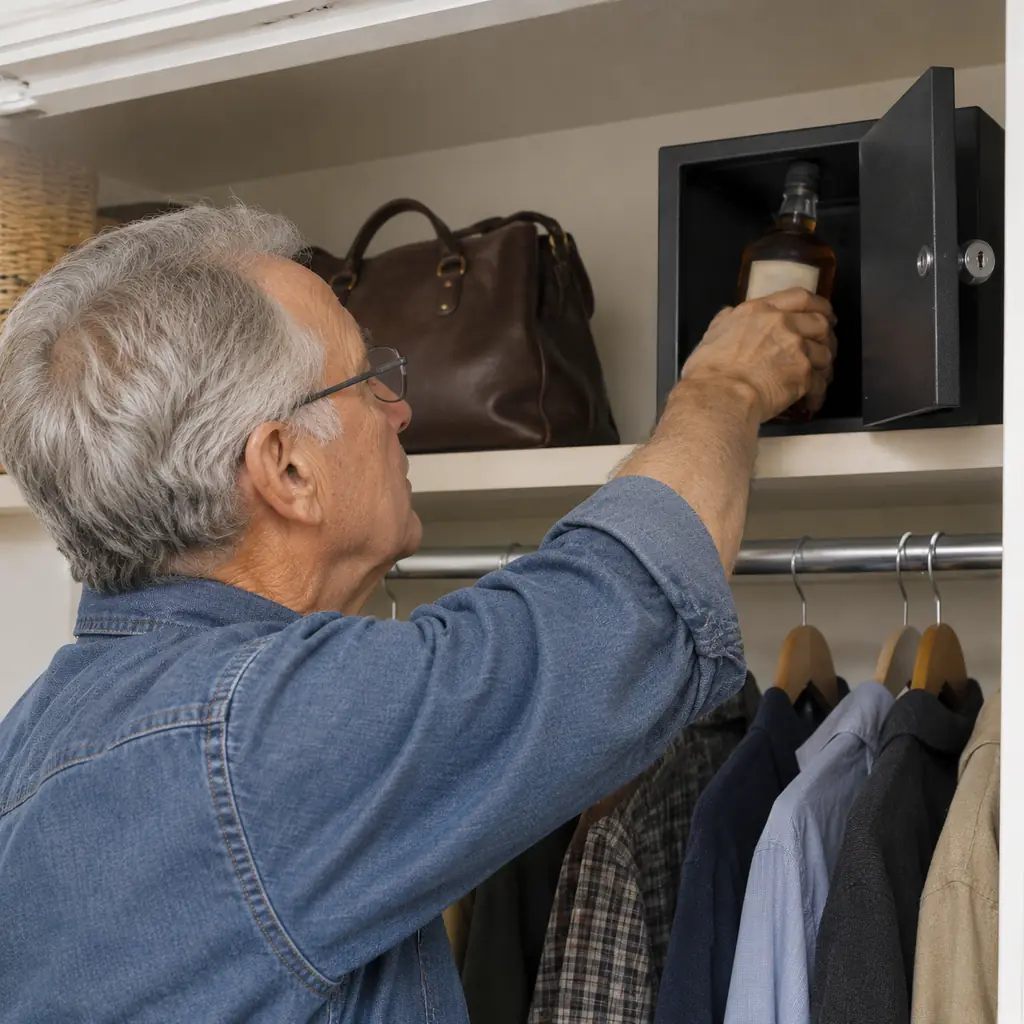
The pill organizer next to the toaster may disappear into your routine. A curious child is more likely to notice it. Put medicines and the bags that carry them out of sight and reach. Keep medicines in child-resistant containers, as the American Academy of Pediatrics recommends.
Look for loose batteries, blind cords, and wobbly furniture. Anchor furniture and televisions before the visit. Move breakable keepsakes off the shelves younger guests can reach.
8. Make one drawer the place kids can help themselves
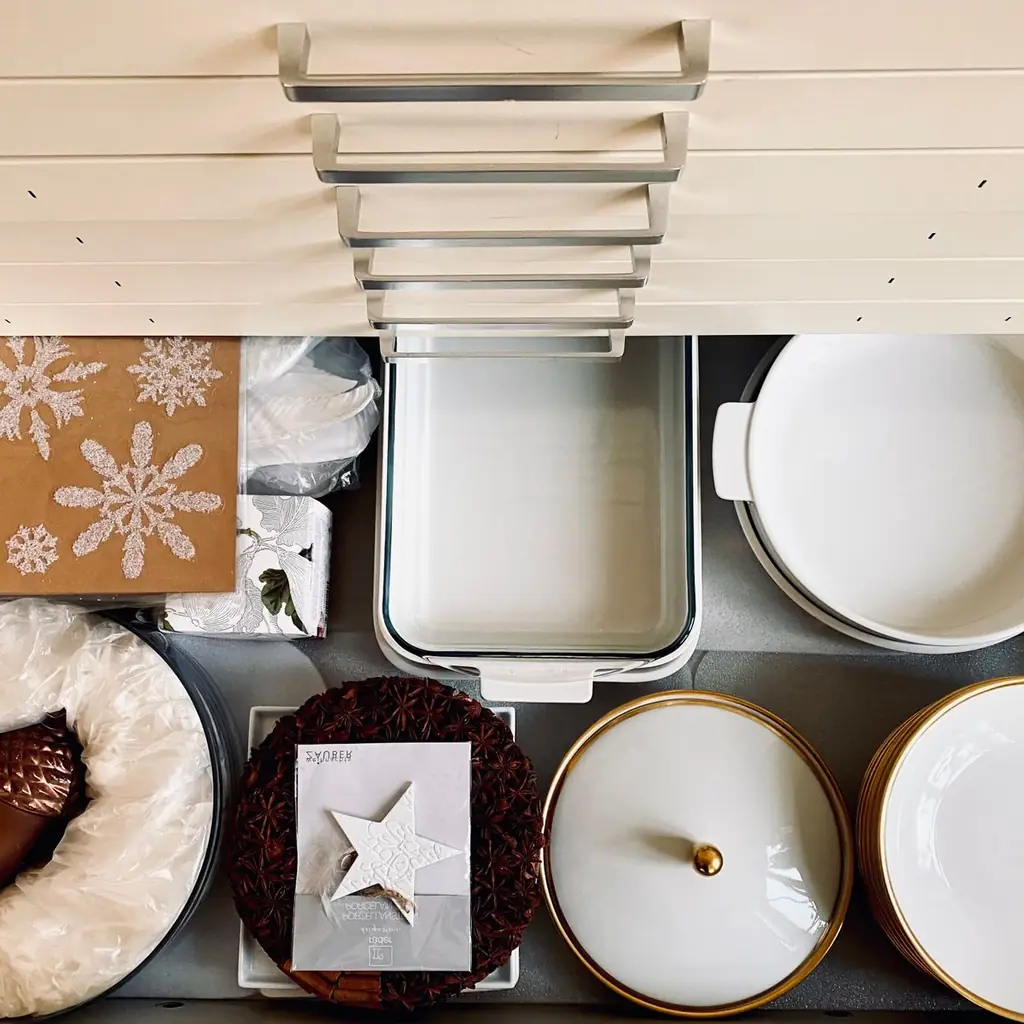
A small home works better when children can find the things they are allowed to use. Set two sturdy cups, a bowl, and a few napkins in one drawer or open cubby.
Ask their parents which snacks suit the children’s ages and allergies. Serve young children while they are seated and supervised. You might keep the same drawer layout after everyone leaves, especially if you use smaller dishes in a compact kitchen.
7. Make one table do two jobs without a big cleanup
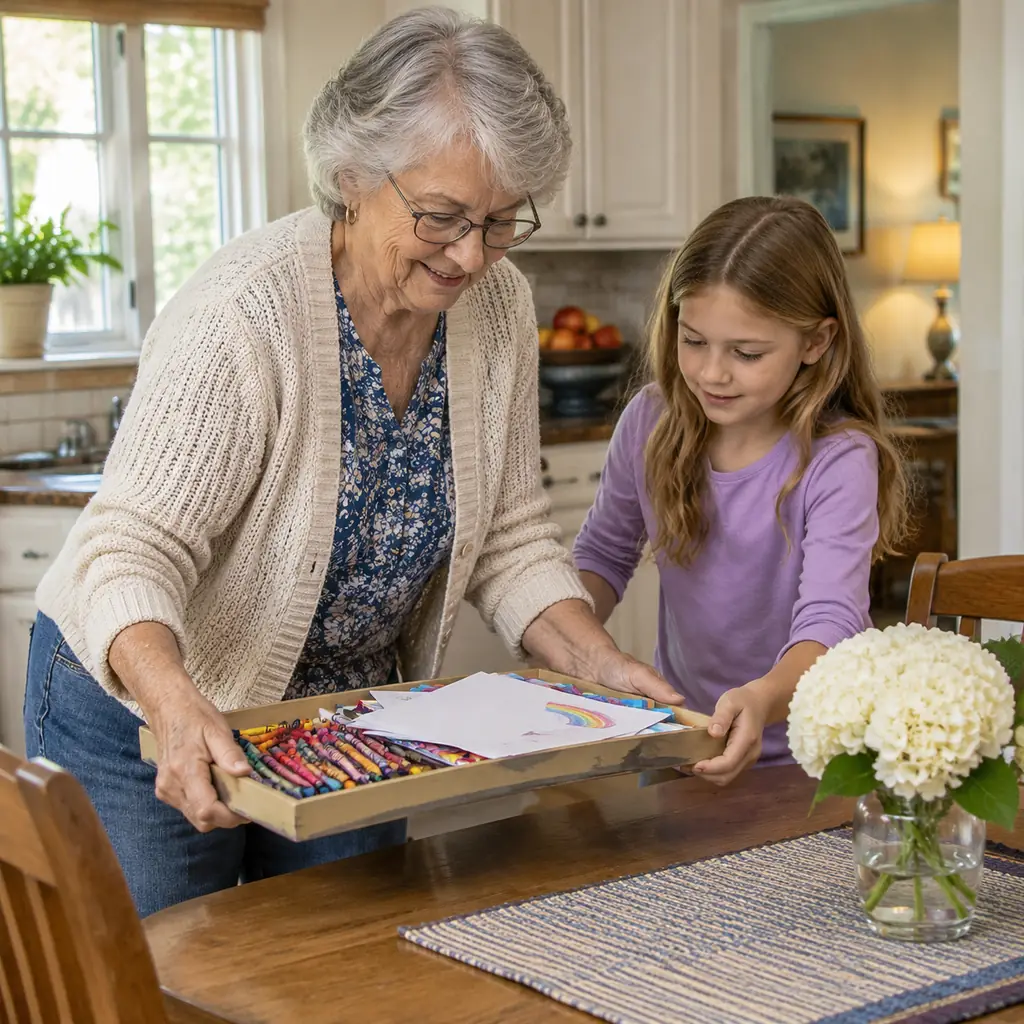
Set out a shallow tray with a few age-appropriate drawing supplies. When supper is ready, carry the tray to a shelf. The picture can stay the way the child left it.
Try the same setup for puzzles or building toys the older children enjoy. Small pieces should be kept away from younger children. Japanese-inspired small-space ideas use a similar approach to make furniture easier to share.
6. Arrange a low-key bedtime for the whole house
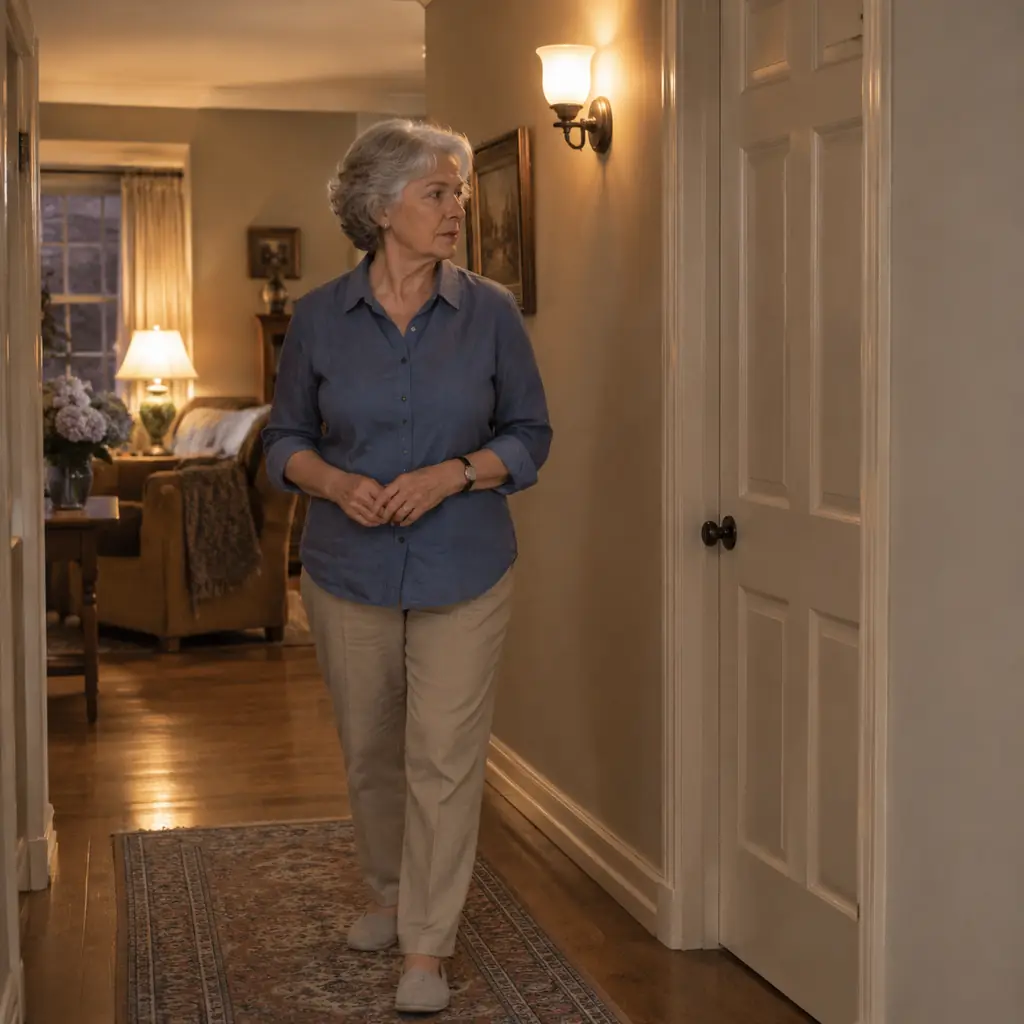
A child who sleeps at the far end of a larger house may hear everything from a small den. Ask the parents about the usual bedtime before you set up a late dinner. Pick a quieter room if one is available.
Leave a light on along the route an older child will take to the bathroom. Put the television farther away or lower the volume once the household settles.
5. Give pets somewhere calm to go

A friendly dog can get tired when children follow it from room to room. Make a quiet spot with the dog’s usual bed and water. Teach the children to leave the dog alone there.
Stay close when young children and pets are together. Ask parents about allergies before everyone arrives. If your house has one easy-to-close room, decide how your household can share limited space without crowding each other.
4. Pick a few toys you can put away in one trip
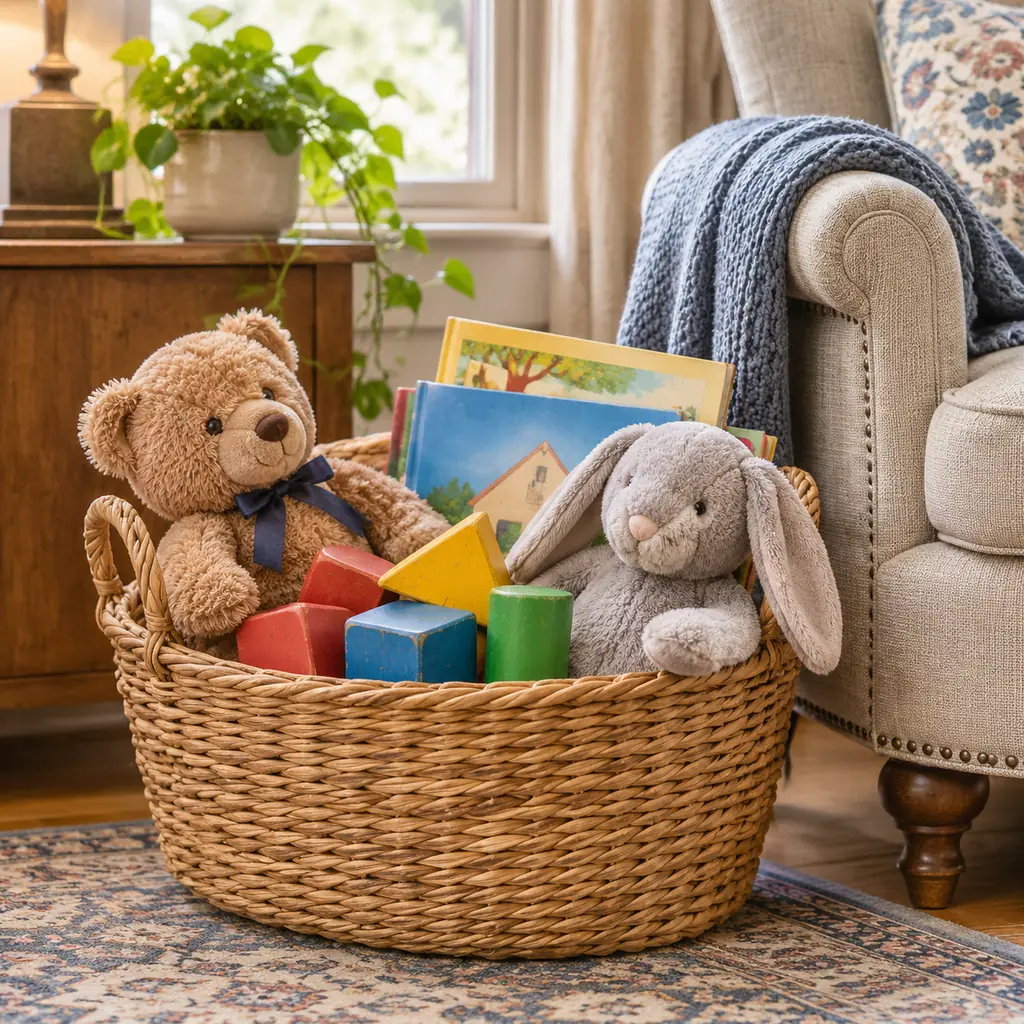
A shallow basket of books and a few familiar toys goes farther than a spare closet full of playthings. Pick items that match the youngest guest’s age. Rotate choices if you know the children will be back soon.
Keep sentimental toys on a high shelf if wear or loose parts make them unsuitable. Bring one down for the story it carries, like other family keepsakes worth explaining before you pass them on.
3. Make an outdoor break part of the visit

A short walk after lunch can reset the feel of a crowded room. Try a route the children can finish comfortably, such as a loop past a park bench or community garden.
Have a simple indoor backup, especially when the weather turns cold. A nearby library can serve that purpose. When you are choosing a town to live in outside vacation season, take note of places you could visit together.
2. Prep towels and clothes in the order people need them
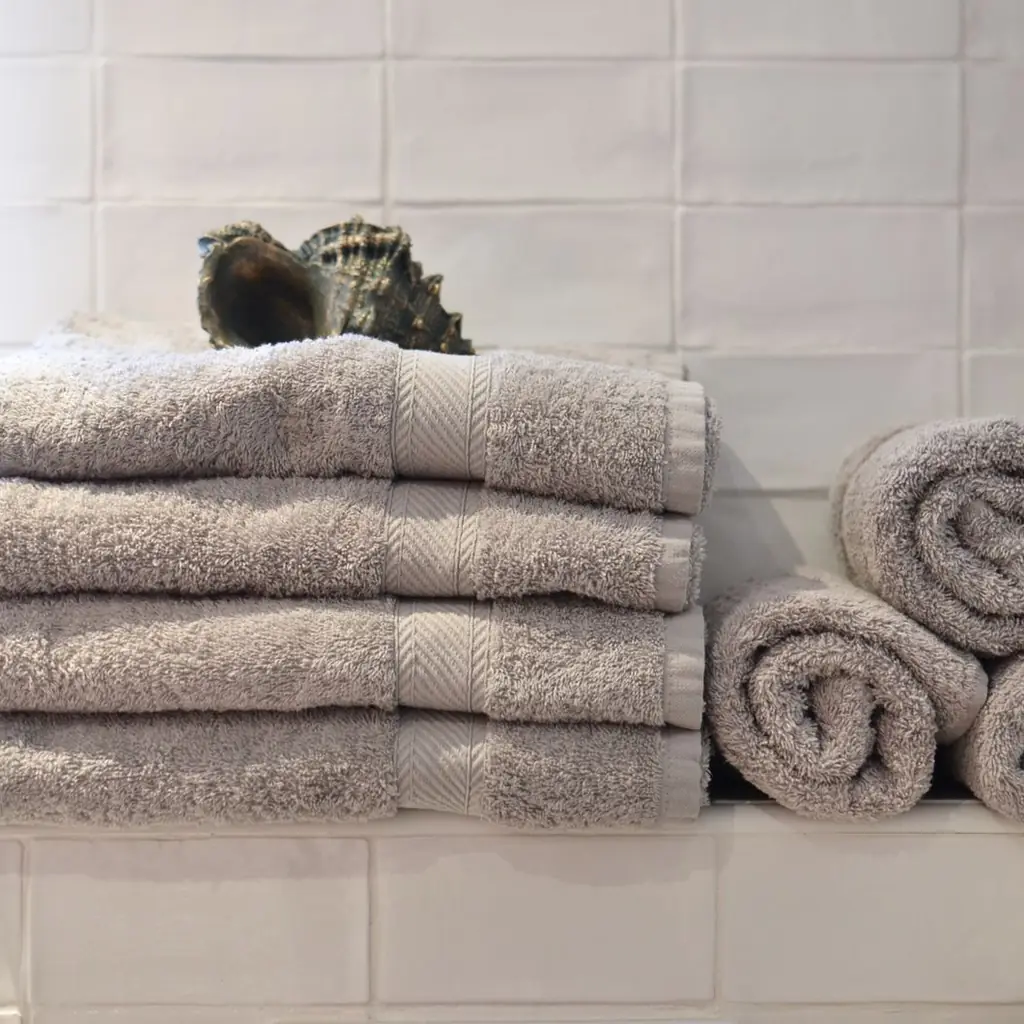
It is easy to run out of counter space when toothpaste, pajamas, and three towels arrive at once. Put out what each child needs in order before the evening gets busy.
Use a distinct towel color for each guest. Ask older children to bring their used towels to one hamper. Check for sharp corners, loose bath mats, and other small home changes that make everyday routes easier.
1. Leave something familiar to do the next morning
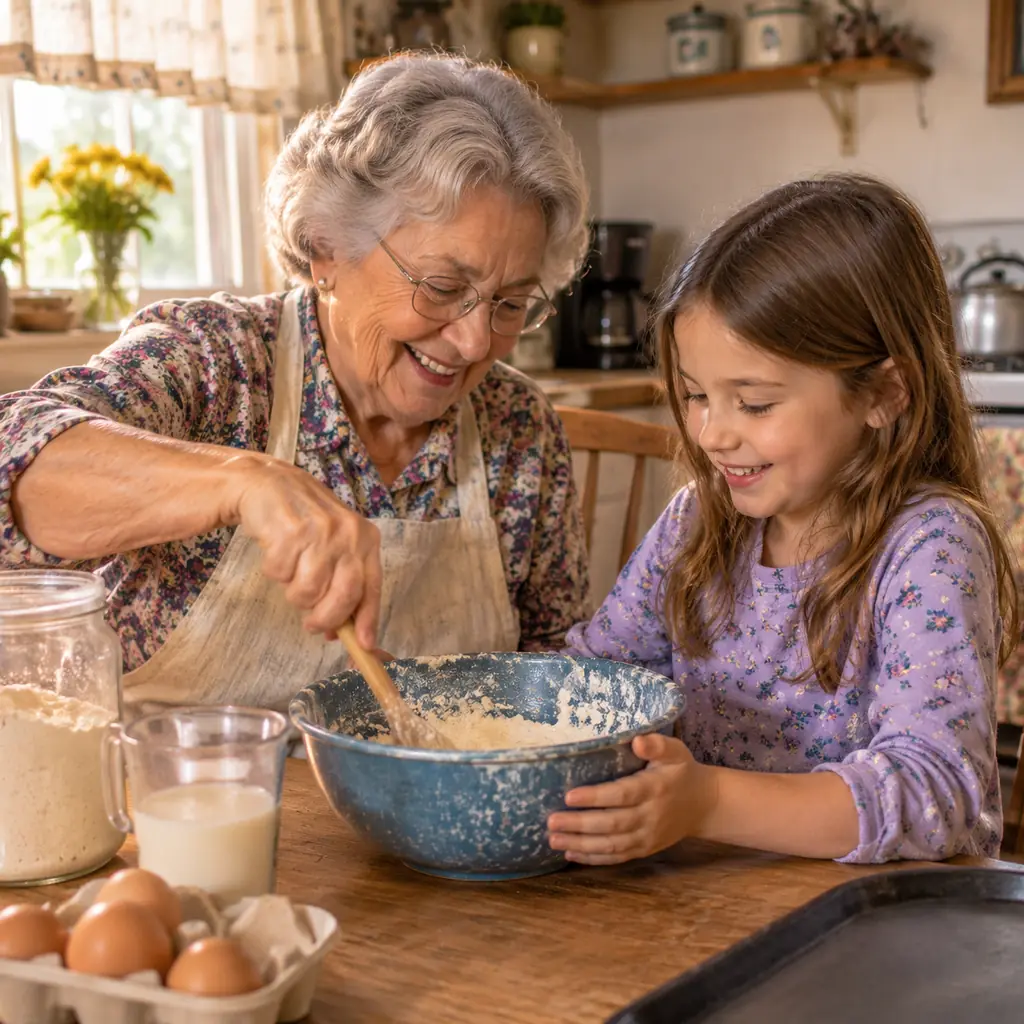
A child may remember stirring pancake batter more vividly than the room they slept in. Put the bowl, spoon, and two plates on the counter the night before. Let the morning happen around something simple.
Keep that one tradition ready for the next visit. Put things away when they leave and give the room back to its usual routine. The ritual can come out again without taking up more space.
Image credits
- Make one drawer the place kids can help themselves by Lydia Griva. Pexels License. Cropped to square and converted to WebP.
- Give pets somewhere calm to go by Aysun Kahraman Öktem. Pexels License. Cropped to square and converted to WebP.
- Prep towels and clothes in the order people need them by Skylar Kang. Pexels License. Cropped to square and converted to WebP.