15 Things Retirees Wish They’d Set Up Before Their Last Day at Work
Put the dates, accounts, rides, and recurring plans you’ll need in retirement in place while the people who…
It’s easy to plan your last day at work and forget what has to happen on the first ordinary Monday afterward. Set these things up while you still have time to make a call or ask a colleague.
1. The Date Your Last Paycheck Actually Arrives
Your last workday and your last deposit may fall in different weeks. Ask payroll for the expected deposit date and how it handles any remaining expenses or leave payout that applies to you.
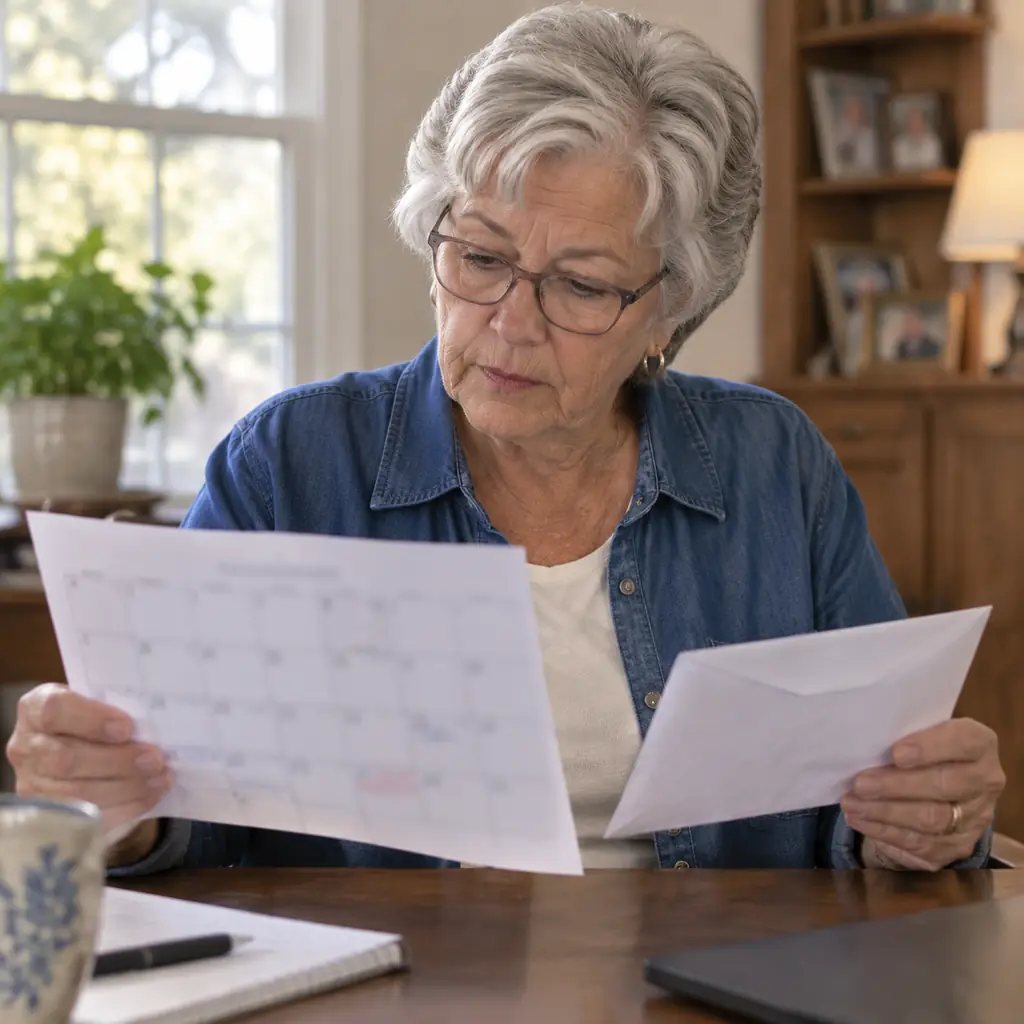
Set that date beside your usual bill dates. If you’re also expecting a pension or benefit check, confirm the first deposit directly. A calendar with the actual dates helps you see the gap before you’re in it.
2. A Way Into Your Accounts Without Work Email

The supermarket loyalty account can wait. Losing the email address that receives verification codes for an account you use every month is harder to unwind.
Review the recovery email and phone number on important personal accounts. Change any that point to work, then sign out and test access from a personal device. Check where identity documents or backup codes are stored before you turn in the company laptop.
3. One Recurring Plan for an Ordinary Weekday

A retirement trip gives you something to look forward to. One regular Tuesday plan gives the weeks after the trip a shape.
Choose an activity you can show up for without planning a whole day around it. That might be a library volunteer shift, a walking group, or coffee with someone who works weekends. Confirm the time and location and put the first date on the calendar before you leave.
4. Written Dates for the Health Coverage Handoff

Ask your benefits office for the date your workplace health coverage ends and whom to contact with questions after you leave. If someone else is on your coverage, verify their dates too.
If Medicare applies to you, use Social Security’s official enrollment guidance to check what your situation requires. Keep any written confirmations in one place and use a personal email address where the provider can reach you.
5. Direct Contact With the Work Friends You Want to Keep

The person who sits next to you may be the first to ask how retirement is going. Staying in touch gets harder once you’re no longer at the same meeting every week.
Exchange personal contact information with the people who want to stay in touch. Then suggest a specific breakfast or walk. Like the short visits that disappear after a move, these conversations were easier when each person had a reason to be there.
6. A Month of Bills With the Work Costs Taken Out

A workday budget can hide how much you pay for parking, takeaway lunches, and professional clothes. Those costs may fall while utilities, activities, or travel creep up.
Look through a recent month of statements and mark expenses you expect to keep, drop, or replace. Leave a place for costs that arrive less often. Before adding a new hobby purchase, see which purchases bring their own upkeep.
7. A Practiced Route to Somewhere You’ll Go on Your Own

A route that worked on the drive home from work may feel out of the way when you’re starting from home. Pick one place you expect to visit often and see how you’ll get there.
Try the trip at the time you’re likely to use it. Notice the walk from parking, which entrance is open, and where you’d wait if a ride were late. The same details matter when you tour a potential retirement home.
8. A Shared Plan for the Hours You’ll Both Be Home

If one person already works at home or has a quiet morning routine, a new daily schedule can put both people in the same room at the same time. Talk through how each person wants to use that space.
Pick a spot for calls, hobbies, and tasks that need concentration. Give each other room to keep the ordinary household habits that make the place feel like home.
9. A Personal Copy of the Records Your Employer Lets You Keep

Your former work inbox may be hard to reach after the last day. Ask what personal payroll, tax, benefits, or employment records you can download and whether the employee portal will stay open.
Keep the material in your own secure folder, with a way to find it later. Leave employer files where they belong. The point is to preserve your own records while a payroll or HR contact can still answer questions.
10. A Date to Start Giving the House a Trial Run

If you’re considering a move, try using only the things you expect to take for a week. Notice which lamp, pan, or chair you go back to when the new setup falls short.
Keep a short list of what you used and where it could fit. A test can save you from giving away things you still rely on during a hectic stretch.
11. Someone Who Can Answer Questions Once You’ve Left

A month after you leave, you might need to ask about a final pay statement or a benefit form. Get the shared payroll or benefits phone number while you’re still at work. Find out whether the company uses a separate portal for former employees.
Store the contact details where you’ll look first. A general number you can call again is more dependable than a message left in someone’s personal inbox.
12. A Test Morning With Nothing Planned

Try one weekday off without filling the morning with appointments. See when you get up, when you feel restless, and whether you enjoy having no destination before lunch.
The point is to learn what a free morning feels like. You might find that one errand and a slow breakfast are enough. Keep the parts that work and allow time for a rhythm to form.
13. One Way to Try an Interest Before Buying the Equipment

If you’ve long pictured yourself in a woodshop or studio, try a session with borrowed or shared equipment first. You’ll learn whether you like the work and whether setup, cleanup, or travel keeps you from going back.
Use what the class provides for a few sessions. Keep an eye on the small tools you always reach for. Buy those before stocking a cupboard with supplies you’ll have to sort later.
14. A Short List of Commitments You Can Delay

People may hear you’re retiring and assume your calendar is open. Some requests are a pleasure. Others can turn your first free weeks into a familiar list of deadlines.
Pick a few dates you’re comfortable protecting. Give yourself time to see how the new routines fit before you commit to a whole season of pickups, committee meetings, or weekly errands.
15. A First Week That Leaves Room for an Ordinary Day

A farewell meal or a short trip can be a nice marker. Leave a stretch afterward for an unhurried walk, a meal at home, and the small errands you’ve been postponing.
Write down what you want more of after that week. You may learn that time to call someone and sort the things that carry a family story matters as much as the plans you’ve already made.
Image credits
- One Recurring Plan for an Ordinary Weekday by cottonbro studio. Pexels License. Cropped to square and converted to WebP.
- A Month of Bills With the Work Costs Taken Out by Mikhail Nilov. Pexels License. Cropped to square and converted to WebP.
- A Personal Copy of the Records Your Employer Lets You Keep by SHVETS production. Pexels License. Cropped to square and converted to WebP.
- A Test Morning With Nothing Planned by Teona Swift. Pexels License. Cropped to square and converted to WebP.