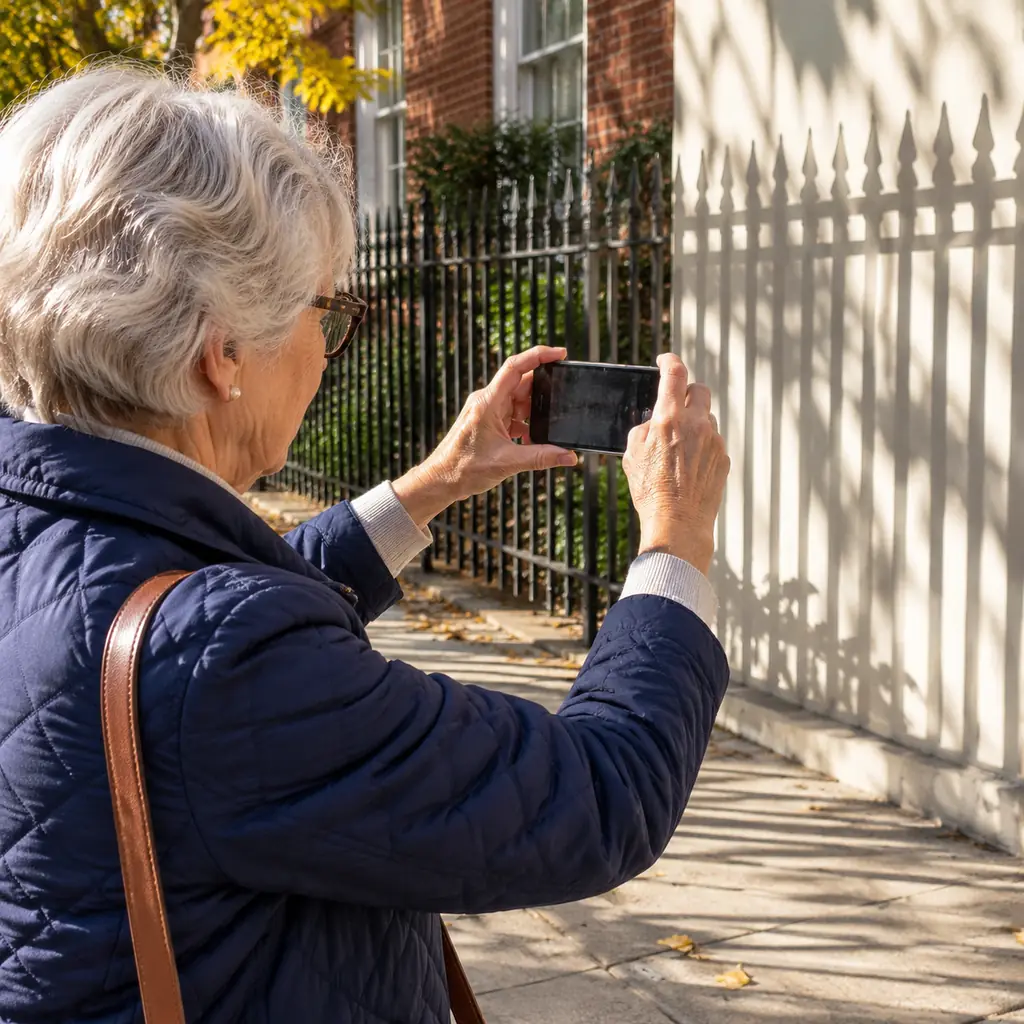
15 Hidden Hassles in Homes That Look Perfect for Retirement
Walk through the garage, shower, laundry route, and storage before you decide a home will be easy to live in…
A house can look easy to live in when you’re walking through it with empty hands at noon. Look again at the routes you’ll use with groceries, laundry, and wet shoes.
1. The Steps Between the Garage and the Kitchen
A house listing can say single story while the garage still has two steps up to the door. Those are the steps you’ll use when you’re carrying the groceries.
Start at the spot where you’d park and walk the route to the kitchen. Check the spacing around the door and whether there’s a step-free way in elsewhere, as AARP’s HomeFit entry guide suggests.
2. A Big Bathroom With a Shower Door That Barely Opens
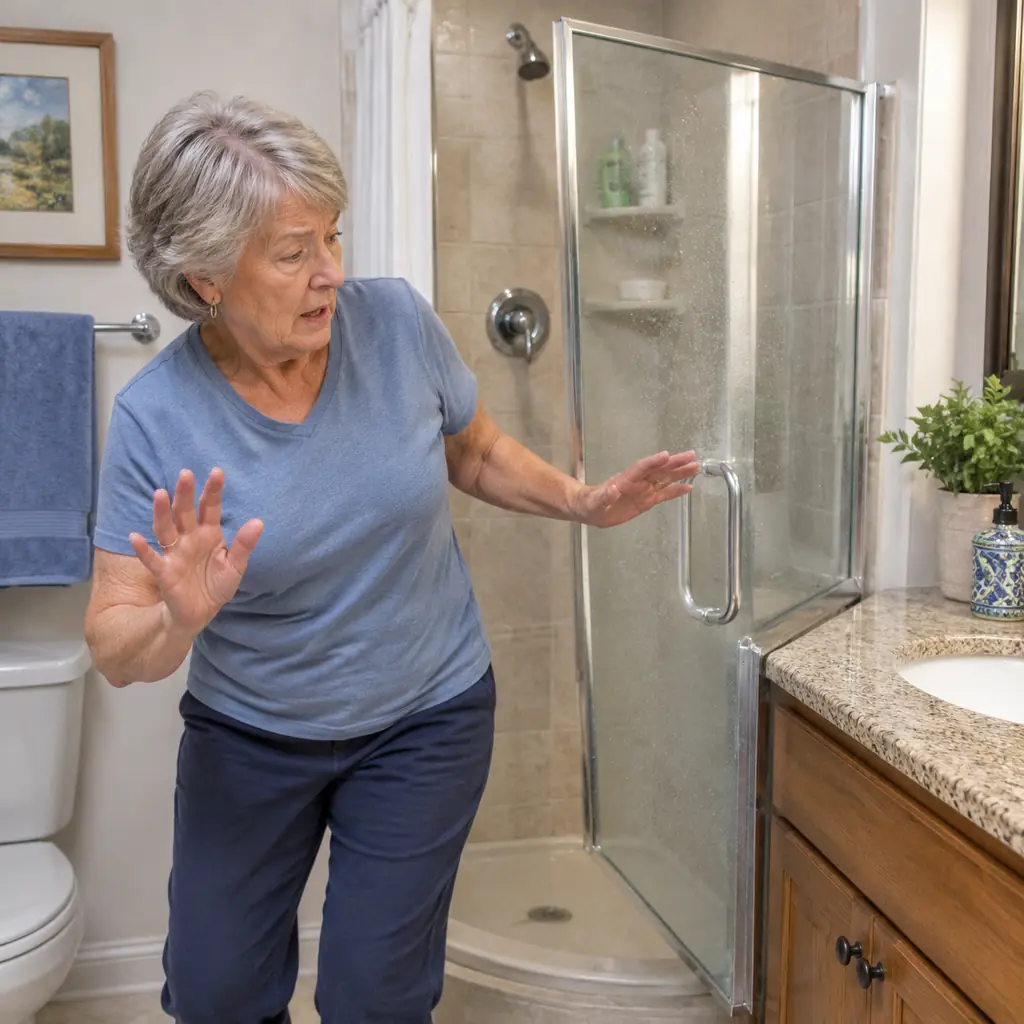
A large vanity and good light can make the bathroom seem generous. The shower door can tell a different story if it hits a towel rack or leaves a person turning sideways to get in.
Open the door all the way during the walk-through. Look at the step into the shower and the space outside it. Ask where a proper grab bar could be fitted if you wanted one later.
3. The Laundry Room You Reach by Going Downstairs
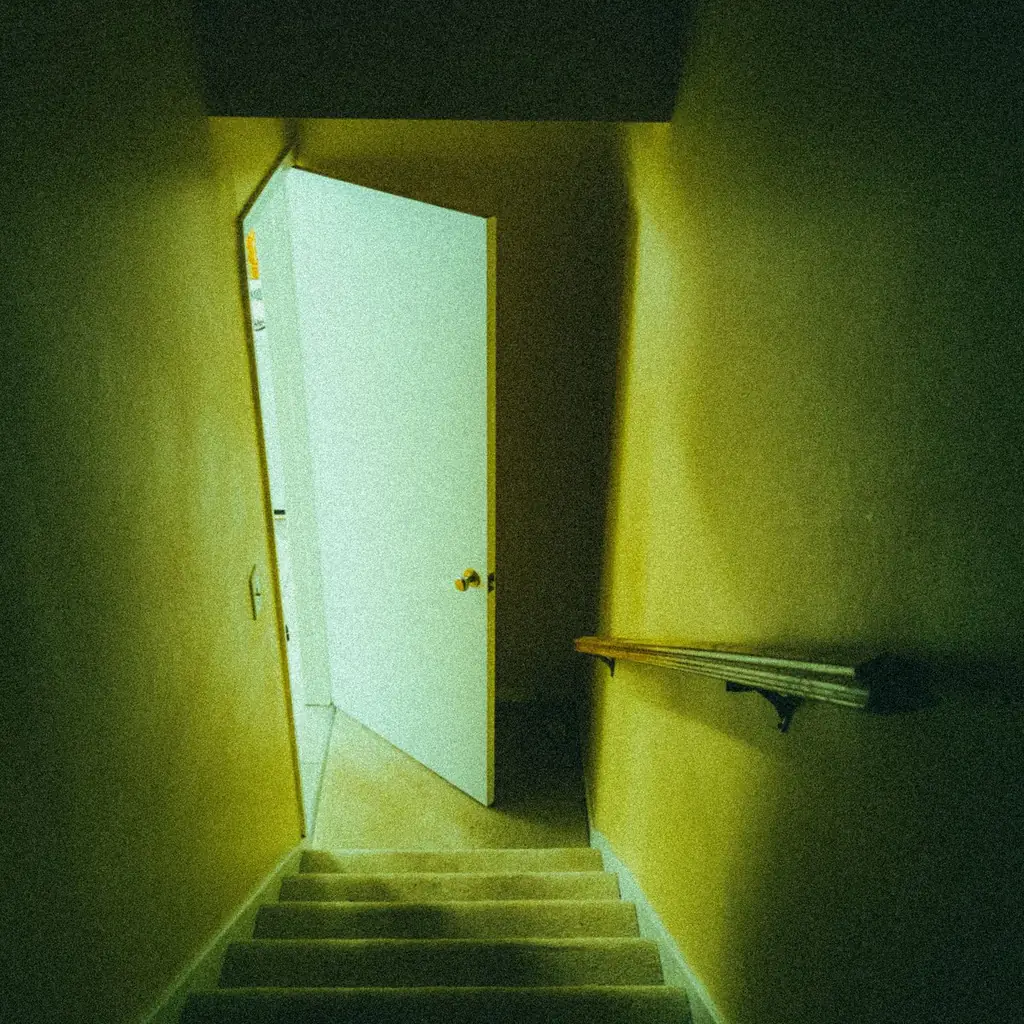
A basement laundry room can look tidy with a basket sitting on the dryer. Every load still means a trip downstairs and a return with the basket in your hands.
Walk the stairs and check the handrail and lighting. If you’d want laundry on the main floor, ask a contractor to look at the space and connections before you count on making the change.
4. A Hallway That the Furniture Has to Turn Into
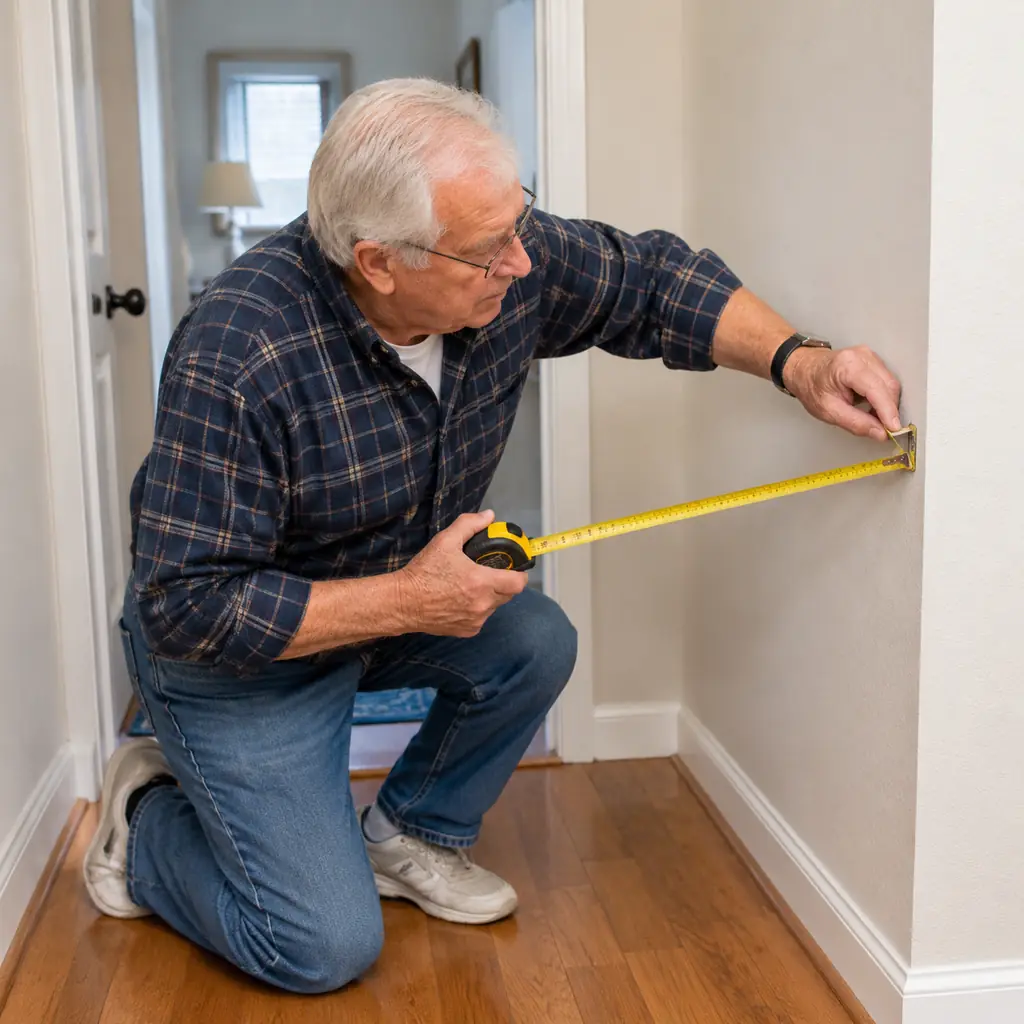
A doorway can be wide enough for a chair while the turn outside it is too tight to swing the chair through. The kitchen route may have a similar issue if the refrigerator comes through a side entry.
Measure the tightest turn and the opening with the door swung aside. Compare those numbers with the largest item you want to keep or replace.
5. A Spare Bedroom That’s Too Far From a Bathroom
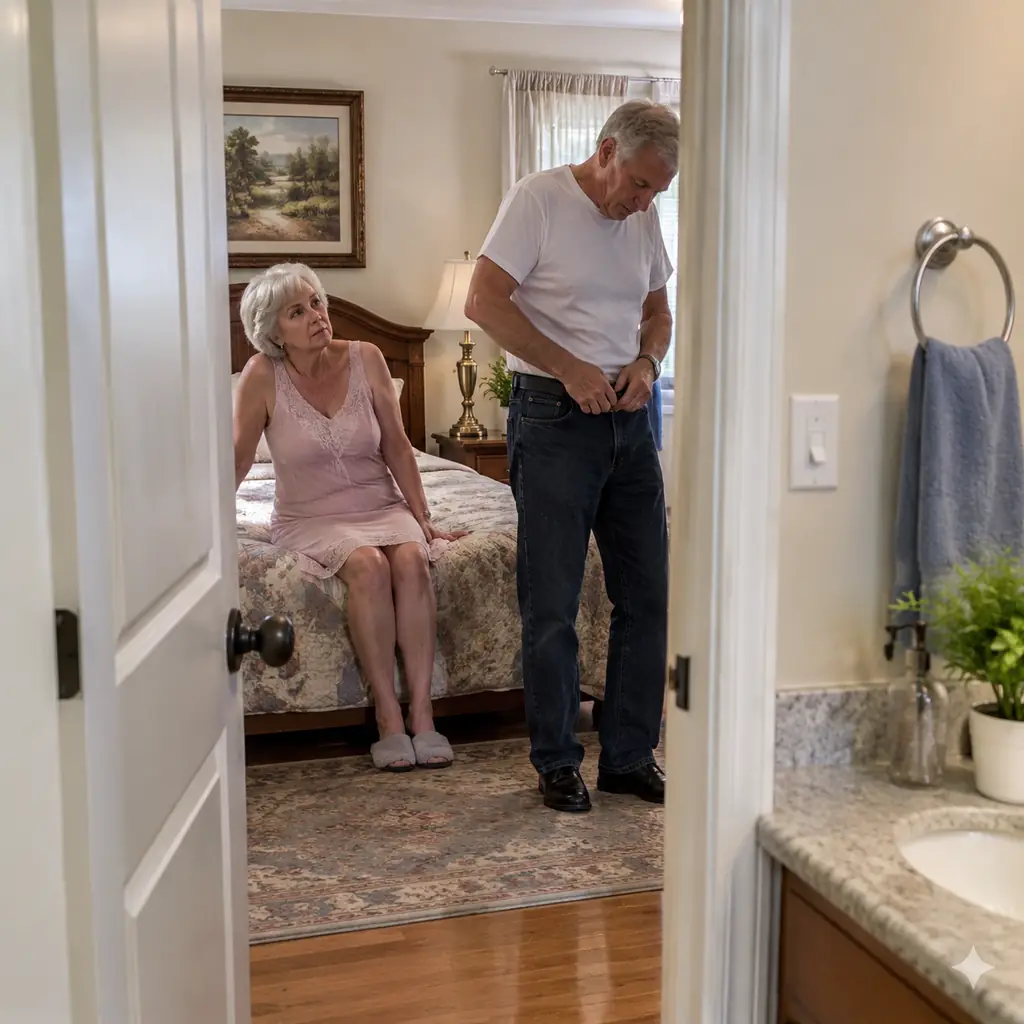
An office may look like a bedroom you could use if the rest of the house became less convenient. Check where you’d go from there if you needed the bathroom overnight.
Walk the route with the doors in their normal positions. Look for flooring changes and switch locations. If the room is for hosting, think about the kinds of family visits you’re likely to have.
6. A Kitchen With Plenty of Storage Up High
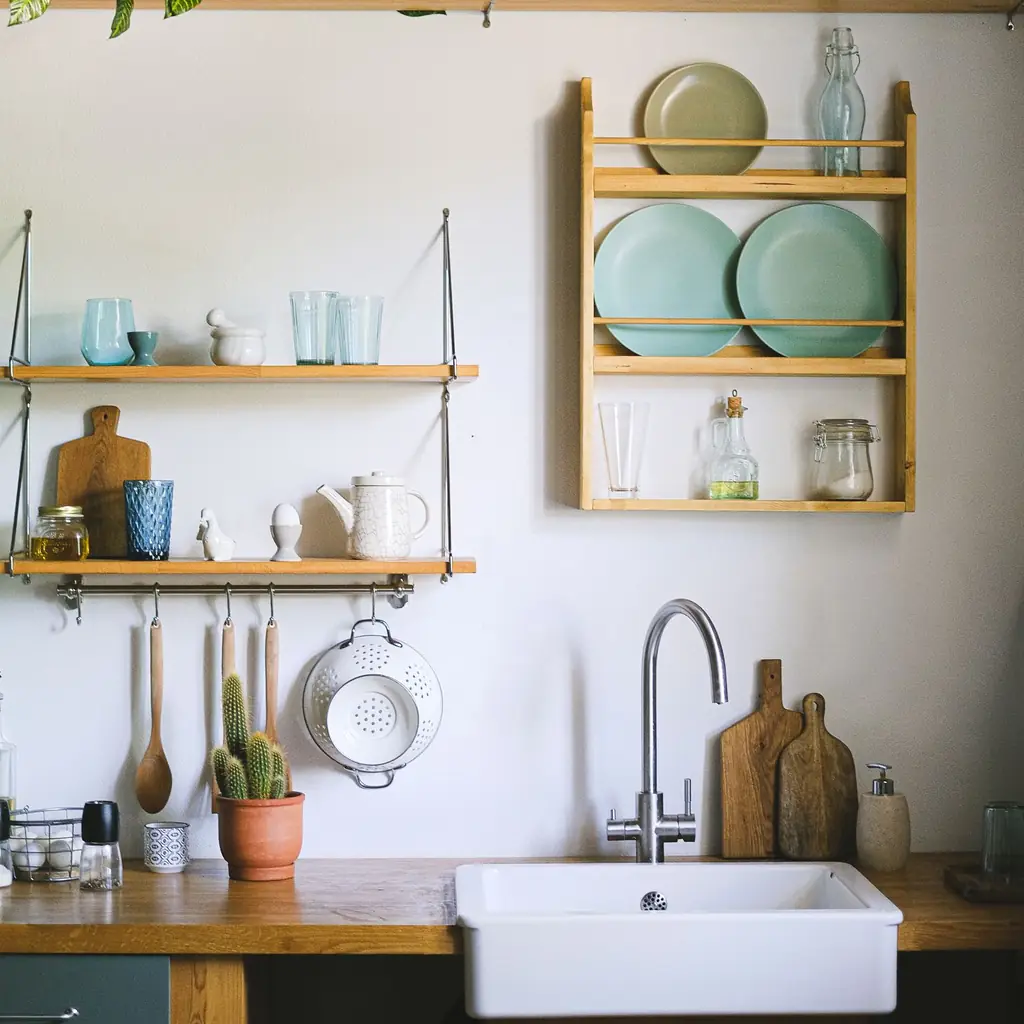
A row of tall cupboards looks like plenty of storage. Once you put away an everyday mixing bowl, you may discover that the only space for it is over your head.
Open the drawers and cabinets. Decide where the things you use most would go. Give first choice to the cookware and tools that earn their space, particularly anything you’d rather avoid lifting down.
7. A Front Walk That Changes in Bad Weather

A smooth path can look straightforward in dry weather. Look at where water runs after rain and whether there’s a sheltered spot to stand while you find the keys.
Check the surface at the street end as well as the door. If you’re in a place that gets snow, learn who clears the walk. Ask when that work typically happens after a storm.
8. A Living Room Where Daylight Hides the Lighting Gaps

Tall windows can make a room feel bright for the tour. You might sit down to read after dinner and find that the only fixture is behind the chair, while the passage back to the hall sits in shadow.
Look for outlets where a reading lamp could go. Check which switches control the path from the bedroom to the bathroom and whether you can reach them without crossing the room in the dark.
9. A Kitchen Island That Narrows the Path When a Door Is Open
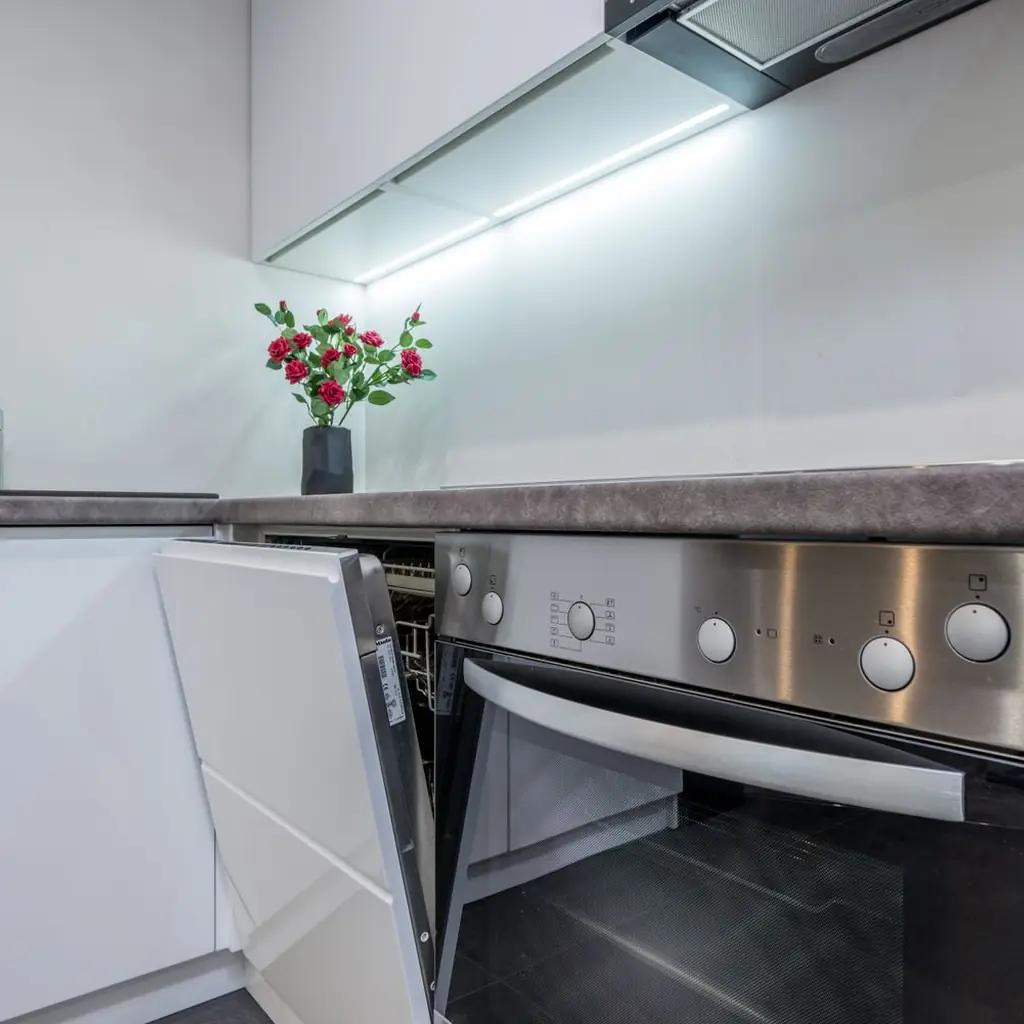
An island can give you extra counter space while taking room from the path through the kitchen. Open the dishwasher and you may find that someone has to wait to get past.
Open the fridge, dishwasher, and oven one at a time. See where a second person could stand. Household routines that work without friction are easier to keep when there’s enough room to do the next step.
10. The Yard You’ll Maintain From the Bottom of a Slope

A sloping yard can give the house a pleasant view. It can also make it harder to push a mower, carry bags of leaves, or move a trash can back to the garage.
Walk from storage to the farthest bit of yard you’d maintain. Before you commit to equipment with its own maintenance, decide which parts you would mow, change, or pay someone to look after.
11. The Service Panel You Have to Reach Around a Washer
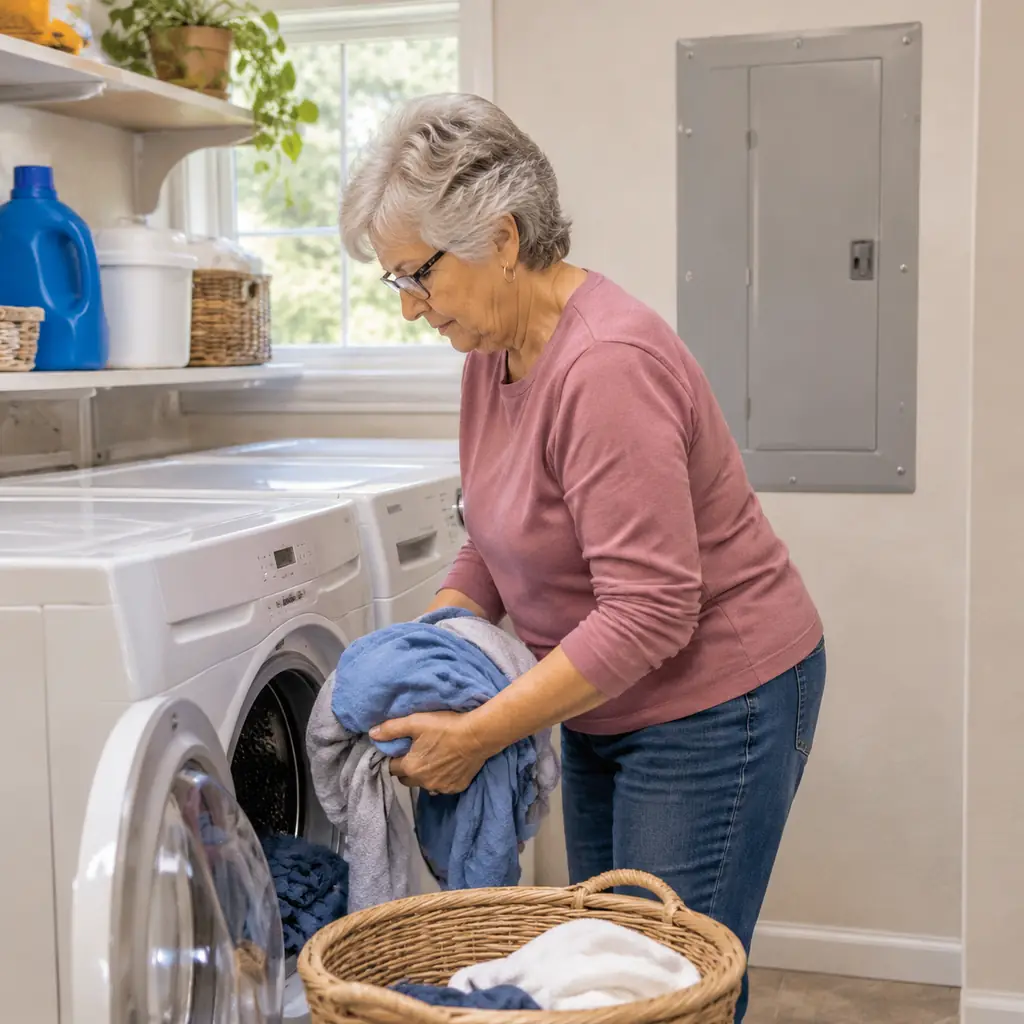
A neatly finished utility room can still make service awkward. If a washer or shelving unit blocks an access point, it may need to move every time a technician comes.
Ask the agent to point out the shutoffs and service panels. Look for a clear route and good light. If access looks tight, ask an inspector what would have to move before anyone can work there.
12. A Deck With a High Door Threshold
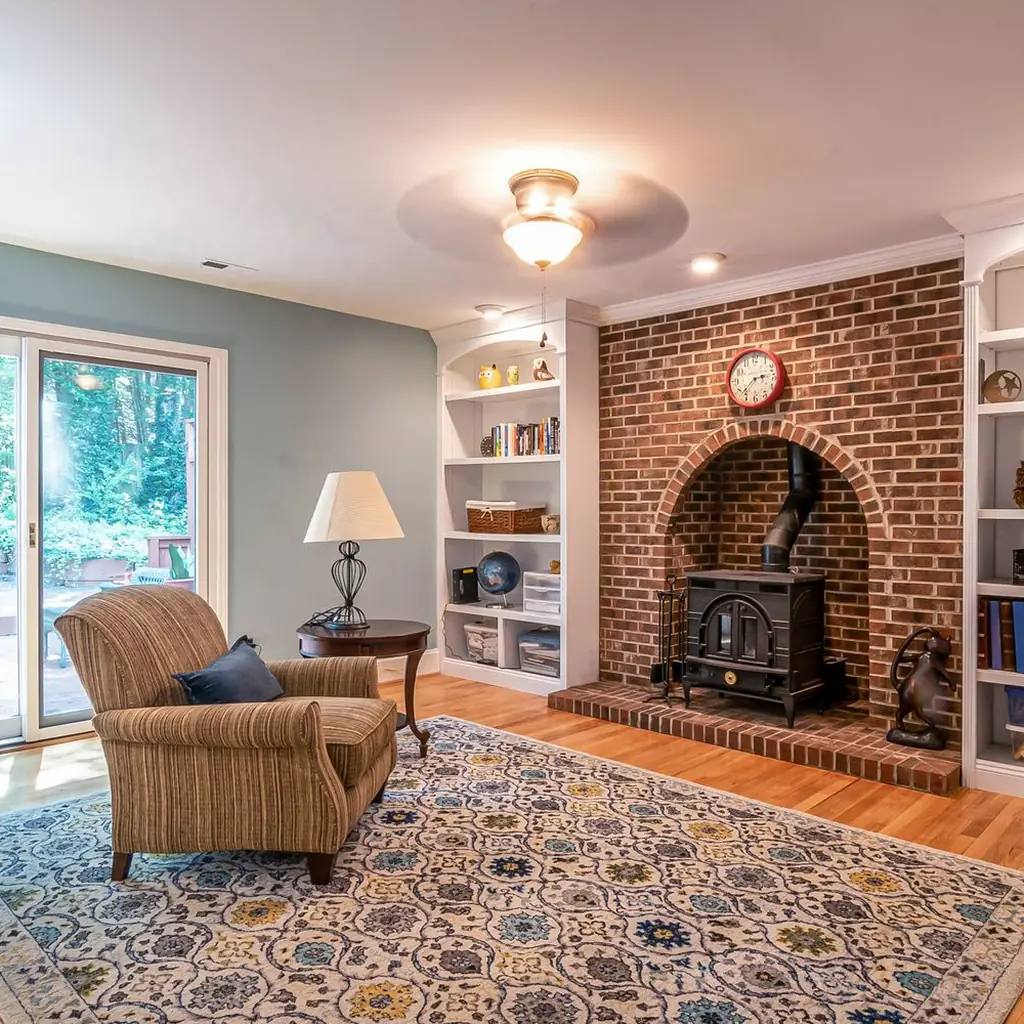
A deck off the living room can feel like an extension of the house. A raised track or a wide drop onto the deck can make you put down a tray before you step over it.
Look at the threshold from both sides. Try the latch and see whether the door moves easily. If the opening is awkward, ask about changes before buying furniture for the space.
13. Addresses That Look Close on a Map

A grocery store a mile away can still be hard to reach without a car. A busy road, a sidewalk that ends, or an indirect bus route can change the trip.
Try the actual route on a weekday, including the walk from the stop or parking lot to the front door. Make it one of the errands you try before your last workday if you’re moving as you retire.
14. A Quiet Tour That Misses the Weekday Noise
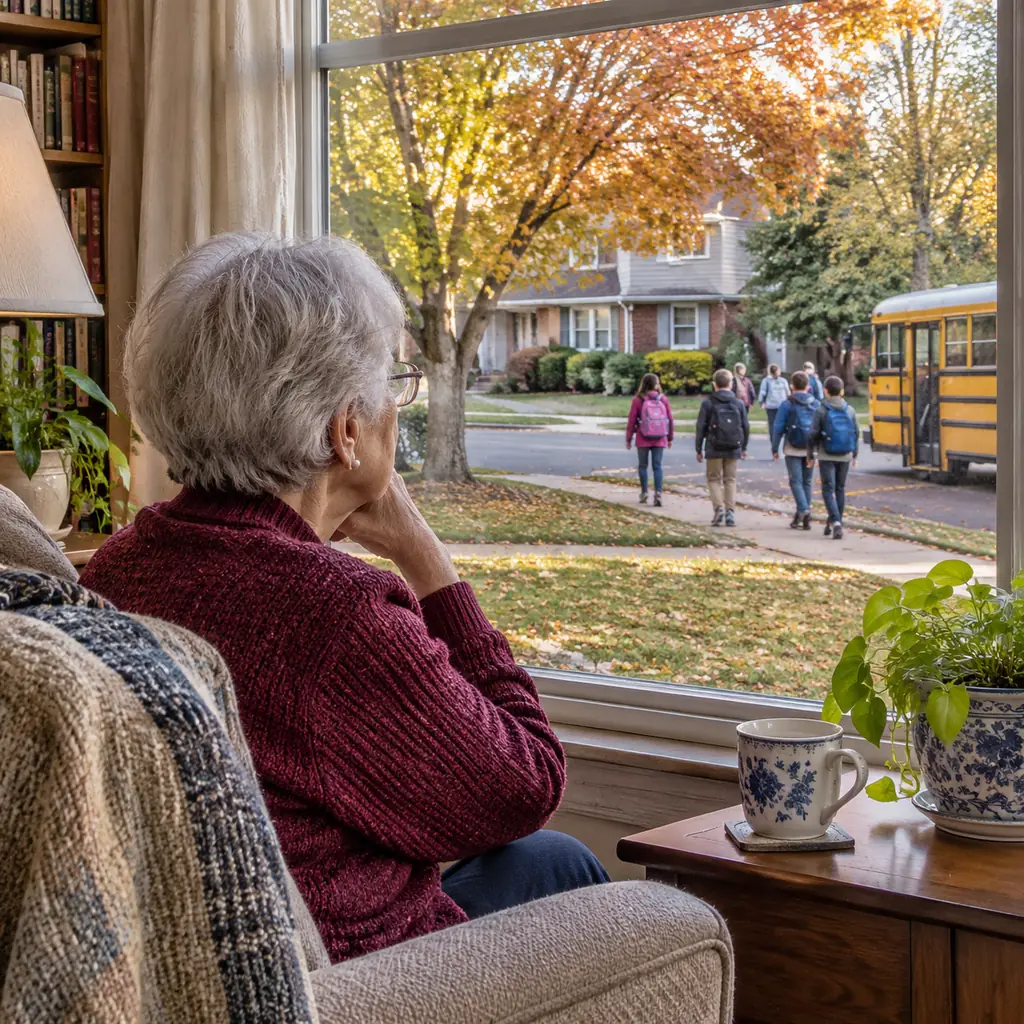
The room you admire on a Sunday may face a weekday school pickup route or an early delivery door. Stand at the window you expect to open most and look at what’s across the street.
Return at an ordinary hour when you can. Listen from the front walk and the back of the house. Think about which sound would reach the room where you plan to sleep or read.
15. Storage That Makes You Walk Through the Whole House
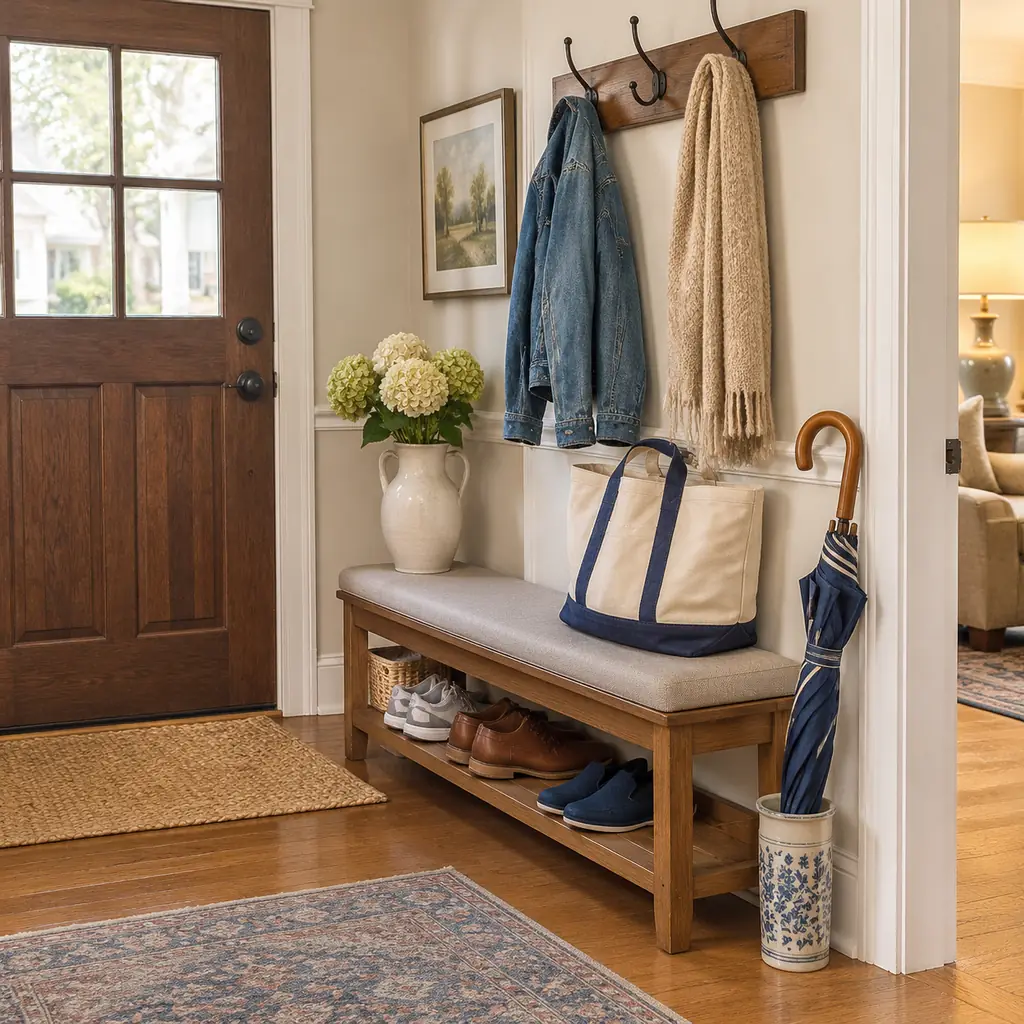
An impressive closet beside the spare room won’t stop bags and umbrellas from piling up by the door. Trace where you’ll put a coat, shoes, and groceries from the entrance you’ll actually use.
Look for an easy landing spot close to that door. It can take some work to make room for the things you want to carry from one home to the next, but the daily route is where you’ll feel the difference first.
Image credits
- The Laundry Room You Reach by Going Downstairs by NITIN CHAUHAN. Pexels License. Cropped to square and converted to WebP.
- A Kitchen With Plenty of Storage Up High by Anna Shvets. Pexels License. Cropped to square and converted to WebP.
- A Kitchen Island That Narrows the Path When a Door Is Open by Max Vakhtbovych. Pexels License. Cropped to square and converted to WebP.
- A Deck With a High Door Threshold by Curtis Adams. Pexels License. Cropped to square and converted to WebP.