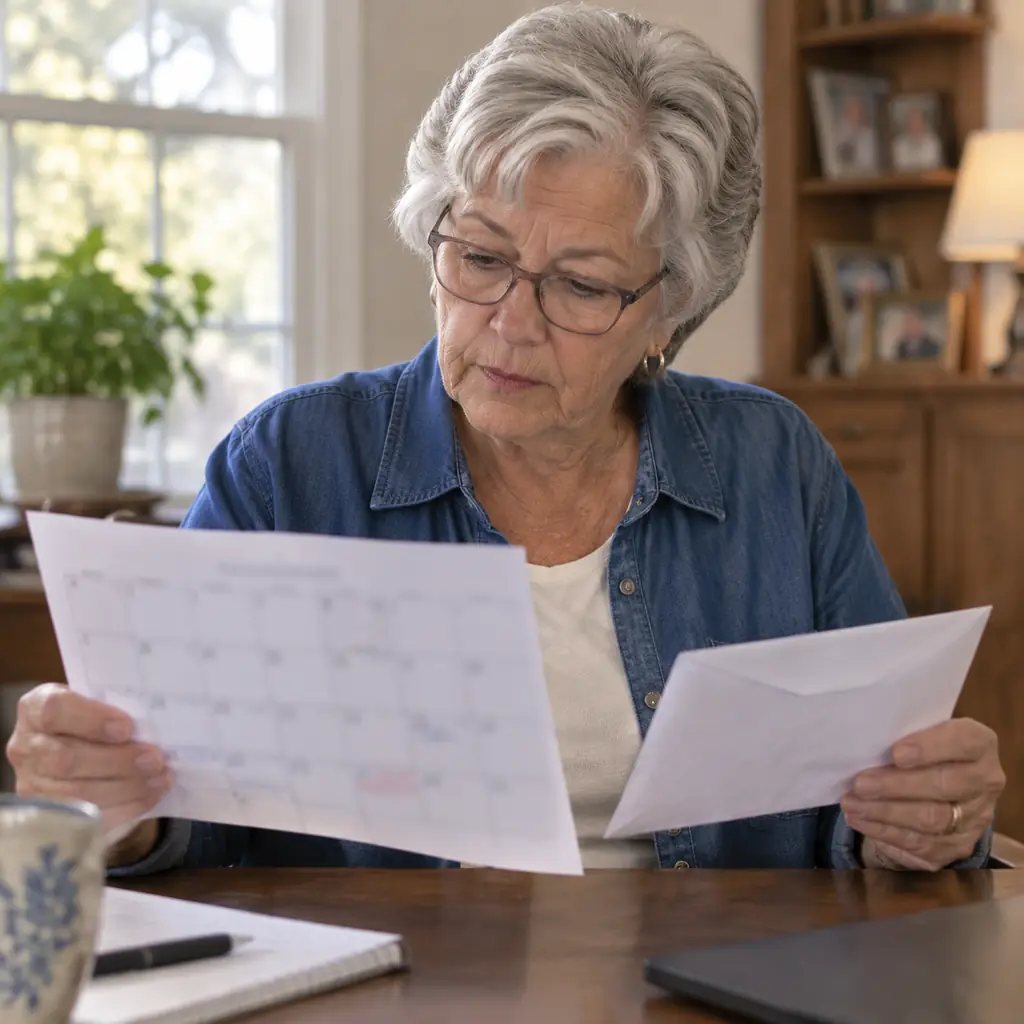
12 Things Retirees Miss After Moving Farther From Family
A longer drive can change small visits, shared errands, and the freedom to lend a hand.
Distance changes more than the route to Thanksgiving. Think about the little things your family does on a day when nobody has made plans.
1. The Visit That Lasts as Long as a Cup of Coffee
A visitor can stop for coffee on the way home from the hardware store and leave before the laundry finishes. When the trip takes half a day, that sort of visit has to compete with other plans.
Try booking one short call you can keep even when you’re busy. A conversation while your daughter folds towels can feel closer to the old visit than a formal catch-up once a month.
2. Seeing the Grandchildren Between the Big Events
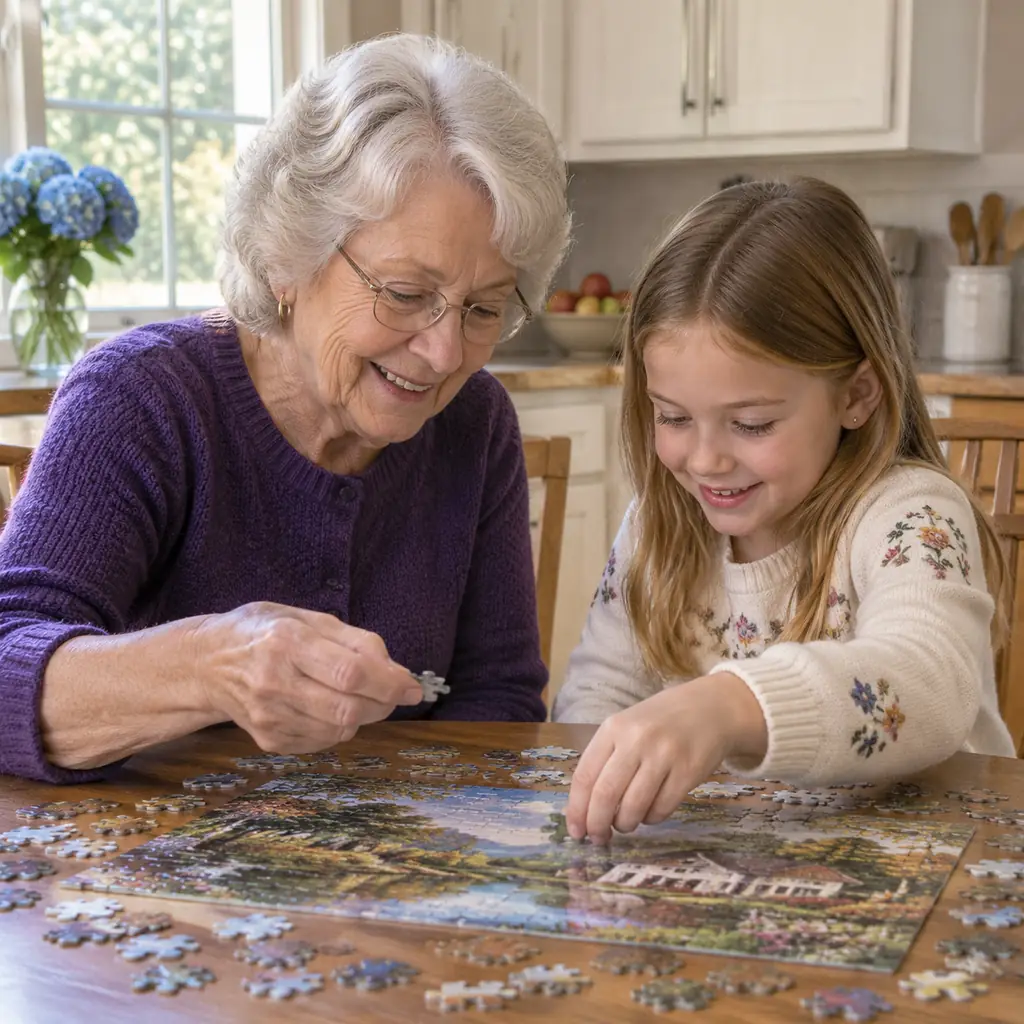
Pictures from school concerts show how much a child has grown. A dozen ordinary afternoons show you that the child still sorts puzzle pieces by color or tells the same joke on the walk home.
Without those afternoons, ask a child to show you something unfinished on a call. A model with one wheel missing gives you more to ask about next time than a photo of the finished project.
3. Knowing You Can Help With a Small Job

Someone who lives nearby can hold a shelf while you see whether it’s level. When every visit involves a drive, a small task has to wait or somebody has to do it alone.
Ask about the jobs you can handle when you’re in town. Picking up an order or sorting the screws for a shelf can make a visit feel more like a regular day together.
4. The Family Dinner That Can Happen on a Weeknight

When everyone lives close by, dinner can come together because you already made plenty of soup. Living farther away often means choosing a date first and planning the meal around it.
Put one dependable family meal on the calendar while it still feels easy to arrange. Keep the meal itself simple. The chance to sit at the same table may be what people were hoping for.
5. Having Someone Beside You for an Appointment

It can help to have a familiar person there on a day that starts early or involves a lot to remember. A relative who now needs to take the whole day off may have less room to step in.
If a family member can’t come, ask the office about having someone listen by phone. Before moving, try the actual route from a prospective home at the hour when you’d make that trip.
6. Passing On a Recipe While You Cook

A card can tell someone what goes in the bowl. Cooking together shows how the dough should look before you stop adding water.
Pick a dish you can make together on the next visit. Let the other person do the part that takes practice. Keep the recipe cards you’ve marked up over the years nearby so you can add the details you usually explain aloud.
7. Being Available When Plans Fall Through
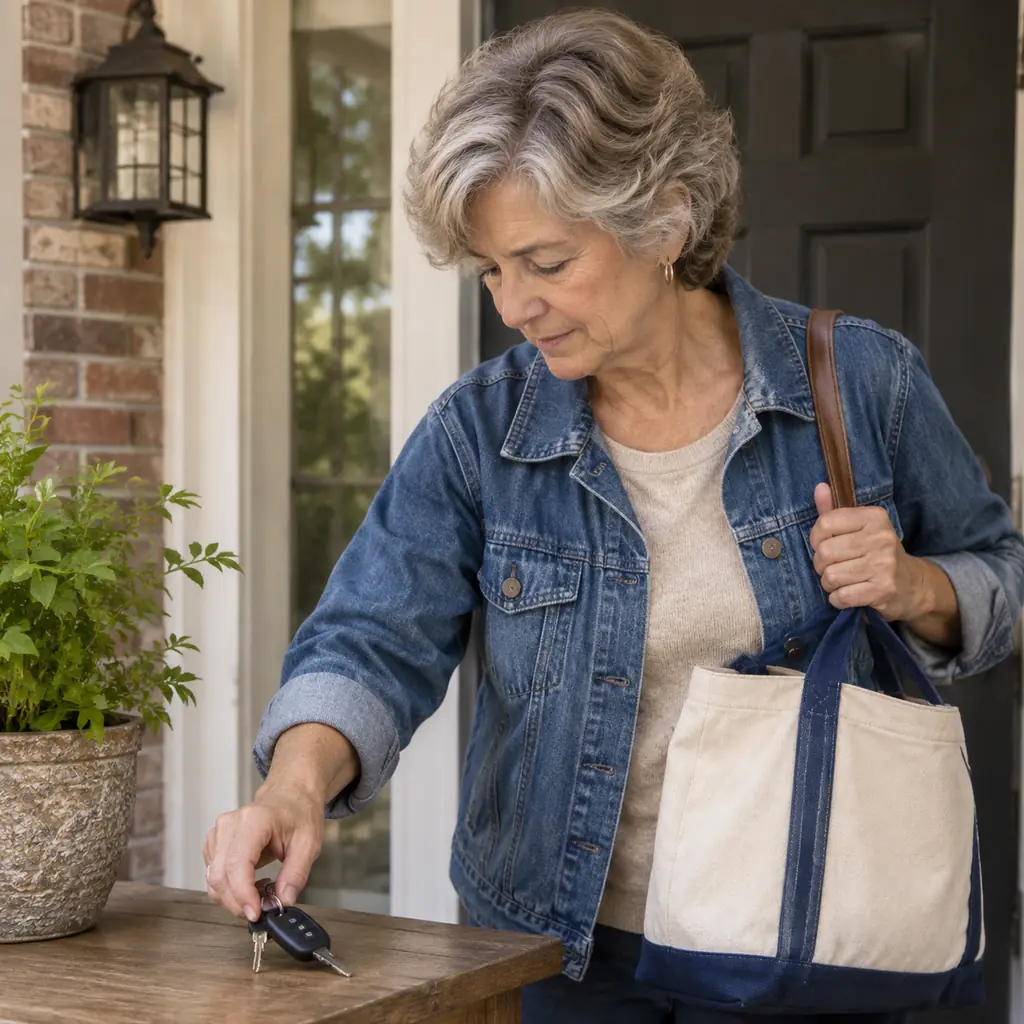
A school pickup or ride home from the shop may only take twenty minutes when you’re nearby. A long drive can make that help impractical even if you have the afternoon free.
Talk through the situations in which people used to call you. Ask who can help locally now. Offer to do the jobs you can handle from farther away, such as looking up opening hours while someone is waiting for a ride.
8. Hearing the Whole Story Before It Becomes a Group Message
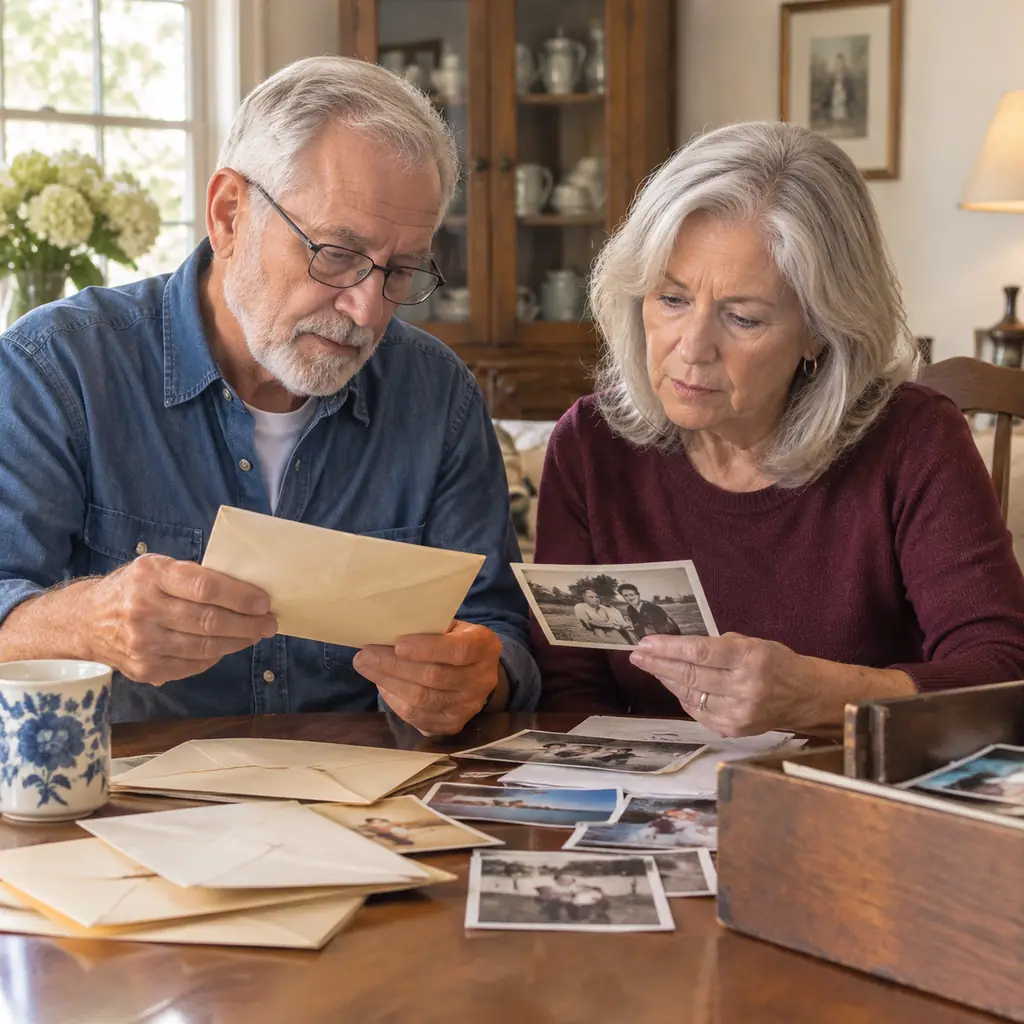
Over dinner you might hear why your brother has been taking a different road to work. In the family group chat, the news may arrive as a one-line update and a picture of traffic.
Keep one conversation that leaves time for the ordinary details. The questions you ask while sorting keepsakes and their stories can be a useful starting point if it’s been a while.
9. The Holiday That Feels Like a Day at Home

A long trip can make a holiday feel tightly scheduled. There may be a departure time, an overnight bag, and a choice between staying at the table or getting back before dark.
Consider making the trip a day early or sharing an ordinary weekend meal near the holiday. Before you buy a second home or other gear to make visits easier, figure out what kind of gathering your family will actually make time for.
10. The Spare Key and the Person Who Knows Where It Goes
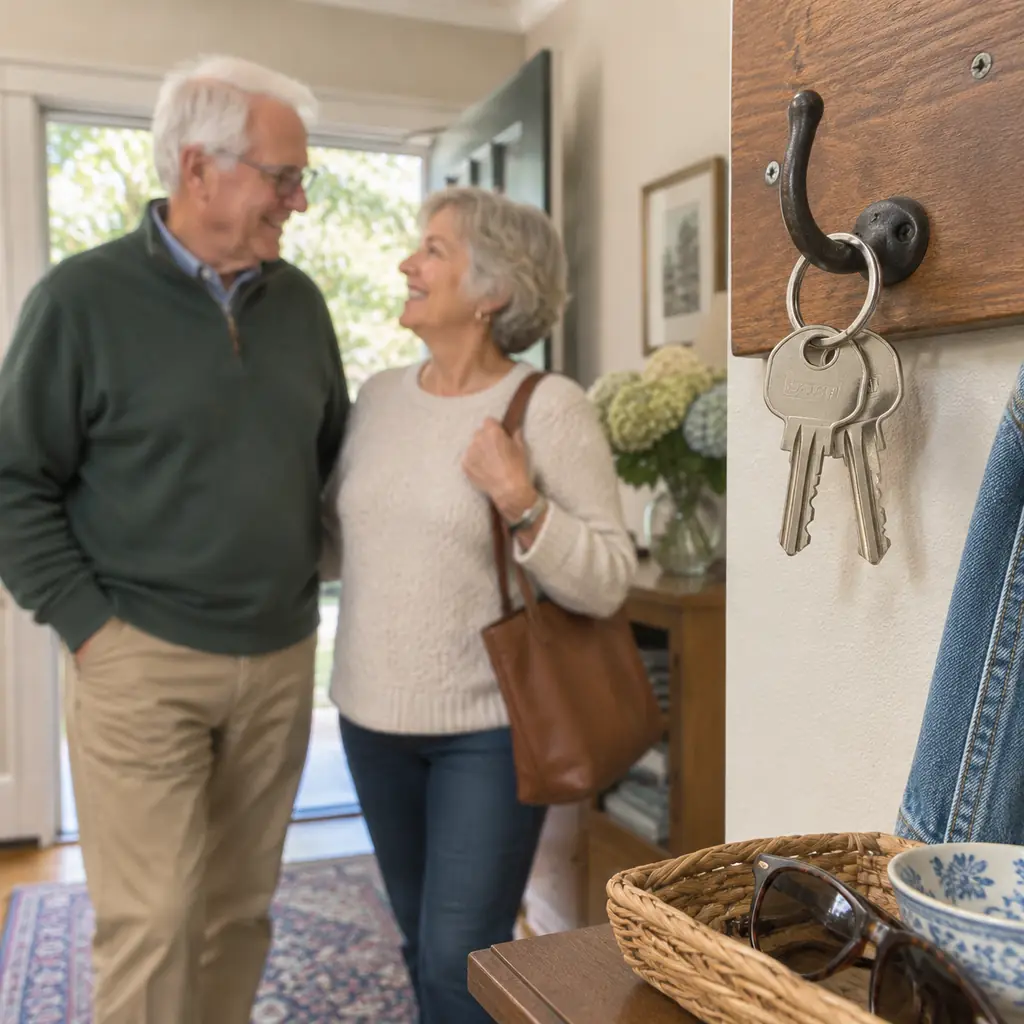
A relative one street over may know where to find the flashlight or which door sticks in wet weather. That knowledge makes it easier for someone to check on the house while you’re away.
Decide who will be your local contact and explain what help you might ask for. A spare key is only useful if you’ve worked out where things belong in the new home and agreed on when someone should use it.
11. Being the One Who Can Say Yes to a Last-Minute Invitation
A child’s ball game, a trip to a yard sale, or a walk after dinner can happen with one phone call when you’re close. Farther away, you may hear about it after you’ve already made your own plans.
Leave a little open time on visits. An afternoon with no reservation lets someone suggest a walk or show you what they’ve been working on.
12. Agreeing Where to Meet Without Talking About the Drive

After a move, everyone may assume one household will always make the long drive. That can make a fun visit feel like an obligation when fuel, timing, and overnight plans start adding up.
Find one place partway between you that can support an easy lunch or a walk. If the move follows retirement, add a date to the plans you make before your last day at work.
Image credits
- Knowing You Can Help With a Small Job by Kindel Media. Pexels License. Cropped to square and converted to WebP.
- Passing On a Recipe While You Cook by Angela Roma. Pexels License. Cropped to square and converted to WebP.
- The Holiday That Feels Like a Day at Home by Airam Dato-on. Pexels License. Cropped to square and converted to WebP.