
12 Ways Retired Couples Make Room for Each Other at Home
Make a shared home more comfortable in retirement with practical ways to share rooms, chores, time, and quiet.
Retirement can put two people in the kitchen at eleven on a Tuesday, both certain the other is in the way. Small agreements about space and time can make being home together feel easier.
1. Give each person a spot that stays theirs
A chair, a desk corner, or one end of the table can serve as your spot. Keep the book, lamp, or basket you use most within reach. Ask each other before moving things from that area.
A spot of your own is especially useful in a small place. Give both people a place to sit and work or relax without clearing someone else's things first.
2. Trade the kitchen at the times that matter

Notice when you get in each other's way. One person may like a slow breakfast while the other wants the counter clear for cooking. Shift the second task by half an hour or make separate spots for making coffee and preparing food.
Solve the pinch point you both notice. You can still cook together when you want to, with room for the days when you prefer a quiet start.
3. Put solo time on the calendar

Pick a regular time when each person gets the house to themselves, even if it is only an hour. One partner can go to the library or the hardware store. The other can take a walk on a different day.
Say when you expect to be home, especially if plans change. A week with a few regular outings makes this easier to arrange without asking for permission each time.
4. Make the day’s chore easy to see

Agree on who will handle the small recurring jobs, such as emptying the dishwasher or setting out the trash. Give the job an owner and a time that fits that person. A chore that belongs to everyone can leave both people waiting for the other.
Trade jobs if one feels awkward. Someone who likes to walk after dinner might be happy to take the trash out on the way.
5. Agree on which things can stay out overnight
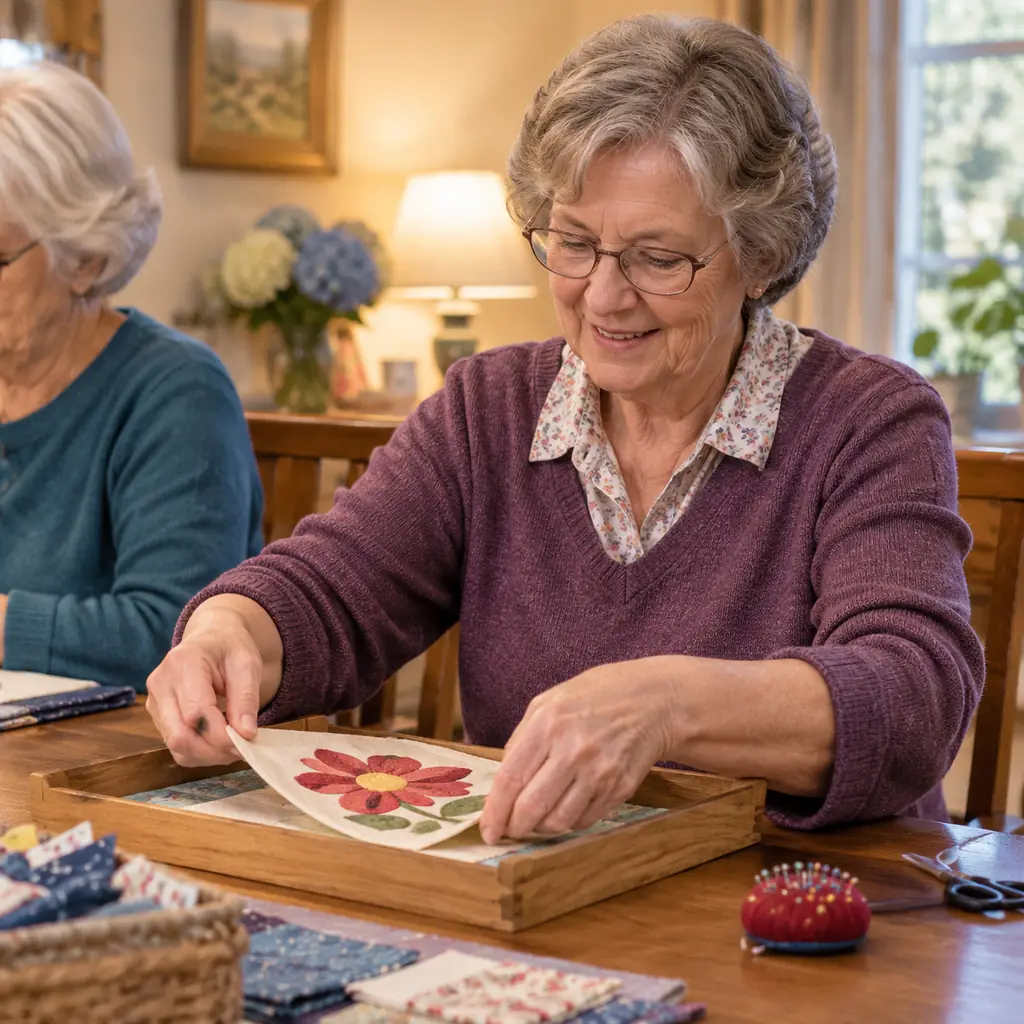
A jigsaw puzzle or a half-finished repair may need a place to stay. Pick one surface or tray that can hold the work overnight. Keep the seats and surfaces you both need for meals clear.
A board or shallow box makes a small-space hobby easier to move, and lets the person doing it see exactly where they left off when they come back.
6. Keep a quiet hour that both people understand

If one person naps while the other listens to the radio or practices music, name the hour that needs to be quiet. Put headphones next to the seat where you usually listen. Save noisy jobs for later when there is room to move them.
Leave an exception for the doorbell, a call you have to take, or a neighbor who needs help. An ordinary quiet hour can survive an occasional interruption.
7. Do the awkward work of comparing ideal mornings

Ask each other what an easy morning looks like. You may find one person wants company at breakfast and the other wants an hour of silence after getting up. Agree on a time to meet rather than assuming you both want to start the day together.
The same conversation helps when one partner retires first. Make space for the workday that still exists and the different pace the retired partner wants.
8. Separate the places where you keep everyday supplies
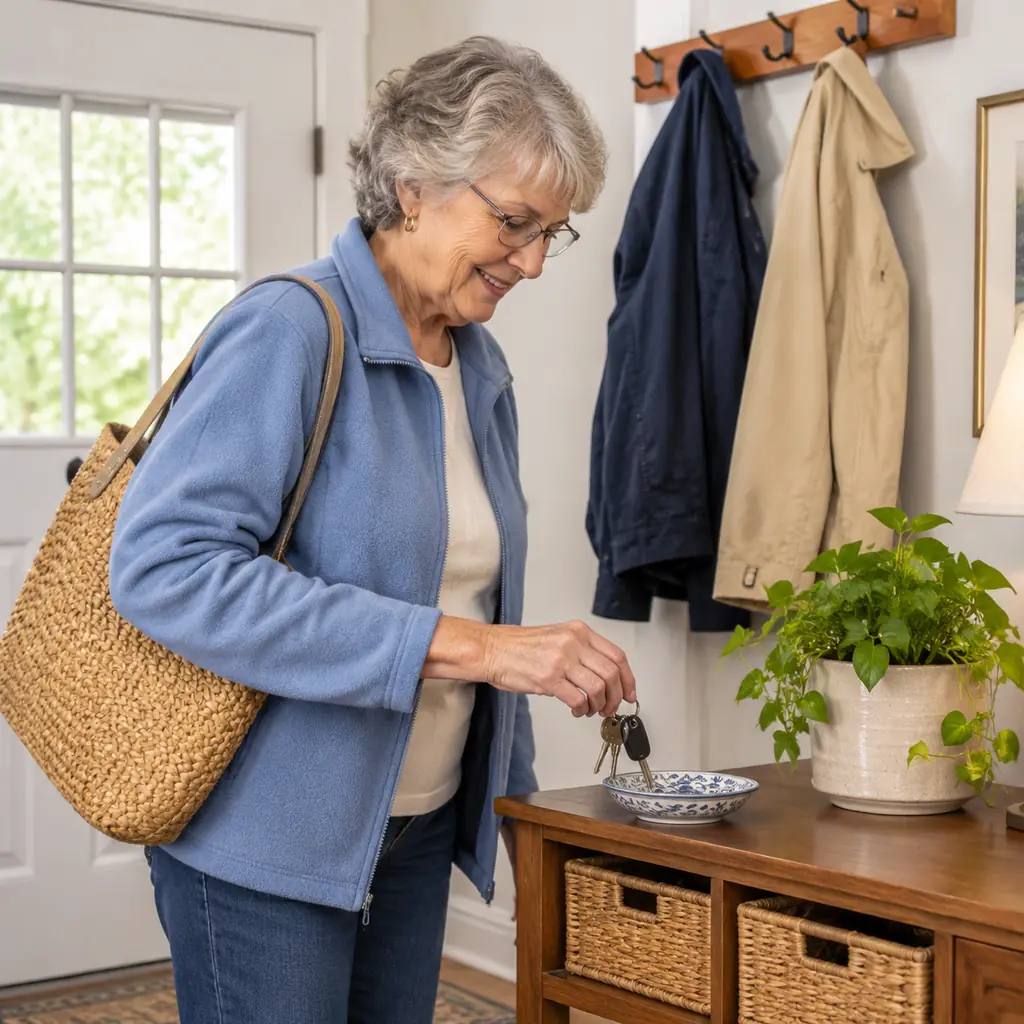
Give each person a hook, a basket, or a shelf for keys, glasses, and bags. Keep a shared spot for things both people use, such as a flashlight. Set the storage where you reach for the items.
Keeping quiet order on a shelf also reduces one source of everyday interruptions. The rest of the house may benefit from a few small changes that put daily items within reach.
9. Leave room for separate friends

It helps to have people you see on your own. Tell your partner when you have a regular commitment and leave room for them to do the same. Make invitations to join optional, especially early on.
A place where the same people come back each week can turn this into a stable part of the week instead of another plan you have to arrange from scratch.
10. Ask before borrowing a project or rearranging a room

One person may see a stack of paper as clutter. The other may be keeping the pages in an order they understand. Ask before tidying a project, moving a chair someone uses every morning, or lending out a tool.
Offer a time to sort the area together. That keeps both people involved when changing the room. When you find family keepsakes with a story, talk about what they mean before deciding where to keep them.
11. Plan a few things you want to do together

Pick something both people are glad to do, such as a slow Sunday breakfast or an evening walk. Make clear whether you want it to happen most weeks or only when it fits. Keep the commitment small enough that it still feels chosen.
A shared plan gives the week a place to come back together. If your dining area is usually cluttered, try a few small-space ideas for a room you both use.
12. Change one agreement when it stops working

Try a new routine for a week or two. Then say which part helped and name one annoyance that remains. Move a chore, swap a day, or buy a second set of the tool you keep looking for.
Revisit the agreement after a trip, an illness, or a change in work hours. A routine that fits a quiet month may need to shift when the house gets busy again.
Image credits
- An older man at the doorway in a light coat by cottonbro studio. Pexels License. Cropped to square and converted to WebP.
- An older couple relaxing on a sofa with headphones by Yan Krukau. Pexels License. Cropped to square and converted to WebP.
- Two friends taking a walk together by Gülsüm Şener. Pexels License. Cropped to square and converted to WebP.