13 Small Home Changes That Make Daily Life Easier After 65
Make everyday tasks at home easier with practical changes to lighting, storage, seating, doors, and the…
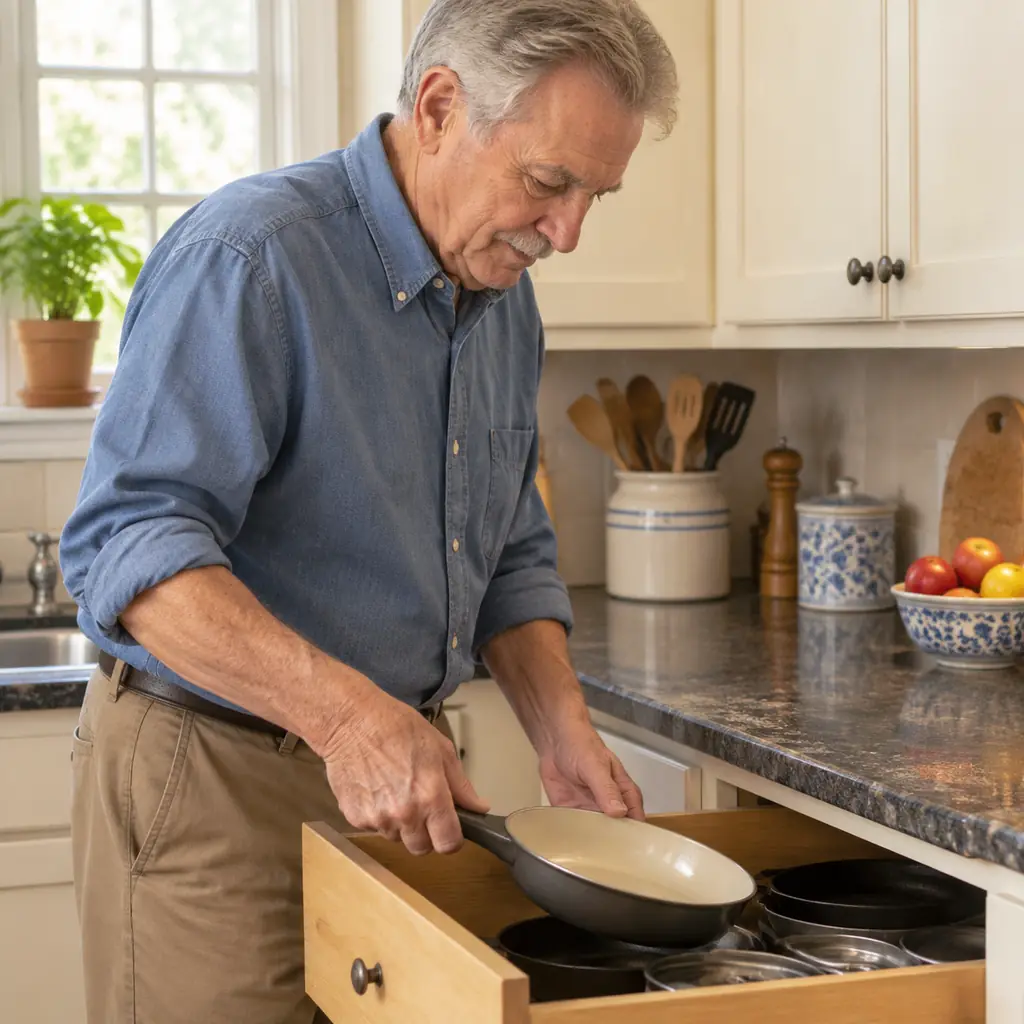
The first change worth making at home may be the one that saves you from reaching for the same heavy pan every morning. Start with the places you use most and notice where a small adjustment would make the day easier.
1. Keep the pans you reach for near waist height
Take the two or three pans you use most out of the cupboard above the stove. Give them a spot you can reach without stretching or bending far. Put heavy mixing bowls and small appliances in similarly easy places.
Move occasional items to the less handy shelves. If the cabinets stay crowded, look at how small-space layouts make use of vertical storage. A setup that feels less tidy on paper may be more useful when you are making breakfast every day.
2. Put a light on the nighttime route
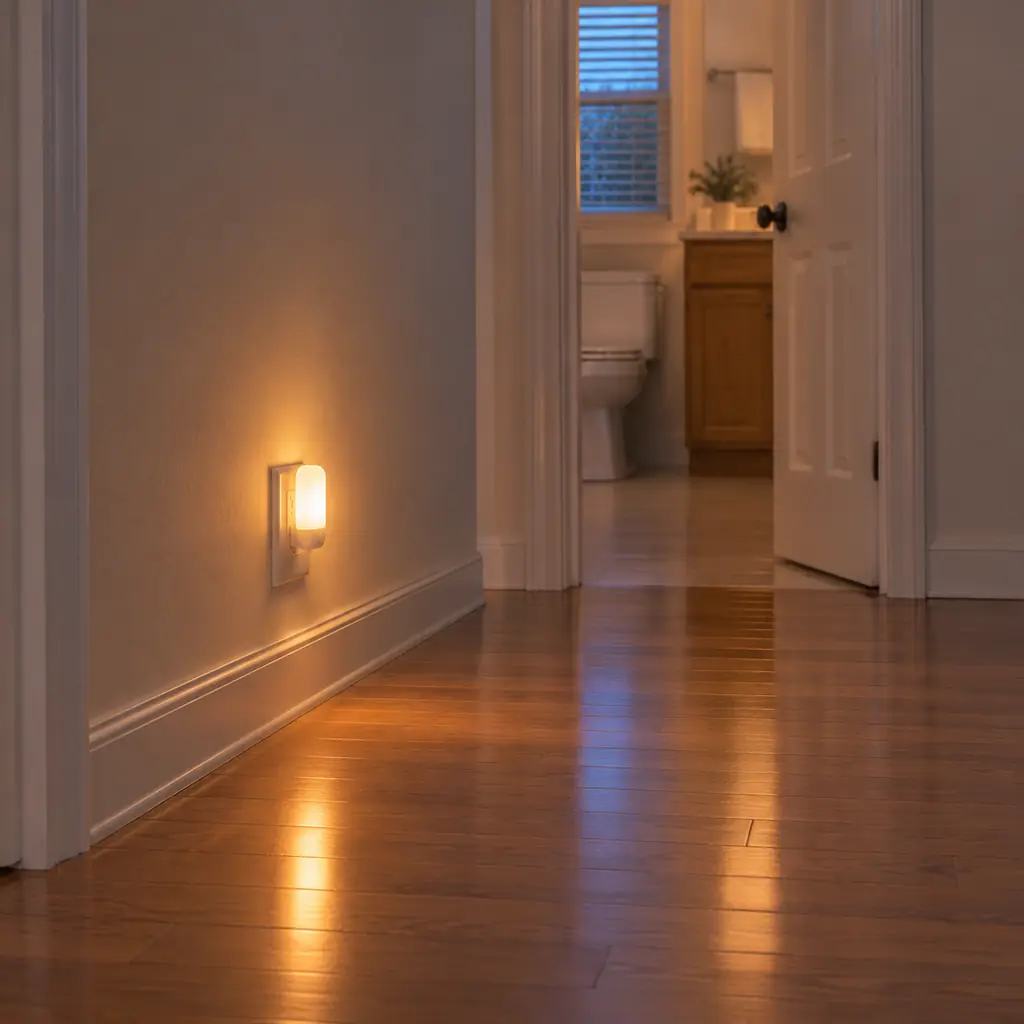
Notice where the floor goes dark between your bed and the bathroom. An automatic nightlight can fill one of those gaps. Arrange the light so it shows the path without shining straight into your eyes from the bed.
Keep a lamp or switch easy to reach before you stand up. For stairs, ask an electrician about switches you can reach at either end. CDC's home safety checklist
3. Clear the route you take most often
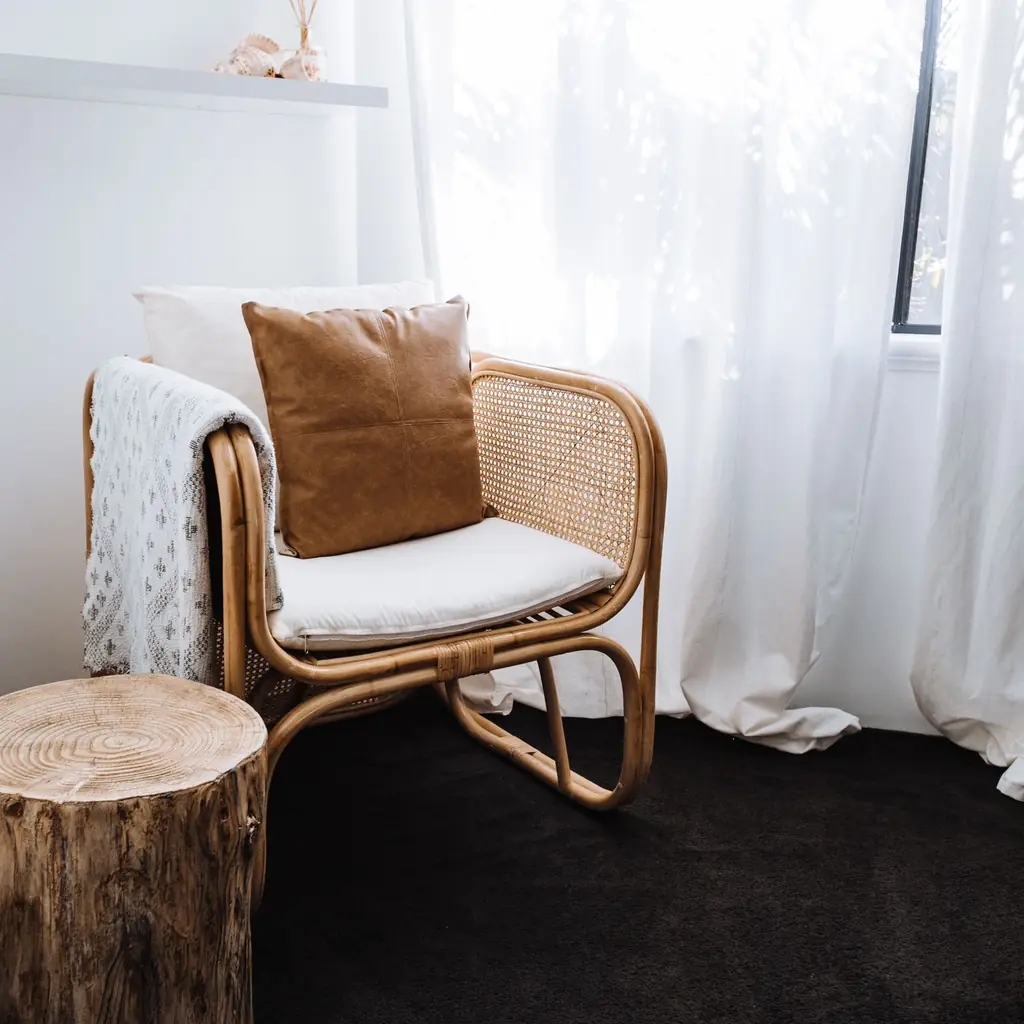
Walk from the kitchen to your usual chair and notice what you step around. A low coffee table, basket, or lamp cord can make the same short route awkward each time. Try moving the object to a place that leaves the main route clear.
Ask someone to help move heavy furniture. Keep cords secured beside the wall and out of the doorway. National Institute on Aging room-by-room guidance
4. Take the loose rug out of the doorway
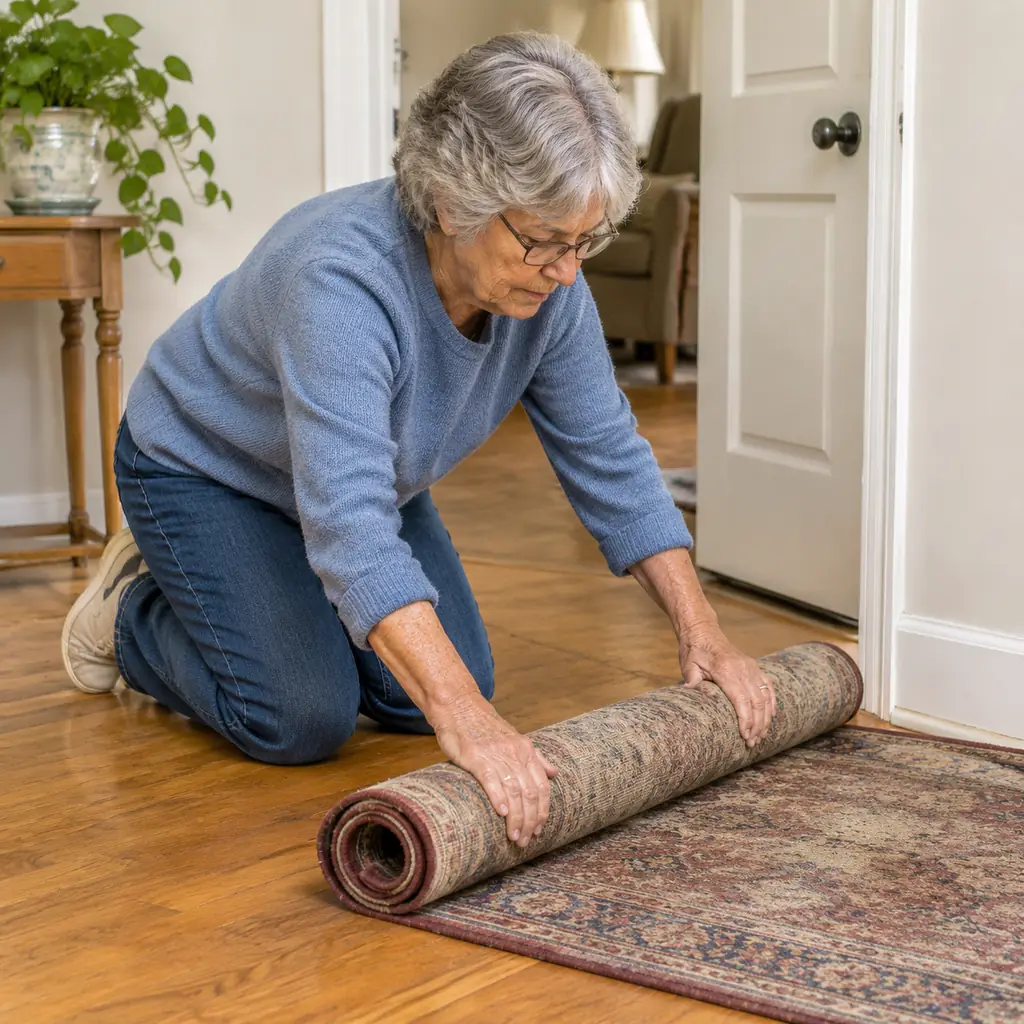
Start with the rug you have to straighten often or the one that curls when someone opens the door. If the bare floor works, take the rug up. If you keep a rug, use a suitable nonslip backing and check that the edges lie flat.
Look again after it has been vacuumed or washed. A rug can move once people start using the room again. CDC's home safety checklist
5. Give yourself a seat by the door

Put a firm chair or a bench near the place where you take your shoes off. Choose a seat you can get up from comfortably. Set it where you can sit without blocking the door or leaving your shoes across the main walkway.
Put a small dish near the seat for keys. That makes leaving easier on mornings when you have a regular outing on the calendar.
6. Keep soap and shampoo within a comfortable reach
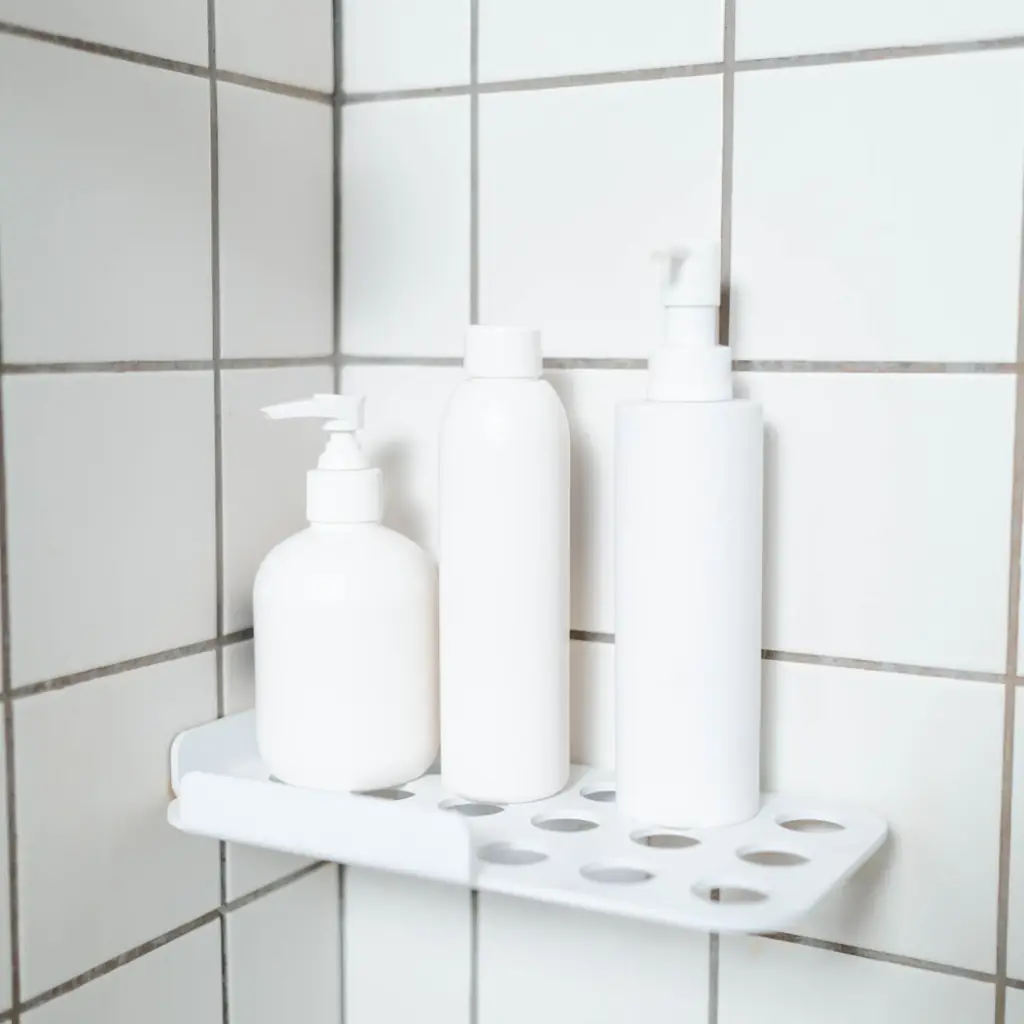
Move the things you use first to an accessible shelf. Make sure you can reach the soap without twisting around or bending over to fish for a bottle. Keep replacements elsewhere so the shelf stays clear.
If getting into the shower feels unsteady, ask a qualified installer about properly fitted grab bars where you need support. A towel rail has a different job. National Institute on Aging room-by-room guidance
7. Make one chair easier to get out of

Notice which chair you choose when you need to sit down for just a minute. It may have a firmer cushion, a seat at a better height, or arms you can comfortably use. Move that chair to the spot where you most often sit.
In a shared living room, a comfortable chair also makes it easier for each person to have their own regular spot.
8. Bring light closer to the work
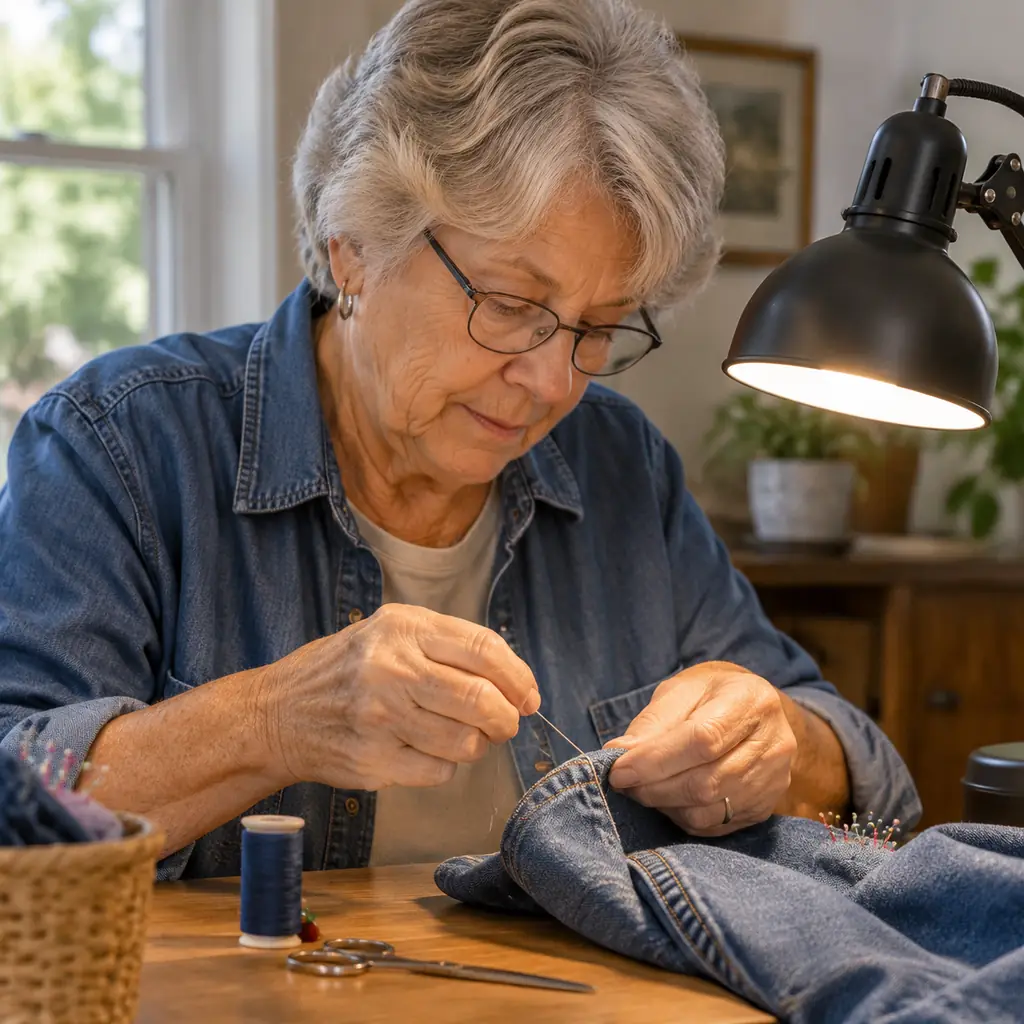
Add a lamp where you read instructions, sew on buttons, or work through mail. Position the lamp so the light falls on the work and your head or hands do not cast a shadow across it. A shaded lamp can reduce glare from a bare bulb.
For a hobby that lives on one table, keep the lamp within reach and route its cord along the wall.
9. Give frequently used doors an easier handle
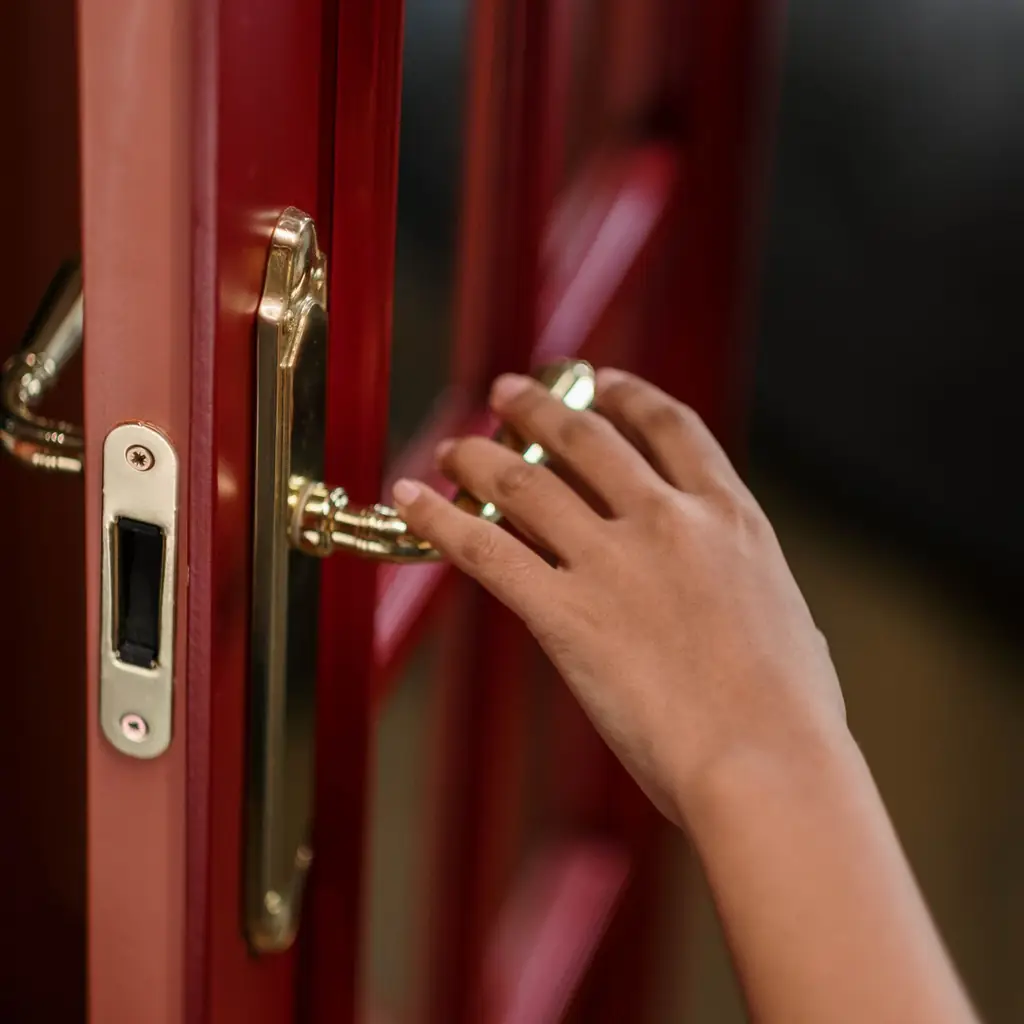
Start with the knob you find hardest to turn while carrying something. A compatible lever handle gives you a different way to open the door. Check measurements and the type of door before buying any hardware.
If you rent, ask before swapping a handle. A door that sticks may need adjustment first, especially if the difficulty changes as the weather changes.
10. Give the stairs a dependable handhold

If a handrail wobbles or ends before the last step, make that a repair priority. Ask a qualified installer to check where a rail can be secured and whether another rail would help. Keep both ends of the staircase clear while you arrange the work.
Store the things that need to go up or down in a nearby room. A stair can disappear under a small stack when you are carrying laundry. CDC's home safety checklist
11. Give glasses, keys, and the phone a place you can see
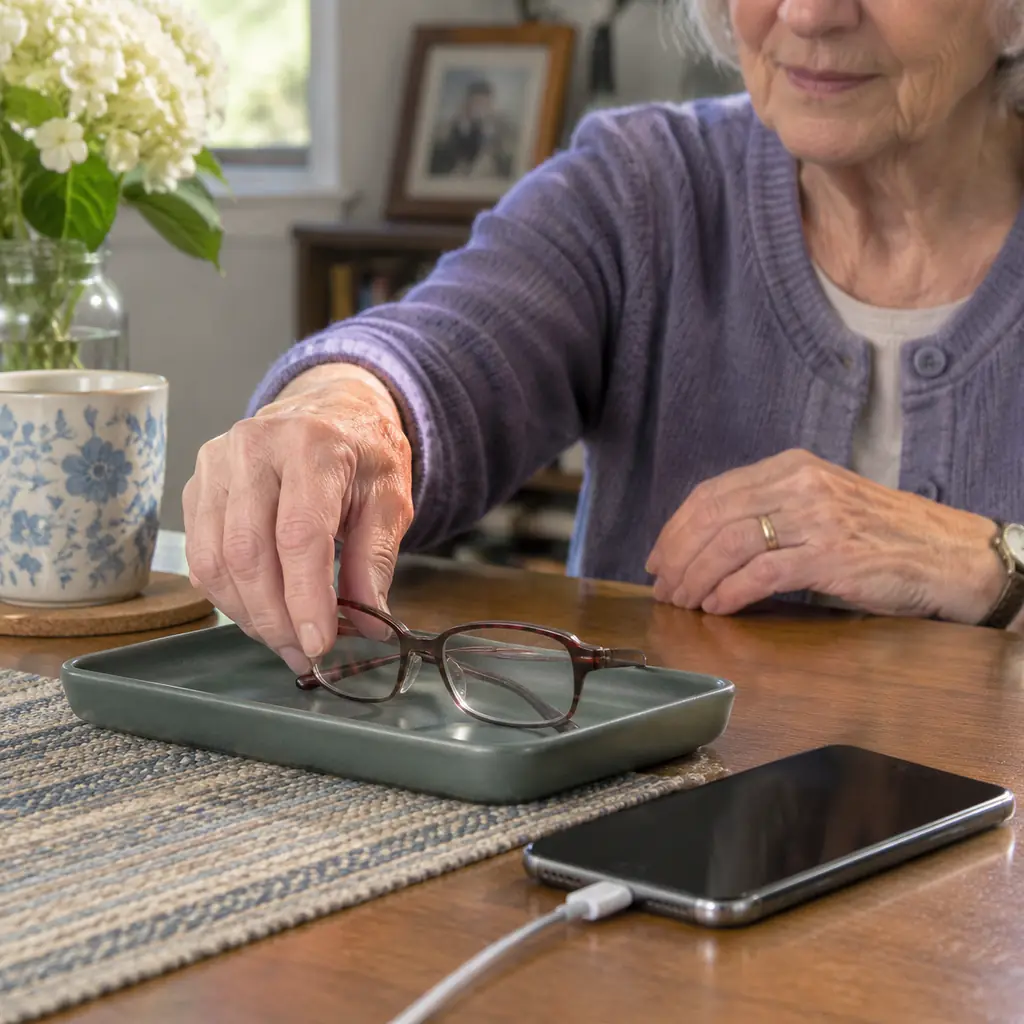
A shallow dish or a tray works better for daily items than a deep drawer. Use a color that makes the objects easy to see. Put the tray where you naturally set things down when you come into the room.
Leave the phone charger where you usually sit. You can answer a call there or pick up the phone on the way out to meet a group you see regularly.
12. Bring soap and clean towels to the same height

Keep laundry detergent, paper towels, and spare hand towels where you can reach them easily. Store only a small supply near the task and refill it when convenient. You can keep the bulk package elsewhere. When a new organizer is on your shopping list, consider its upkeep in daily use.
Set a hamper where it can be loaded without bending far. If it lives on a shelf, make sure it remains stable when you slide it forward. Move anything heavy from an overhead shelf with help.
13. Make the controls you use every day easy to tell apart

Pick the two buttons you use most on a remote, a lamp, or a frequently used appliance. A small removable raised marker can help you find the right button without looking for your glasses.
Keep the manufacturer's safety symbols and indicator lights visible. Once you know which controls cause the trouble, you can decide whether a simpler layout would be worth looking for the next time the device needs replacing.
Image credits
- An armchair with clear floor space around it by Rachel Claire. Pexels License. Cropped to square and converted to WebP.
- Shower supplies on an accessible shelf by Ron Lach. Pexels License. Cropped to square and converted to WebP.
- A hand touching a lever-style door handle by cottonbro studio. Pexels License. Cropped to square and converted to WebP.