14 Small Plans That Give Your Retirement Week Some Shape
Give the days a little structure with small plans that leave room for rest, friendships, and the things you…
An open calendar feels like a gift until you find yourself wondering where Tuesday went. Give the week a few things to look forward to and leave space around them.
1. Pick one reason to get out on Monday
Put one easy outing on Monday morning. The library, a market stall, or a coffee shop within a short drive all work. Pick a place you already like so the outing feels worthwhile even on a slow morning.
Give it an approximate time. A 10 a.m. coffee gives you something to get dressed for without making you watch the clock over breakfast.
2. Try the same walk at the same hour

Choose a short route with a turning point you can see, such as a park gate or the end of a row of houses. Leave at roughly the same time twice a week. After a few outings, you may recognize faces and have a reason to say hello.
Keep a shorter route in reserve for days when your energy or the weather changes.
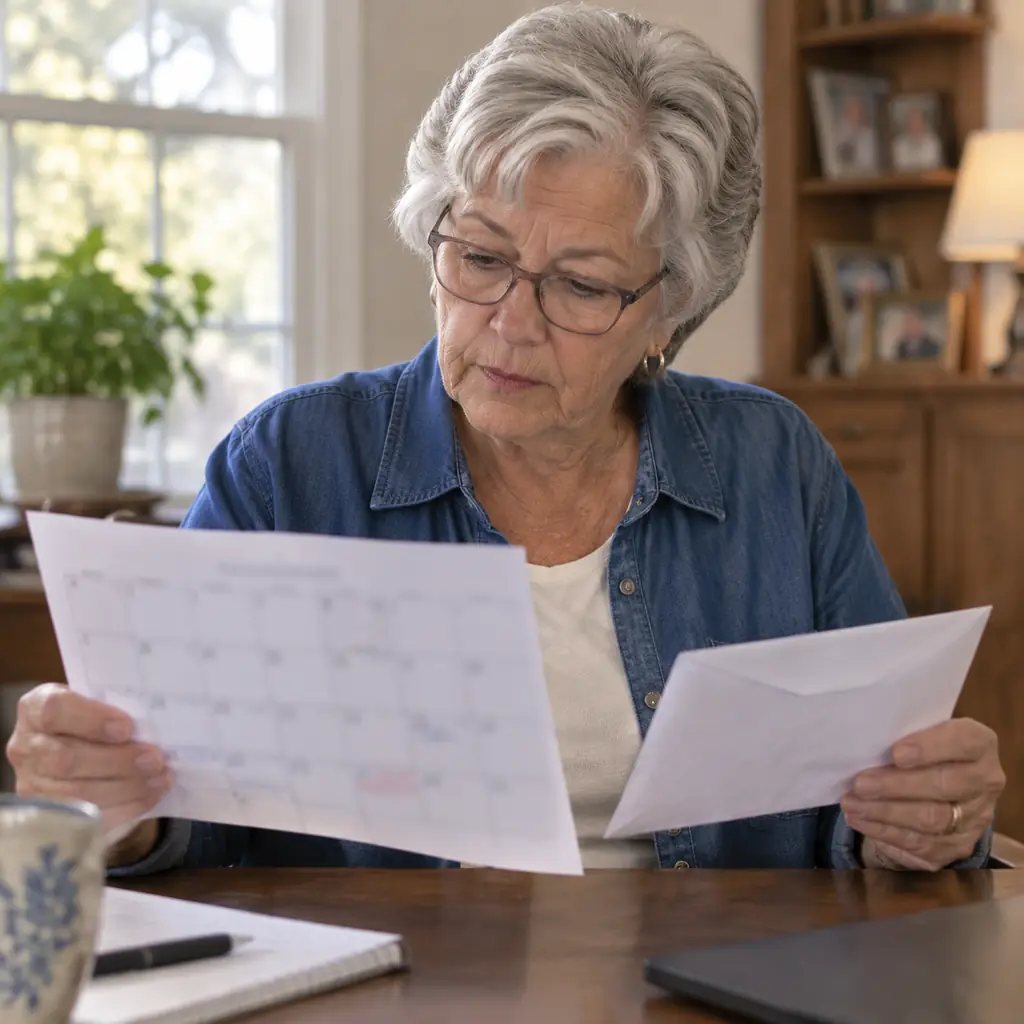
3. Give paperwork a place on the calendar

Put a tray near the door for the mail you need to deal with. Pick half an hour once a week to work through the tray and make any calls. A recurring window makes it easier to set the paperwork down when you come home.
If a call will take longer, make it the first thing in the next window. Keep urgent deadlines visible on the calendar.
4. Turn one ordinary breakfast into a standing date

Ask someone you enjoy seeing to try breakfast on a regular day. A familiar diner or a kitchen table is enough. Agree on how often and make it easy for either person to skip a week.
Once the next date goes on both calendars, each meeting can end without another round of scheduling. That small detail helps a new routine survive a busy month.
5. Leave Tuesday afternoon open on purpose

An hour with no plan can feel different when you chose it in advance. Protect one stretch of the week for the library book you brought home, a nap, or a seat outside. Pick the afternoon when you usually feel least like rushing.
Put a loose label on the slot if other people see your calendar. That makes it easier to keep a free afternoon free.
6. Set a modest finish line on a project
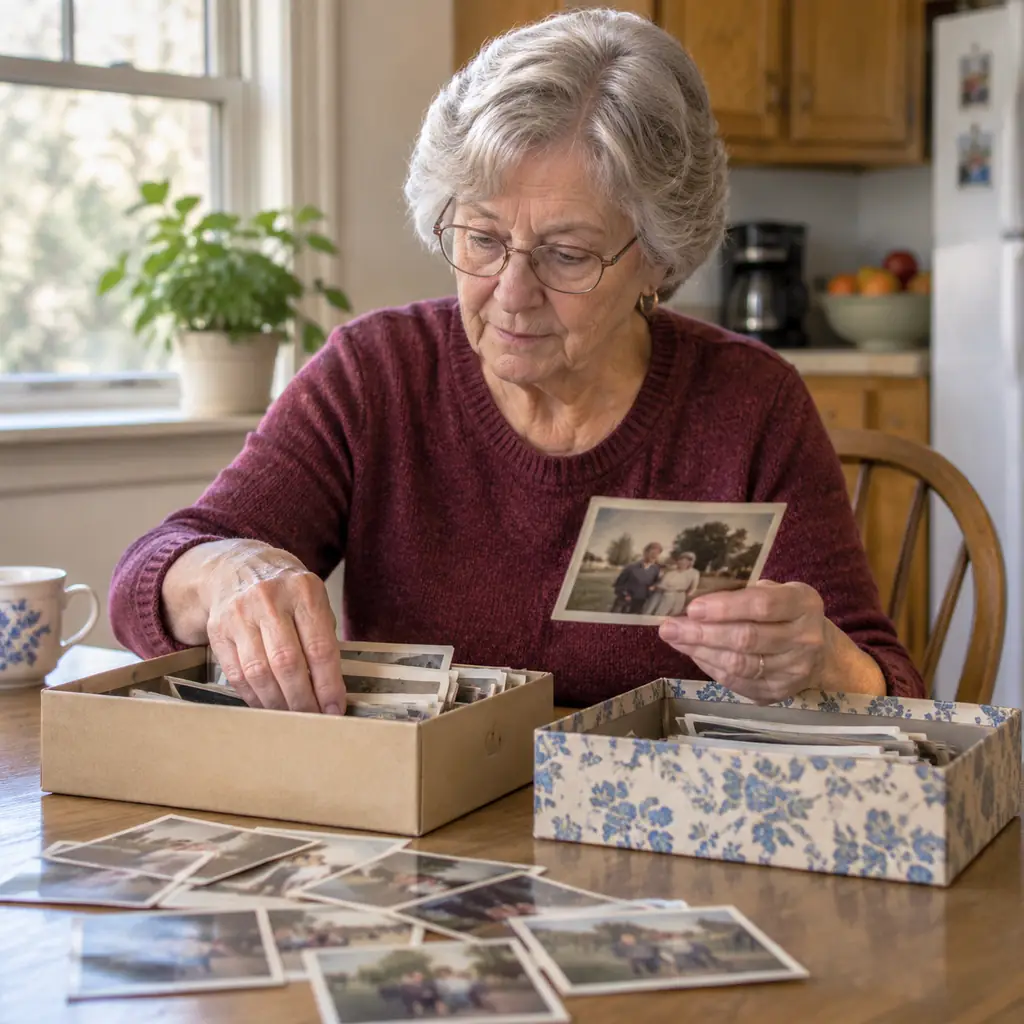
Choose a job that has been waiting for a rainy day. Set the finish line at one drawer, one stack of photos, or one page of a family recipe book. Stop when you reach it, even if the rest of the project is still sitting there.
Keep the materials in one tray. A small finish line also works well for a hobby you can put away at the end of a session.
7. Volunteer for a shift with an end time

If you want a regular reason to go somewhere, look for a volunteer job with a steady shift and clear duties. A food pantry might need help packing bags. A library group might need someone to set up chairs.
Start with one shift a week and see how the rest of the day feels. A recurring role can also be a way to see the same people often enough to get to know them.
8. Pair shopping with something you enjoy

Add a pleasant stop to an errand you already do. Walk through the park after grocery shopping or sit down for tea near the pharmacy. Keep the extra stop close to your route so you can still do the errand when time is tight.
The point is to give an ordinary task a part worth looking forward to. A 15-minute stop can do that.
9. Give family calls a usual time

Ask a relative whether there is a good time for a short call most weeks. A child might be free after dinner, or a sibling might be free on Sunday morning. Leave room to move the call when something comes up.
You can keep a photo or a small story to share. That gives you somewhere to start if the week was quiet, especially if you now live farther from family.
10. Choose one outing you can do alone

Keep a dependable solo outing in the week. Go to a weekday matinee, browse the library, or sit in a park with coffee. Solo plans are useful when friends cancel or a partner has a different idea of a good afternoon.
If you live together, a regular separate outing can also give each person some time at home alone. Make it easy for either person to change the plan with notice.
11. Learn one thing for twenty minutes

Set a short learning appointment for a skill you want to try. Play the first part of a song, study one feature on your camera, or practice three words in a new language. A short timer gets you started without taking over the afternoon.
Leave yourself an easy next step. If you know where to begin next week, the gap between sessions matters less.
12. Make Saturday feel different

When work no longer marks the weekend, pick something that belongs to Saturday. Buy peaches at a market in summer, cook pancakes in winter, or take a longer walk with someone who works during the week.
The ritual can change with the season. Keep the day and the pleasure of recognizing it as a Saturday. Leave the rest of the day flexible.
13. Spend ten minutes making Sunday night easier

Take a look at the next two mornings. Put the library books by the door, lay out walking shoes, or charge the phone before bed. Only prepare what the next plans actually need.
A good place to keep the things you take out of the house makes the routine easier. The benefit is a Monday that starts with less searching.
14. Keep the plans that give something back

After a couple of weeks, look at what you did. Notice which outing you were glad to leave for and which appointment you kept finding reasons to skip. Change the timing or drop a plan that no longer suits you.
A workable week can be as simple as a Tuesday walk and a Thursday lunch. Add more when you find yourself wanting more. Add the practical arrangements retirees wish they had set up sooner as they come up.
Image credits
- Taking care of a letter at a table by Angela Roma. Pexels License. Cropped to square and converted to WebP.
- Volunteers portioning food for donation by Julia M Cameron. Pexels License. Cropped to square and converted to WebP.
- A quiet visit to the library by May Sevilla. Pexels License. Cropped to square and converted to WebP.