11 Japanese Small-Space Ideas That Work in a Smaller Retirement Home
Borrow practical ideas from Japanese interiors to make a smaller retirement home easier to move through, put…
A smaller home feels crowded when every piece of furniture has just one job. Japanese interiors offer ways to make the same rooms work from breakfast through bedtime.
11. Give the entryway a clear job
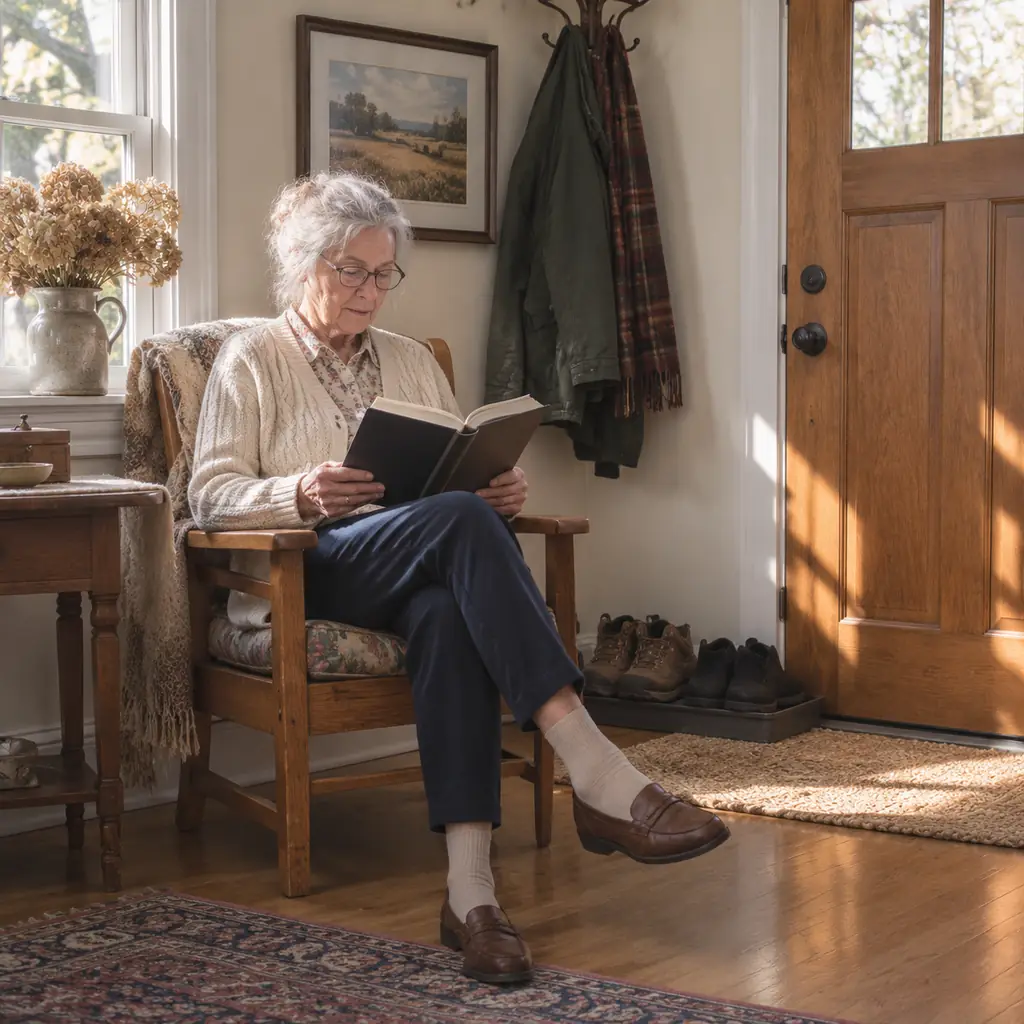
The Japanese genkan gives people a place to stop and take off outdoor shoes. Traditional examples may have a change in floor level at the entrance. Web Japan describes the custom here.
For a smaller retirement home, borrow the clear boundary with a flat floor. Add a firm chair with arms and a shallow shoe tray against the wall. Leave the door swing clear when boots are in the tray.
10. Let a sliding panel borrow the daylight
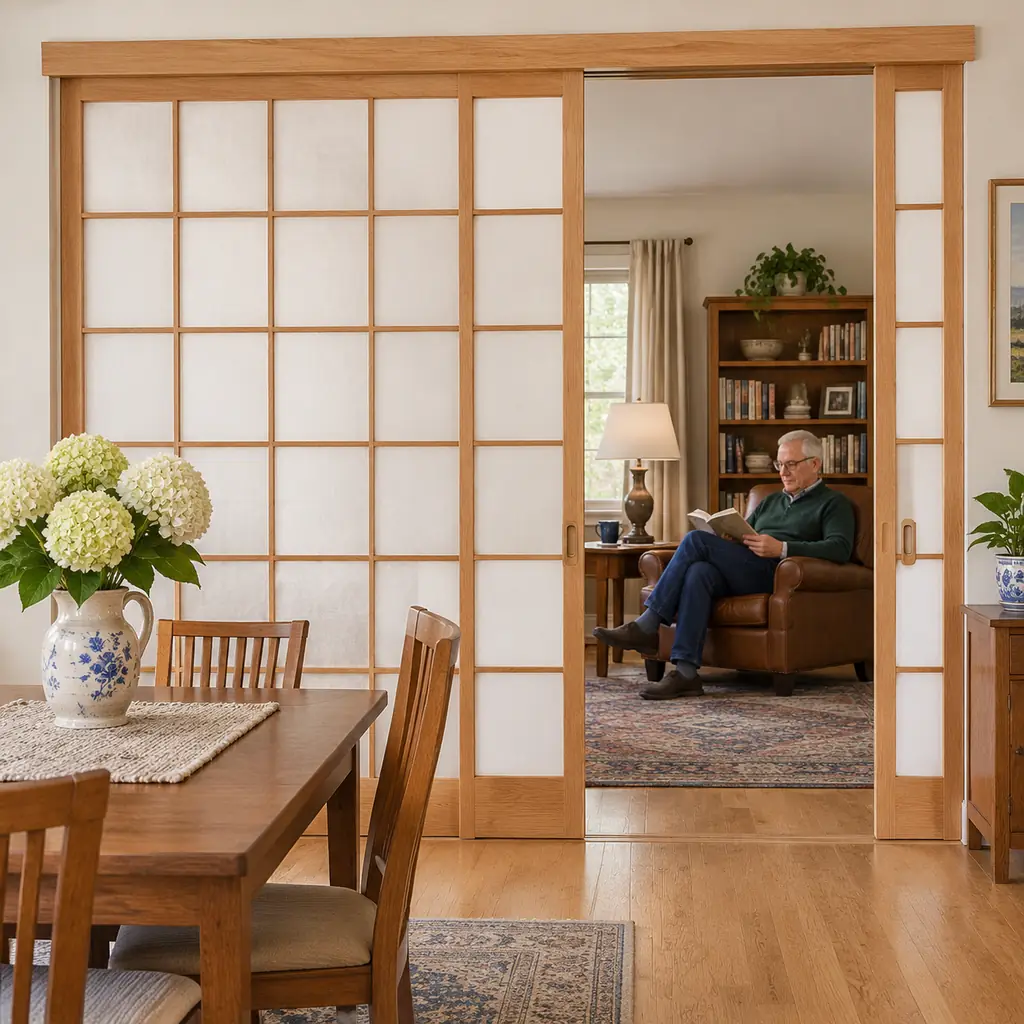
A traditional shoji uses a translucent panel to admit light. That makes a useful model for a den that borrows its only sunlight from the next room.
Look for an interior slider with a light handle and no raised rail across the floor. An opaque panel works better where a guest needs full privacy. Before choosing a panel, stand on both sides after dark and see what the light reveals.
9. Keep the room ready for a second use
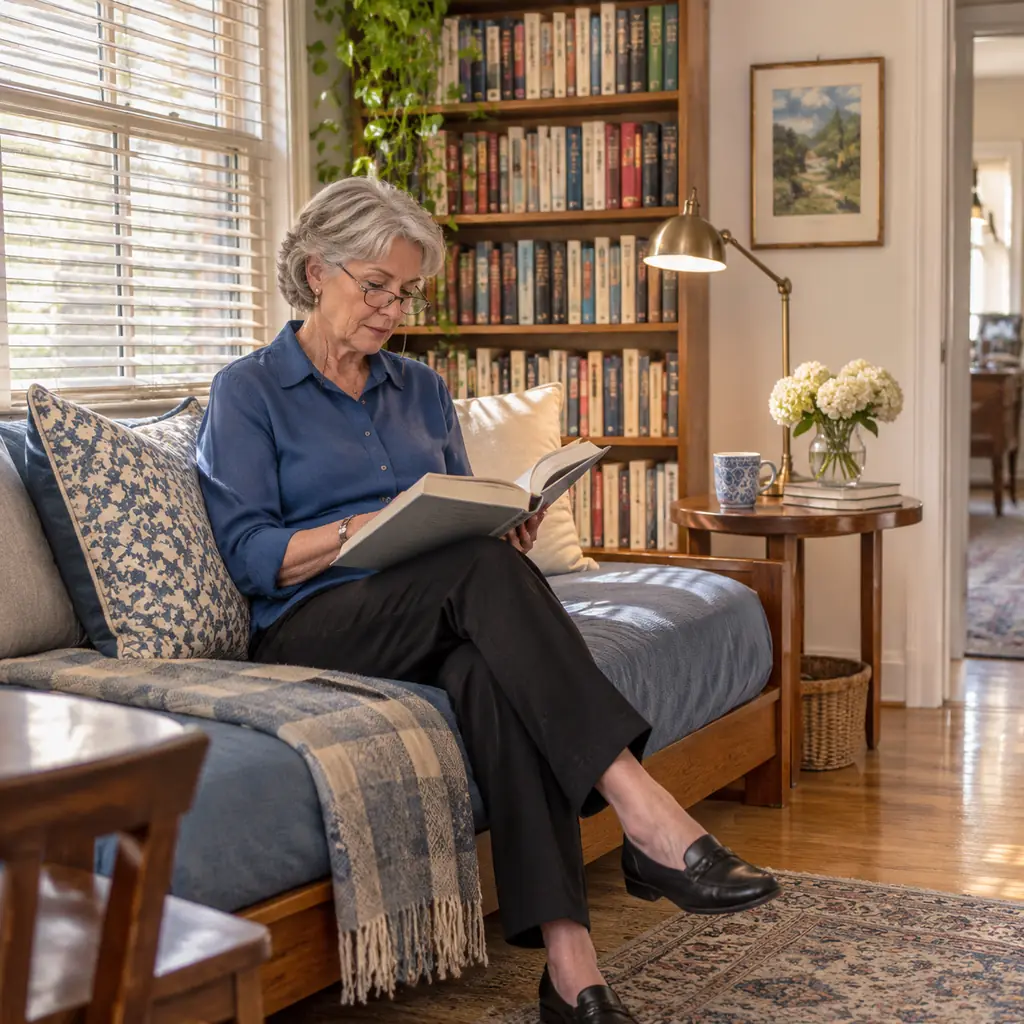
A traditional tatami room can shift from a sitting room to a bedroom when bedding comes out. Japan’s Ministry of Foreign Affairs describes that daily change.
Set up your den with a chair-height daybed you can sit on every morning. Sheet sets and a washable cover go in the closet beside it. A visitor gets a bed without stepping over a pile of decorative pillows at night.
8. Put bedding in a closet you can reach
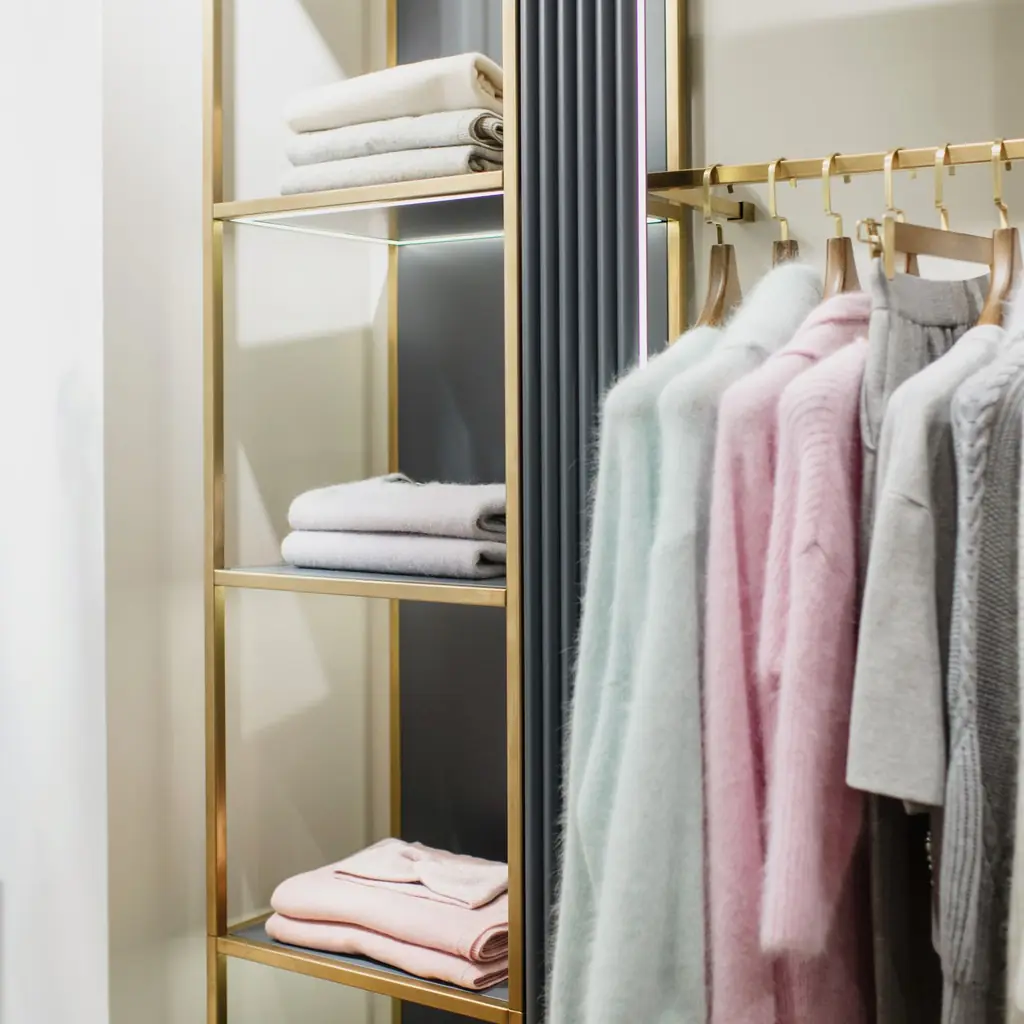
The oshiire in a traditional Japanese room can store a folded futon during the day. The useful idea is to give the bulkiest things a place beside the room that needs them.
Put a duvet and two pillowcases together on a shelf between hip and shoulder height. Fill the space above with lighter items. That leaves the lower shelf free for heavier things you can slide out with both hands. Start with other small home changes that make everyday routes easier where crowded shelves send you reaching.
7. Use a small table that opens for guests
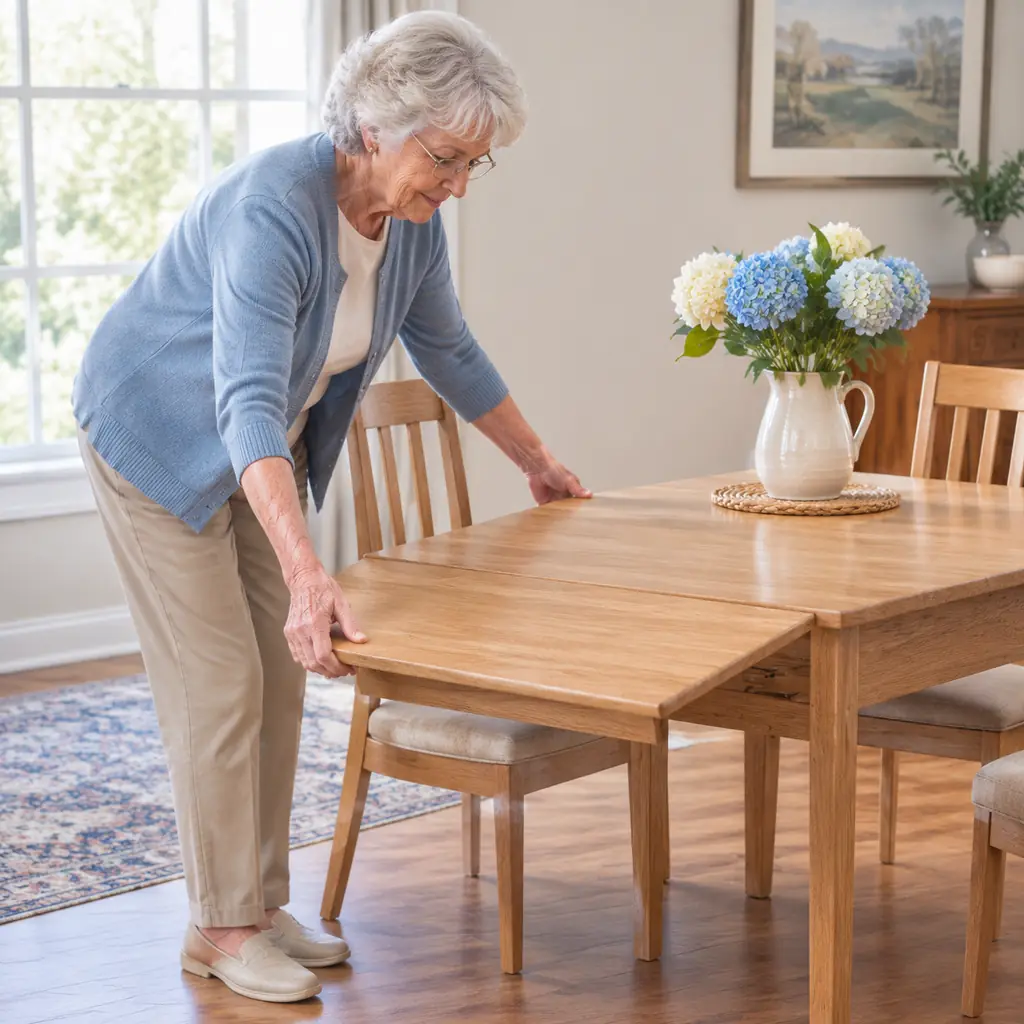
A chabudai is a low table associated with traditional Japanese rooms. Some versions fold away. A chair-height drop-leaf table offers a similar change for people who prefer to sit upright.
Measure the room with both leaves open and the chairs pulled out. Put the extra chair where it can serve another purpose between visits. Keep the route to the kitchen clear when everyone is seated. Check how the table fits the two separate routines a retired couple may have at home.
6. Hang a soft divider where a full door gets in the way
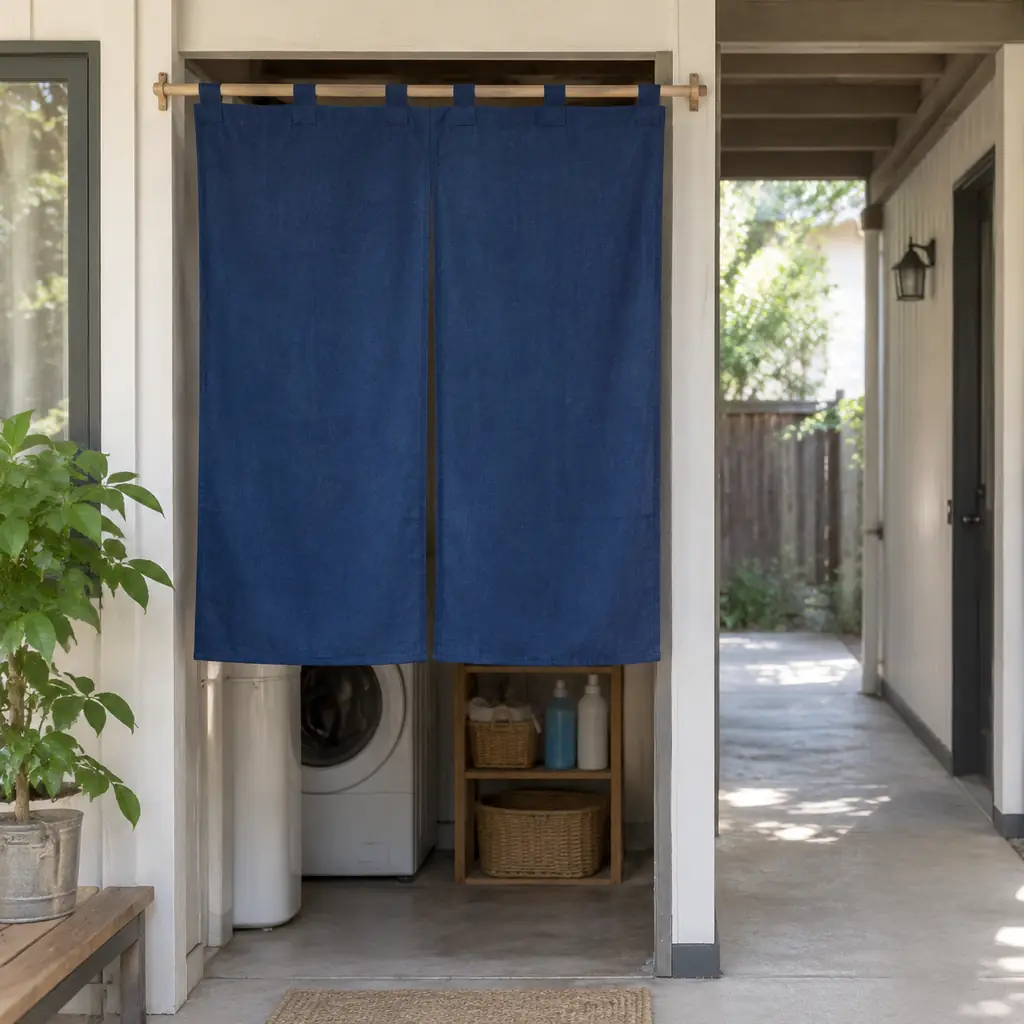
The split fabric curtain called a noren is familiar at shop entrances in Japan. A short curtain inspired by it can hide a utility nook that needs air and remains easy to reach. Japan’s government magazine explains the curtain’s commercial tradition.
Use a light fabric above a counter-height opening or inside an alcove. Keep it away from stovetops, heaters, and the main walking route.
5. Let one object have the shelf to itself
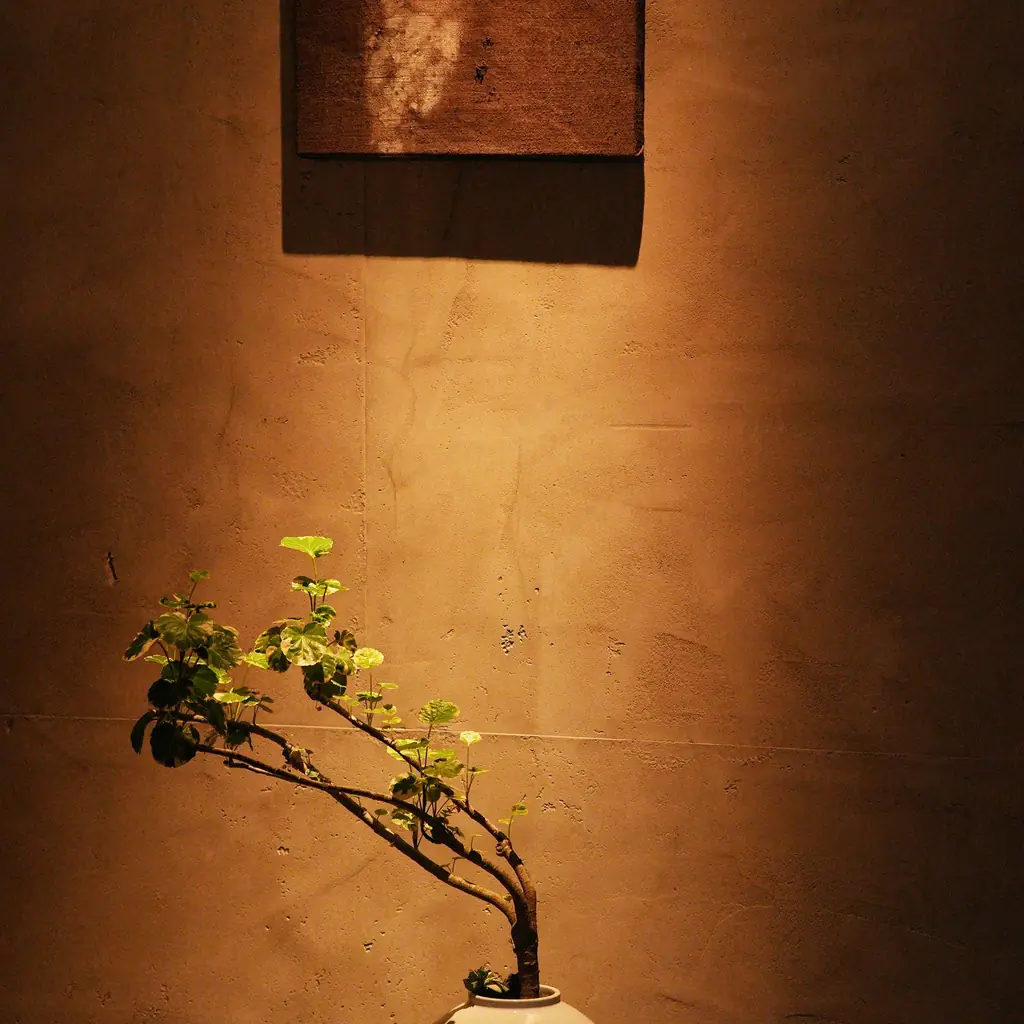
A traditional tokonoma is a recessed display area. It might hold a seasonal flower arrangement or a hanging scroll. The idea translates to one shallow shelf that has space around whatever you set on it.
Rotate a family photo, a piece of pottery, or a branch from the yard. Before sending the rest to storage, note the stories behind the family keepsakes you want someone else to remember.
4. Choose a chest that fits a space furniture usually wastes
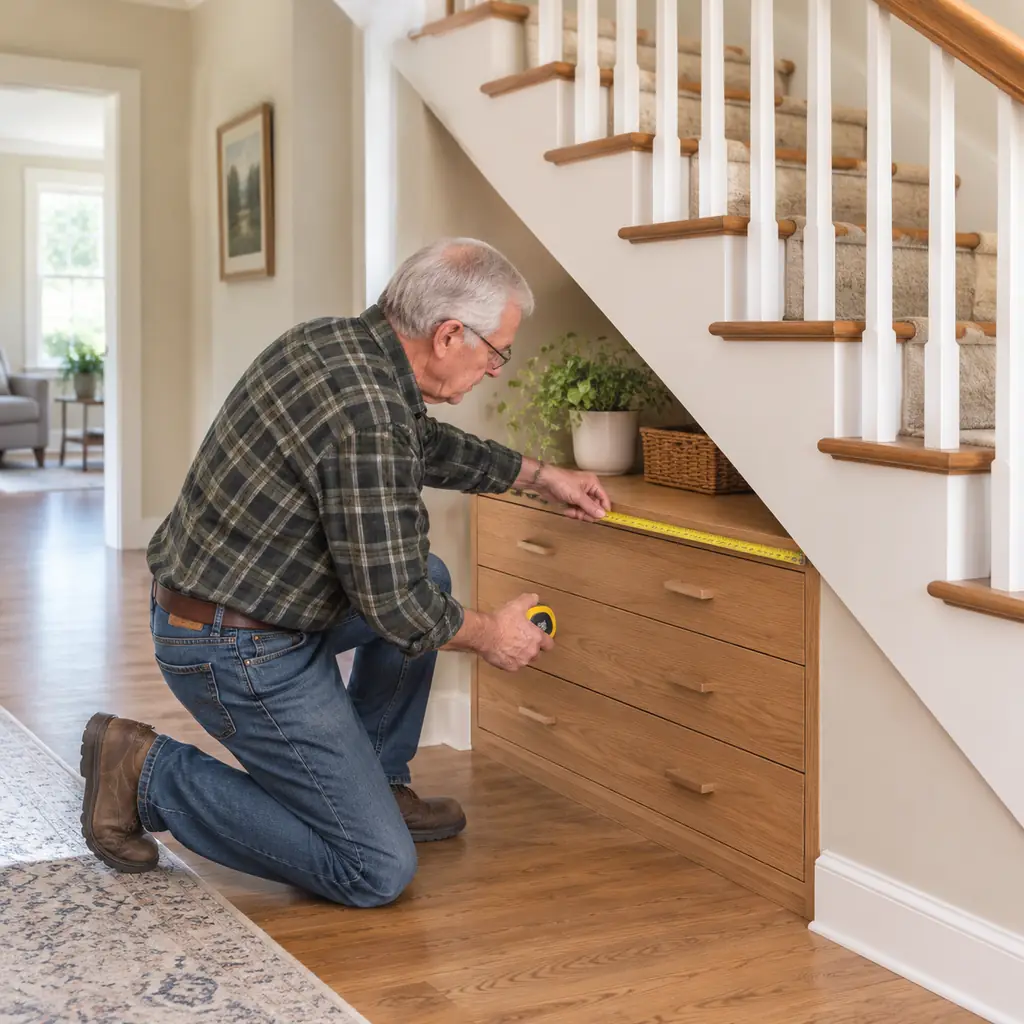
Japanese cabinetmakers built stair-shaped chests called kaidan tansu. A 19th-century example at the Brooklyn Museum shows how drawers and steps could share the same footprint.
For a present-day home, a shallow drawer unit in a deep alcove can reclaim space without moving a wall. Put the daily supplies in the top drawers. Set a low cabinet against the wall so the handles stay outside the path people walk.
3. Use the floor layout to decide what stays
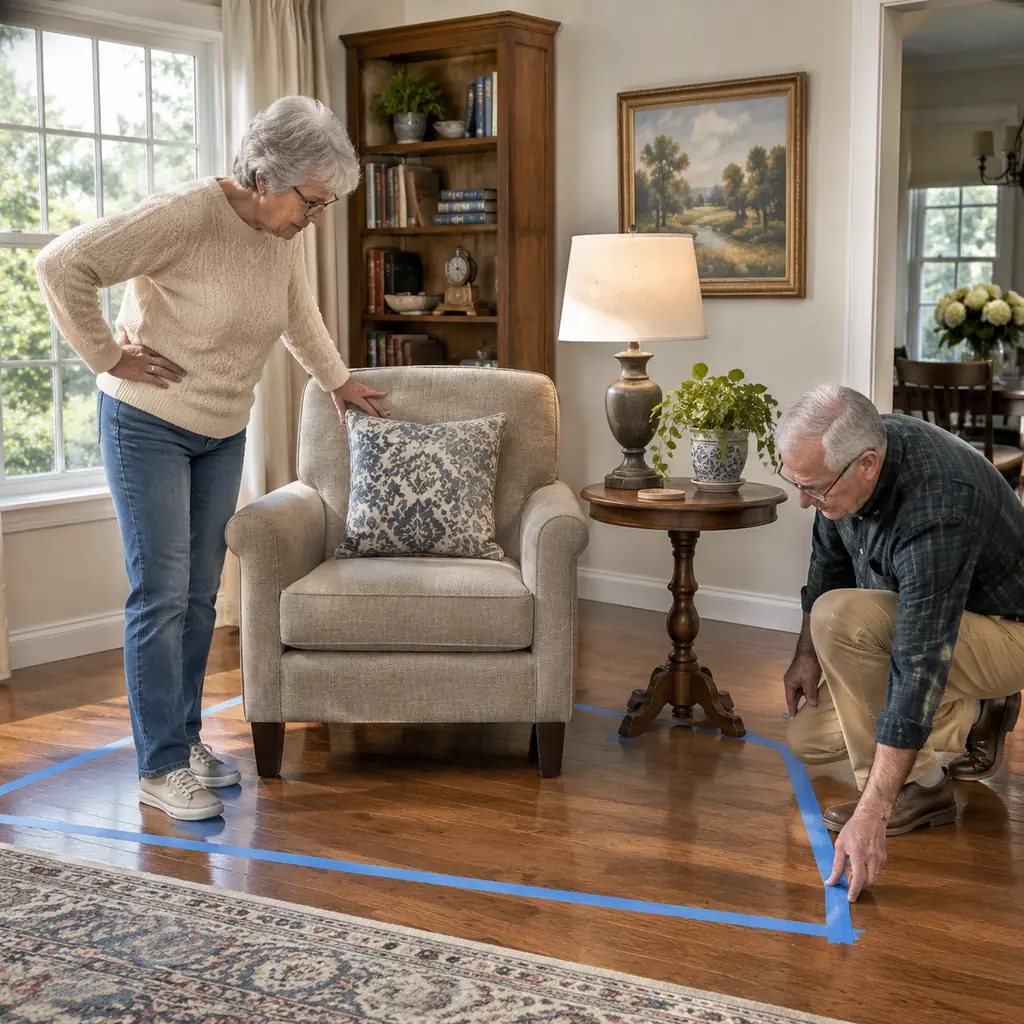
Tatami mats have long served as a way of describing the size of a traditional Japanese room. Rectangular mats make the layout visible before anyone sets down furniture.
Try a similar exercise with painter’s tape. Mark a new chair, its footstool, and the space the chair needs when somebody stands. Walk the route with a laundry basket in your arms. Remove the tape when you finish the test. This works especially well when you are making room for a hobby in a small home.
2. Keep the dishes you actually use together
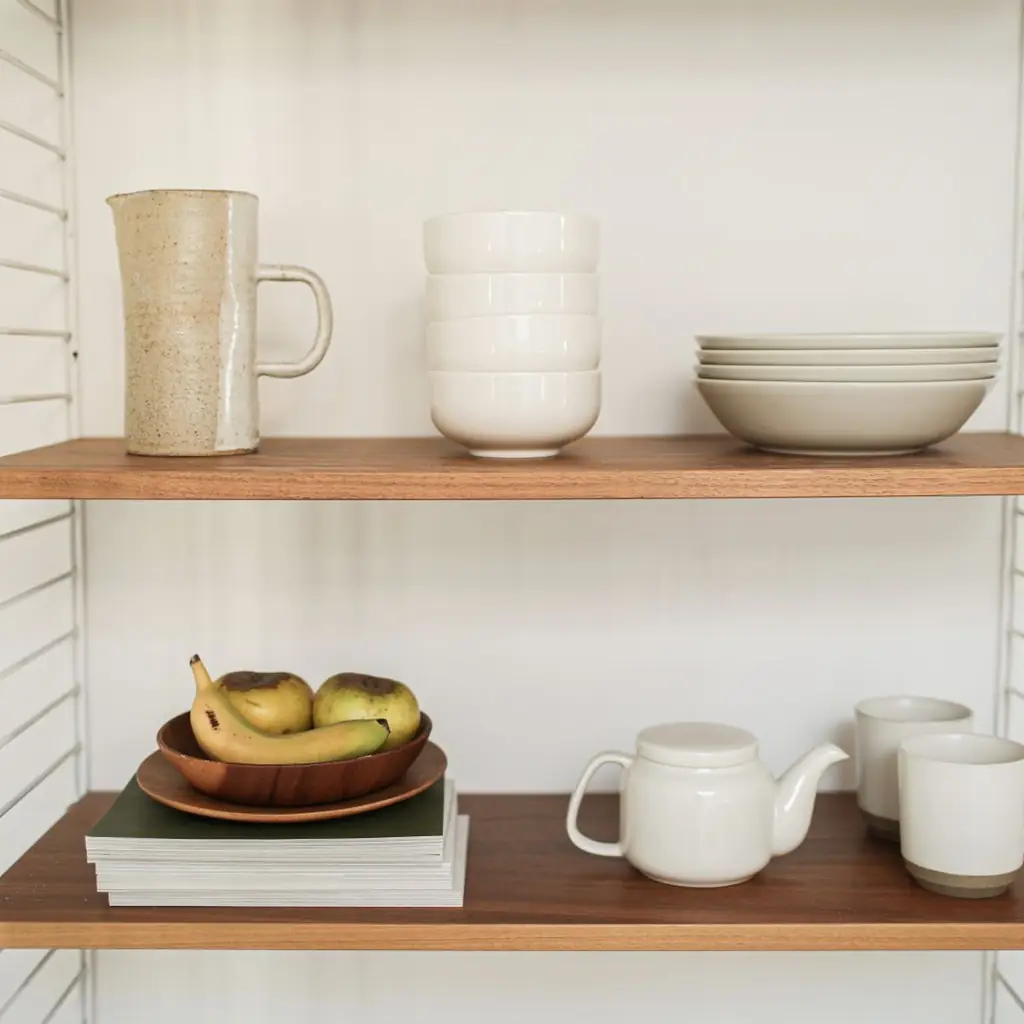
Japanese meals often use small bowls and plates for separate foods. Choose a few that stack well and give them one shelf close to the place where you plate dinner.
Set aside the large platters that come out twice a year. Keep two of each everyday size where you can reach them easily. Several Japanese kitchen habits for cooking for one or two use a set this small.
1. Give temporary things a place to disappear
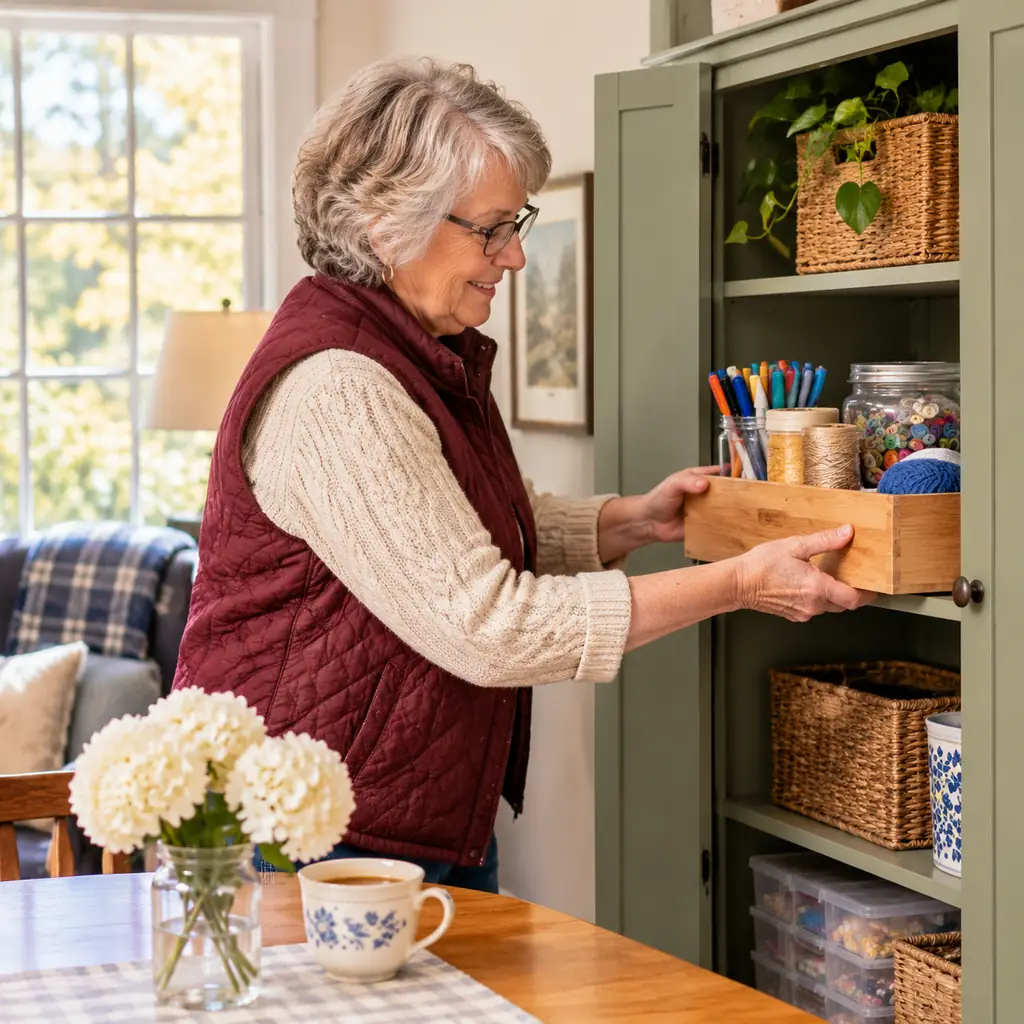
Traditional rooms that change jobs have a place to put away the things from the last activity. Follow that logic with a shallow tray for the puzzle, knitting, or household papers that live on your table.
Slide the whole tray into a drawer or onto a closet shelf when you need the table. The same idea works when you make room for grandchildren to visit.
Image credits
- Put bedding in a closet you can reach by Ksenia Chernaya. Pexels License. Cropped to square and converted to WebP.
- Let one object have the shelf to itself by yu xin. Pexels License. Cropped to square and converted to WebP.
- Keep the dishes you actually use together by Cup of Couple. Pexels License. Cropped to square and converted to WebP.