13 Family Keepsakes That Deserve a Story Before You Pass Them On
Give the next owner something worth keeping with the object itself.
Your niece can see the chip in your grandmother’s mixing bowl. Only you may know how it got there.
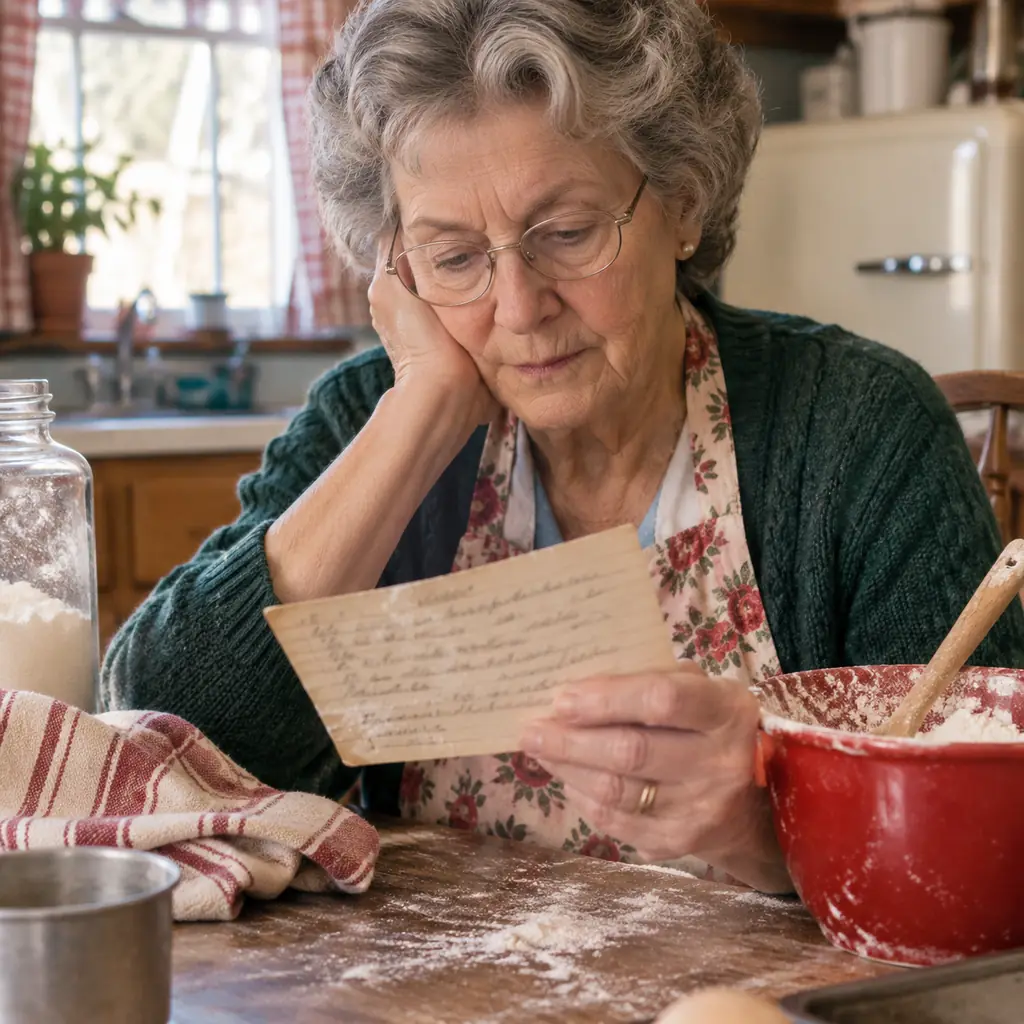
13. The recipe card with an ingredient missing
A handwritten recipe might say to use a little flour or cook until done. Whoever wrote it may have expected the next cook to know what the dough should feel like.
Make a clear copy and add the missing cue in your own words. A note such as “Grandma stopped adding flour when the spoon stood up in the batter” gives someone a better chance of making the same cake.
12. The photo with somebody’s name missing
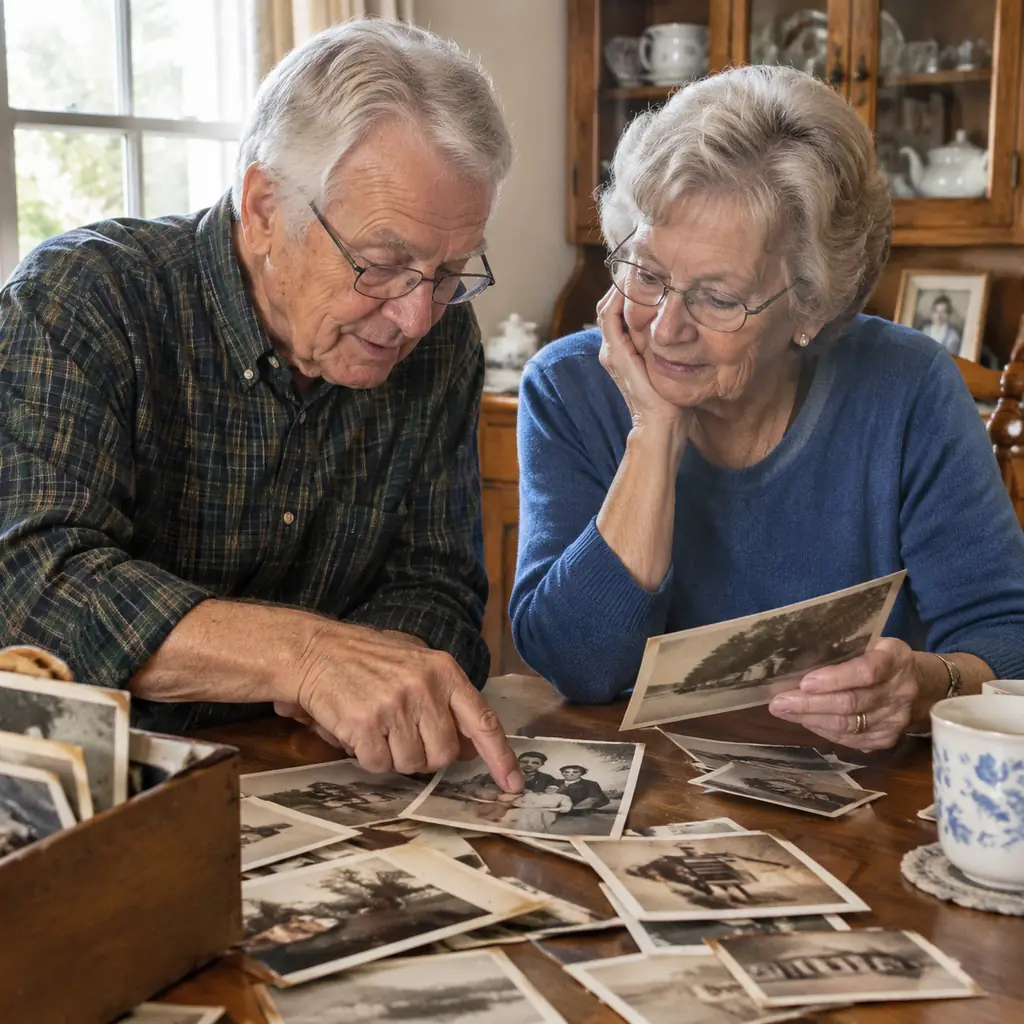
A box of photos often holds ten pictures of the same picnic. The next person may recognize the picnic table and have no idea whose house was behind it.
Scan your favorite photo and put the names in the file description from left to right. Record the approximate year and who identified the people. If a name is uncertain, say so. A second relative may recognize a face you missed.
11. The cast-iron pan with a smooth handle
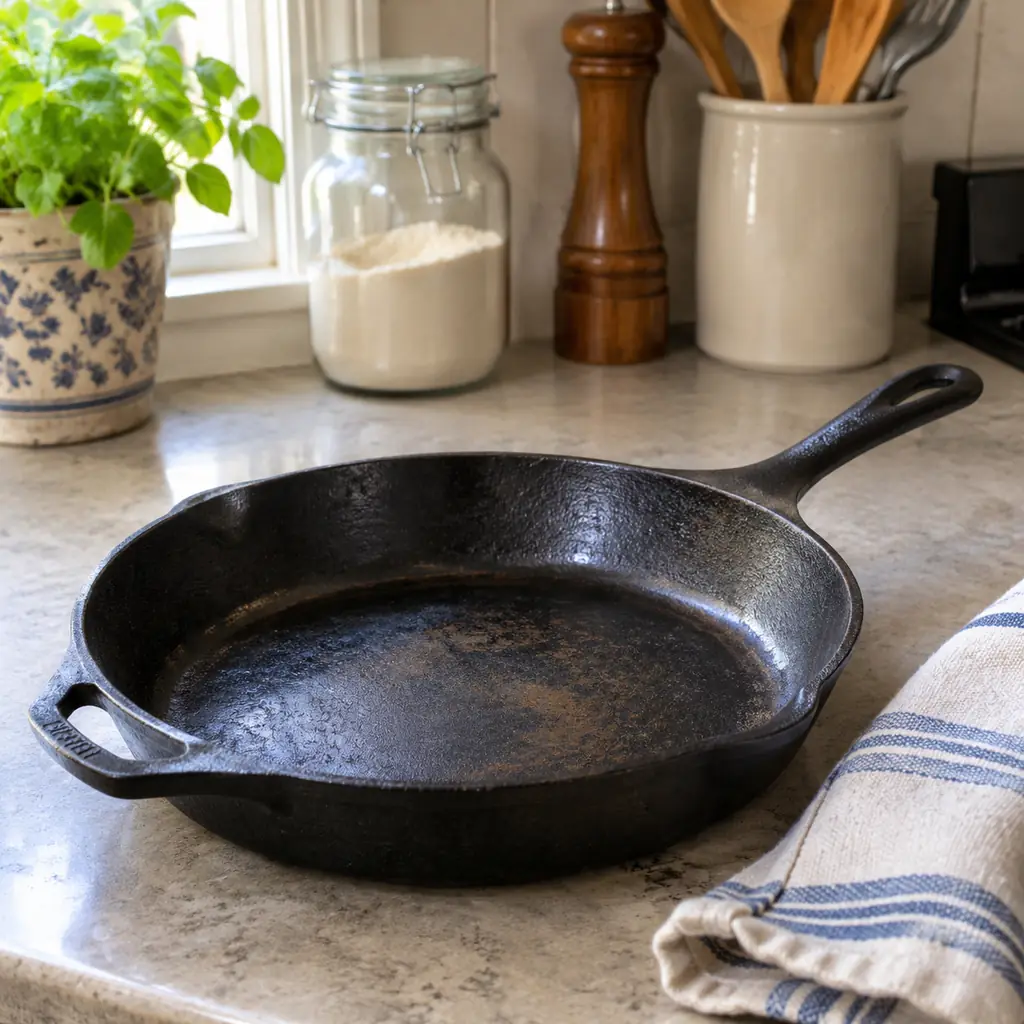
Wear marks on a pan tell you someone cooked with it often. They do not tell you whether your grandfather fried fish on the porch or made pancakes for whoever arrived first.
Write down how the pan came into the family and how it is used now. If you have cooking advice that came with it, add that in a separate sentence. An ordinary pan feels different when you know who stood over it.
10. The letter you kept in its envelope
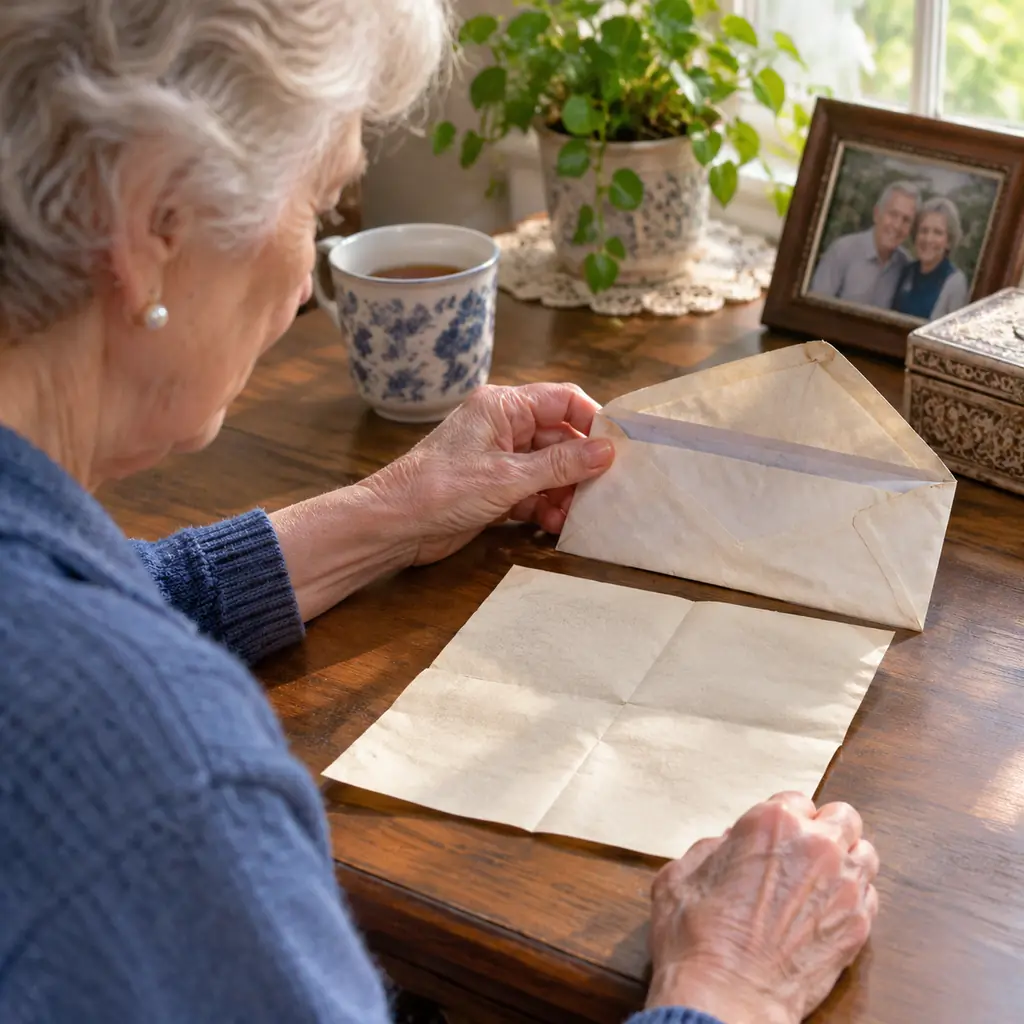
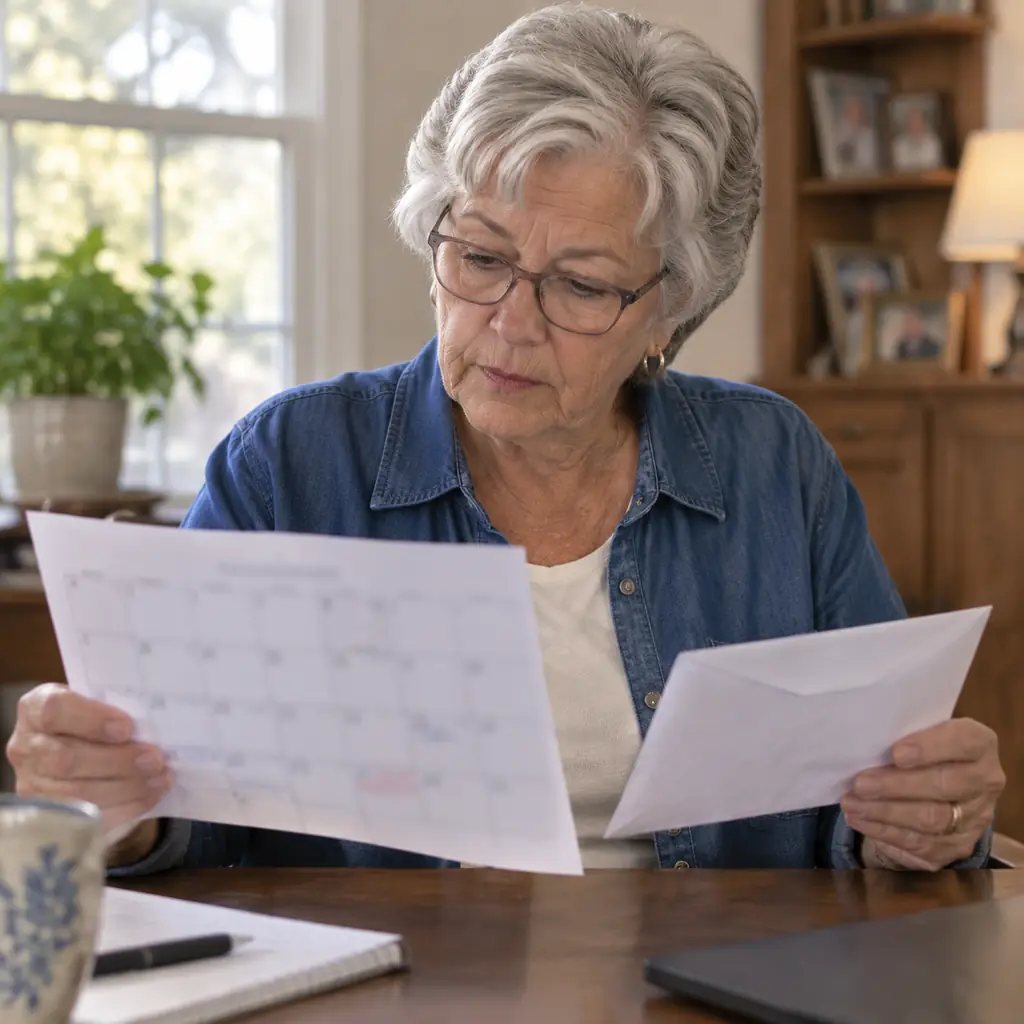
The postmark on an old envelope can place a letter in a particular year and city. Keep it with the letter if you can. Write down why the people were writing to each other.
Ask before sharing a letter that contains a living person’s private news. A family member might welcome the story of where the letter came from and want the words themselves to remain private.
9. The watch nobody remembers seeing new
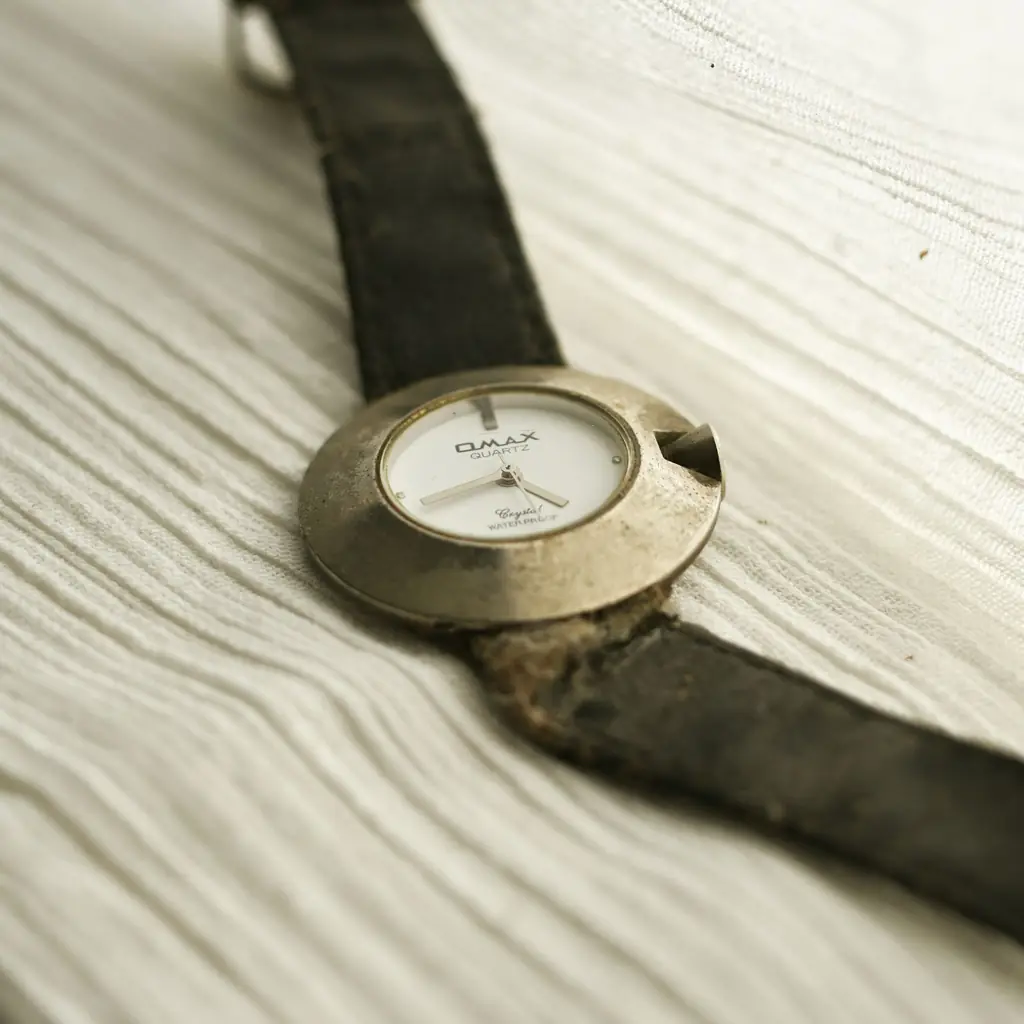
A watch may remember an important day even if it has stopped working. It could have been the one somebody checked every morning at the factory gate or the one they bought after an important promotion.
Photograph the watch front and back. Attach the story and note any repairs you know about. You can still choose which items to keep when you downsize after the details are safely recorded.
8. The quilt that used to be somebody’s clothes
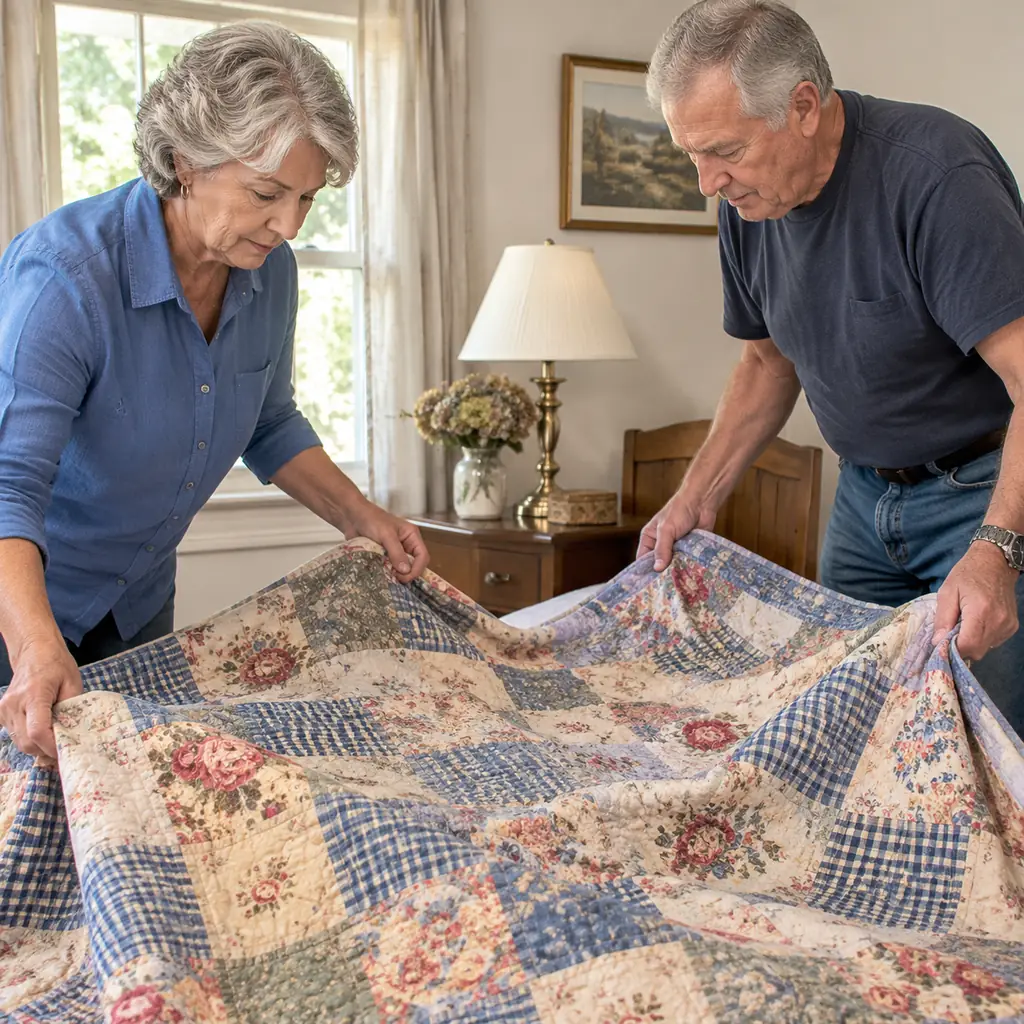
Find one square in the quilt that anybody can identify. A dress print or a piece of plaid from a work shirt can give a whole blanket a date and a place.
Record the names of the people who pieced, quilted, or repaired it. Take a photo of the whole quilt and a close-up of the familiar strip of fabric. Then choose a shelf where a keepsake can have some space.
7. The tool with a handle somebody replaced
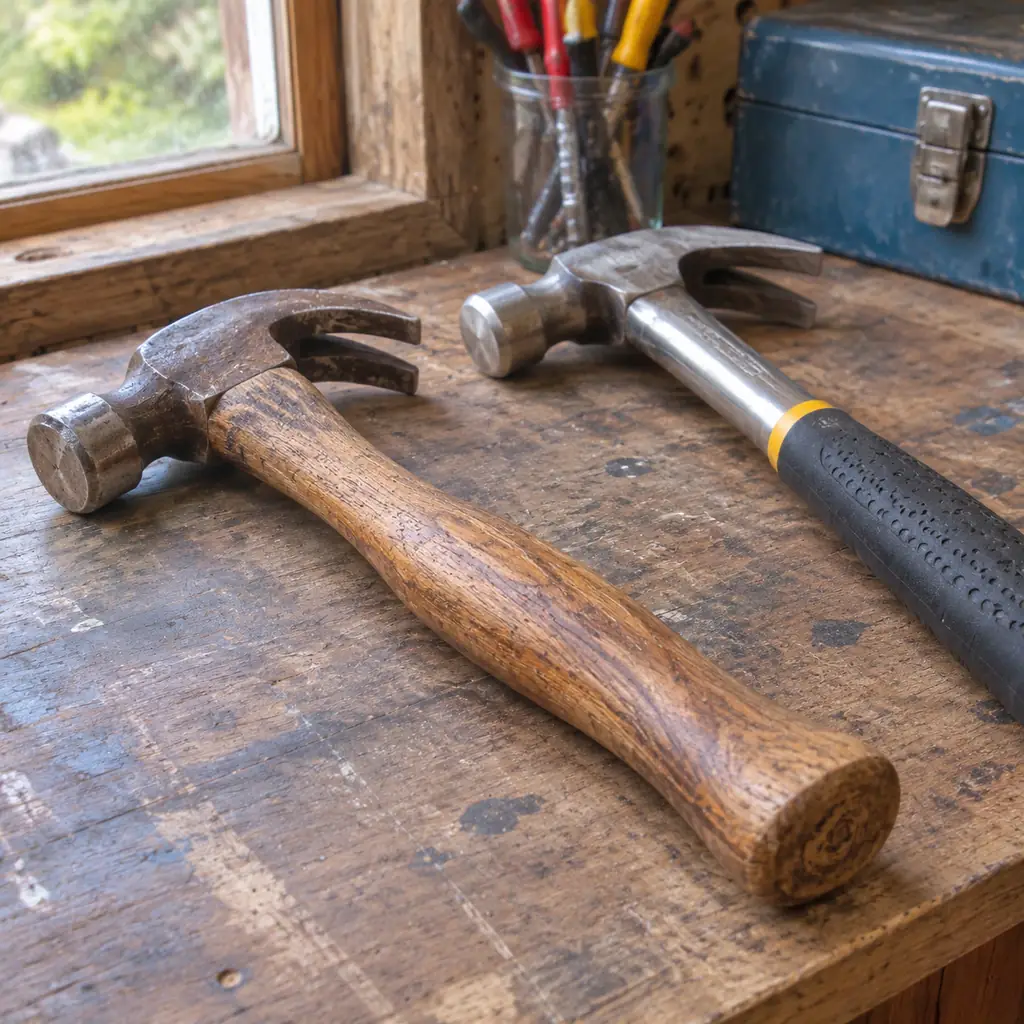
A hammer with a hand-shaped handle may tell a better story than an expensive tool with the tag still on it. Somebody cared enough to get that old hammer working again.
Describe the repair and what the person used the tool for. Mark a damaged tool as a keepsake if you hand it over. The person receiving it should know whether it belongs in a toolbox or on a shelf.
6. The holiday ornament with an unlikely origin
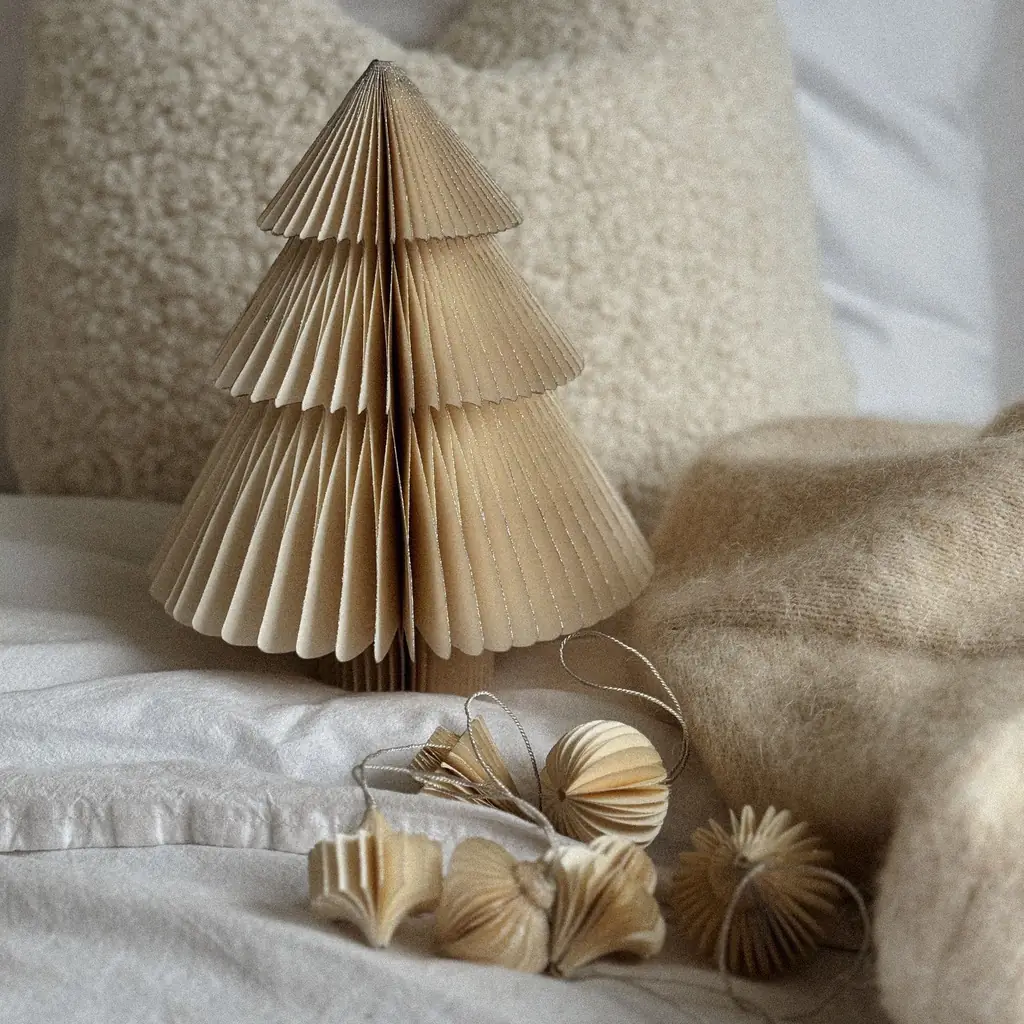
The ornament your children reach for first might be the one with the chipped paint. Ask what they remember about it before you decide who takes the box.
Give the recipient a short note with a year or a memory. A salt-dough ornament might come with the name of the child who made it and where the family lived. You can retell the story when the grandchildren come to visit.
5. The cookbook that opens to the same page
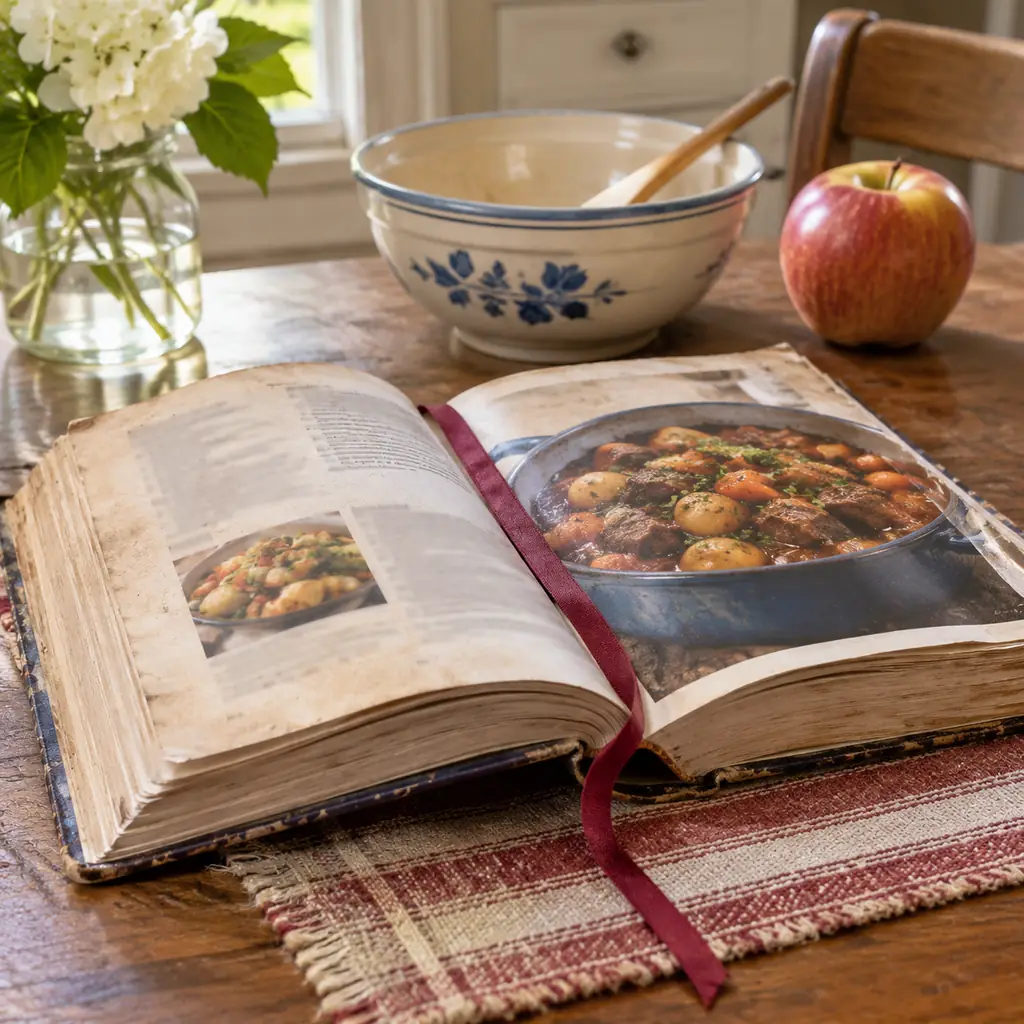
A spine that falls open at the cobbler may show you which recipe got made every Sunday. The grease spot and penciled note can be useful clues if nobody remembers.
Slip a new note beside that page. Explain which recipe the family cooked and what they changed. Someone cooking a smaller batch can use those notes beside practical ideas for cooking for one or two.
4. The folded map with a mark in pencil
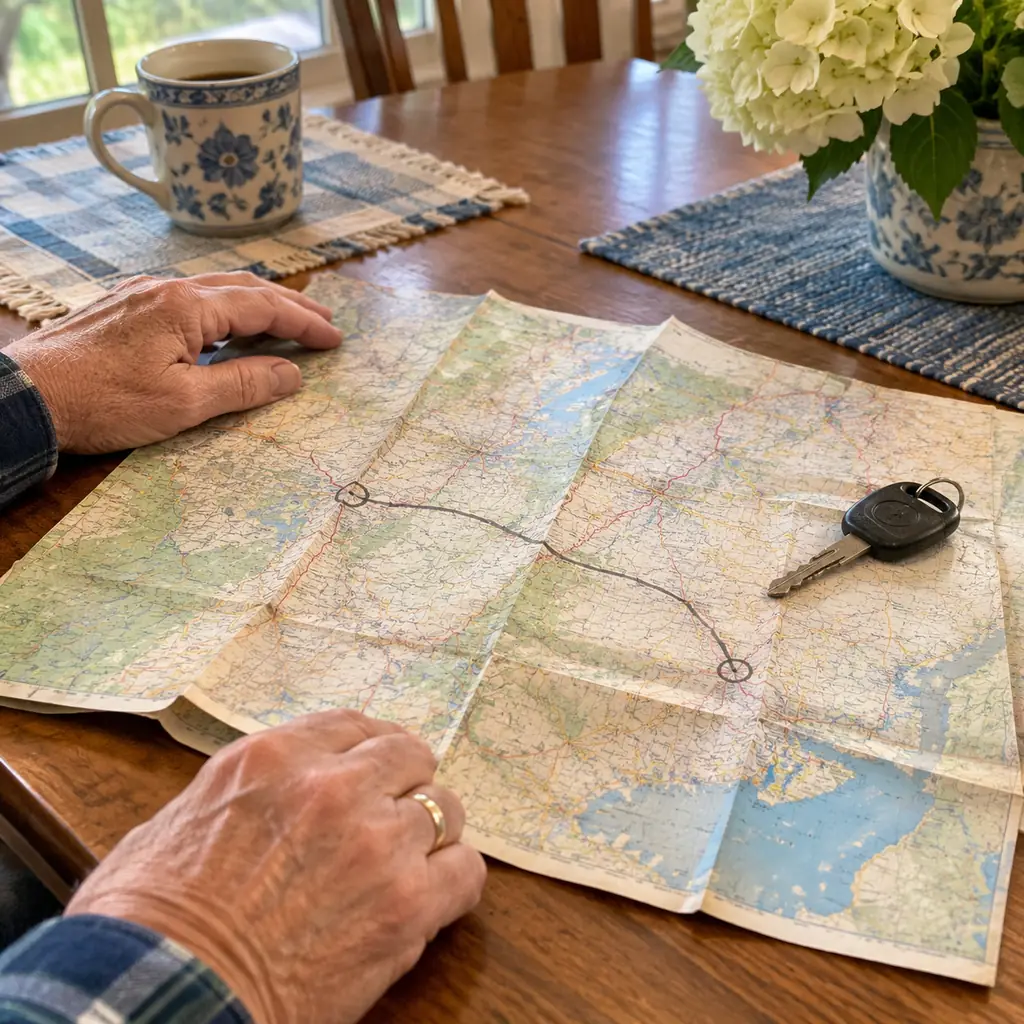
A road map can record the route a family took before everybody put the directions into a phone. The best story may be the motel with the broken sign or the stretch when the children finally fell asleep.
Photograph the route and tell someone one thing that happened along it. Pay attention to what kept you returning when you look at a favorite town outside vacation season.
3. The childhood toy that survived every move
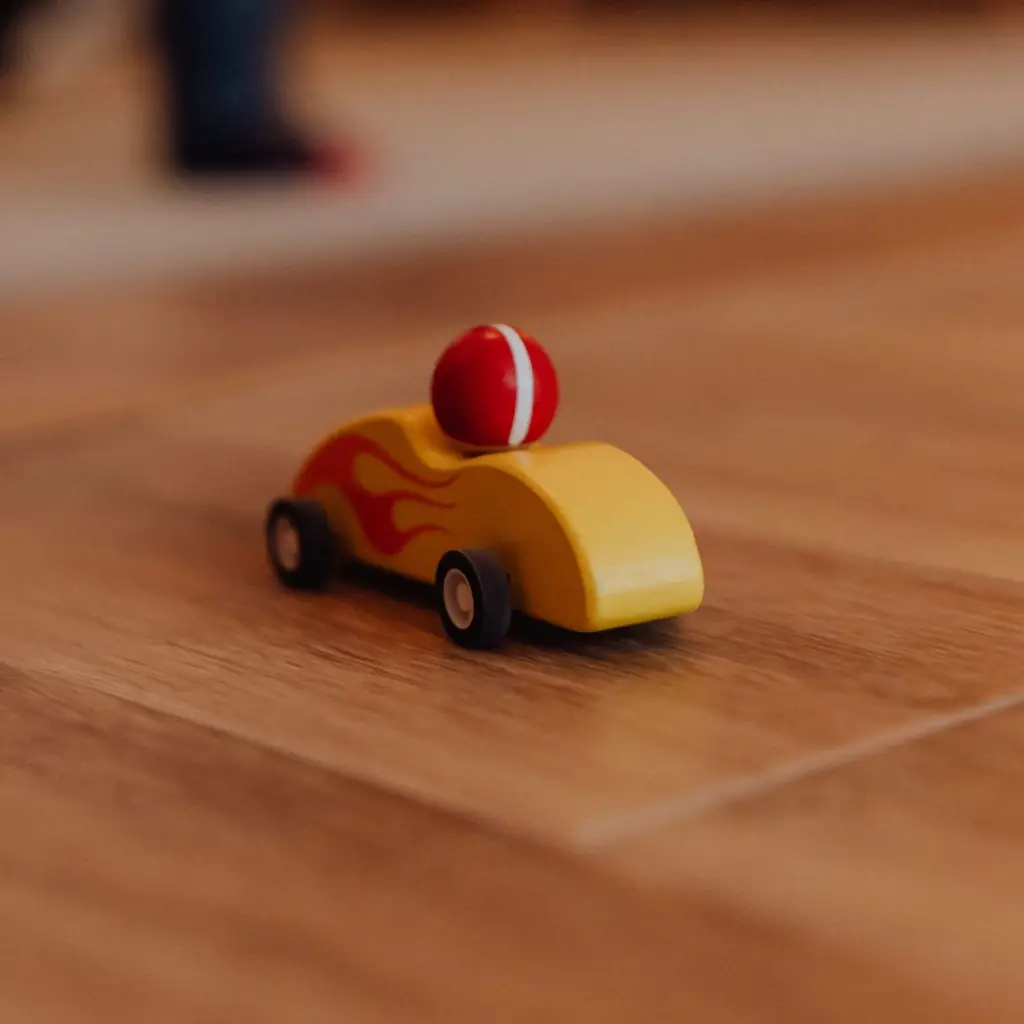
You may remember the toy as a birthday gift. Your child may remember taking it to the waiting room before a long appointment. Both memories belong with it.
Ask the person who played with the toy if they want to keep it. An old toy with loose pieces or peeling paint can be shown as a keepsake. Find a newer one for the toy basket if children will use it on their own.
2. The records that explain a major move
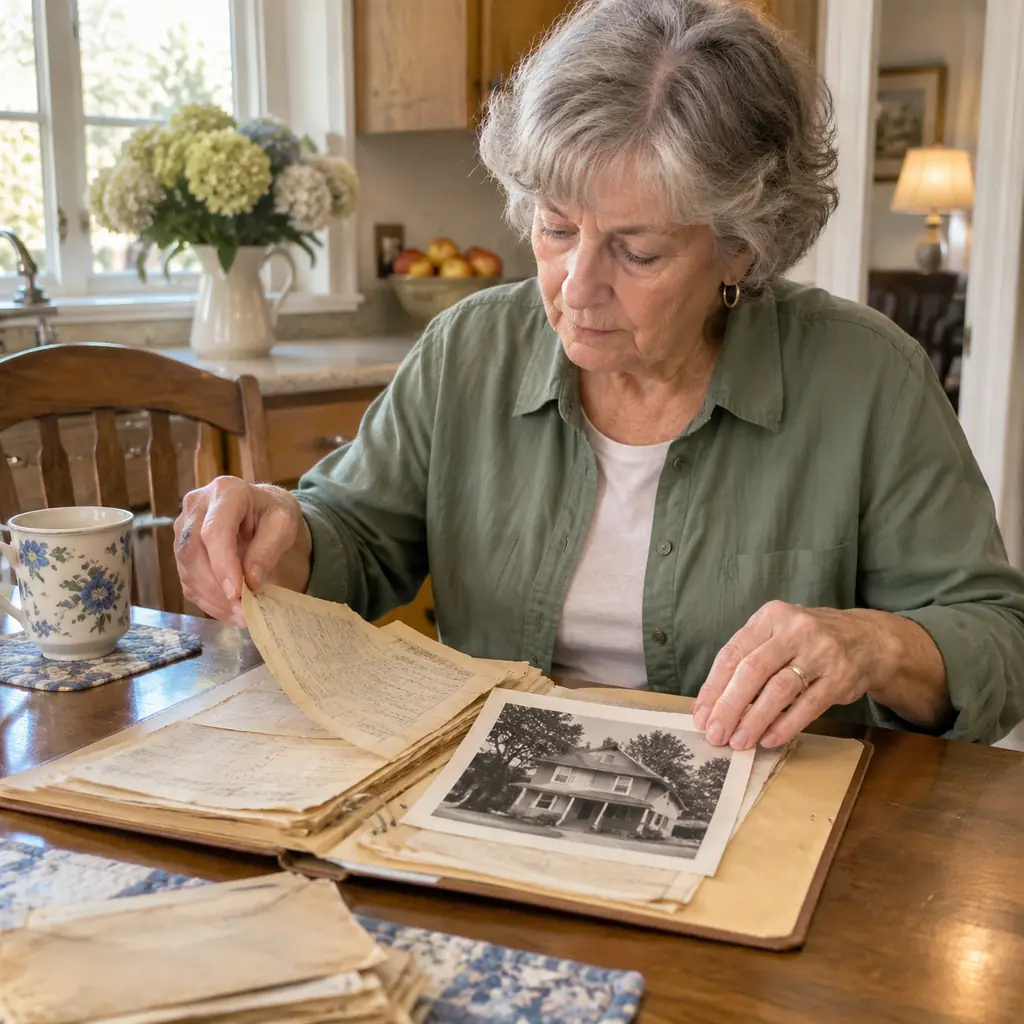
An old moving slip or an address book can show when a family changed towns. Ask why they left, what they carried, and who helped them settle in. A familiar street in an old photo may bring back the details.
Make a short timeline and keep the private records separate. If identifying neighbors gets people talking, include that detail in a retirement week with time for the people you care about.
1. The object everyone assumed somebody else wanted
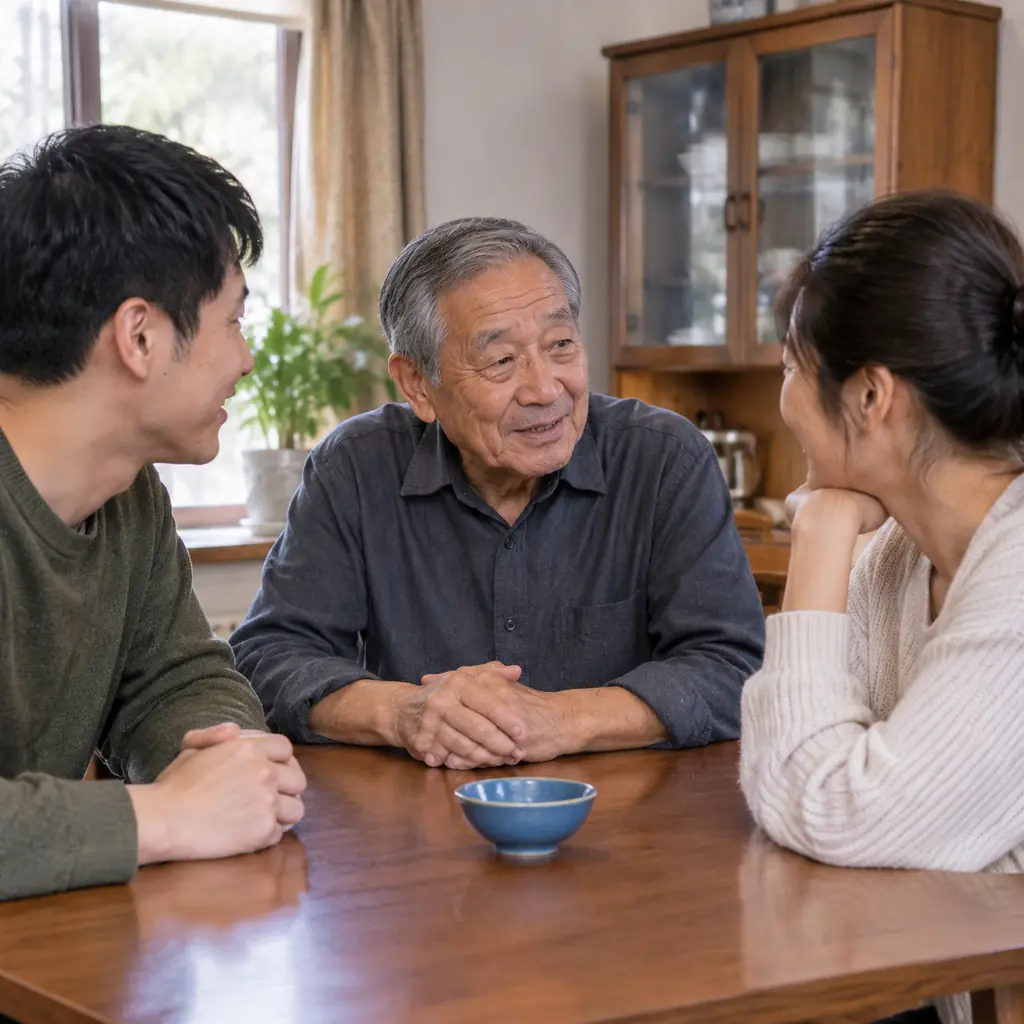
A little blue bowl can sit in the same place for forty years without anybody asking where it came from. Start by telling the story at the table. Someone may know a piece of it you have forgotten.
Ask who would enjoy having it, and give people time to answer. Take a photo and save the story even if the bowl eventually goes to the donation box.
Image credits
- The watch nobody remembers seeing new by Grigoriy Konsevich. Pexels License. Cropped to square and converted to WebP.
- The holiday ornament with an unlikely origin by Aljona Ovtšinnikova. Pexels License. Cropped to square and converted to WebP.
- The childhood toy that survived every move by Doralin Tunas. Pexels License. Cropped to square and converted to WebP.