11 Things You Learn About a Retirement Town After Vacation Season Ends
Visit a retirement town when the crowds have gone to see what groceries, medical appointments, errands, and…
A lake town that feels effortless in July can send you forty minutes for groceries in February. Visit when the crowds are gone and try living an ordinary week there.
11. The grocery trip you would make on a Wednesday
Make the exact grocery run you expect to do every week. Buy milk, vegetables, and whatever you usually get from the pharmacy counter. Time the round trip from a residential street you would consider.
You may find the nearby shop covers dinner easily. You may also learn the bigger trip needs a full morning. Drive it once at the hour you normally leave home.
10. The appointment that takes two phone calls

Search for the care you routinely use. A clinic may be near the house, while your usual specialist is in a town across the county. Call to ask about new patients and whether the practice takes your insurance.
Map the route to the nearest emergency department too. Make the ordinary daytime drive from the neighborhood you like. Note whether any bridges, steep roads, or seasonal traffic changes matter.
9. The café that closes early for winter
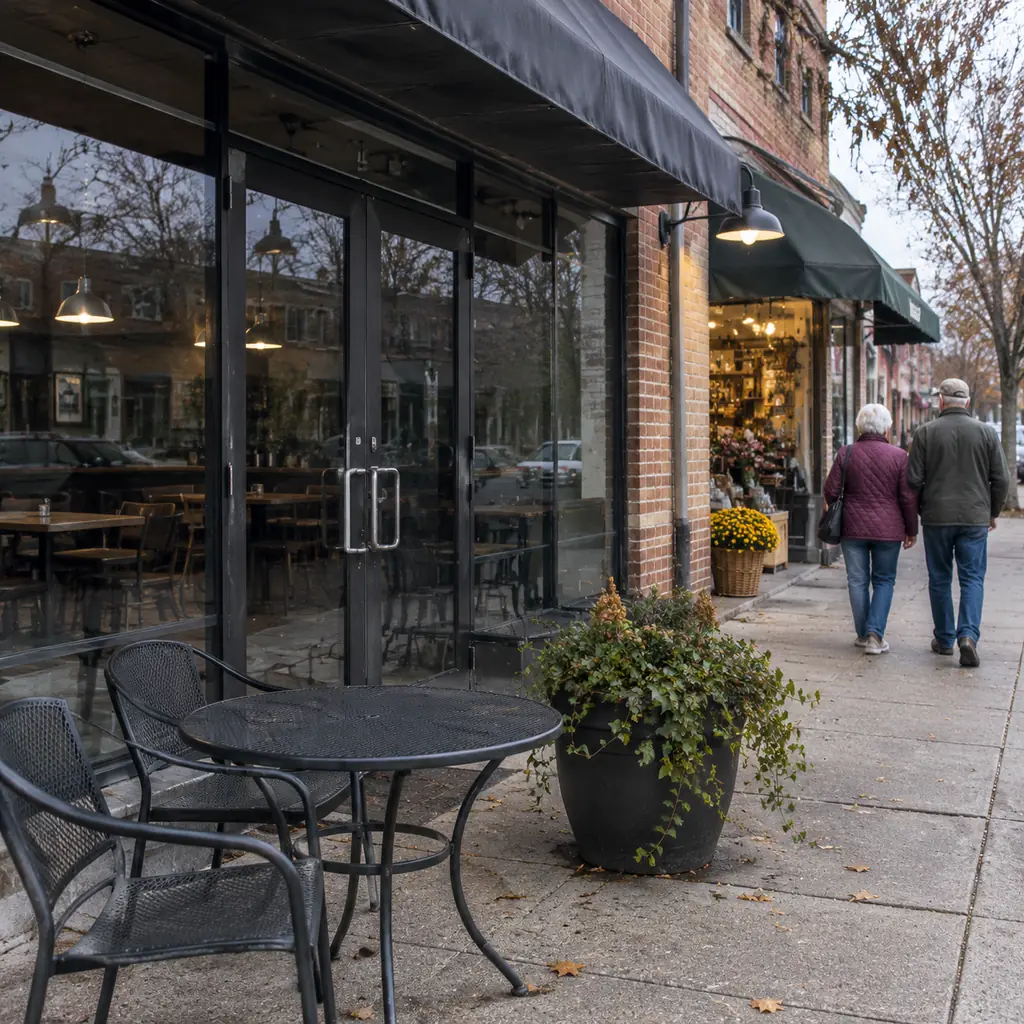
Go downtown on a Tuesday afternoon. Look for the things you would miss most if there were only a few choices. A closed ice-cream window is easy to shrug off. An early-closing pharmacy or a diner open three days a week changes the routine.
Ask a shopkeeper which hours change once visitors leave. Then walk the same block on a second day to see how the pace feels.
8. The people you will meet twice

Find one regular event you might attend again. A library book group or a short weekday walk can show how people get to know each other. See who welcomes a newcomer and who says they will be back next week.
The town may have few big events and plenty of conversation. Use the same approach you would use to find places to make friends in retirement.
7. The road you would use after dark
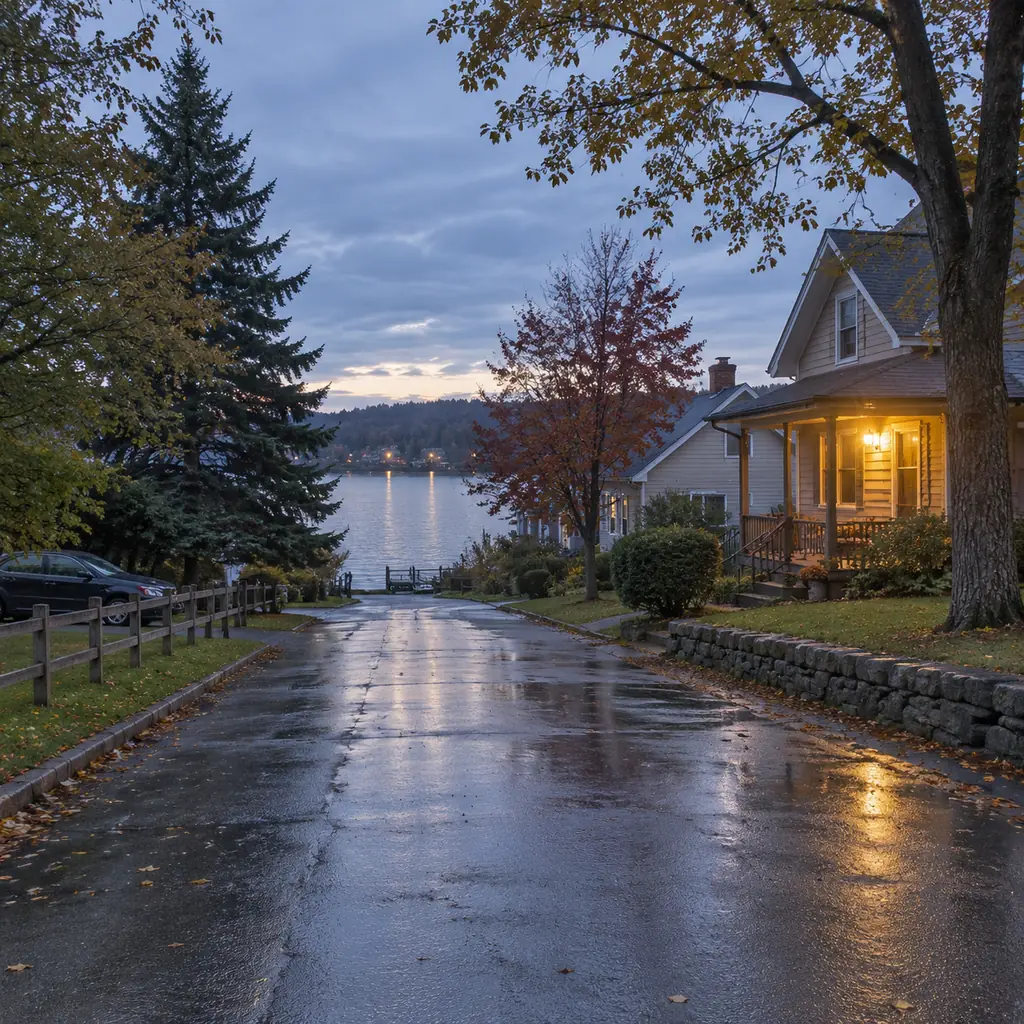
Drive back from a grocery trip in the early evening. Notice where the streetlights end, how far it is to the next turn, and whether the lane markings are easy to follow.
Then walk from one likely front door to the nearby corner, if the route is safe. A quiet road can feel inviting in the day and too dark for the walk you take every evening.
6. The work a house needs in the slow season
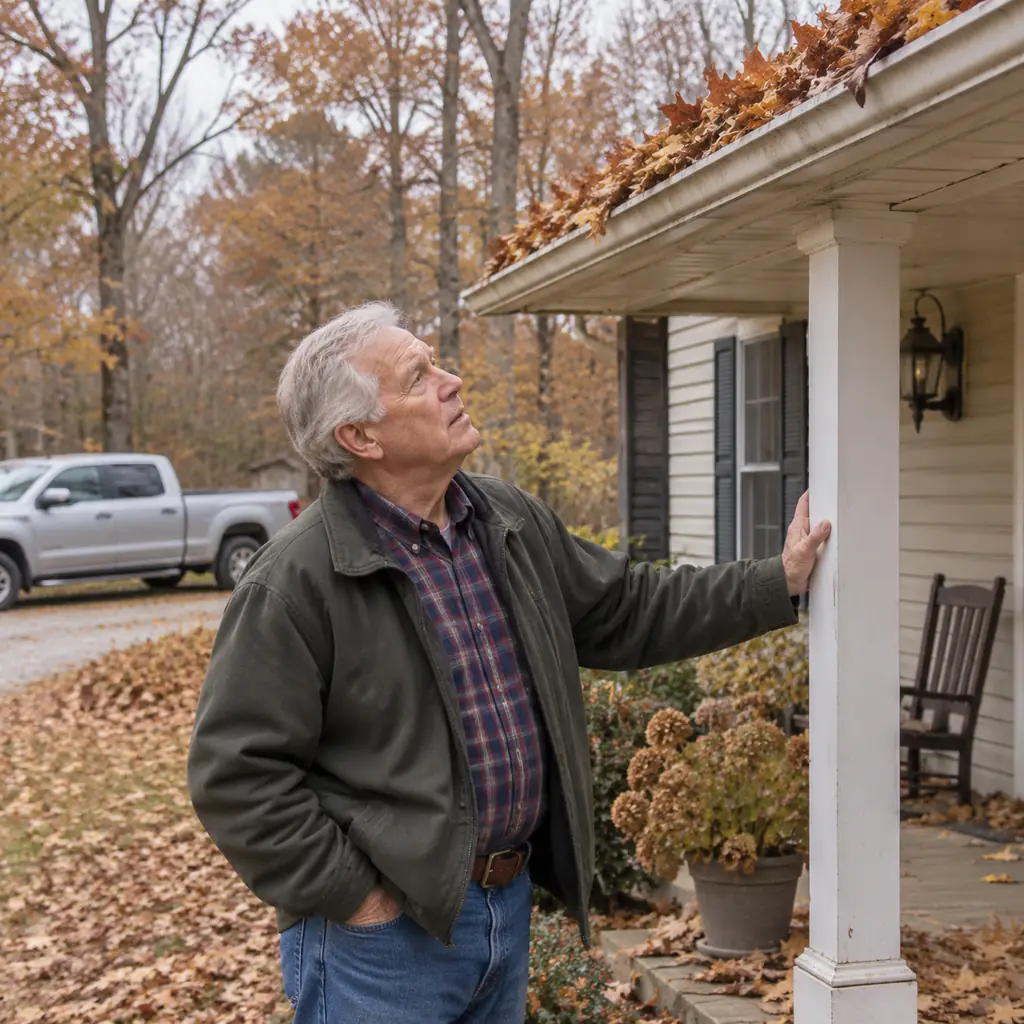
Ask who clears snow, removes fallen limbs, or tends a sump pump in the area. Call one local business and ask whether it takes jobs on the street you like. A service that works across the county may have a long list in a storm.
Count the work you would want to do yourself. Put maintenance-heavy purchases and house features on your list before you fall for the porch.
5. The weather the vacation photos leave out
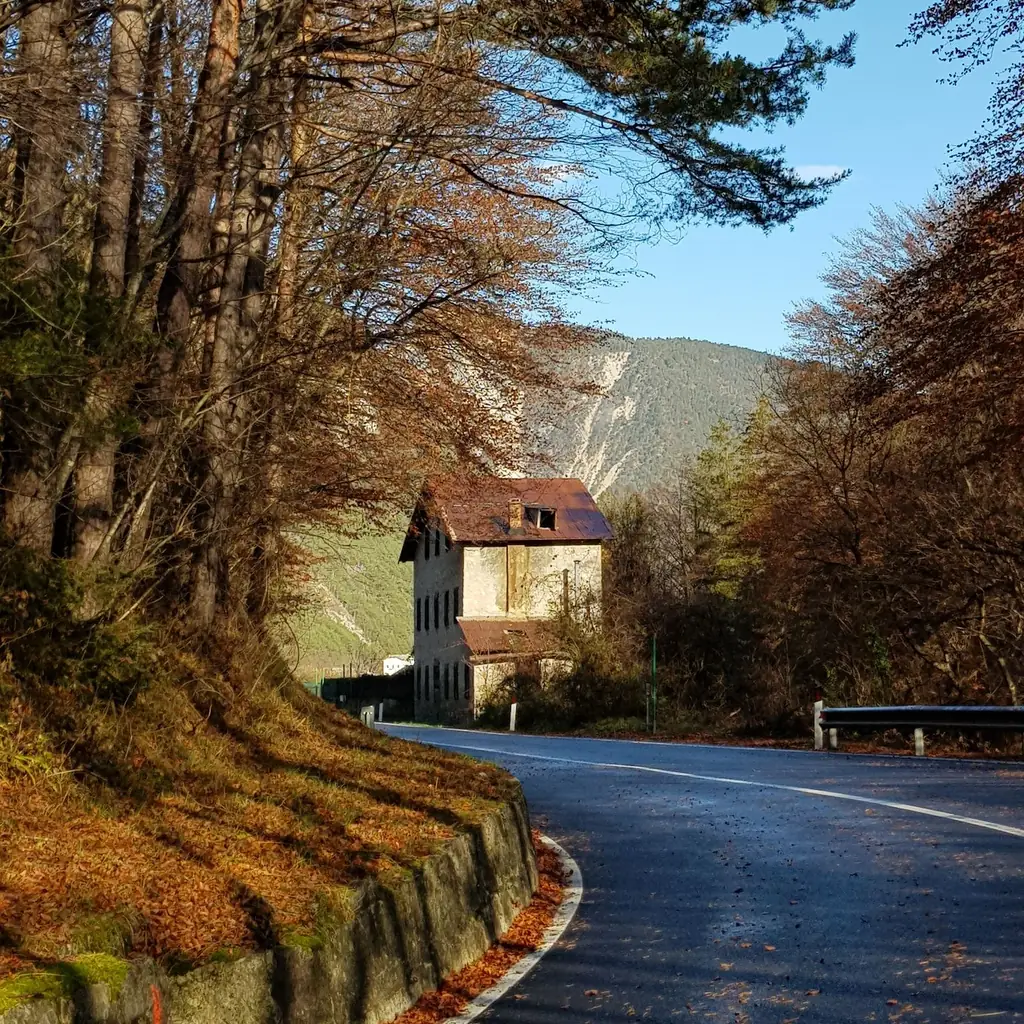
Watch what happens after a hard rain or a cold night. Water may pool near the driveway. Wind may blow straight into the front door. Ask neighbors what the street feels like during the season you missed.
Spend a normal morning in the house or a similar rental. Note how much daylight reaches the rooms you would actually use, especially when more of your day happens at home.
4. The stretches when getting there gets harder
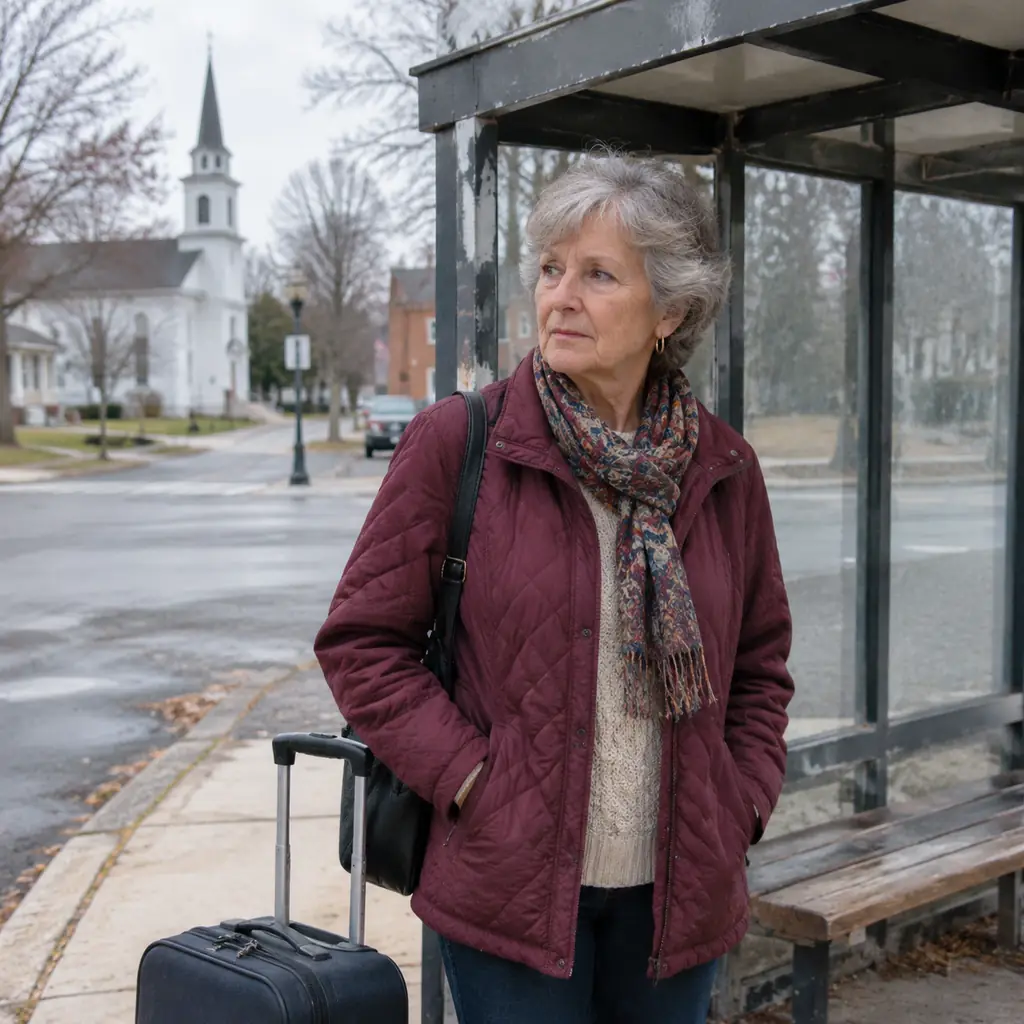
Try the least convenient trip your household makes often. That might be an airport pickup, a visit to family, or a return drive from the dentist. Check whether the route you use in summer is practical while the daylight is short.
Find out which bus routes or shuttles still run. If family live far away, look at the trip from their side and think through where everybody would sleep during a visit.
3. The places you would go for an ordinary hour

Try a Tuesday you would be content to repeat. Pick a walk, a library visit, or lunch. Find out which places stay open through the quieter months and which ones are comfortable on a wet afternoon.
One partner might want more time out of the house than the other. Compare notes at dinner. A few regular outings can become part of a retirement week you look forward to.
2. The things full-time neighbors rely on

Ask a few people who live on the street what surprised them in their first full winter or summer. One might mention how neighbors share information when the power goes out. Another might have a contractor who actually returns calls.
Write down useful names and places before you forget them. Those are the kinds of connections you can start setting up before retirement.
1. The answer you give yourself when nothing is scheduled

Save one morning with nothing planned. Make coffee, do one errand, and see where you naturally want to spend the afternoon. Notice whether the quiet makes you feel at home.
Ask your partner what they would do if that morning happened every week. Listen for the details, including whether you would both have enough room for different routines at home.
Image credits
- The people you will meet twice by Kampus Production. Pexels License. Cropped to square and converted to WebP.
- The weather the vacation photos leave out by Glauco Perucchi. Pexels License. Cropped to square and converted to WebP.
- The things full-time neighbors rely on by RDNE Stock project. Pexels License. Cropped to square and converted to WebP.