
How to Try Out Retirement Before Your Last Day at Work
Use a few days off to test the weekday routines, expenses, friendships, and commitments you expect after…
Take a few days off without making them a vacation. The point is to see what an ordinary Tuesday feels like once your workday no longer decides where you need to be.
1. Choose an ordinary week for the trial
Set aside a stretch of leave while people around you are following their normal routines. A holiday week is easier to fill, but it tells you little about an average Wednesday.
Keep most appointments close to home. If a full week is hard to get, try two midweek days off together and plan a second round for another month.
2. Write down what work quietly handles

Work may give you a regular lunch break, the people you joke with at midday, and a reason to leave the house in the rain. Write down the parts that could stop when the job does.
Pick one thing you would miss and give it a replacement during the trial. Start with something easy enough to try twice.
3. Let your mornings find a new starting point

On the first day, get up without the usual rush. Notice whether you want a regular wake time or whether a first activity is enough to get the morning underway.
Set the coffee on or go out for a short walk in the same time window the following day. Compare which morning felt easier to begin and why.
4. Use your normal errand routes
Do the grocery, pharmacy, and post office runs you normally squeeze in after work. Note which stops are easier during the day and which still bunch up around the same time.
Leave one errand undone on purpose and move it a day. That tests how much room your new schedule really gives you.
5. Try a weekday meal without relying on work

Your regular lunch may now mean whatever is in the refrigerator. Make two workday lunches at home that you would be willing to repeat during an ordinary week.
Notice whether the planning or the cleanup is the part you put off. Leave one easy meal ready so you can still eat well on a day when plans move around.
6. Take one trip at the hour you’ll actually go
A trip at ten in the morning may work differently from the same trip after work. Try the route you expect to use, including the walk from home and the trip back.
Write down where you waited and where you could sit or shelter if needed. If you plan to use the route often, try it again on a different day.
7. Plan one outing with someone who still works
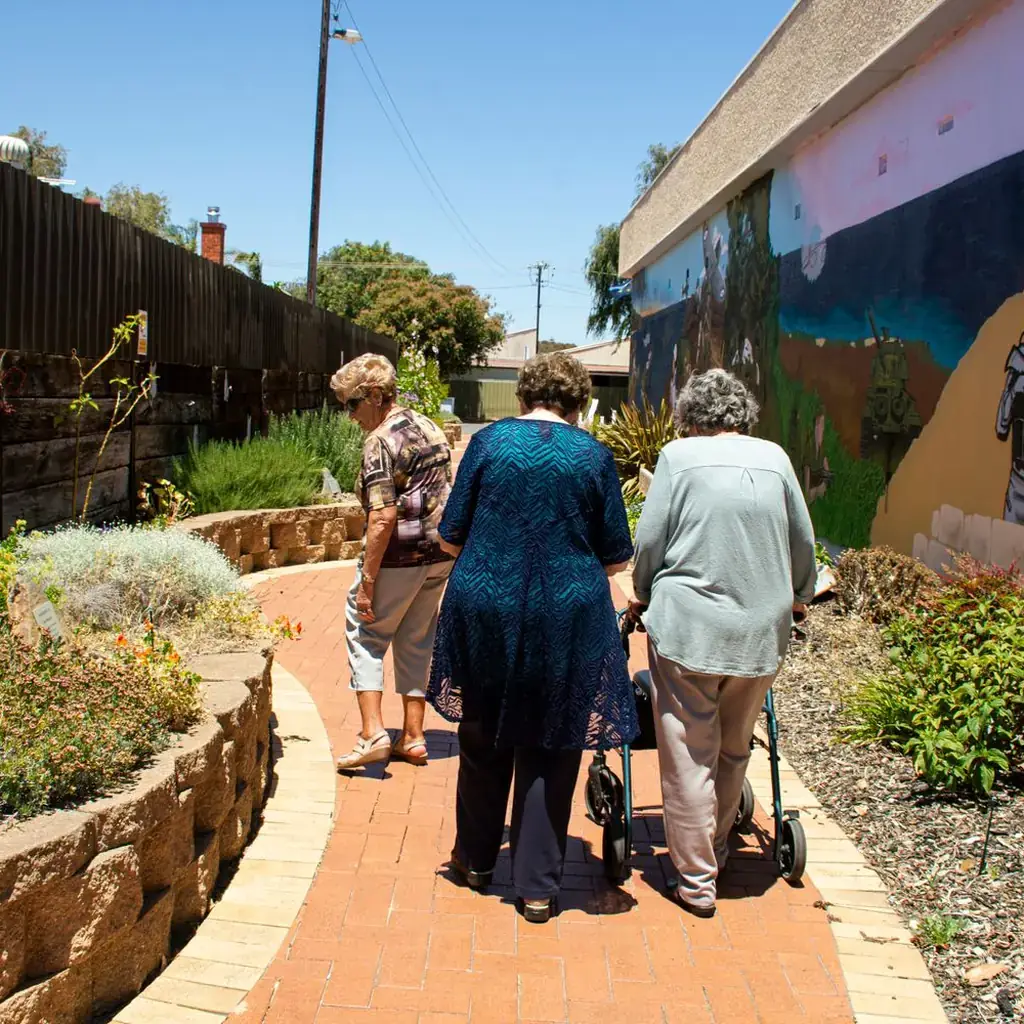
Invite a friend to do something short on a weekday. Give them a choice of lunch, an after-work walk, or another time that fits their schedule.
Your time may open up while theirs stays tight. This is a useful rehearsal for staying in touch after you no longer share the same schedule, especially with people you want to keep seeing after you leave work.
8. Spend half a day on your own

Pick a solo afternoon during which you can do one good thing and leave an hour free. Try a ride to the library or an afternoon at a park that you can reach without asking anyone.
Consider where you could do this on a wet day. See how a quiet block fits alongside small plans that give a week shape.
9. Take one volunteer shift or a taster class

Select something you can try once, such as helping at a donation sorting table or sitting in on a class. Count the trip and setup when you work out how much of the day it takes.
Ask how often regulars come back. A group can be a practical step toward meeting people you will see again once you retire.
10. Test your expected spending on an ordinary day

Note what you spend on the trial week, including transport, lunches out, supplies, and any delivery charges. Tag the choices you would make again, rather than judging the whole week on one bigger purchase.
Leave out work expenses that disappear when you retire. Any large unexpected costs should go in a separate list to investigate after the trial.
11. Start a delayed home project and track its setup
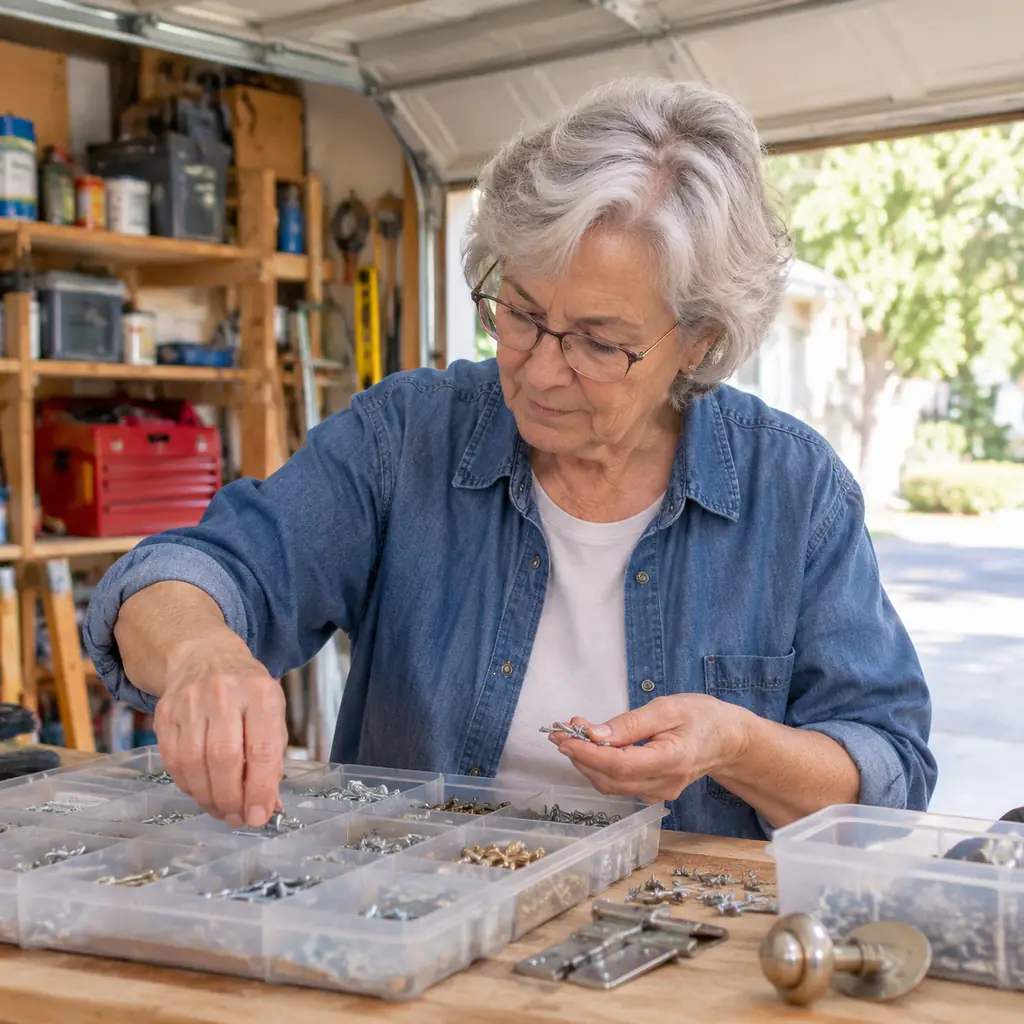
Pick a project you expect to enjoy and stop after the first sitting. Notice how much of the time goes into locating parts or finding a clear place to work.
Give the project its own tray or shelf before the next session. If setup takes longer than the work, factor that in before buying equipment that could bring an upkeep job with it.
12. Compare shared time with time apart
If you live with someone, try one shared morning and one morning apart. Each person gets to keep the activity or quiet they had in mind.
Compare when the household becomes crowded, including the kitchen, television, and favorite reading spot. Raising these details during a trial is easier than waiting until both of you want the same hour every day.
13. Set a limit on one favor
You may want to help someone with a recurring lift, pickup, or errand. Offer one day and a clear finish time while you see what it does to the rest of your plans.
If the trial works, agree what happens if you are away. Keeping the favor specific makes it easier to continue without leaving someone stranded when life changes.
14. Book one routine task with an office
Choose an ordinary appointment, form, or account update that you rarely have time to deal with. See whether you can reach the office and find what you need in one morning.
Write down what delayed the task. Contact details, permissions, or old paperwork can become part of what you organize before your last day.
15. Give one worthwhile task a backup plan

When the plan is a walk or outdoor class, decide in advance what you will do if the weather is poor. Choose a backup that depends on little more than a phone call or an open door.
Write down how you felt about changing the day. A routine can work even if the activity inside it changes.
16. Pause before filling all the empty space
Use another half-day to notice decisions you have been postponing between errands. Leave the hours available so you can see whether you need rest, company, or a smaller project.
If the day does feel long, pick a regular thing for just that afternoon next time. Keep some of the room you wanted when you first thought about retirement.
17. Make a short list of what needs a second trial
Write down one routine you would keep, one plan to change, and one assumption you still need to test. A detail such as a crowded bus may matter more than whether the week felt productive.
Run the unsettled parts again before your last day. If you are considering a move as well, see what a weekend in a small home teaches you about the belongings you actually use.
Image credits
- Older friends walking together on a paved route by Wellness Gallery Catalyst Foundation. Pexels License. Cropped to square and converted to WebP.
- Volunteers portioning food for donation by Julia M Cameron. Pexels License. Cropped to square and converted to WebP.
- A couple reviewing household bills at the kitchen table by Mikhail Nilov. Pexels License. Cropped to square and converted to WebP.