
What’s Worth Fixing Around the House Before You Retire?
Decide which home repairs deserve attention before retirement by comparing how disruptive each one would be…
The loose cabinet handle can wait. Water coming through the roof can put the room you use every day out of action, so put the repairs in order before you start calling for quotes.
1. Get an active roof leak investigated
A brown ceiling stain may be from an old problem. A patch that changes after the next rain needs an explanation from a qualified professional before any paint goes over it.
Show the roofer when and where you first noticed the change. Ask what they would repair now and what signs would indicate that the affected material needs closer inspection.
2. Find the source of dampness near the foundation

If you see dampness where the basement wall meets the floor, start by noting what happened outside during the previous rain. Photograph the area and show a qualified inspector where water collects near the house.
Ask how they would test the suspected source. Get that explanation before agreeing to finish the inside wall or install new flooring over the affected area.
3. Investigate a plumbing leak that keeps coming back

Recurring dampness under a sink or near a toilet deserves an assessment while the source is still visible. Clear the cabinet and make a note of whether it returns after a particular fixture gets used.
Show the plumber your notes and ask what left the stain. Ask which surfaces need inspection before the closet or cabinet goes back into use.
4. Bring questionable electrics to an electrician
If an outlet becomes hot or a breaker trips repeatedly, stop using the affected equipment and seek advice from a licensed electrician. Give the electrician the timing and what was running when you first noticed the problem.
Keep daily notes short and leave electrical testing to the professional. Ask them to explain which other work should happen while access is available.
5. Make main shutoffs possible to get to

A shutoff is useful when you can tell which one it is and reach it quickly. Ask a qualified professional to identify the relevant controls while you have an appointment for other work.
Clear the route and take a photo for your own records. Keep the photo with the other things to set up before retirement.
6. Repair damaged exterior steps and handrails

Test what it feels like to use the entrance when your hands are full. A settling step, loose rail, or unstable board is worth a professional repair before it begins to govern which entrance you use.
Ask whether the problem is limited to the loose part or whether there is damage where it connects. Start with the entry you use most days. If the work calls for a ladder or lifting, compare it with the jobs worth hiring out.
7. Book unreliable heating or cooling before peak season
If your system keeps cutting out, schedule a check while another season still gives you time to compare options. Keep track of which rooms are hard to heat or cool and when the change started.
Ask which issues could justify a repair and what tells the technician replacement may be due. Get the explanation in terms of the equipment you already own.
8. Fix failing seals around the bath
Look at the edges that take water most often. Tell the contractor if a surface moves, the stain has grown, or the floor outside the tub feels different after a shower.
Ask what shows whether the problem is at the surface or behind it. You can leave an intact tile color alone and deal with the part that lets water through.
9. Restore the exit door you can’t rely on

A side door that sticks every time it rains can leave a home with one useful entrance. Show the contractor when the problem appears and how much force it takes to operate the door.
Ask whether adjustment could help or whether the frame needs further attention. The route through a one-story home is only as useful as the doors on it.
10. Do damaged decking before changing the finish
A rough patch can need a refinish, a repair, or a closer look at what is underneath. If a board moves or feels soft, keep people away from the area and arrange a qualified review.
Make a separate decision about the appearance of the rest of the deck. A sturdier route to the yard is a better first expense than a new color on an uncertain surface.
11. Investigate standing water next to the house

Note where rainwater goes after it drops out of the gutters. If the ground next to the house regularly stays wet, take photos just after rain and again the following day.
Show the photos to a drainage professional if the issue persists. Ask them to explain where the water would go after the fix so the problem does not shift to a walkway or a neighboring property.
12. Make frequently used windows easy to operate

Open and close the windows you rely on most for air. Find the ones that stick, refuse to lock, or need two hands to stay in place.
Ask a repair professional which parts can be adjusted or replaced. Until you have a quote, keep that job separate from swapping out windows you rarely need to open.
13. Deal with the floor area you work around
A lifted edge at a doorway affects everyday trips around the house. Make a note of where the floor moves or changes, then ask whoever reviews it to look beyond the visible surface.
Put the areas you cross daily ahead of a worn patch in a spare room. Compare the proposed repair with what you learn from living through an ordinary week at home.
14. Resolve a persistent door or window draft

Start with the door or window near a seat you regularly use. Make a note of the weather and where you feel the draft so the service visit can focus on the part that affects you.
Ask what an adjustment would solve before comparing replacement quotes. Then consider whether the repaired space still has other features likely to demand upkeep.
15. Service any door that carries a heavy load
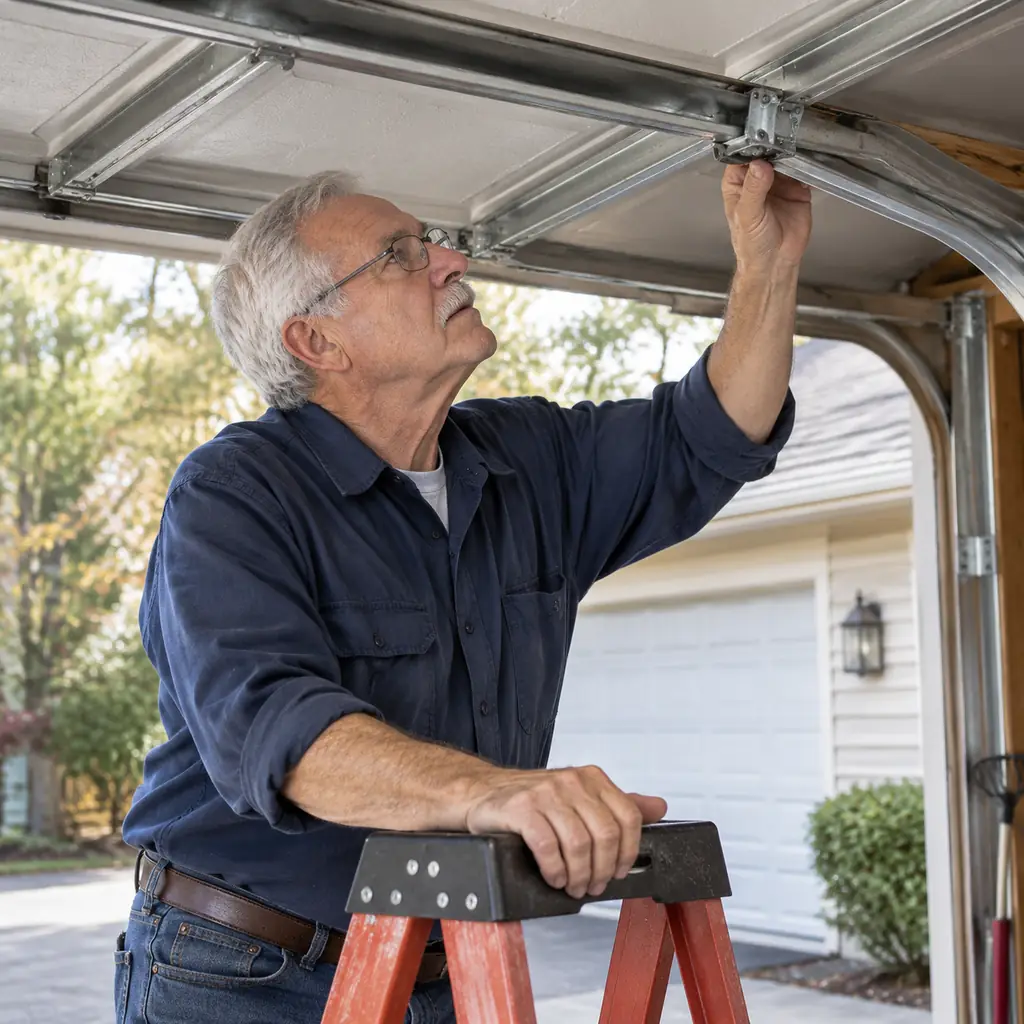
A powered garage door that reverses, hangs unevenly, or makes a new noise is worth a professional check. Tell the technician what happened and leave springs and lifting parts to them.
Ask them to show you how to use the manual release when the door is safe to operate. Keep their contact details somewhere handy.
16. Fix the places that interrupt ordinary cleaning
A cabinet that won't stay shut or a shelf you avoid loading is rarely urgent. The repair earns a higher place if it gets in the way of cleaning or storage every day.
Bundle this kind of task with other smaller fixes after the most disruptive problems have quotes. Ask whether each repair is priced individually so you can trim the list.
17. Schedule work around the rooms you use
Map each job to the room, entrance, or utility it will interrupt. Putting two repairs in the same week can be convenient until they remove both the kitchen and the route to the bathroom.
Pick one disruptive job at a time where possible. Leave time around it for the small plans that give your retirement week structure.
Image credits
- Hand tools in a toolbox by Anastasia Shuraeva. Pexels License. Cropped to square and converted to WebP.
- A hand touching a lever-style door handle by cottonbro studio. Pexels License. Cropped to square and converted to WebP.
- Sliding doors between a living room and patio by Curtis Adams. Pexels License. Cropped to square and converted to WebP.